





 Português
  Inglês
  Espanhol
  2 min de leitura
  0 comentários


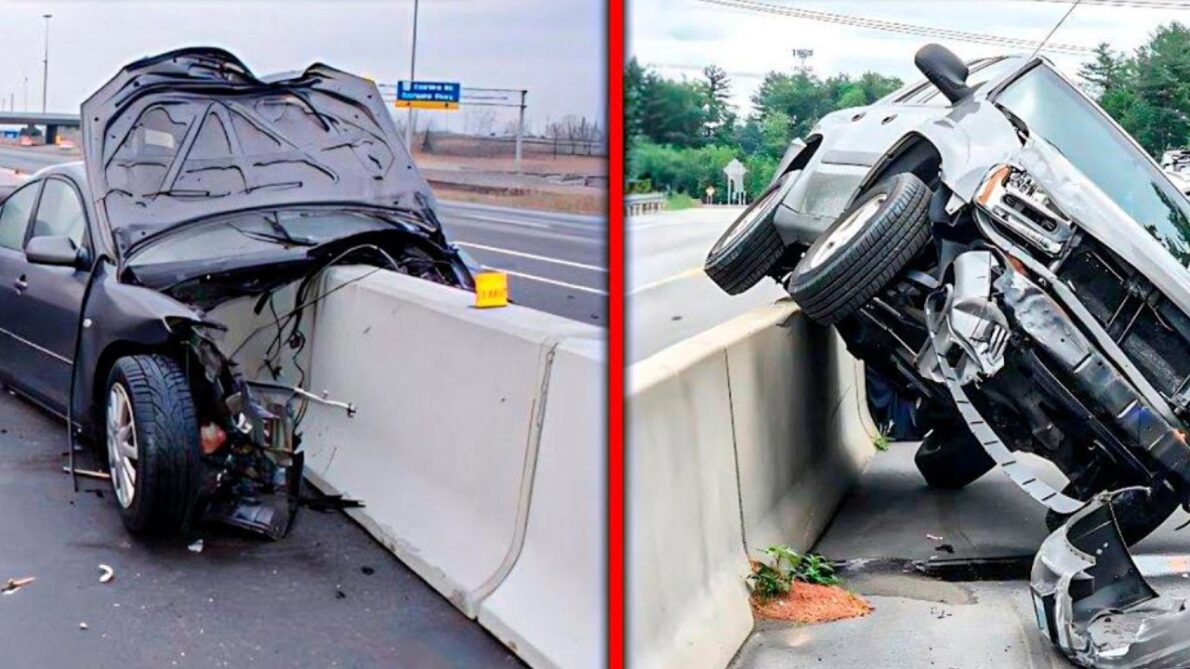
Advancements in Safety Barriers and Modern Vehicles Transform Traffic into a Safer Environment, Significantly Reducing Road Fatalities Even with the Increase in the Number of Drivers.
Amid the growing number of vehicles on the road, a significant change in road safety has made a difference: protective barriers. While dramatic accidents still capture headlines, the reality is that traffic is becoming safer, with a steep decline in mortality rates over the past few decades. This is due not only to stricter enforcement and the adoption of technologies like airbags and ABS brakes but also to advancements in the design of roadway barriers.
Originally, safety barriers were simple and often hazardous, but over the past 60 years, they have evolved into sophisticated systems that effectively dissipate energy during collisions, significantly reducing the chances of fatalities.
Modern Barriers Are Designed to Rebound Vehicles Back to the Lane


Today, road safety devices are carefully tested and regulated by standards such as the Manual for Assessing Safety Hardware (MASH) in the U.S. and EN1317 in Europe, ensuring they are robust enough to protect drivers at high speeds and in severe impacts.
-
OMODA & JAECOO grows in Europe in 2026 with an integrated strategy of sales, innovation, local production, and technological advancement in the United Kingdom, Italy, and Spain.

-
OMODA & JAECOO expands after-sales service in Brazil with competitive maintenance, a 7-year warranty, and high availability of parts for technological SUVs.
-
OMODA & JAECOO appoints Alessandra Souza as executive marketing director in Brazil and accelerates brand expansion with a focus on innovation, networking, and hybrid portfolio.

-
Jaecoo 7 with super hybrid SHS system exceeds 1,200 km of combined range with a 1.5 turbo engine, high-density battery, and intelligent energy management.


Modern barriers are designed to rebound vehicles back to the lane, rather than stop them abruptly or allow them to cross to the other side of the road, which could cause more serious accidents. Additionally, the adoption of safe recovery zones next to roadways allows drivers to regain control of their vehicles more safely in case of leaving the road.
There Are Various Types of Barriers, Including Concrete, Metal, and Cables
However, implementing a wide recovery zone is not always feasible due to costs and geographical limitations, making barriers a necessity. There are various types of barriers, including concrete, metal, and cables, each with its specifications and suitable use cases. Concrete barriers, for example, are common on bridges and locations where significant lateral movement cannot be allowed, while cable barriers are ideal for separating lanes of opposing directions, preventing severe head-on collisions.
These systems not only save lives by preventing severe accidents but also reduce the impact in unavoidable collisions, ensuring that even when accidents occur, the chances of survival are much greater. The engineering behind these barriers and the regulations governing them continue to evolve, ensuring that traffic becomes an increasingly safer place for everyone.










Seja o primeiro a reagir!