





 Portuguese
  English
  Spanish
  3 min of reading
  0 comments


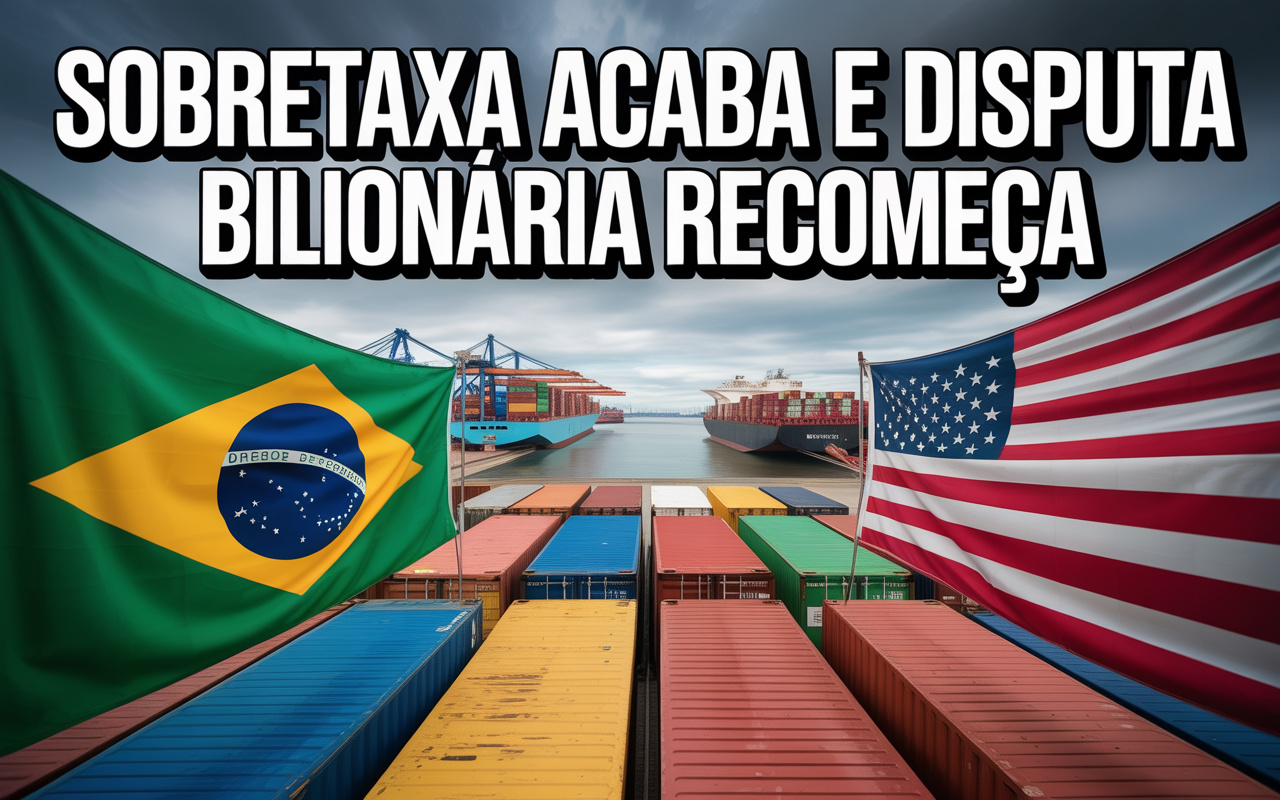
Decision Opens New Round in Global Competition for Agricultural Markets and Puts Pressure on Companies That Need to Act Quickly to Ensure Refunds
The decision by the President of the United States, Donald Trump, to suspend the additional 40% tariff applied since July on various Brazilian agricultural products provoked an immediate reaction among exporters, foreign trade analysts, and investors. The measure, formalized through an Executive Order last week, removes from the list of surtaxes items with a significant weight in the trade balance between the two countries, including coffee, beef cuts, açaí, tomatoes, guava, mango, bananas, and cocoa. With a direct impact on competitiveness, the suspension is already seen as a reopening of access for Brazilian agribusiness to the world’s largest food importer.
The relief comes with another decisive element: the retroactive application of the measure to November 13. The order stipulates that the suspension applies to goods cleared in the United States from this date, allowing importers to request refunds of the amounts paid based on the additional tariff from U.S. Customs and Border Protection. The possibility of refunds has the potential to generate millions of dollars in just the first few months, especially among trading companies and slaughterhouses that maintained shipments even under the burden of the surtax.
International Trade Lawyer Carol Monteiro of Monteiro & Weiss Trade Commented on
According to international trade lawyer Carol Monteiro of Monteiro & Weiss Trade, the measure represents an opportunity but does not end the debate about the scope of tariff exemptions. According to her, the fact that some products were left off the new list should influence the direction of negotiations.
-
Mercado Livre “opens the vault” and announces a record investment of R$ 57 billion in Brazil in 2026, a value 50% higher than the previous year, with an expansion plan that includes 14 new logistics centers, totaling 42 units in the country and hiring an additional 10,000 employees.

-
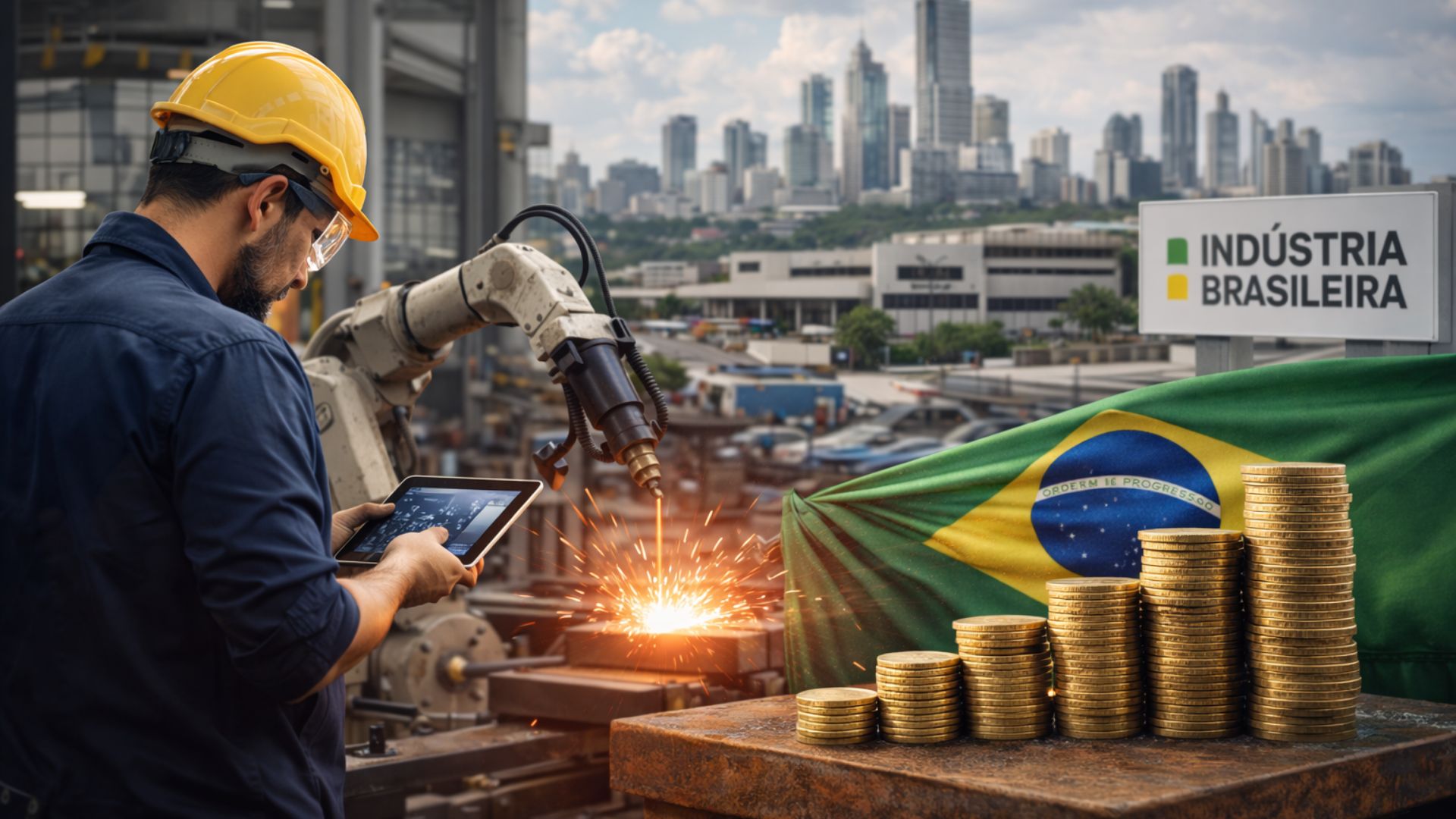
How investment in technology can revolutionize the national economy and enhance industrial gains, according to a study that highlights the direct impact on productivity, innovation, and wealth retention within Brazil.
-
The largest food company on the planet, JBS, has just opened a 4,000 square meter laboratory in Florianópolis to develop customized proteins that modulate muscle mass gain, immune response, and metabolic performance.

-
After nearly 30 bids and competition among industry giants, a Spanish company purchases one of the largest airports in Brazil for almost R$ 3 billion and takes over the management of Galeão in a concession that will last until 2039.

“The exclusion of new items certainly creates room for negotiations to move towards expanding the list of exemptions. It is noteworthy, however, that certain sectors were not covered by the Executive Order, such as seafood, whose exports were primarily destined for the U.S. and are of great relevance to the Northeast region of Brazil, along with other equally affected supply chains,” comments the lawyer.
In Addition to Sectoral Discussion, the Specialist Warns of a Strategic Point That Remains Pending and May Affect Bilateral Trade Structurally.
“Another relevant point is the absence of an explicit reference to the investigation initiated under Section 301, which deals with Brazil’s trade policies, involving Brazil-related practices regarding digital commerce and electronic payment methods, including PIX, preferential tariffs, enforcement of anti-corruption regulations, intellectual property protection, ethanol, and illegal deforestation. The investigation is still ongoing, with potentially significant long-term impacts on the bilateral trade relationship,” she assesses.
The lawyer notes that the process is in the phase of bilateral consultations between Brazil and the U.S., but there is still no clarity on the next steps.
“There was a hearing in September, with the participation of Brazilian entities and the Government, but so far there is no clear indication regarding the possible developments of this procedure or whether the issue is being effectively addressed in the ongoing negotiations,” she comments.
The investigation has a duration deadline until July 2026, with the possibility of additional tariffs being defined at the end of the process.
The prevailing view among analysts is that the suspension of the surtaxes is likely to strengthen Brazil’s position in the short term, but does not eliminate future regulatory risks.
Brazilian exporters have already reported a resumption of negotiations interrupted since July, with expectations of increased shipments in 2025, particularly in the coffee and beef protein sectors.
Nonetheless, the market remains cautious regarding potential sudden changes in U.S. trade policy. There is an enhanced risk due to the explicit forecast of ongoing monitoring contained in the Executive Order itself.







-

Uma pessoa reagiu a isso.