





 Portuguese
  English
  Spanish
  3 min of reading
  2 comments


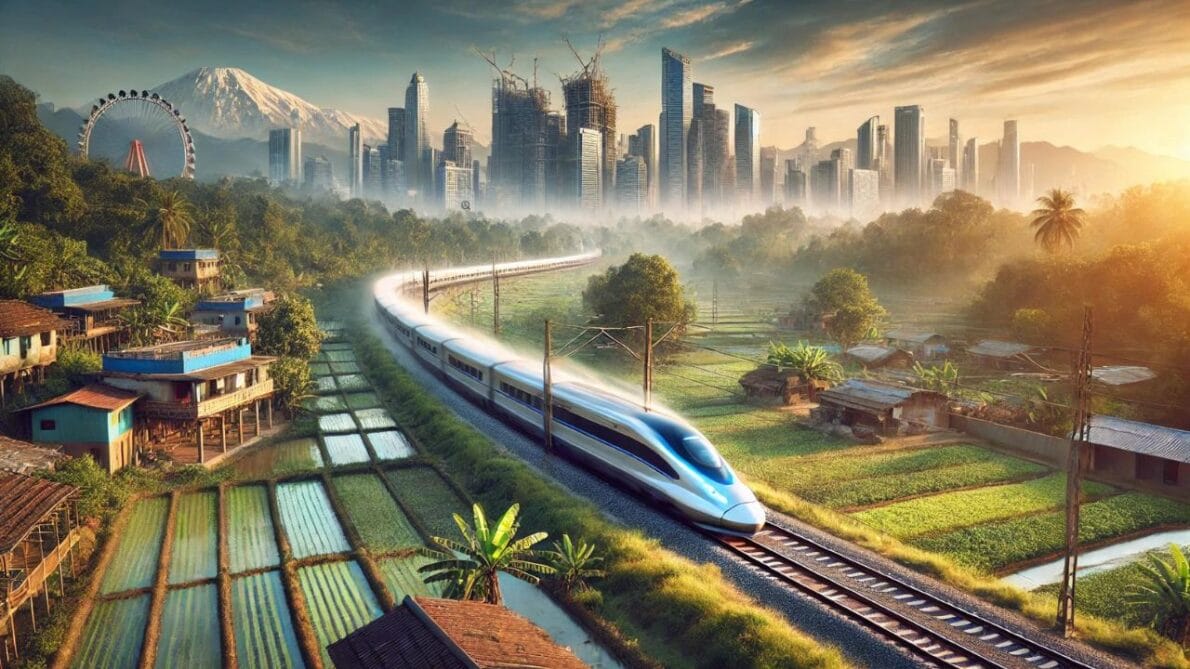

The Amazing Most Important Construction in India: The Bullet Train.
India, the most populous country in the world with over 1.45 billion inhabitants, is about to make a monumental leap in its railway infrastructure with the construction of its first bullet train. Despite structural challenges, the country has decided to modernize its railways, ushering in a new era of fast and efficient transportation. But is this construction really everything it promises?
The construction of this high-speed railway project, linking Mumbai to Ahmedabad, is one of the most ambitious initiatives in India. This railway, which will initially span 508 km, aims to connect two of the country’s most important economic centers. The idea is to drastically reduce travel time between these cities from nine hours to just two.
But the Construction of This Project Is Not a Bed of Roses
Despite all the pomp surrounding modernization, the construction faces a series of challenges. Land acquisition has been a tumultuous process, with many expropriations and legal disputes. Additionally, deforestation and the relocation of natural habitats have drawn criticism from environmentalists. And that’s not all: accidents during construction have also been frequent, such as the case of a scaffolding collapse that left one worker dead and six others injured, according to NDTV.
-
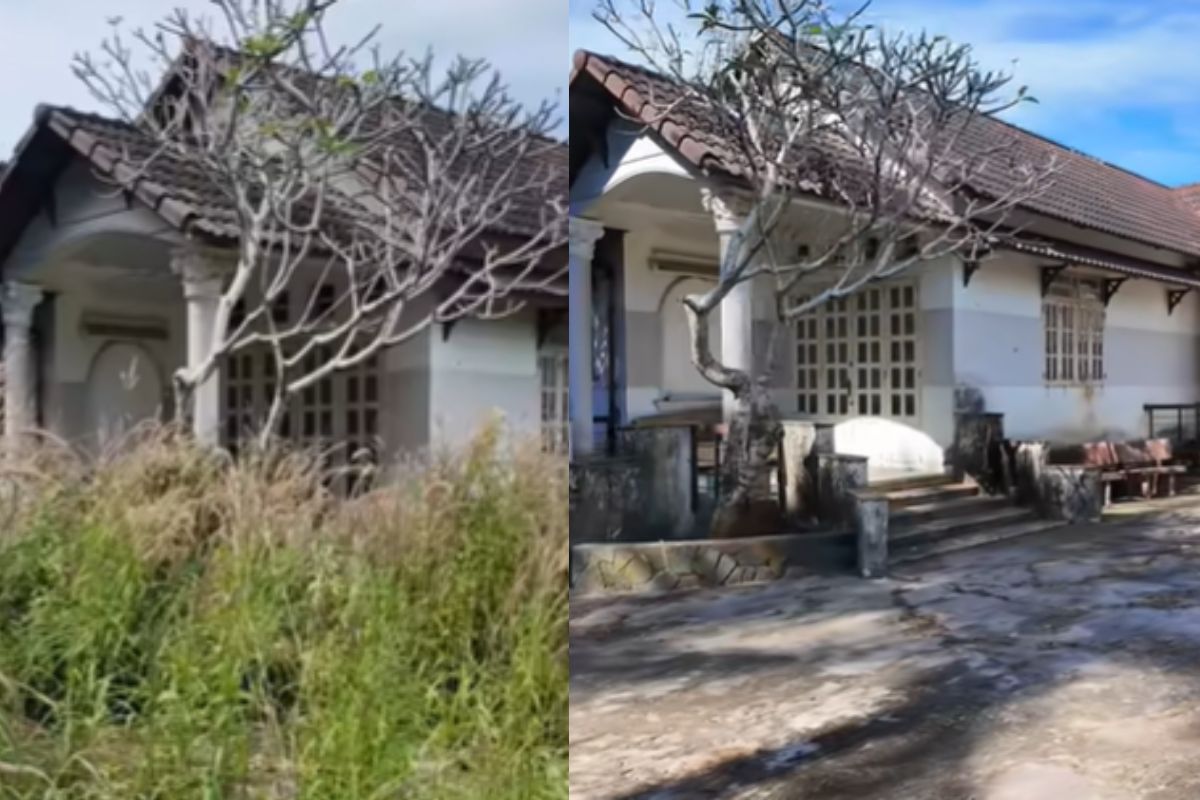
Abandoned house for 15 years disappears in the woods, shocks owner with unrecognizable scenery and is reborn in an intense transformation after almost 90 hours of work in just 10 days.
-
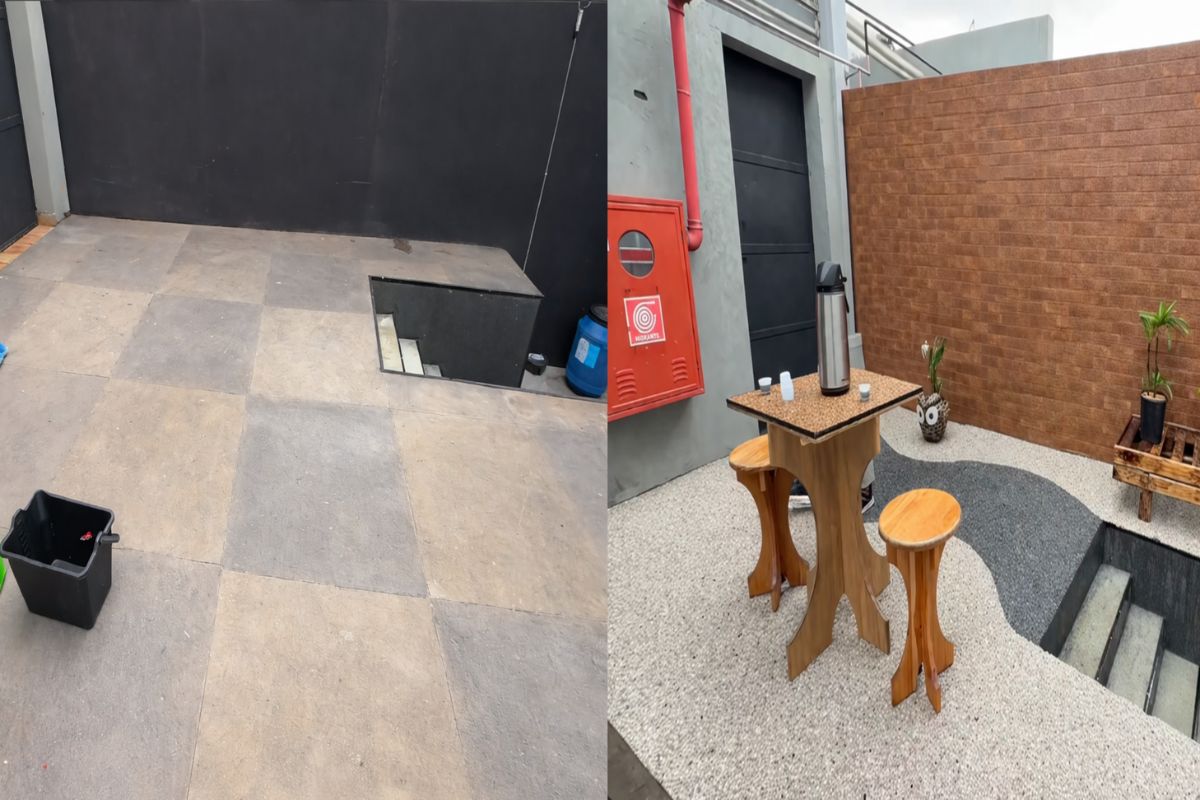
In just three hours, a natural stone floor transforms the entrance of the house with an organic effect, immediate drainage, and a sophisticated non-slip finish that doesn’t puddle water, dries quickly, and impresses with the final result.
-
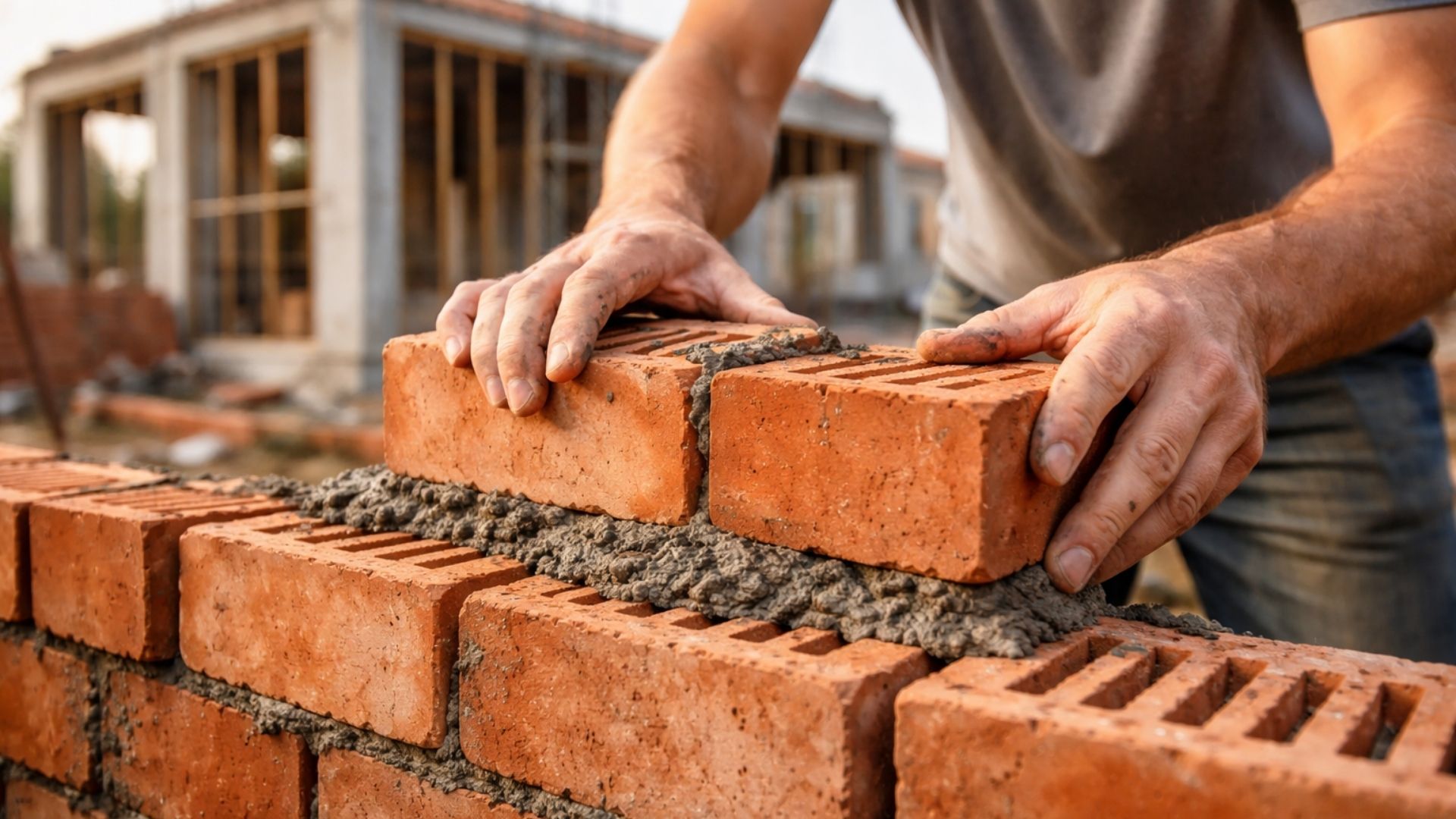
‘Interlocking brick’ made of earth arrives in the construction industry with cost reductions of up to 40% on the project.
-
Espírito Santo will receive the largest engineering project in its history with the duplication of BR 262, which will have 50 viaducts, 28 bridges, and 2-kilometer tunnels cutting through the most challenging mountainous region of the entire state.
The construction has been marked by a series of problems that call into question the safety and viability of the project. Is this endeavor really worth it?
India’s Historical Relationship with Railways
India has a deep relationship with its railways, which have existed for over 160 years, since the colonial era. The vast network of 70,000 km of tracks is crucial for the mobility of people and goods in the country. However, the aging infrastructure is saturated, with slow trains that are often delayed and a high incidence of accidents.
To address these issues, India is betting on cutting-edge technology, with advanced speed control systems and earthquake detection. The train model will be the Shinkansen, the famous Japanese bullet train, which promises to reach speeds of up to 320 km/h.
Comparison with Brazil
Comparing it to the Central Railway of Brazil (EFCB), the historical railway connecting Rio de Janeiro to São Paulo, Minas Gerais, and Espírito Santo, the Indian bullet train construction seems modest. The EFCB covers 1,600 km, while the initial Indian project encompasses only 508 km. However, the EFCB was built over decades, whereas the Indian construction is an attempt at rapid and efficient modernization.
Japan Invested Over 4.5 Billion Dollars in Construction
Japan has invested over 4.5 billion dollars in the construction, providing not only money but also technology and training for Indian engineers. Total costs are estimated at around 14.5 billion dollars. Despite the challenges, the project promises to improve the quality of life, increase connectivity, and stimulate economic growth.
Construction of the Bullet Train Is an Important Step Towards the Modernization of India‘s Infrastructure
Despite numerous problems and criticisms, the construction of the bullet train is an important step towards the modernization of the infrastructure of India. If successful, this project will not only reduce travel times and increase safety but also symbolize India’s capacity to transform into a global superpower. However, it is essential that authorities continue to focus on safety and sustainability, so that this grand construction truly pays off for the country’s future.









Será passo super importante, a Índia tem problemas nos trilhos por anos. O trem bala dos japoneses também seria apreciado terras Tupiniquim
Matéria antiga. Em julho de 2024 a Índia já tem um trem bala há anos.