





 Portuguese
  English
  Spanish
  4 min of reading
  1 comment


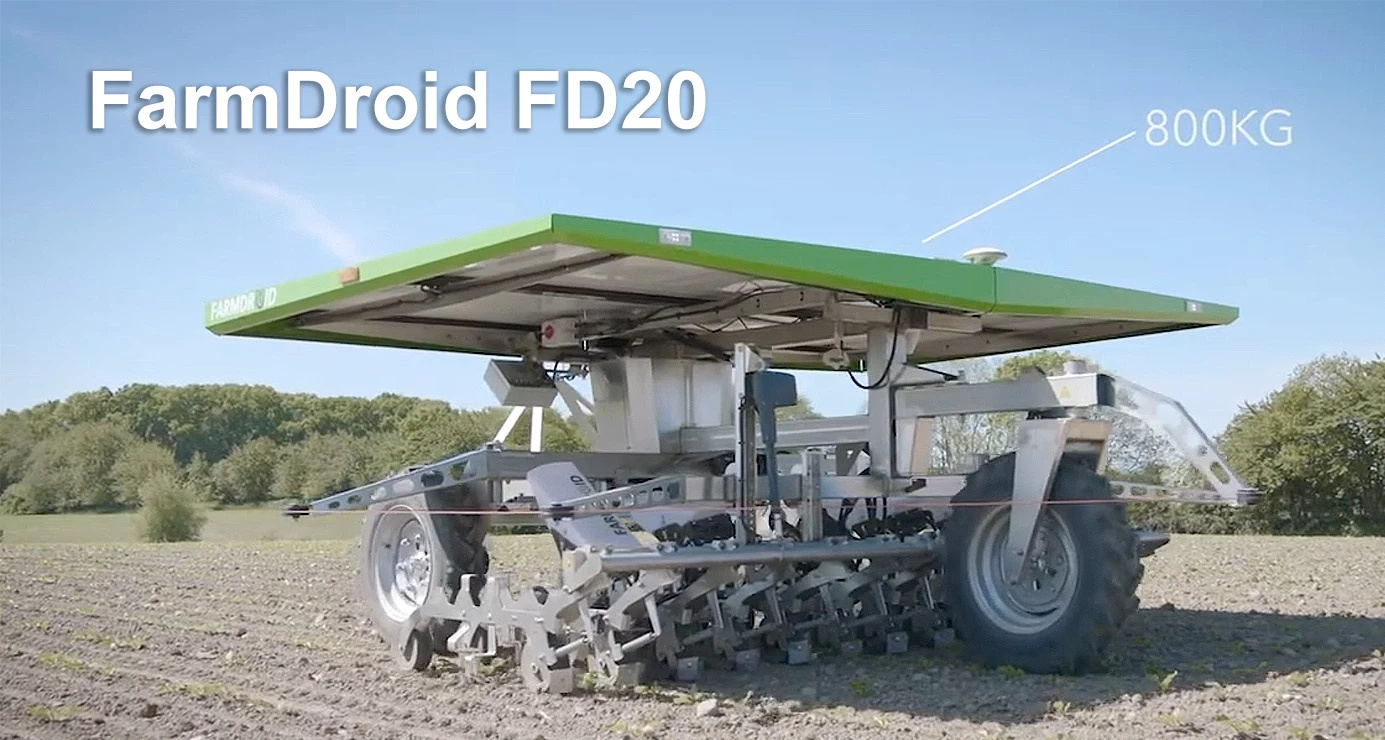


The FarmDroid FD20 Agricultural Robot, Solar-Powered and with High-Precision RTK GPS, Sows and Weeds Autonomously Up to 5 Ha Per Day, Reducing Costs and Chemicals.
In the early 2020s, the Danish company FarmDroid ApS developed one of the world’s most advanced autonomous agricultural robots, the FarmDroid FD20. Unlike automated tractors or spraying drones, this robot was designed to completely autonomously perform sowing and weed control tasks, powered by solar energy and guided by millimeter-precision RTK GPS.
This innovation is not limited to replacing labor: it integrates sensors, navigation intelligence, and sustainable energy to operate on small to medium-scale farms without continuous human intervention. The FD20 is already in use in various countries in Europe and Australia, among other temperate agricultural markets, working in fields of vegetables, grains, and aligned crops.
How It Works: Solar Energy and Centimeter Precision
The FarmDroid FD20 was designed to work without the need for electrical connection to the grid. Its energy source consists of solar panels mounted on the robot itself, which power internal batteries and allow continuous operation on sunny days.
-
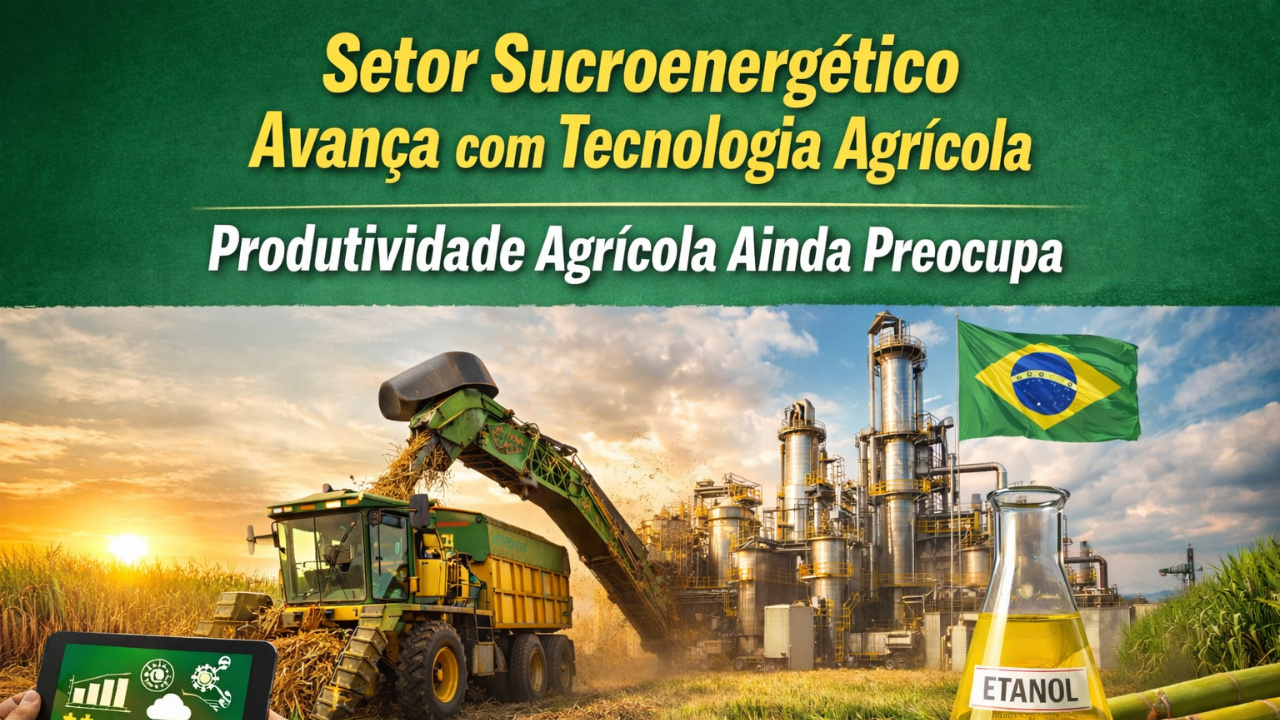
The sugar-energy sector advances with agricultural technology, but agricultural productivity still raises concerns.
-
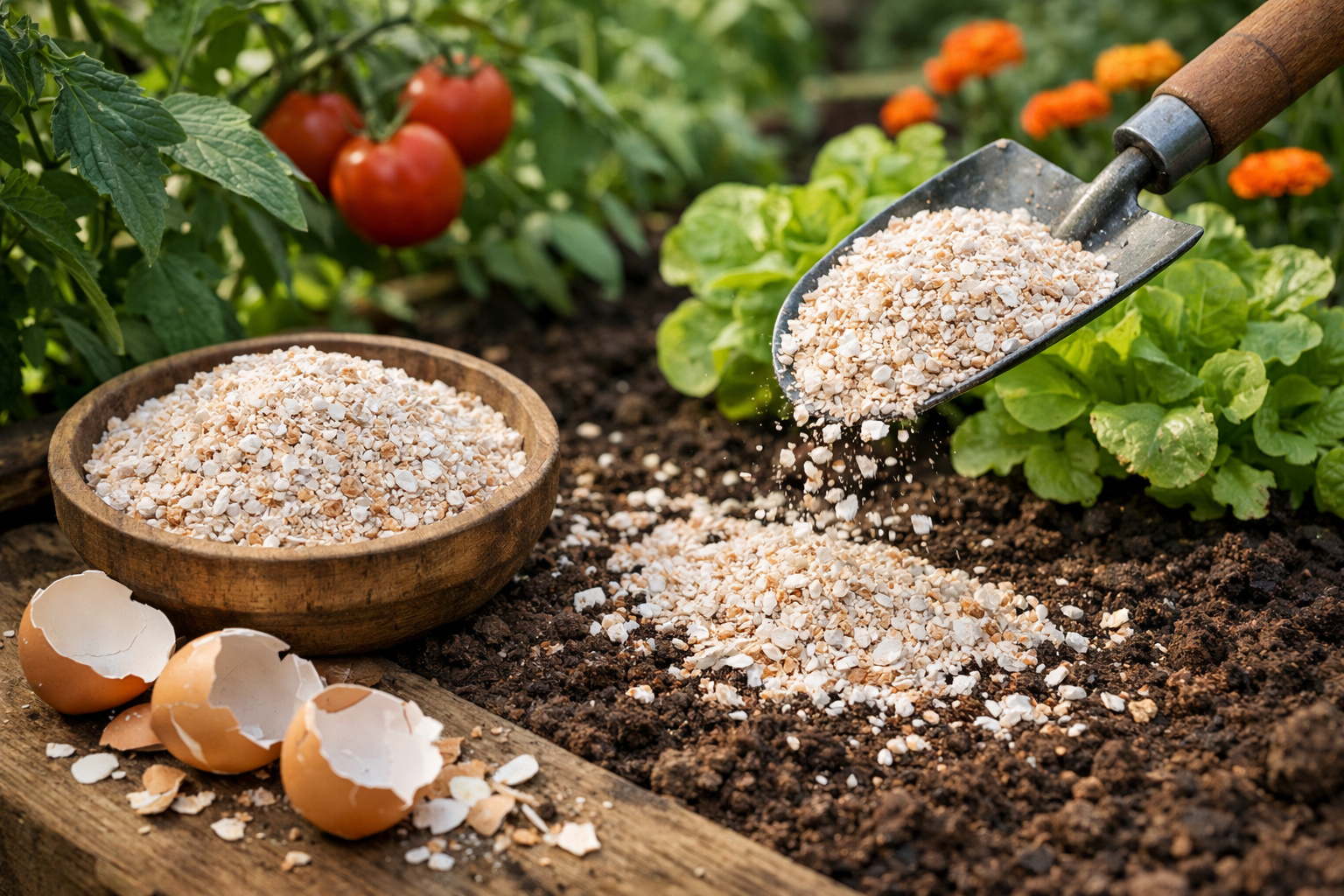
The eggshell that almost everyone throws away is made up of about 95% calcium carbonate and can help enrich the soil when crushed, slowly releasing nutrients and being reused in home gardens and vegetable patches.
-
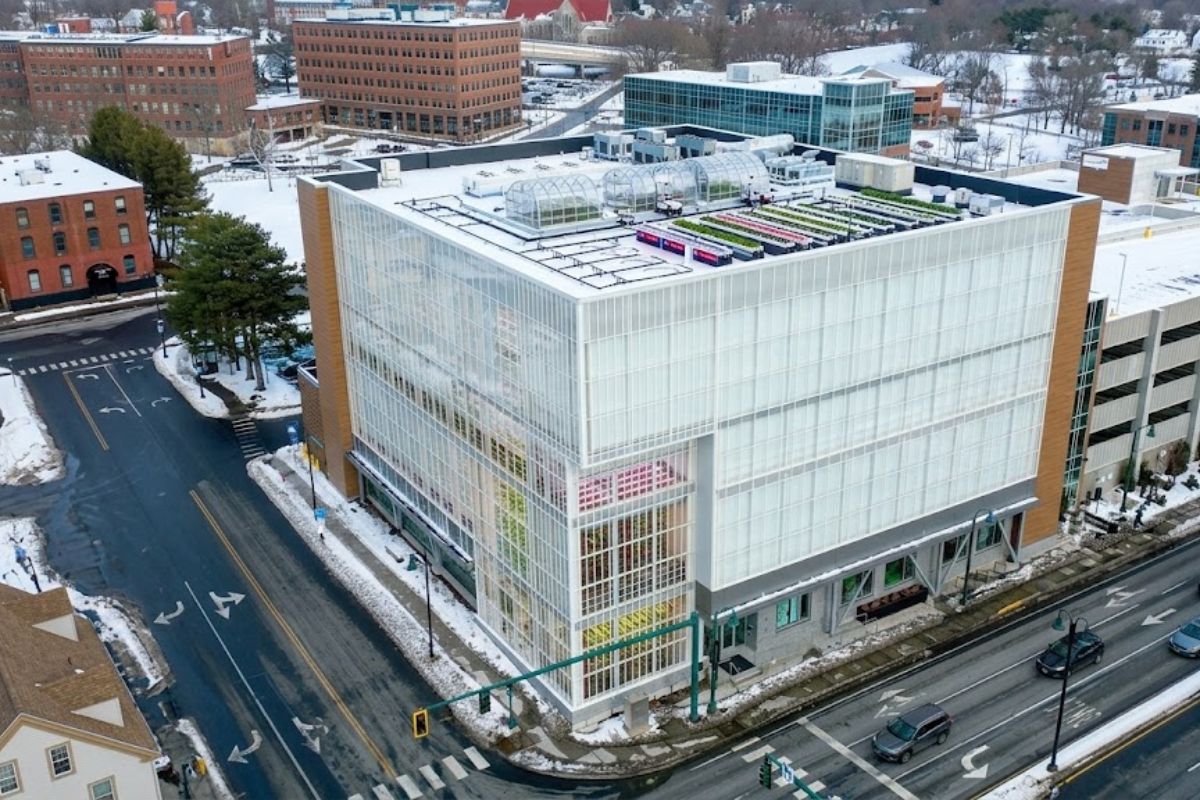
This farm in the United States does not use sunlight, does not use soil, and produces 500 times more food per square meter than traditional agriculture: the secret lies in 42,000 LEDs, hydroponics, and a system that recycles even the heat from the lamps.
-
The water that almost everyone throws away after cooking potatoes carries nutrients released during the preparation and can be reused to help in the development of plants when used correctly at the base of gardens and pots, at no additional cost and without changing the routine.


This configuration drastically reduces operational costs and eliminates dependence on fossil fuels, a significant advantage in agricultural systems increasingly pressured by sustainability targets.
Navigation is done via RTK GPS (Real-Time Kinematic), a technology that includes real-time positioning corrections and reduces location errors to just a few millimeters. This allows the robot to follow planting lines with extremely high accuracy, essential for maintaining uniformity in crops like carrots, beets, lettuce, or potatoes.
Practically, the FD20 can cover around 4 to 5 hectares per day under ideal conditions, with variations depending on soil type, topography, and solar intensity. This performance places the robot in the same production range as small tractors but with drastically lower energy costs.
Automated Sowing and Weeding
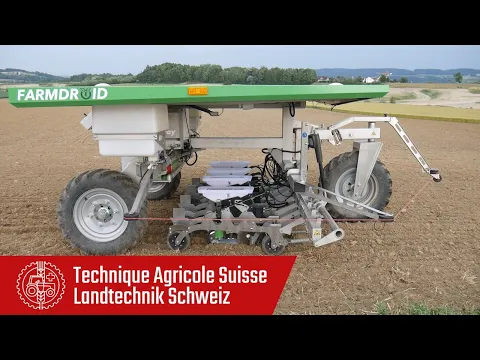

The functional architecture of the FD20 was designed for two main processes:
Sowing of seedlings or aligned seeds: The robot marks the soil and deposits seeds in defined rows, respecting pre-programmed spacings that vary depending on the crop — for example, short-cycle species like vegetables can have smaller spacings than taller crops like beets.
Mechanical weeding between rows: After sowing, the robot follows between the planting rows and performs mechanical weeding, removing weeds without the use of herbicides. This action reduces the need for chemicals, improves soil health, and decreases costs associated with pesticides.
Automated weeding is done with accessories that remove unwanted plants based on absolute position in the field, thanks to the combination of RTK GPS and sensors that monitor the terrain ahead.
Direct Impact on Sustainable Agriculture
The FD20 represents a convergence of three technological trends:
- Agricultural Automation: reduces the need for intensive manual labor.
- Clean Energy: eliminates the consumption of fossil fuels for heavy machinery.
- Millimeter Precision: reduces waste and improves the uniformity of operations.
By replacing herbicides with mechanical weeding, the robot also contributes to the reduction of chemical residues in final products and in the soil. This is particularly relevant in high-value crops, such as vegetables, where the demand for organic production and environmental certifications is growing globally.
Practical Tests and Real Implementation
Unlike many prototypes that remain in experimental phases, the FarmDroid FD20 is already in commercial operation.
On farms in Denmark, The Netherlands, and Australia, farmers report that the robot maintains crops without daily intervention, requiring only the configuration of field coordinates and allowing the FD20 to execute the tasks.
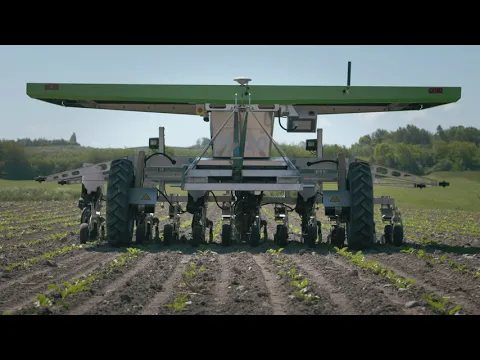
In some cases, equipment is monitored remotely via apps or agricultural management portals that display energy status, sowing progress, and operational alerts. This digital interface is part of the proposal for Agriculture 4.0, where real-time data enables faster and more efficient decision-making.
Input Savings and Financial Return
From an economic perspective, the robot can reduce costs in several areas:
- Reduction of herbicides and pesticides: by mechanically weeding, it decreases spending on chemicals.
- Less use of fossil fuels: 100% solar energy reduces expenses on diesel or gasoline.
- Less manual labor: repetitive tasks can be delegated to the robot, freeing workers for higher value-added activities.
Farmers who have adopted the technology report that even considering the initial investment, the return is achieved in a few crop cycles, especially in high-value crops like leafy greens, carrots, or industrial beets.
Challenges and Limitations
Although promising, the FD20 is not a universal solution. Its main challenges include:
- Dependence on sunlight: in regions with low irradiation, autonomy may be compromised.
- Irregular topography: very steep terrains may hinder autonomous navigation.
- Initial cost: despite being competitive, the price is still a barrier for small producers without access to financing.
Nonetheless, government support programs for precision agriculture can accelerate adoption, as has been occurring in European countries with policies stimulating green technologies.
The Future of Agricultural Robotics
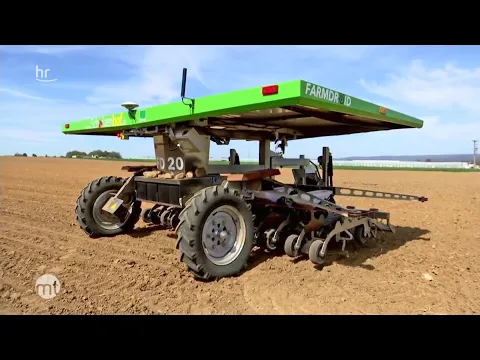
The implementation of the FarmDroid FD20 places agriculture at a new level of sustainable automation, where intelligent machines operate with low environmental impact and high precision.
Other companies are also exploring similar solutions — from spraying drones with computer vision to autonomous tractors — but the FD20 stands out by integrating sowing and weeding into one functional package.
As digitization and the green economy gain traction in the global agricultural sector, technologies like this not only increase productivity but also help reduce the ecological footprint of food production.
The field, traditionally associated with physical strength and manual labor, is gradually becoming a digital and robotic operations environment. In this new landscape, the FarmDroid FD20 is now one of the real, proven protagonists in farms seeking productivity alongside sustainability.










Essa invenção do homem por ganância financeira o que vai gerar e desemprego põe essa **** de robô e a mão de obra e dispensada eita ganância