





 Portuguese
  English
  Spanish
  7 min of reading
  3 comments


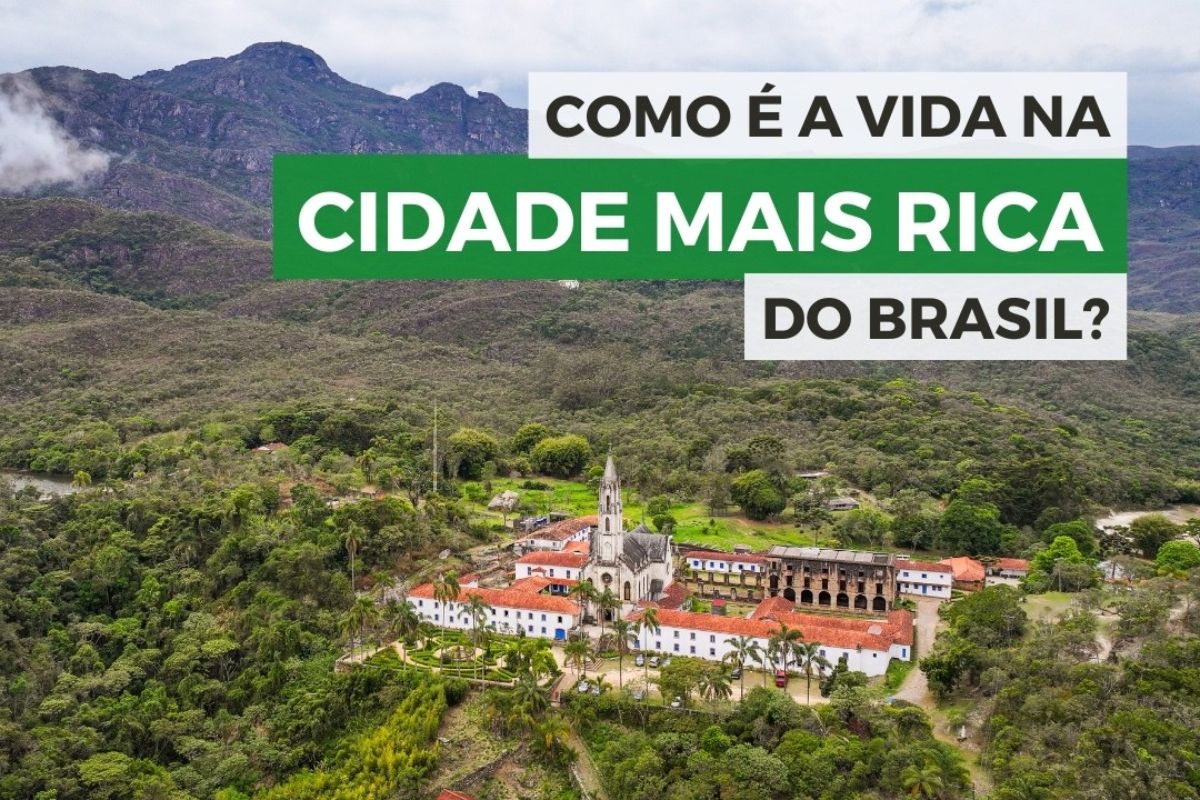


With just 5,706 inhabitants, the richest city in Brazil has a per capita GDP of R$ 920 thousand, is surrounded by the Serra do Caraça, has historic churches, trails, waterfalls, jabuticaba wine, and is starting to invest in tourism to survive the end of mining and protect jobs, income, and memory.
Neither São Paulo, nor Brasília, nor Rio de Janeiro. Today, the title of richest city in Brazil goes to a tiny municipality in Minas Gerais, with just over 5,700 residents and a per capita GDP of around R$ 920 thousand per inhabitant per year. If it were a country, Catas Altas would be richer than Luxembourg, but that doesn’t mean each resident has almost a million in their bank account.
Among 18th-century churches, preserved mansions, the green wall of the Serra do Caraça, and a quiet life that seems to move at a different pace, Catas Altas blends heavy mining, growing tourism, and Minas Gerais tradition. It is this combination of iron ore, history, monumental nature, and jabuticaba wine that explains how this small town became, in numbers, the richest city in Brazil.
Per Capita GDP of R$ 920 Thousand: What It Means in Practice

To understand why Catas Altas is considered the richest city in Brazil, one must look at the per capita GDP, and not at the resident’s wallet.
-
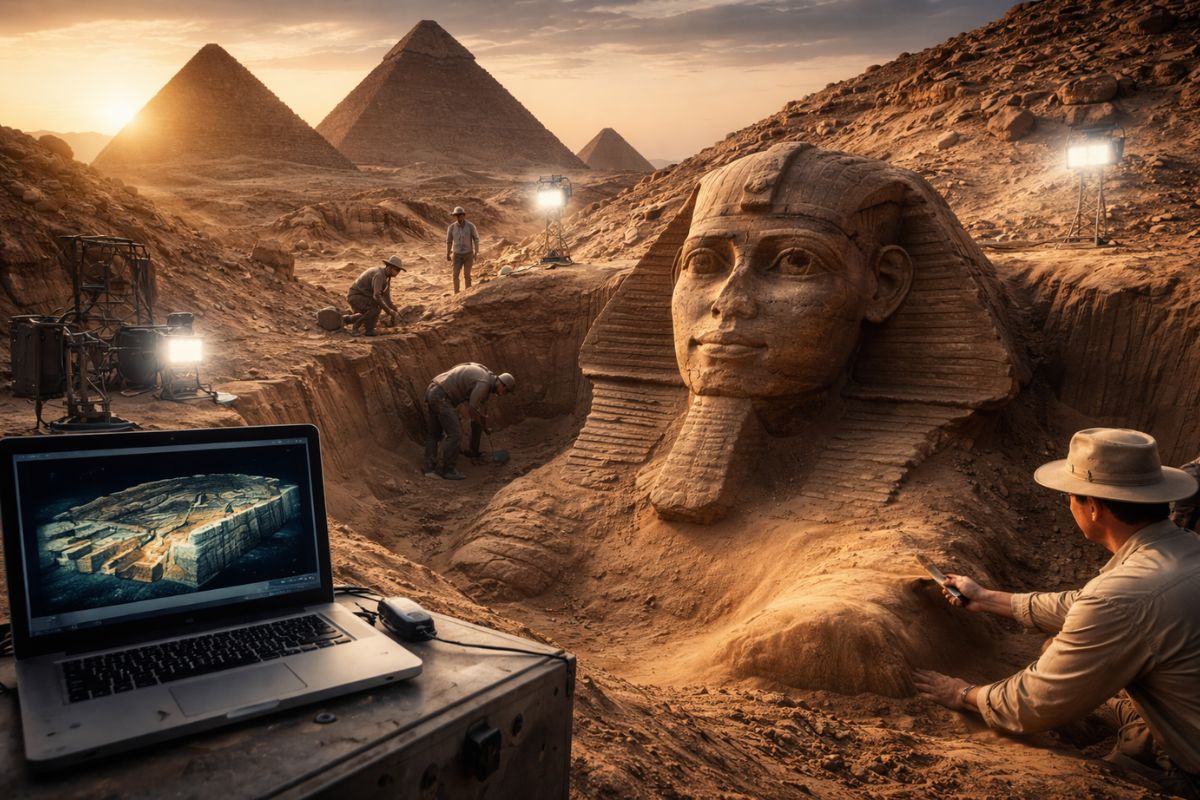
Italian researchers have detected what appears to be a second Sphinx buried under the sands of Egypt, and satellite scans reveal a gigantic underground megastructure hidden beneath the Giza Plateau for over 3,000 years.
-
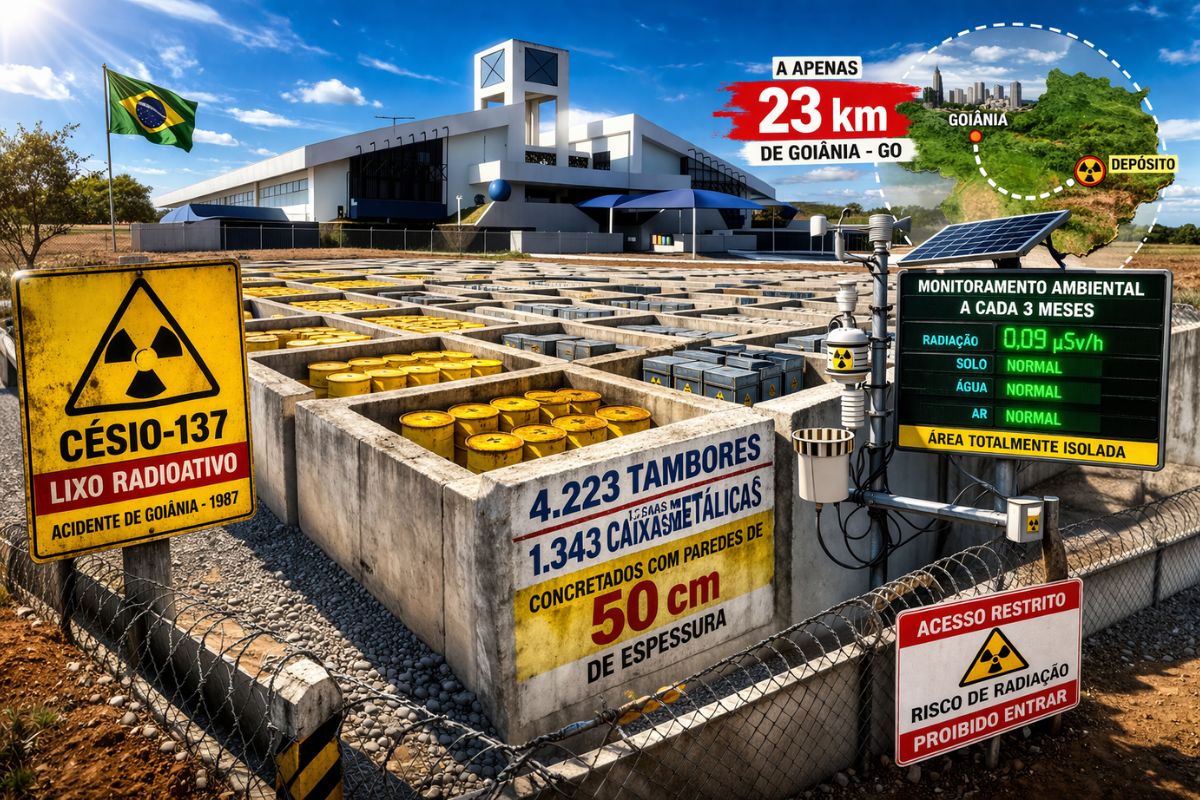
There are 4,223 drums and 1,343 metal boxes concreted with 50-centimeter walls that store the radioactive waste from Cesium-137 in the worst radiological accident in Brazil, just 23 kilometers from Goiânia, with environmental monitoring every three months.
-
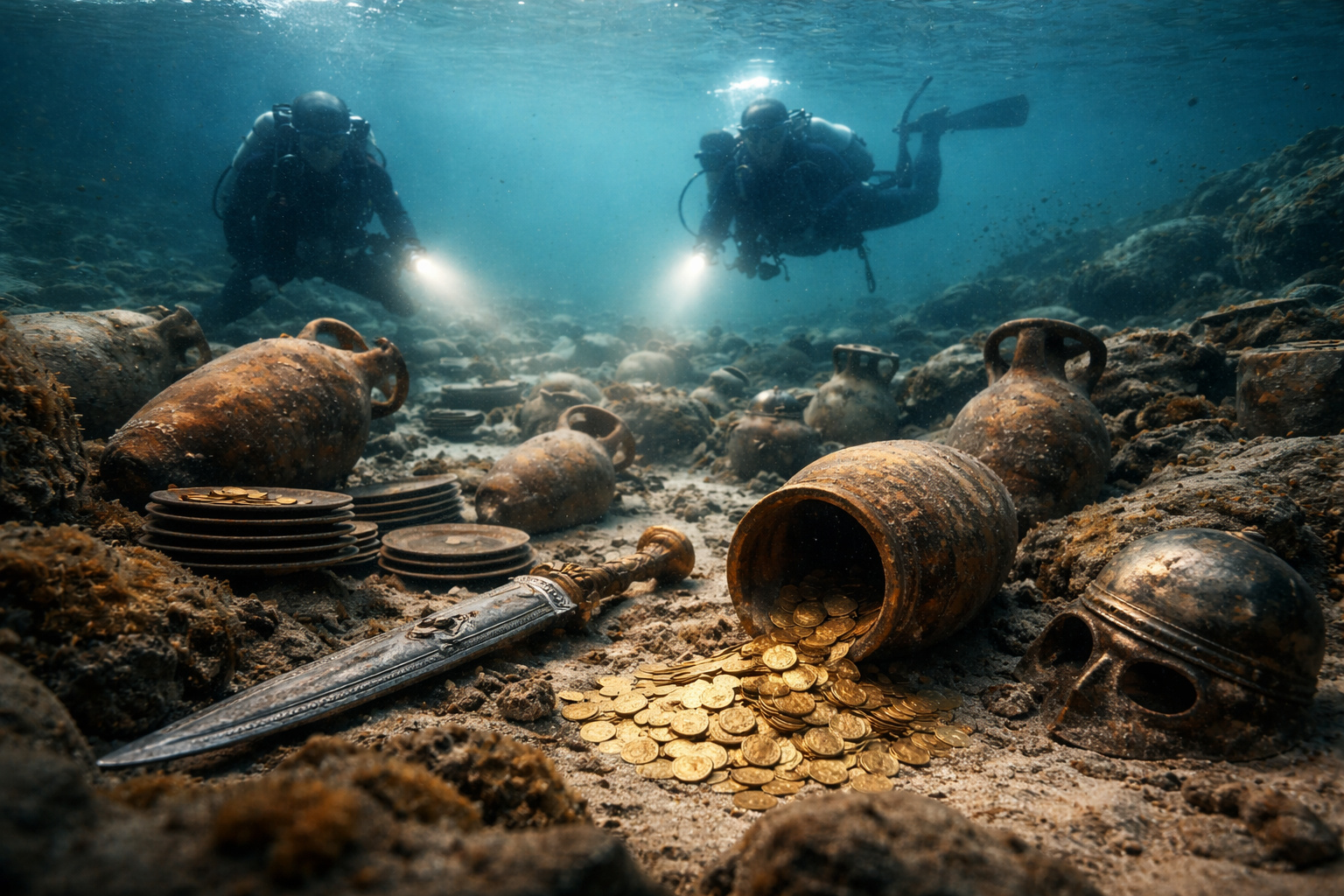
Giant Roman treasure found at the bottom of Lake Neuchâtel in Switzerland reveals an advanced trade system, circulation of goods, and armed escort in the Roman Empire about two thousand years ago.
-
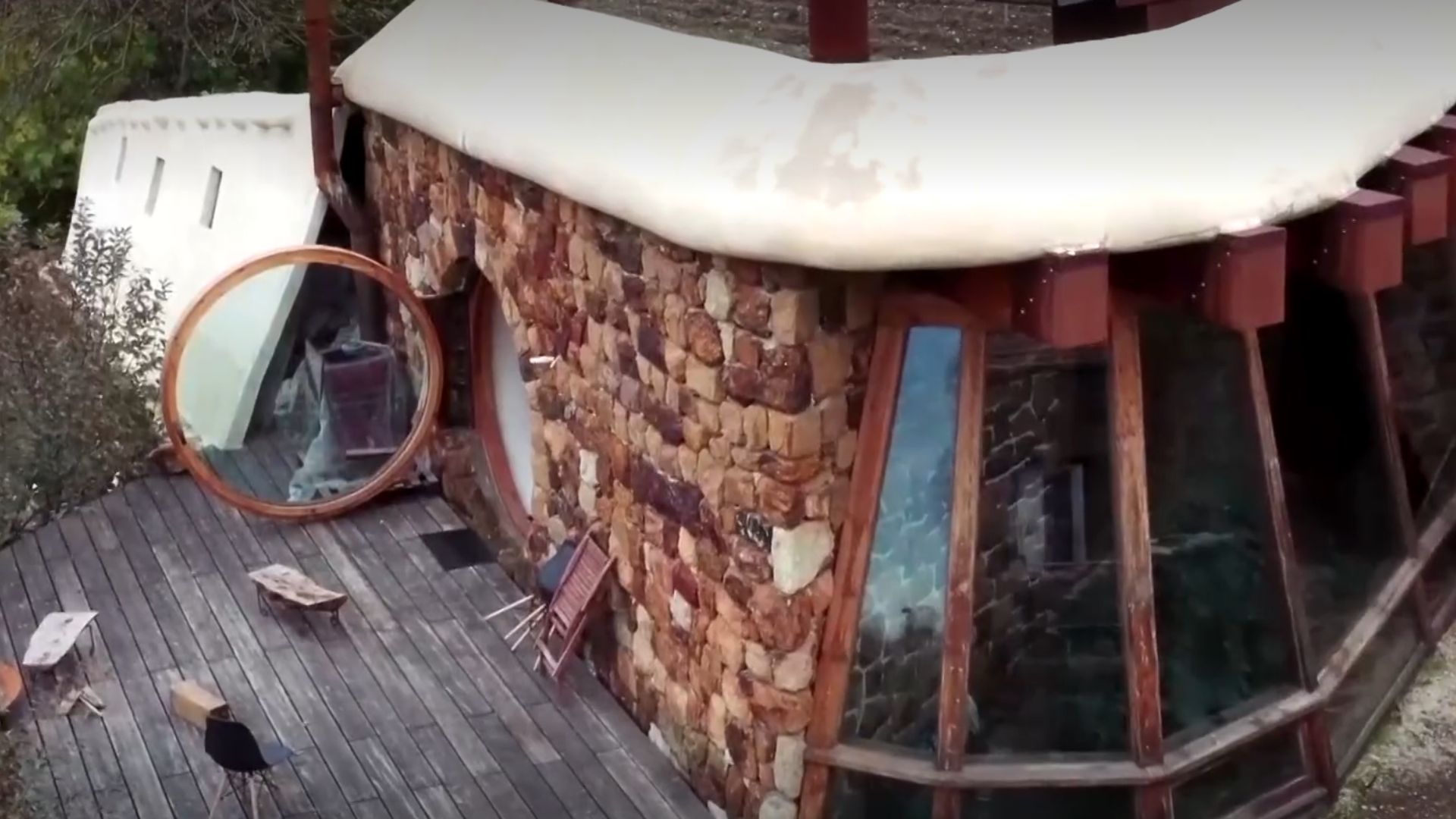
He buried 1,200 old tires in the walls to build his own self-sufficient house in the mountains with glass bottles, rainwater, and an integrated greenhouse.

The Gross Domestic Product is the sum of all wealth produced in the municipality. When this value is divided by the number of inhabitants, we arrive at the per capita GDP.
In Catas Altas, the total GDP approaches R$ 5 billion, driven by large-scale iron ore extraction. Dividing this amount by the 5,706 residents results in around R$ 920 thousand per inhabitant per year. In math, the richest city in Brazil easily outpaces São Paulo and even surpasses countries known for their wealth.
Iron Ore: Where the Wealth of the Richest City in Brazil Comes From

The wealth of the richest city in Brazil does not come from local commerce, nor solely from tourism or agriculture. It comes from underground.
Catas Altas hosts some of the largest iron ore extraction areas in the country, with operations from large mining companies and processing complexes spread throughout the mountainous region.
About 90 percent of the municipal economy depends on iron mining, which involves trucks, trains, giant machines, and generates a chain of direct and indirect jobs.
When all this activity is included in the GDP calculation, the numbers soar and place the municipality at the top of the national ranking for wealth per inhabitant. It is iron that sustains the crown of the richest city in Brazil.
Impressive Comparisons: Catas Altas Against Capitals and Rich Countries
To grasp the difference, one only needs to look at the comparisons made from local data. While the richest city in Brazil shows a per capita GDP around R$ 920 thousand, countries like Luxembourg, a global reference for high income, hover around R$ 730 thousand per inhabitant per year.
In approximate terms, large economies like the United States are around R$ 480 thousand per inhabitant.
When the comparison shifts to within Brazil, the contrast becomes even clearer. São Paulo, the country’s largest economy, has a per capita GDP of around R$ 70 thousand per year, a number that remains twelve, thirteen times below Catas Altas in this account. In graphs, the richest city in Brazil appears as an isolated rocket high up.
Luxury in Numbers, Simple Life in the Routine of the Richest City in Brazil
Despite the grand numbers, the daily life of the richest city in Brazil still resembles that of a classic Minas Gerais countryside.
In the central square, the blooming garden colors the scene, the main church with nearly three centuries stands over the historic houses, and in the background, the Serra do Caraça completes the picture as if it were a hand-painted scene.
The streets are calm, time seems to pass slowly, and the residents know each other by name. Life here still features open windows, conversations on the sidewalk, and people who take pride in belonging to the city. Visitors speak of a beautiful, photogenic place with good food, good conversation, and a mountain climate that effortlessly captivates.
Caraça: History, Faith, and Nature Tied to the Richest City in Brazil
A few kilometers from the center, the Santuário do Caraça helps tell the story of the region and explains part of Catas Altas’ strength. Before hosting pilgrims and travelers, Caraça was a mining territory, a route for bandeirantes, and a strategic point between mountains and streams used in 17th-century gold mining.
There emerged a religious nucleus, a school for elite training, and an architectural ensemble that marked Brazil with education, faith, and political prominence.
The neo-Gothic church, the French stained-glass windows, the library with rare works, and documents from centuries ago reveal a past of study and influence.
The mountains surrounding it complete the picture with trails, waterfalls, rock formations, and biodiversity that make Caraça a natural open-air laboratory.
Biodiversity and Trails: When the Richest City in Brazil Becomes a Nature Destination
The Serra do Caraça functions as an ecological corridor. Between the Atlantic Forest and the Cerrado, microenvironments appear with rare species, lichens that indicate air quality, and vegetation that mixes trees from two biomes in a single scene.
Amidst the trails, the landscape changes according to soil, altitude, and humidity. Cold, soda-colored waterfalls form in natural steps, with pools at different levels.
The hikes, in many sections, are accessible for most visitors and illustrate why nature tourism is on the rise.
For those who enjoy trails, camping, photography, and observing fauna and flora, the richest city in Brazil offers much more than GDP numbers.
Jabuticaba Wine: The Other Wealth That Sustains Catas Altas
When gold went into decline and the mines lost strength, the region had to reinvent itself. In Catas Altas, part of this turnaround came from jabuticaba.
The native fruit, which grows directly on the tree trunk, became the basis for a fermented drink known in the city as jabuticaba wine, now a registered trademark of the municipality.
The tradition began with initiatives from priests and producers, crossed generations, and today involves more than 60 families, who produce about 10 thousand bottles a year.
In many homes and small properties, homemade wine has won awards, loyal customers, and turned into an important source of income. It is proof that the richest city in Brazil also knows how to transform popular knowledge into creative economy.
Minas Gerais Cuisine, Charming Inns, and Rising Tourism
Tourism in Catas Altas is growing supported by three pillars: landscape, history, and good food. In the historic center, there are plenty of restaurants, cafes, and charming little spots where time seems to pass more slowly.
Dishes that mix local ingredients, such as taioba, banana-da-terra, local cheeses, polenta, fried chicken, stews, and homemade sweets, show that Minas cuisine remains strong.
Those staying in inns in the city find a hearty breakfast, authentic hospitality, and a mountain atmosphere that makes any traveler want to stay another day.
The richest city in Brazil has become synonymous for many with a perfect weekend amidst nature.
Dependence on Mining and the Future of the Richest City in Brazil
Despite its charms, Catas Altas’ main challenge lies precisely in the foundation of its current wealth. About 90 percent of the economy depends on iron ore, a finite resource. Local reports mention estimates of a few decades of extraction, varying according to production rates.
Residents, leaders, and experts are already voicing concerns: when the ore runs out, what will happen to the richest city in Brazil?
Without planning, a drop in production could mean fewer jobs, less revenue, and a direct impact on public services.
Therefore, alternatives such as sustainable tourism, valuing local culture, strengthening family-based agribusiness, and encouraging new businesses gain strategic importance to ensure the future.
Pride in Belonging to the Richest City in Brazil
In interviews and conversations, residents express a constant sentiment: pride and attachment to the land. For many, leaving Catas Altas is not an option.
Families with roots dating back to the 18th century, descendants of pioneers, and people who arrived decades ago and never left have built a strong identity.
The discourse is echoed in different voices. The city is seen as a place of tranquility, with neighbors who know each other, opportunities related to tourism, and memories that traverse generations.
The richest city in Brazil, in practice, is a small town where the greatest wealth, for those who live there, remains the feeling of belonging.
Richest City in Brazil: Giant Numbers, Soul of the Countryside
Ultimately, the title of richest city in Brazil speaks of spreadsheets, graphs, and economic comparisons. But those who walk through Catas Altas find another dimension of this wealth.
Mountains, waterfalls, a historic sanctuary, jabuticaba wine, gastronomy, rare biodiversity, welcoming inns, and a community proud of its history create the true portrait of the place.
Between the per capita GDP of R$ 920 thousand and the simple life of those who have coffee on their porch overlooking the Serra do Caraça, Catas Altas proves that wealth is a concept that goes far beyond money.


After learning about the history of the richest city in Brazil, would you be more curious to see up close the GDP numbers or the mountains, waterfalls, and wines that make this place so special?










Trata-se de cidade do interior, com povo simples e da roça. Se a mineradora sair de lá a miséria volta a se instalar. O seminário do Caraça é, praticamente, seu forte no turismo. Caríssimo, por sinal, pelo que entrega.
Assim como Mariana e Ouro Preto, se e quando as mineradoras sairem, a região vai se transformar em um polo de miséria.
Ouro Preto ainda terá o clima e o turismo a seu favor, mas Mariana, além de ser mais quente , não tem infraestrutura para turismo, poucos hoteis e pousadas tem ar condicionado, apesar de ser muito quente no verão, e virou uma favela, com os morros ao lado da cidade tomados por milhares de construções de baixa renda, crescimento totalmente desordenado, desconfigurando todo o encanto da ex-cidade histórica.
Ou haverá um êxodo ou vai se transformar em cidade muito mais violenta do que já é.
A omissão do poder público com verbas destinadas aos de sempre com os habituais desvios ajudam a formar o caos.
Como dizem os moradores de Mariana: BENDITA LAMA, se referindo ao acidente da barragem que promoveu enorme crescimento econômico da região, mas tudo voltado para a mineração, sendo a maior parte desviado e superfaturado.
Gostaria muito de ir viver nesse paraiso
Ver as montanhas, cachoeiras e os vinhos de jabuticaba