





 Portuguese
  English
  Spanish
  6 min of reading
  0 comments


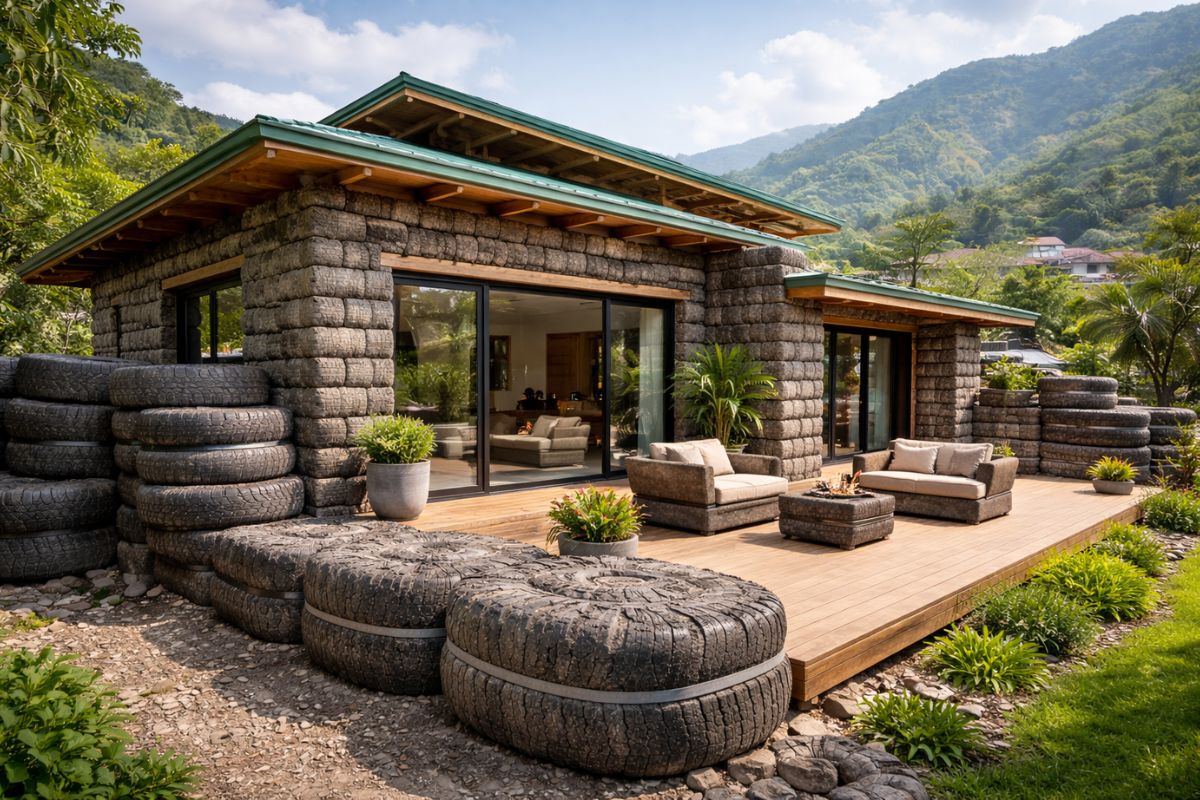
In Colombia, Alexandra Posada uses discarded tires to raise houses in Choachi with blocks weighing 200 to 300 kilograms filled with earth, creating waterproof roofs, insulation against heat and cold, and a constructive response to a country that disposes of 5.3 million tires annually without sufficient treatment to date.
The tires that often end up abandoned on roads and lots in Colombia have found a different fate in the mountains of Choachi. Under the guidance of Alexandra Posada, they cease to be an environmental burden and become walls, roofs, terraces, and steps of a house that stands precisely on what the country cannot discard properly.
The idea may seem unlikely at first glance, but the method is straightforward. Trucks unload the tires, the team fills them with earth and transforms each piece into a block weighing 200 to 300 kilograms, which is subsequently stacked around iron rods. What was bulky waste turns into heavy, flexible, and durable structure, in a type of construction that aims to address both housing and waste issues simultaneously.
How Alexandra Posada Transformed Tires into Building Blocks

Alexandra Posada says she obtains the tires for free because discarding them is, in itself, a problem for many people.
-
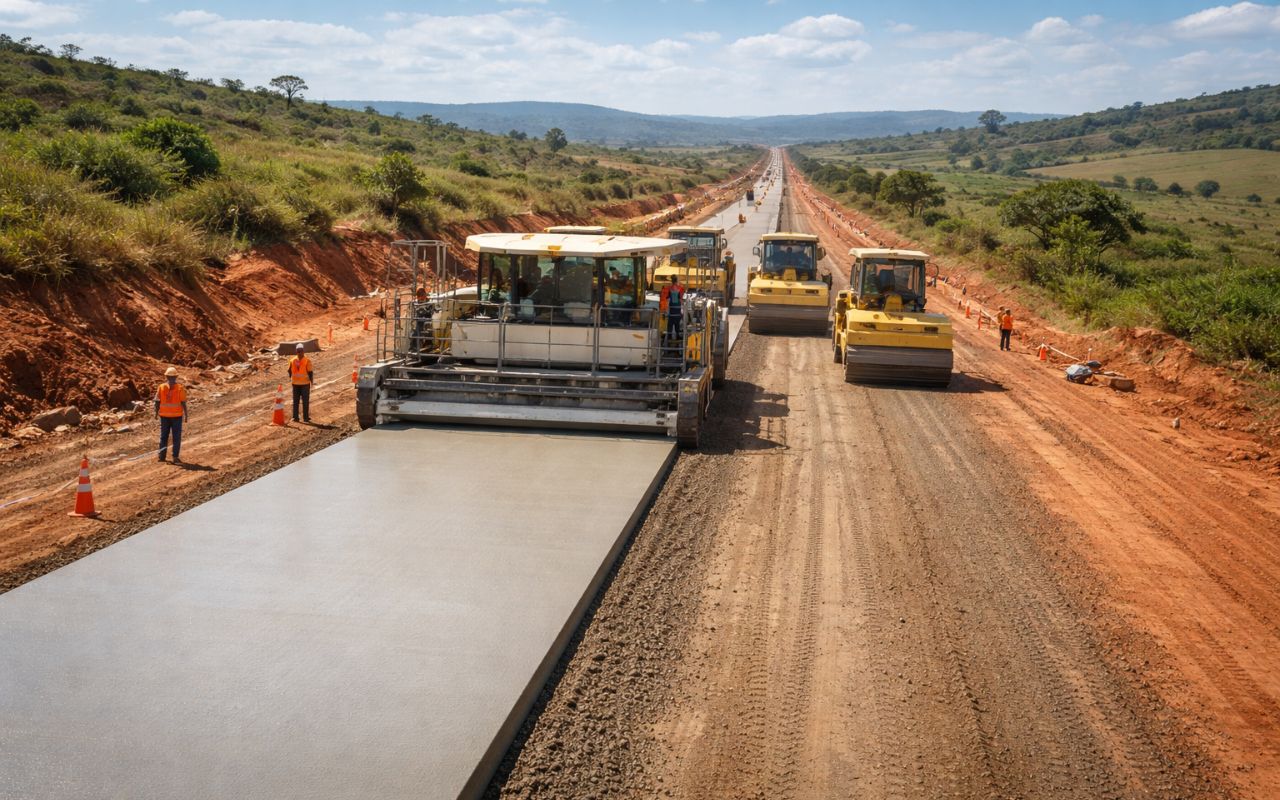
New CCR concrete paving technology promises roads up to 3x more durable, less maintenance, and cost reduction in Brazil.
-
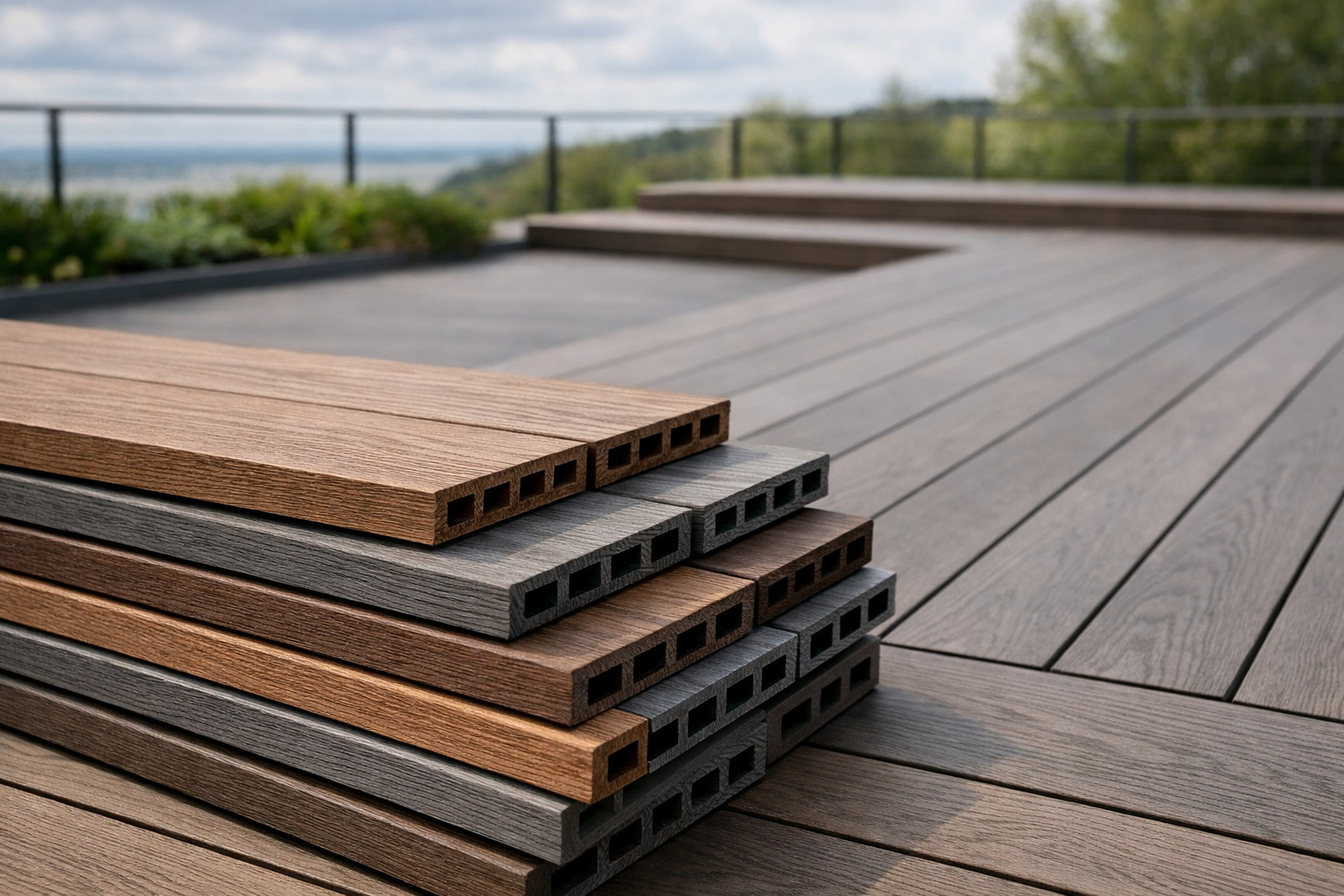
Made from recycled plastic, plastic wood is gaining space in the construction industry because it does not rot, resists moisture, and reduces maintenance costs over the years.
-
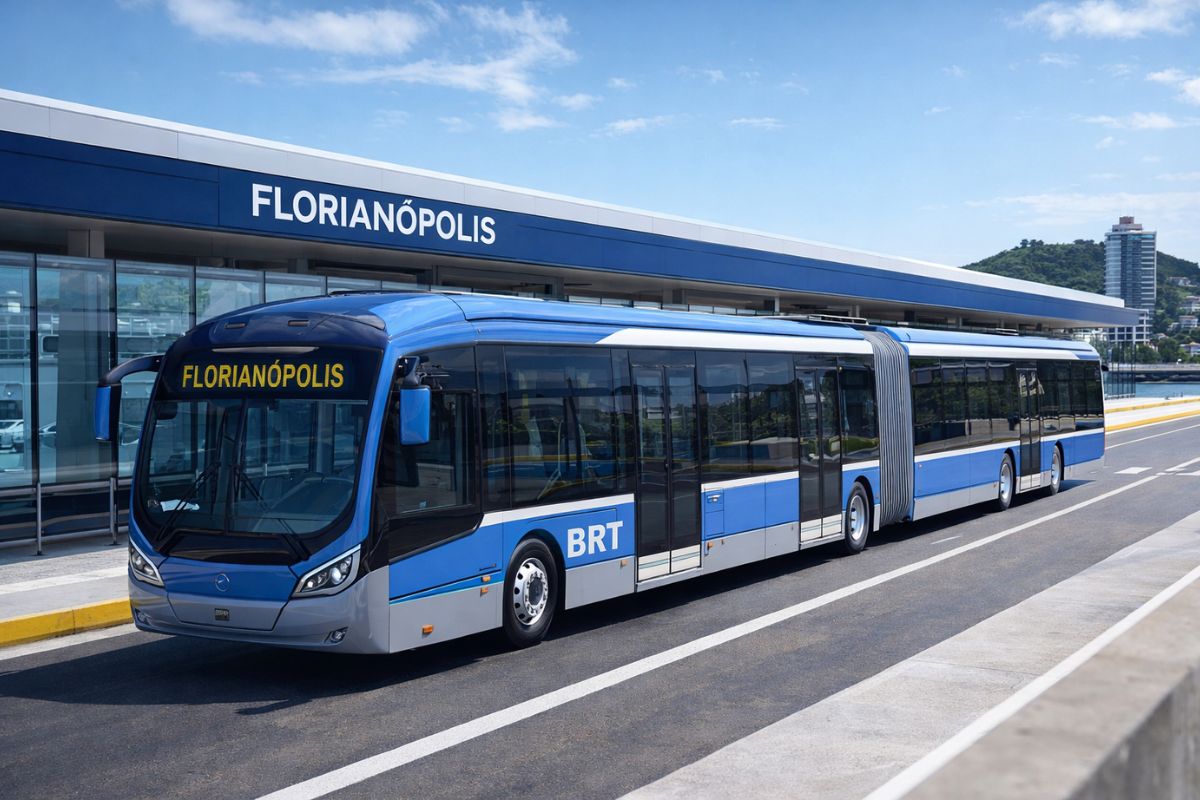
Florianópolis will receive a million-dollar BRT that will begin construction in 2026 with nearly 400 million in funding from the federal government and the Inter-American Development Bank, and the map already shows the routes for the exclusive bus corridors.
-
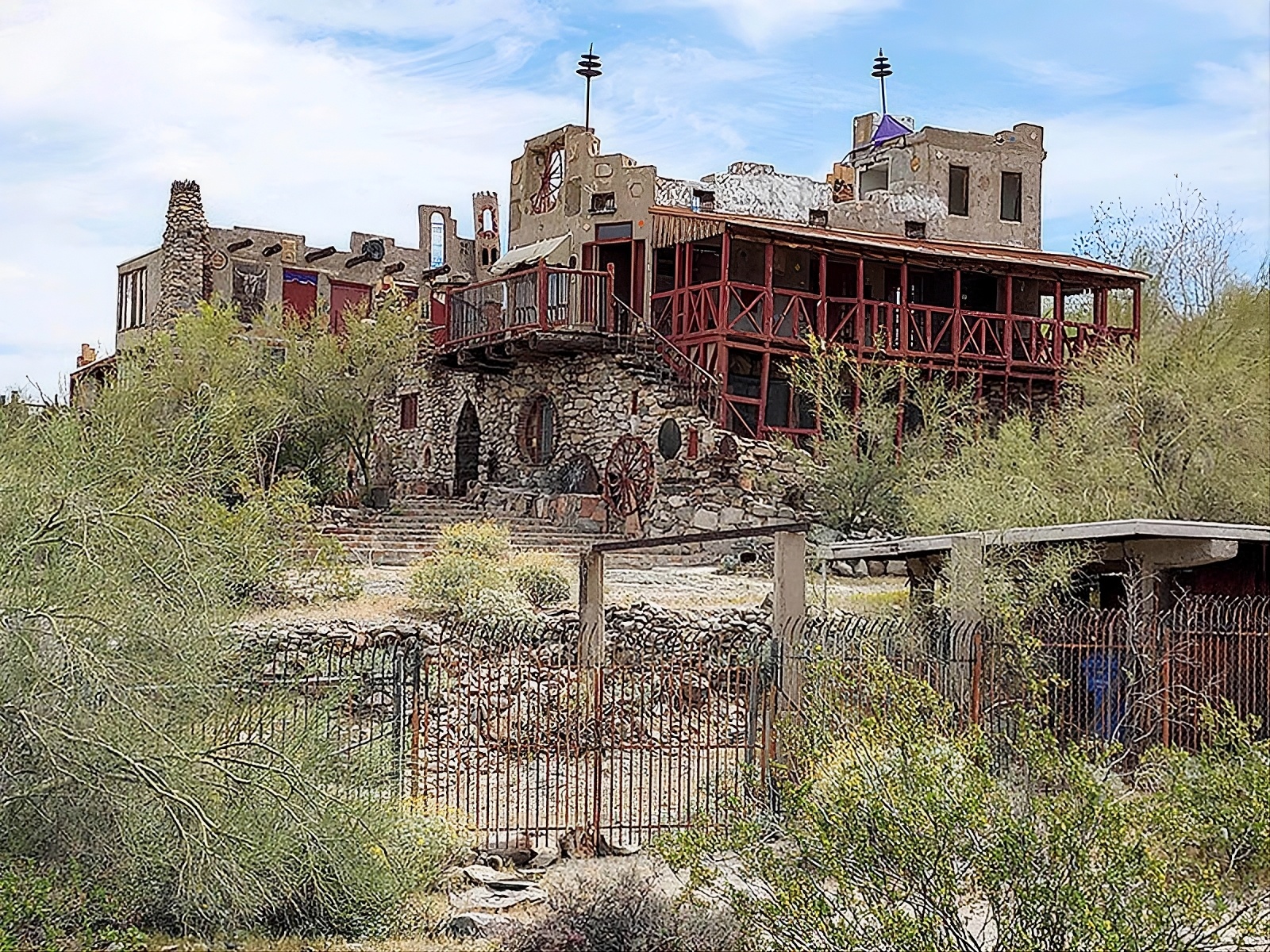
Without a blueprint, without an engineer, and using scrap from the dump, a father spends 15 years building an 18-room castle for his daughter, featuring tram tracks, 13 fireplaces, and over 700 m², which may now be demolished.

The logic of the project arises precisely from this impasse. If the material takes thousands of years to decompose and takes up space, pollutes the landscape, and often ends up being burned, then using it as a structural base becomes a way to convert a problem into a resource.
In Choachi, Alexandra Posada and her team take everything from truck tires to car tires and fill them with earth. Each unit becomes a huge, heavy block, with enough mass to form the base of the houses.
There is no empty sophistication in this process: the strength of the proposal lies in using an abundant, cheap, and difficult-to-remove waste as the main component of the masonry.
The final design also deviates from conventional linear standards. The houses resemble small igloos displaced in the landscape, with circular structures erected around iron rods.
This form is not just aesthetic. It helps distribute load, reinforce stability, and maintain the flexibility of the whole, an important feature in an Andean region with seismic activity.
Describing the result, Alexandra Posada summarizes the logic almost brutally: if tires take millennia to decompose, then, used in construction, they can become “practically eternal bricks.”
The phrase is simple but speaks volumes about the project. The wall is born from the same material that the waste cannot destroy.
Why These Houses Withstand the Climate and Tremors

The houses constructed in Choachi do not rely solely on the weight of the tires. The system works because it combines mass, elasticity, and complementary layers.
The blocks are stacked to form structures that are both solid and flexible, capable of insulating against heat and cold and, according to the proposed plan, also better withstanding the earthquakes common in this region of the Andes.
In the bedrooms and kitchen, the ceilings are rounded and made of cement and steel. Over the living room and dining room, flat ceilings made of wooden boards appear.
In both cases, there is another layer of tires on top, forming a closure described by Alexandra Posada as almost non-degradable and waterproof.
The waste is not just hidden within the wall; it rises to the top of the house and assumes a total protective function.
The final finishing also seeks to break the automatic association between recycled material and a shabby appearance. The walls receive beige mortar made of lime and sand, acquiring a smooth adobe-like aspect.
Old glass bottles are inserted into the masonry to break the surface with color points, while other bottles are used vertically in the ceilings to form skylights with a pixelated stained glass effect.
This helps explain why the project is not limited to erecting makeshift shelters. The houses of Choachi seek thermal comfort, indirect lighting, and their own visual identity.
The construction with tires does not appear as an ugly solution that works despite the material, but as a solution that tries to draw beauty precisely from the rejected material.
The Size of the Problem That Colombia Disposes of Every Year

The strength of the project only makes complete sense when looking at the scale of waste disposal in Colombia.
According to the data cited in the report, the country disposes of more than 5.3 million tires annually, nearly 100,000 tons of rubber.
It is an enormous volume of waste that is difficult to store, difficult to collect, and too slow to disappear on its own.
Much of this tires ends up abandoned in piles along the roads or burned to disappear from sight, adding more pollution to the air.
In Bogotá, a sprawling and congested city, this disposal exacerbates a scenario already pressed by smoke and urban saturation.
The old tire is not just a piece of rubber; it is a problem of public space, landscape, and environment.
Francisco Gomez, who heads the Ministry of Environment’s response to the issue, sums this up directly by stating that it is a huge problem for public space, the environment, and the landscape.
Manufacturers and importers are only required to recycle about 35% of the total consumption in the country.
There is also an operational obstacle that helps explain the persistence of the problem. Urban cleaning workers are not responsible for removing abandoned tires, as the material is classified as “special waste.”
This creates a sort of administrative gray area. Everyone recognizes the liability, but the removal structure remains small compared to the mountain of rubber that Colombia produces.
When Trash Becomes Wall, Roof, and Learning Experience
Up to the moment described in the report, Alexandra Posada had already used around 9,000 old tires in the walls, roofs, terraces, and steps of her rubber “igloos.”
This number helps to take the project out of the realm of a symbolic example and place it in the field of real application.
This is not an isolated experimental unit, but a repeated practice in several houses in the mountains of Choachi.
The mason William Clavijo, one of the workers on the team, sums up the most immediate effect of the experience by saying that the work has taught him to value things.
The phrase may seem simple, but it carries the core of the project.
What the city treats as trash without value returns in the construction as an essential structure, hidden under layers of mortar but supporting the entire house.
This kind of transformation also reveals an important difference between recycling and repurposing. In the case of Choachi, the tires do not undergo complex industrial reprocessing to become another product.
They are used almost directly, with earth, iron bars, and coating, which reduces steps and preserves the logic of low cost for a material obtained for free by Alexandra Posada.
In the end, the project shows that civil construction can serve as a final destination for waste that formal systems cannot absorb at a sufficient scale.
But it also raises a bigger question for Colombia: how many environmental liabilities continue to be treated merely as dirt because no one has yet decided to redesign them as raw material?








-

-

-

-

-

23 pessoas reagiram a isso.