





 Português
  Inglês
  Espanhol
  4 min de leitura
  5 comentários


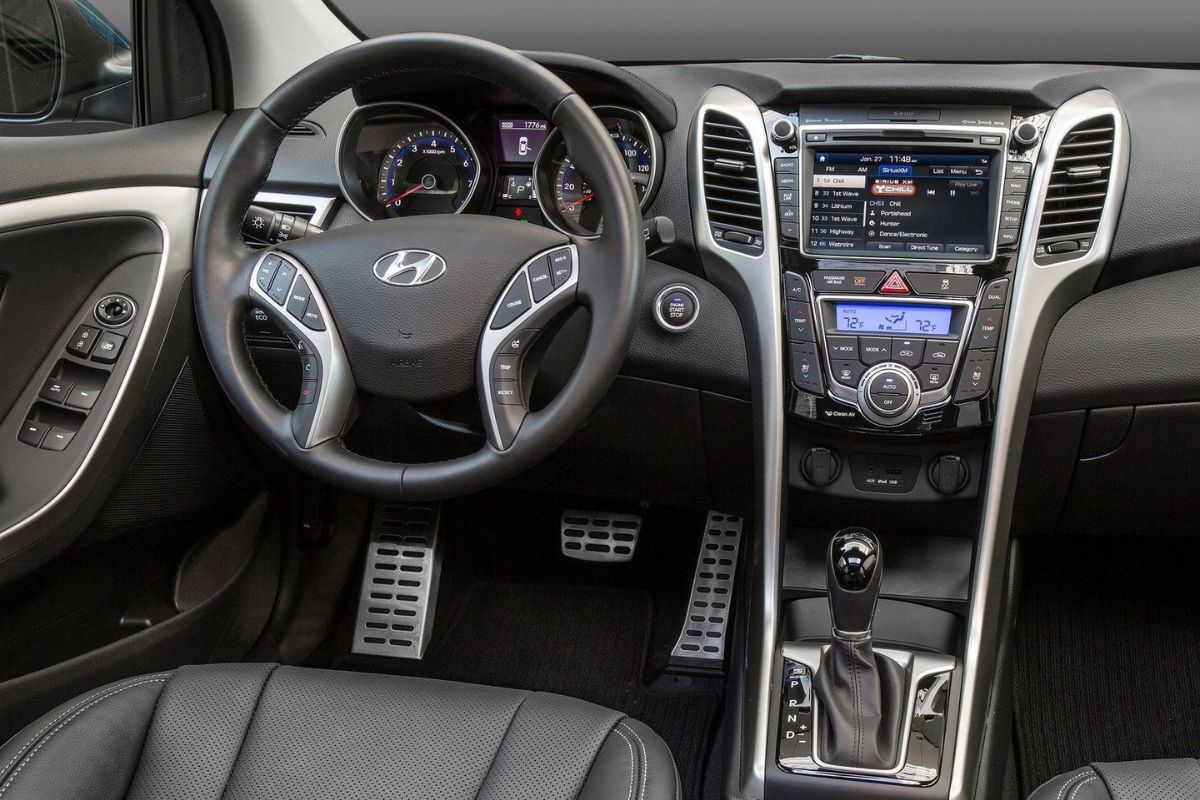


Hyundai Elantra: 2.0 Flex Sedan with Sunroof, Dual Zone Air Conditioning, and 6-Speed Automatic Transmission for R$ 65 Thousand
The Hyundai Elantra combines a 2.0 flex engine, a six-speed automatic transmission, dual zone air conditioning, and electric sunroof in a complete package for the midsize sedan segment. The proposal targets those seeking comfort, features, and predictable maintenance, priced around R$ 65 thousand in the used car market.
In terms of equipment and construction, the Hyundai Elantra stands out as a real alternative to more obvious choices in the category. Six airbags, stability control, and hill start assist elevate the safety standards, while the ergonomics and finish support daily use and long trips with a good amount of silence on board.
Design and Equipment Package
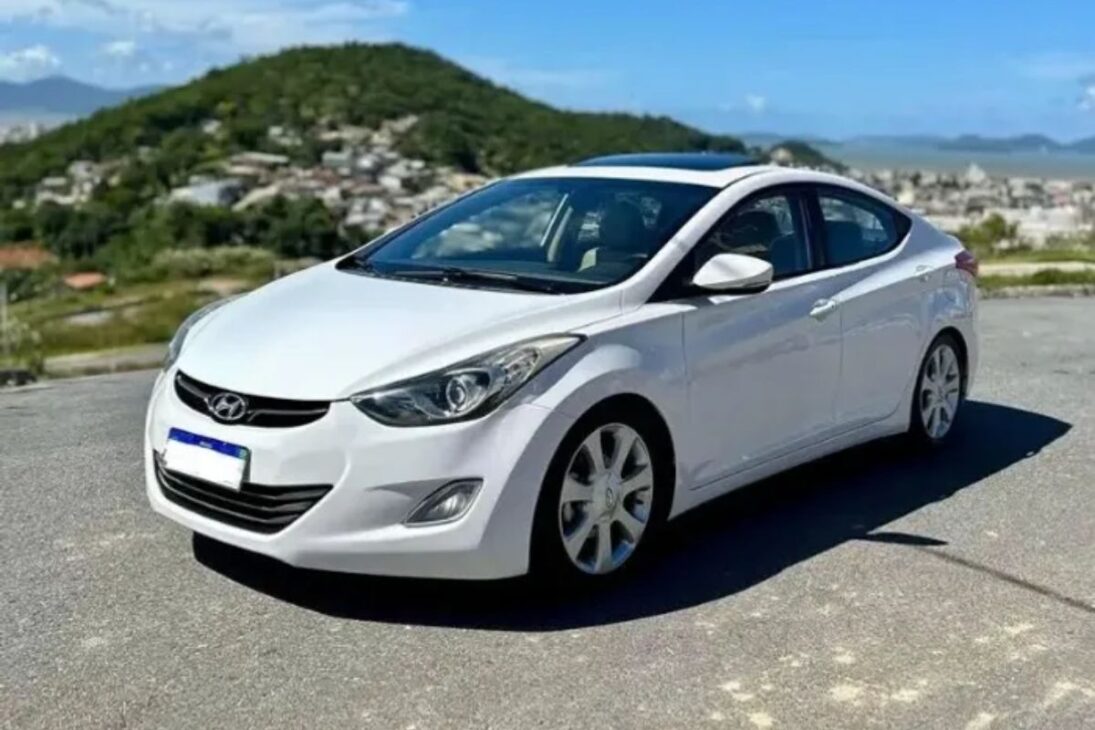
The 5th generation body measures 4.53 m in length, 1.77 m in width, 1.44 m in height, and has a wheelbase of 2.70 m, dimensions that balance stability and maneuverability.
-
While the industry rushes towards automation, Omoda & Jaecoo bets on technology with a human touch and reveals its global mobility plan for 2026.
-
In just 1 year, JAECOO surpasses 7,000 units of the J5 EV delivered in Indonesia and consolidates trust in the Asian market.
-
With awards in various countries, the Jaecoo 7 is establishing itself globally and accelerating the expansion of Omoda & Jaecoo in the hybrid SUV market.
-
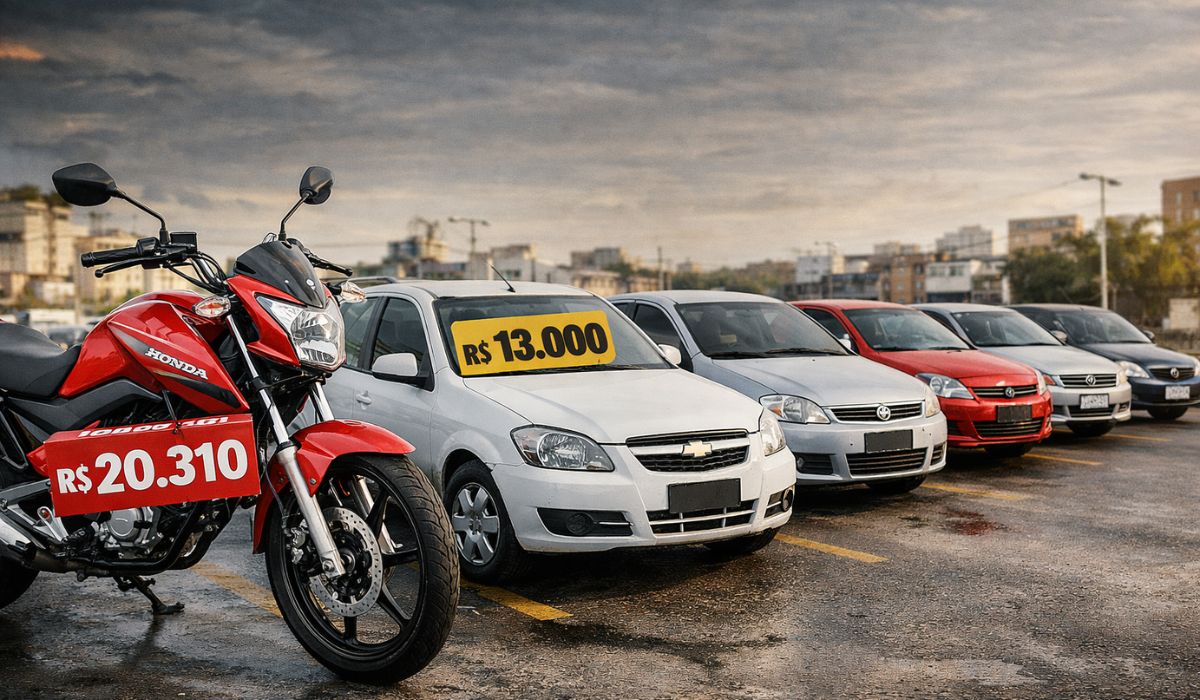
5 cheapest used cars than a Honda CG 160 Titan 0 km, with options starting at R$ 13,000 for those who want to trade their motorcycle for a car and escape the rain, sun, and risks of riding.

The declared trunk capacity is 420 liters, and the split rear seats enhance versatility when needed.
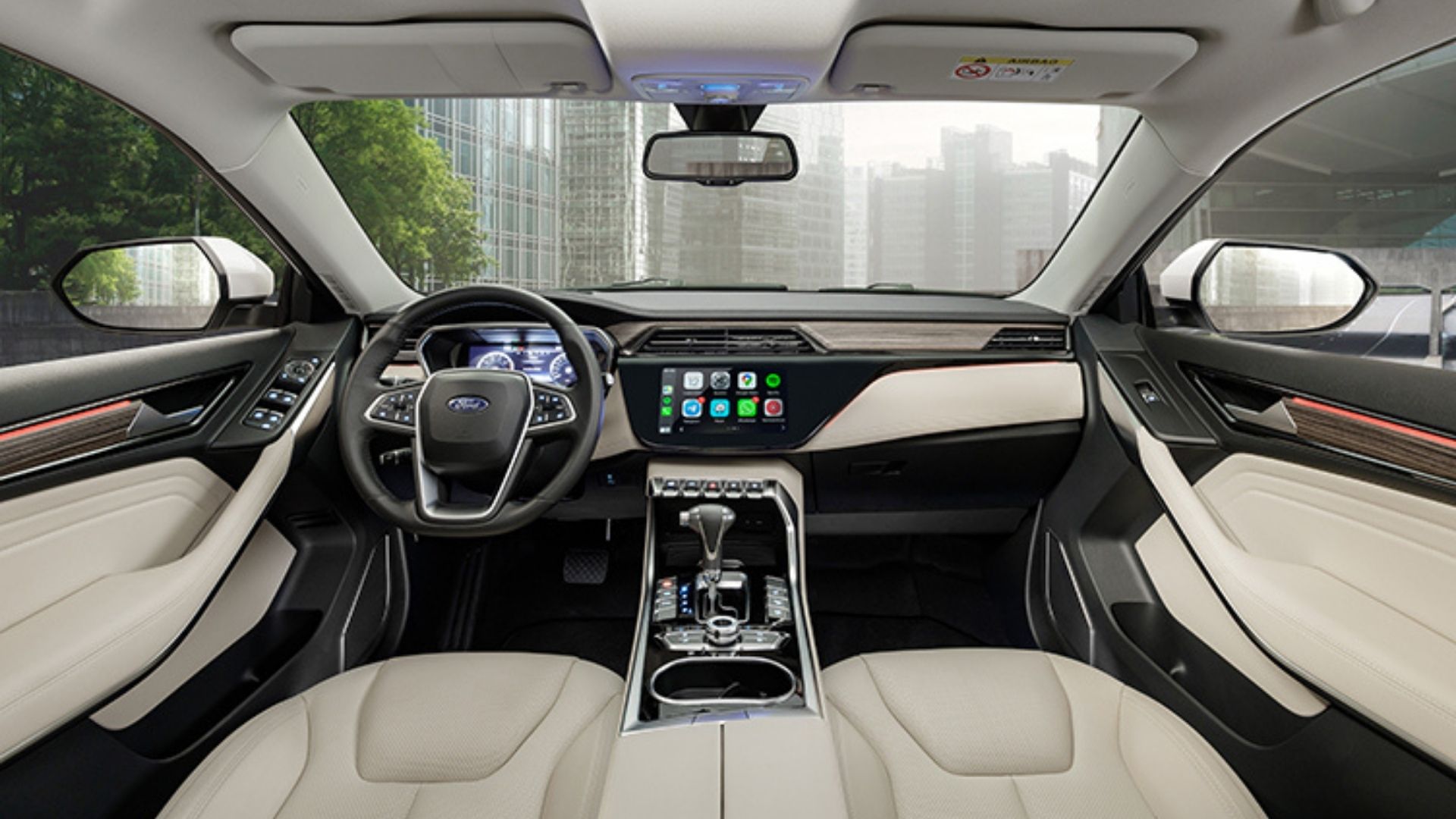
At the top of the equipment, the model features sunroof, dual zone air conditioning, keyless entry, rearview camera, and parking sensors.
The dashboard combines soft-touch plastics in key areas with solid assembly, and the multifunction steering wheel integrates cruise control and media commands to minimize distractions.
Space, Ergonomics, and Finish
In the back, the nearly flat floor aids family use, and the armrest with cup holders enhances comfort on long trips.
The driving position is spacious, with electric adjustment for the driver’s seat, including lumbar support, which favors correct postures on trips.
There are typical attention points of the design: the central rear seat belt is lap-only, and there is no headrest for the middle passenger.
Even so, the overall fit and finish, sealing, and acoustic insulation provide a feeling of superior quality on the road.
Engine, Transmission, and Performance
The 2.0 flex engine delivers up to 178 hp on ethanol (169–168 hp on gasoline) and 20 kgfm at 4,700 rpm.
The power delivery curve is linear, performing well for urban use and ensuring safe overtaking on highways.
In practical numbers, the 0 to 100 km/h takes about 10.5 s, assisted by the correct gearing of the six-speed transmission.
The automatic transmission A6MF1 is known for its robustness and smooth shifting.
The sequential mode on the selector helps on downhill slopes and acceleration, and the calibration prioritizes comfort without sacrificing response when the accelerator demands more.
Steering, Suspension, and Brakes
The electric steering of the Elantra is light during maneuvers and firm enough at cruising speed, providing a good center feel.
With 205/60 R16 tires, the independent suspension prioritizes comfort and keeps the body controlled over bumps and medium-radius curves.
In terms of brakes, ventilated discs at the front and solid discs at the rear provide predictable pedal feel and consistent stopping power.
The stability control operates discreetly, preserving the trajectory when the road surface deteriorates or when the driver overdoes acceleration on takeoff.
Fuel Consumption and Daily Use
In real urban use, the 2.0 flex records typical averages for the displacement: on ethanol, expect something between 5 and 6.5 km/l, while on gasoline it ranges around 8 to 9 km/l, depending on traffic and terrain.
On the highway, the sixth gear lowers the rpm, and the averages tend to improve to the double-digit mark with progressive driving.
The tuning of the ride is a high point of the overall package.
The car effectively filters out cobblestones, potholes, and repairs, and the internal environment remains calm, even with high mileage.
It is a sedan that invites long trips, without losing its suitability for daily journeys.
Preventive Maintenance and Parts Availability
The maintenance routine is straightforward and competitively priced for the category.
Oil and filter changes cost around R$ 350 per cycle, while a set of shock absorbers with mounts and bump stops typically ranges between R$ 1,600 and R$ 2,500.
Spark plugs cost around R$ 170 and coils range around R$ 800 to keep the ignition system healthy.
There are also stabilizer links (≈ R$ 160 per pair), control arms with pivots and bushings (≈ R$ 500 to R$ 800 per pair), valve cover gasket (≈ R$ 400), radiator (≈ R$ 1,000), and water pump (≈ R$ 350).
The chain-driven timing system eliminates the need for periodic belt changes, reducing a classic expense item for competing sedans.
Focusing purchases on high-quality components avoids rework and keeps the car solid over time.
Tires, Wheels, and Ride Comfort
The specification 205/60 R16 favors impact absorption and low rolling noise, without compromising steering.
On very rough roads, this profile helps reduce harsh impacts and preserve suspension components, optimizing the total cost of use in the medium term.
For those prioritizing aesthetics, 17-inch wheels may be tempting, but it’s worth considering the impact on comfort and tire prices.
Correct tire pressure and proper alignment make an immediate difference in ride quality.
For R$ 65 thousand, the Elantra competes with established midsize sedans. The key selling point of the Hyundai is the closed package: six airbags, stability control, six-speed transmission, dual zone air conditioning, and sunroof.
It is the logical purchase for those wanting content and comfort without paying the premium for more recognized names.
In summary, the Hyundai Elantra meets the needs of those who drive a lot on asphalt, prioritize silence, ergonomics, and predictable maintenance, and value real comfort and safety features.
For this user, the cost-benefit is clear and the choice tends to be rational.
Would you place the Hyundai Elantra at the top of your list for R$ 65 thousand, or do you think another midsize sedan offers a better package in this range?









Eu tenho um 2012 muito confortável para viagem já fiz 4 viagem de 800 quilômetros cada viagem não tive problema
Eu tenho um ano 2013 a 4 anos já eu amo ❤️
Esse carro, se lançar um novo com o mesmo designer eu compraria.
Sim colocaria, ótimo veículo.