





 English
  Francês
  Alemão
  Italiano
  Japonês
  Norueguês
  Portuguese
  Spanish
  4 min of reading
  0 comments


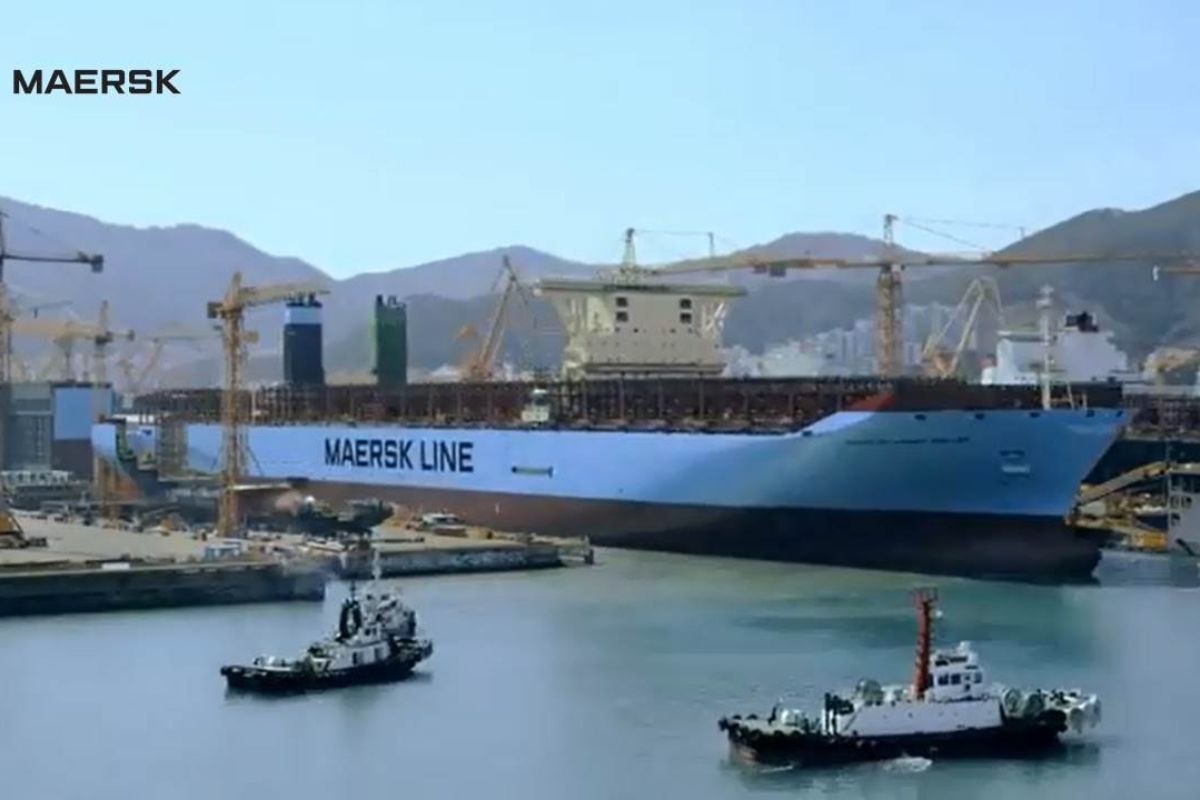
Designed to Transport Gigantic Volumes of Goods Between Asia and Europe, the Maersk Triple-E Class Ships Combine Extreme Scale, Giant Engines, and Advanced Naval Engineering to Reduce Logistics Costs and Change the Way Billions of Tons of Cargo Cross the Oceans
The Maersk Triple-E Class Ships are among the largest cargo ships ever built by the global shipbuilding industry. Measuring nearly 400 meters in length and capable of carrying up to 18,270 containers, these vessels have redefined the limits of modern maritime transport.
Created to operate on the major trade routes of the planet, the Maersk Triple-E Class Ships were designed to move gigantic volumes of goods between continents. The result is a combination of scale, energy efficiency, and global logistics that has transformed the economy of international trade.
The Emergence of the Maersk Triple-E Class Ships
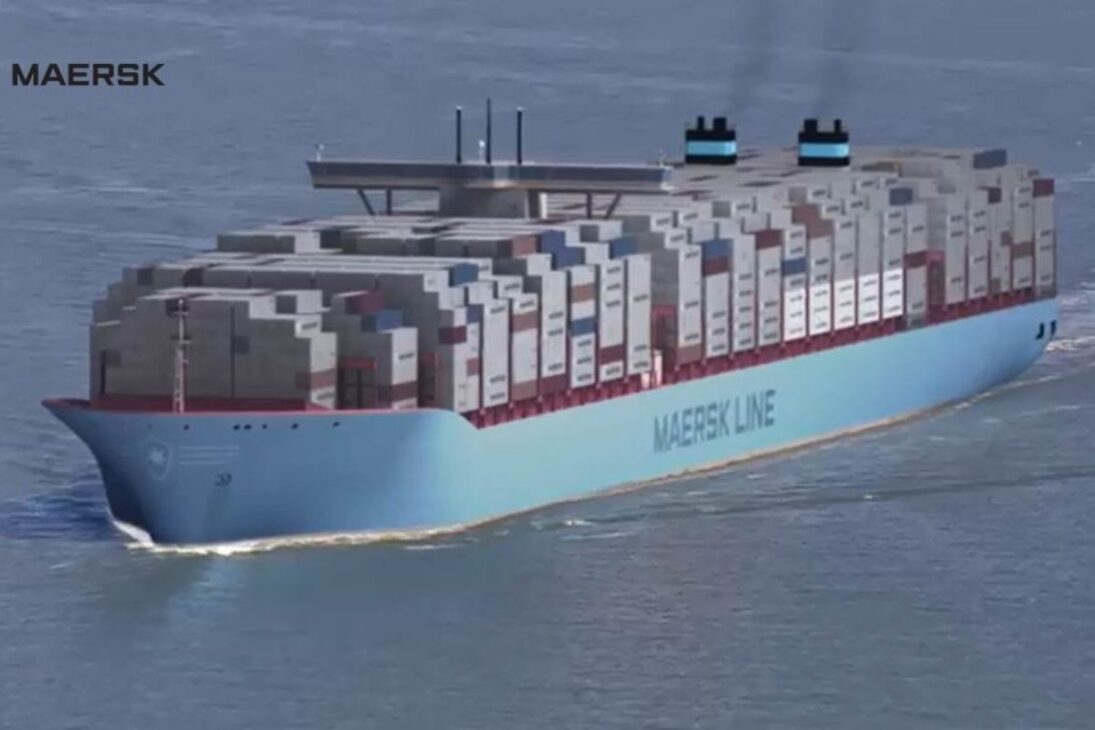
The Maersk Triple-E Class Ships were born at a time when global trade required increasingly efficient logistical solutions.
-
Seen from space, a colossal ‘Y’ cuts through the largest desert in China, blending a jade-filled river, red and white mountains, and revealing the absurd scale of the transformation of the Taklamakan surrounded by a green wall with billions of trees.

-
The Pacific Ocean reveals what the cliffs of Big Sur have hidden for millennia: Pfeiffer Beach, in California, features swirling purple sand formed by garnet crystals and displays a stone arch that is illuminated by the sun in winter for just a few days each year.

-
Aursjøvegen in Norway is a 100-kilometer gravel road that crosses chasms and dark tunnels carved into the rock at an altitude of 947 meters in the fjords and is only open for four months a year.

-
With about 4,000 m², the building constructed in a traditional neighborhood in France looks like a rainbow, has a colorful facade, mixes vibrant glass, and creates one of the most unusual visuals in Bordeaux.


The growth of trade between Asia, Europe, and other regions led shipping companies to seek vessels capable of carrying more cargo on a single trip.
It was in this context that the Danish giant Maersk decided to invest in a new generation of cargo ships.
The goal was simple but ambitious: to build some of the largest container ships ever put to sea.
The Maersk Triple-E Class Ships received their name from three central concepts of the project: economies of scale, energy efficiency, and environmental performance.
Gigantic Dimensions That Redefined Maritime Transport
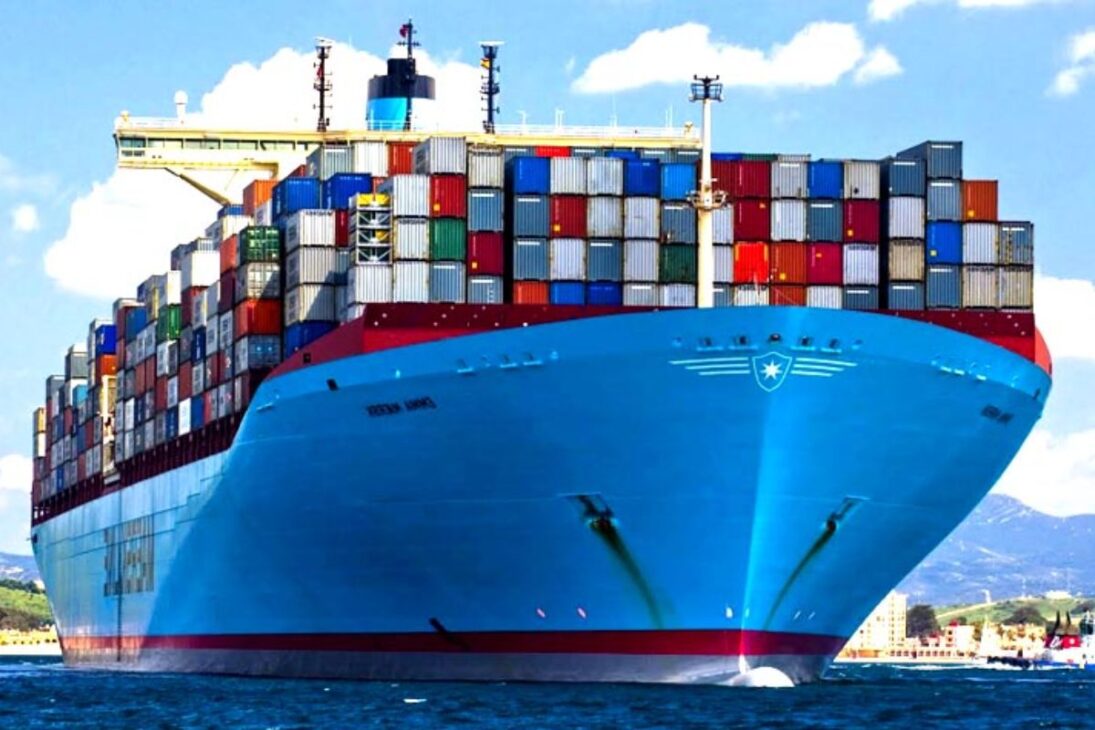
The proportions of the Maersk Triple-E Class Ships impress even within the shipbuilding industry.
Each vessel measures nearly 400 meters in length, which is equivalent to the size of four football fields laid end to end.
Furthermore, the ship can carry up to 18,270 containers, each loaded with products ranging from electronics and clothing to food, machinery, and industrial equipment.
This gigantic capacity allows for carrying cargo valued at hundreds of millions of dollars in a single trip.
The scale of these vessels has profoundly transformed the functioning of global supply chains.
Engineering and Construction in Giant Shipyards
The construction of the Maersk Triple-E Class Ships involves one of the most complex industrial operations in modern naval engineering.
The hull is assembled in enormous steel blocks that are manufactured separately and then positioned in gigantic dry docks.
Each block can reach several meters in height and weigh hundreds of tons.
When combined, these blocks form the colossal structure of the ship.
The assembly must be extremely precise, as any structural error can compromise the vessel’s performance.
Additionally, construction occurs under the pressure of strict schedules.
In many cases, the complete process of assembly and testing occurs in just over 38 weeks.
Giant Engines and Efficiency in Global Transport
Despite their impressive size, the Maersk Triple-E Class Ships were not designed solely to be large.
They were also intended to reduce maritime transportation costs.
Each ship uses two enormous main engines, capable of generating over 40,000 horsepower each.
These engines propel the vessel at speeds approaching 16 knots, sufficient to maintain a steady flow of goods between the world’s major ports.
The result is enormous efficiency in cost per container transported.
The more cargo the ship can carry on a single trip, the lower the logistical cost per product tends to be.
The Role of the Maersk Triple-E Class Ships in Global Trade
Today, maritime transport moves trillions of dollars in goods every year.
A large portion of this flow depends on container ships like the Maersk Triple-E Class Ships.
They operate primarily on routes connecting Asia and Europe, which are considered some of the most important arteries of global trade.
Electronic products, clothing, industrial equipment, and countless everyday items cross the oceans inside these containers.
Many of the products present in people’s daily lives have likely passed through a ship of this type at some point in the logistics chain.
This demonstrates how these giant vessels are fundamental to the functioning of the global economy.
The Maersk Triple-E Class Ships represent a milestone in the history of naval engineering and global maritime transport.
With gigantic dimensions, powerful engines, and enormous cargo capacity, these vessels have changed the scale of international trade.
They illustrate how far the shipbuilding industry can go when technology, logistics, and the global economy work together.
But the question that remains is inevitable.
The Maersk Triple-E Class Ships are already among the largest cargo ships on the planet — yet the industry continues to strive to build even larger vessels.
In your opinion, is there a limit to the size of these giants of the sea, or will we see even more colossal ships in the future?









-

-

-

-

-

-

19 pessoas reagiram a isso.