





 Portuguese
  English
  Spanish
  3 min of reading
  0 comments


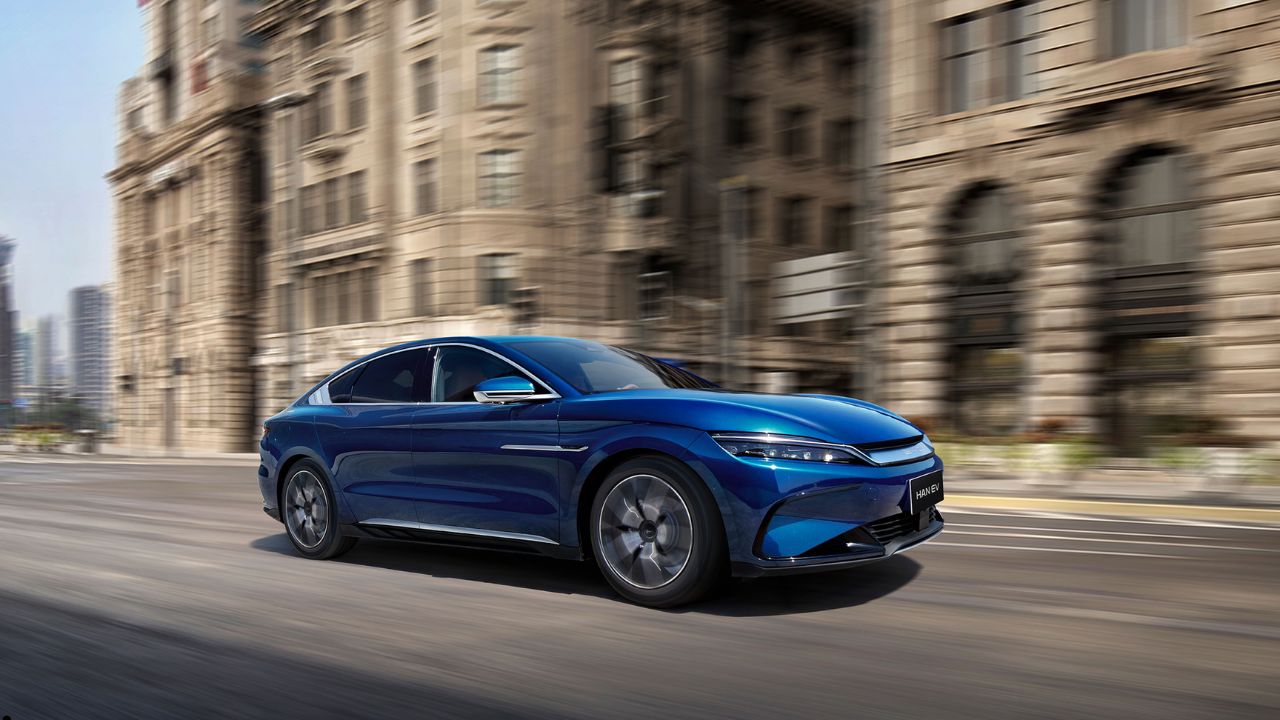
The Drop in Lithium-Ion Battery Prices Promises to Make Electric Vehicles More Affordable in the Coming Years.
Imagine a world where electric cars are not only an eco-friendly option but also the most economical choice for your wallet. Seems like a distant dream? Well, this future is closer than you think! With the staggering drop in battery prices, electric vehicles are poised to dominate the streets and garages around the globe.
The Drop in Battery Prices
Lithium-ion batteries, the heart of electric vehicles, have seen a significant reduction in costs in recent years. Since 2014, the average price of these batteries has fallen from US$ 290 per kilowatt-hour to US$ 103 in 2023, representing a decrease of approximately 64%. This downward trend is driven by technological advances, increased large-scale production, and greater efficiency in the supply chain.
China, the leader in battery production, has played a crucial role in this cost reduction. The country dominates the global market, accounting for over 70% of worldwide production, which has pressured prices downward and made electric vehicles more accessible.
-
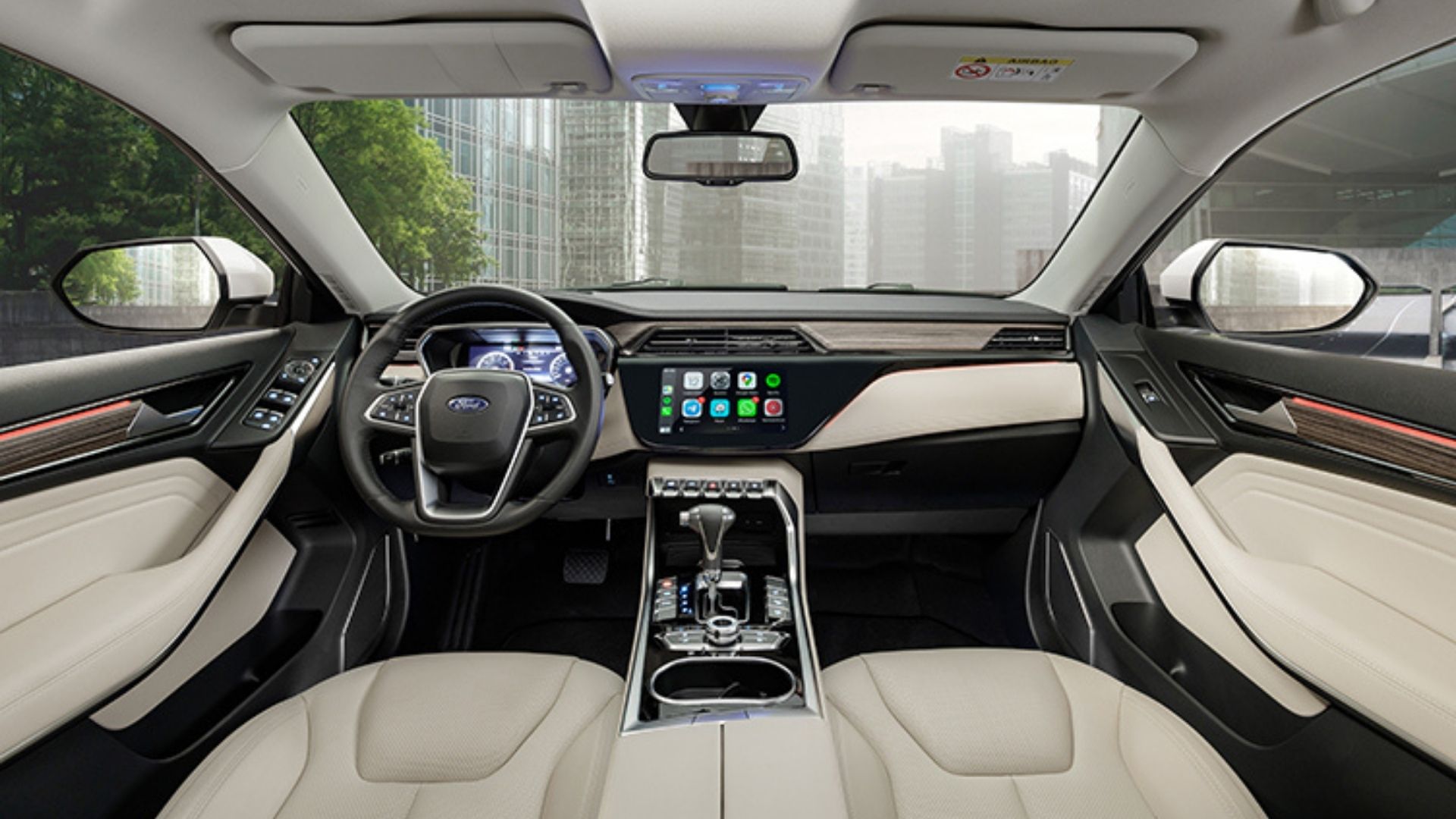
Around R$ 24,000: 4 used Ford SUVs with up to 253 hp, V6 engine, all-wheel drive, 7 airbags, panoramic sunroof, and a complete package that surprises with its price and performance in Brazil.
-
A brand new car starts at around R$ 75,000 in Brazil, but what stands out the most is seeing streets filled with SUVs and expensive sedans in a country where millions remain in debt.

-
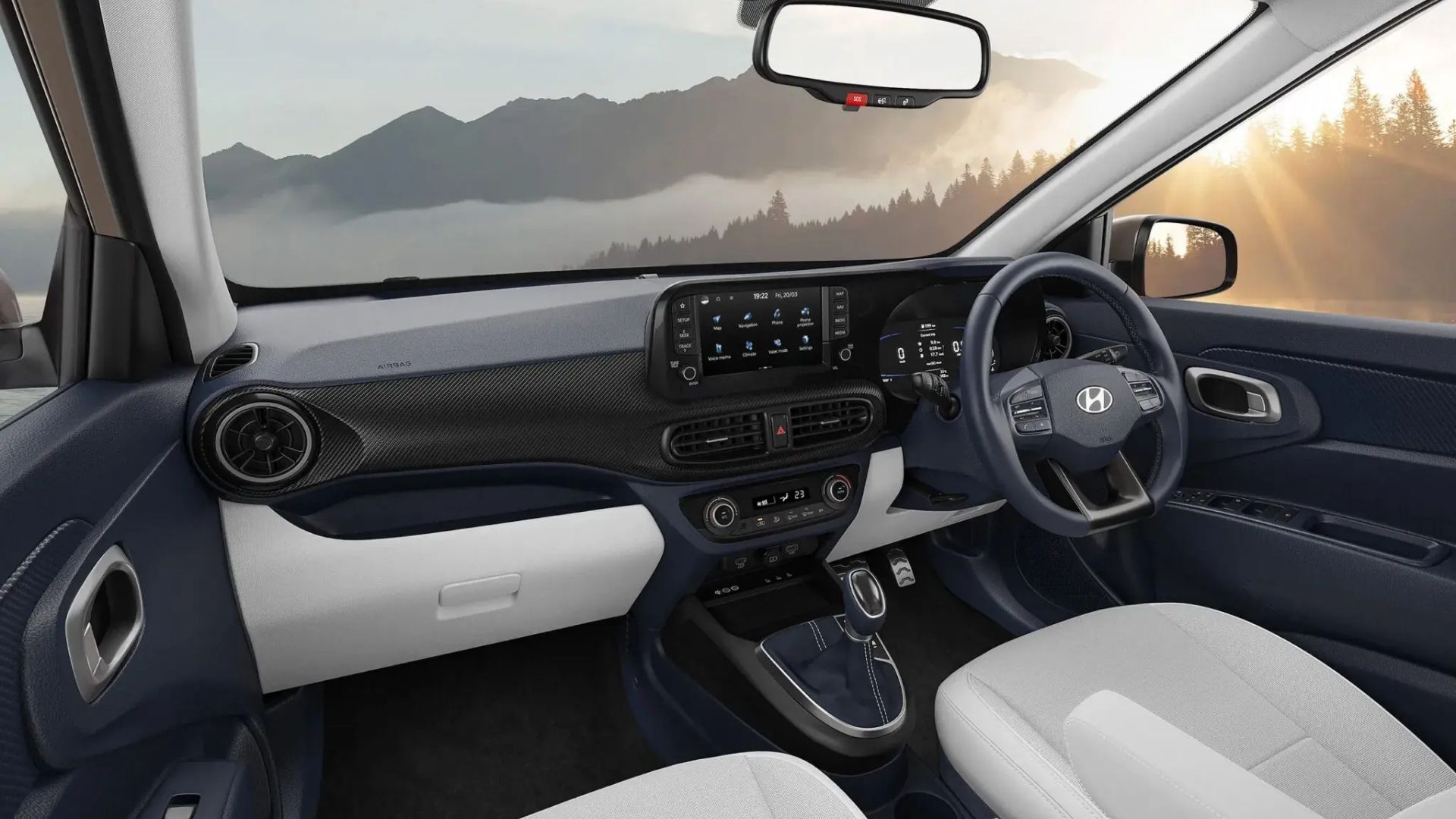
For R$ 32,000, a brand new Hyundai car is a rival to the Kwid with a 1.2 engine producing 82 hp, 6 airbags as standard, multimedia with wireless Android Auto, up to 391 liters in the trunk, and a refreshed look for 2026 in India.
-
He bought a new car in 1983, locked it in the barn in 1988, and no one opened the door for 38 years until the family discovered what was stored inside and realized it looked like something out of a movie.


Impact on the Automotive Market
With the ongoing decrease in battery prices, electric vehicles are expected to reach cost parity with combustion engine models by 2026. This change promises to revolutionize the automotive industry, making electric cars a viable and attractive option for an increasing number of consumers.
Traditional automakers are already adapting to this new reality. Companies like Volkswagen, Ford, and General Motors have invested billions of dollars in electrifying their fleets, aiming to compete with emerging manufacturers and meet the growing demand for sustainable vehicles.
Technological Advances Drive the Change
The advances in battery technology are not limited to cost reduction. New chemical compositions, such as lithium iron phosphate (LFP) batteries, offer more affordable and durable solutions with a lower dependence on costly metals like nickel and cobalt. Research into sodium and solid-state batteries promises to further enhance the efficiency and safety of electric vehicles in the future.
The Future of Electric Vehicles: Battery Prices
With falling battery prices and technological advances, electric vehicles are positioning themselves as the primary alternative to combustion engine models. Studies indicate that by 2030, the majority of cars sold globally will be electric, marking a significant transformation in the automotive market.
This transition not only benefits the environment by reducing carbon emissions, but also offers economic advantages to consumers, such as lower maintenance and operating costs.
The era of combustion engine vehicles is coming to an end. With the rapid decline in battery prices and ongoing technological advancements, electric cars are becoming an increasingly accessible and attractive option for consumers. Get ready: soon, electricity will be the fuel that powers the world on wheels.
Source: Fórmula Turbo










-

4 pessoas reagiram a isso.