





 Portuguese
  English
  Spanish
  4 min of reading
  0 comments


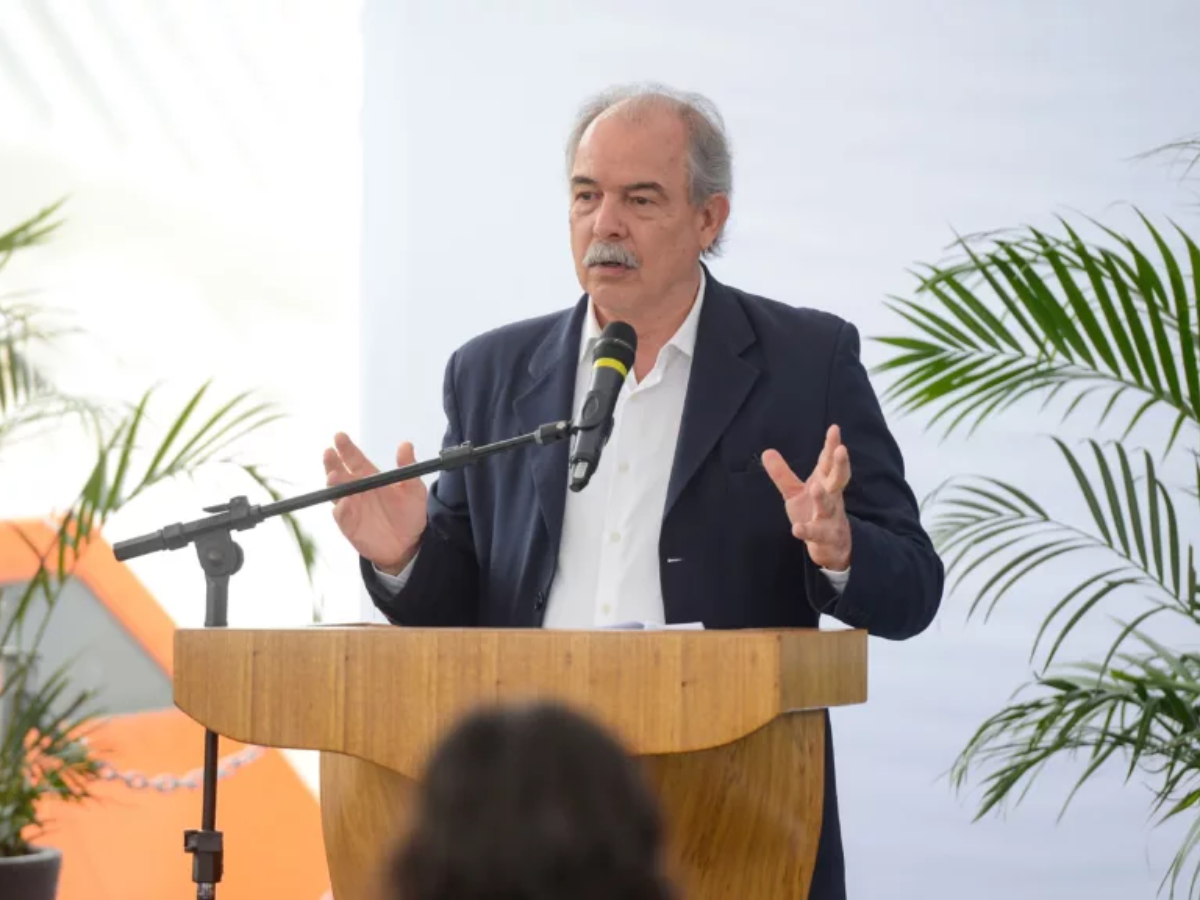
During Event in Rio, BNDES President Aloizio Mercadante Argued That Brazil Is More Prepared to Strengthen the Naval Industry With Responsibility, Highlighting the Importance of Decarbonizing the Fleet and Preserving Marine Biodiversity.
The Brazilian naval industry may be on the verge of entering a new phase of development. With a promise to act more responsibly and lessons learned from the past, the President of the National Bank for Economic and Social Development (BNDES), Aloizio Mercadante, stated that the country is more mature and prepared to resume shipbuilding, now focusing on sustainability and innovation.
The statement was made on this Monday (2), during the presentation of new actions of the BNDES Azul program, held at the Fortress of São José, on Snake Island, in Rio de Janeiro.
The event, held in partnership with the Brazilian Navy, also highlighted the economic and strategic importance of the sea for the country, in addition to launching a call for environmental projects with a budget of R$ 80 million aimed at preserving Brazil’s oceanic islands.
-
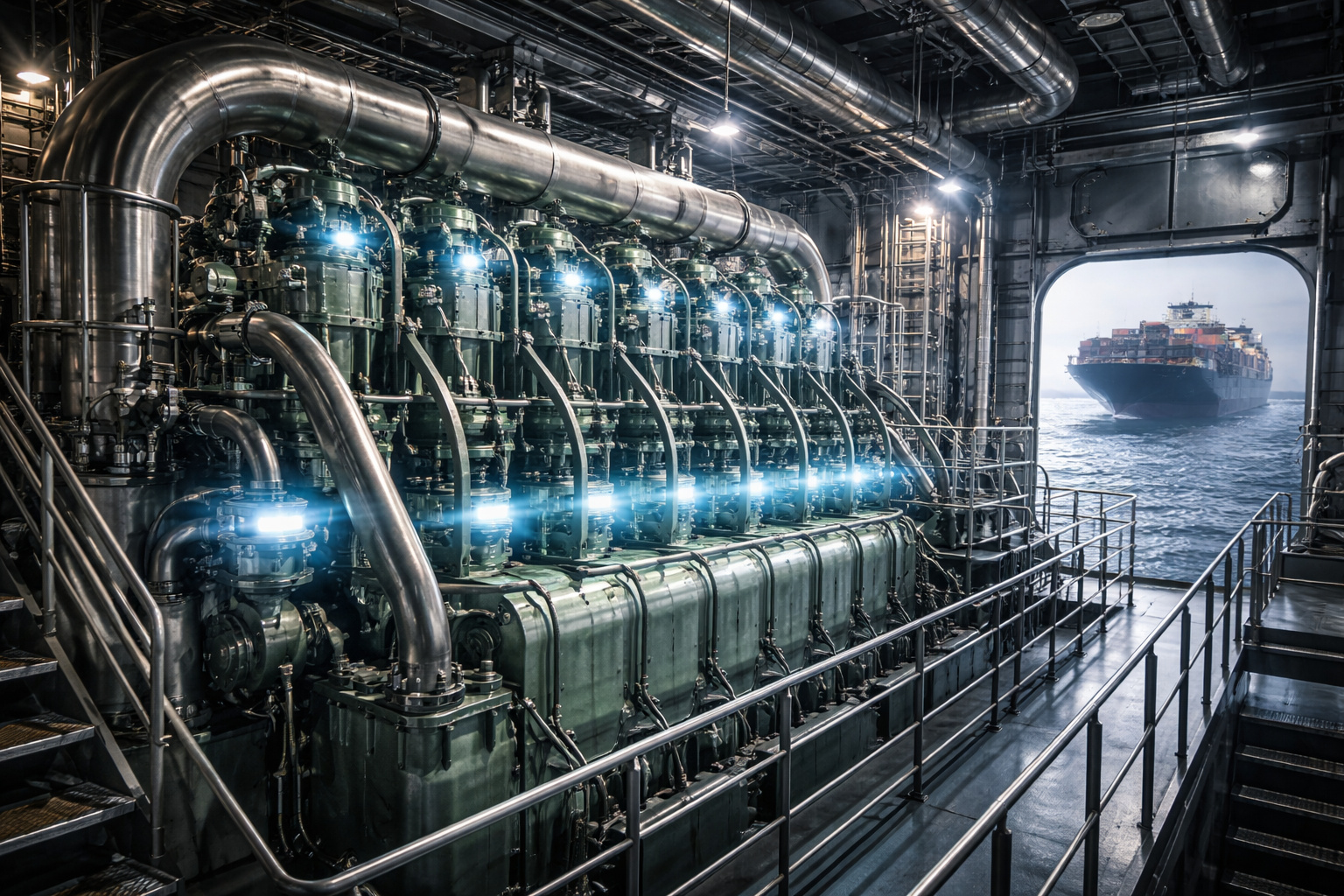
Europe is trying to create an ammonia-powered marine engine without auxiliary fuel, which could unlock the race for giant emission-free ships. The technology aims to eliminate one of the biggest obstacles to clean maritime propulsion.
-
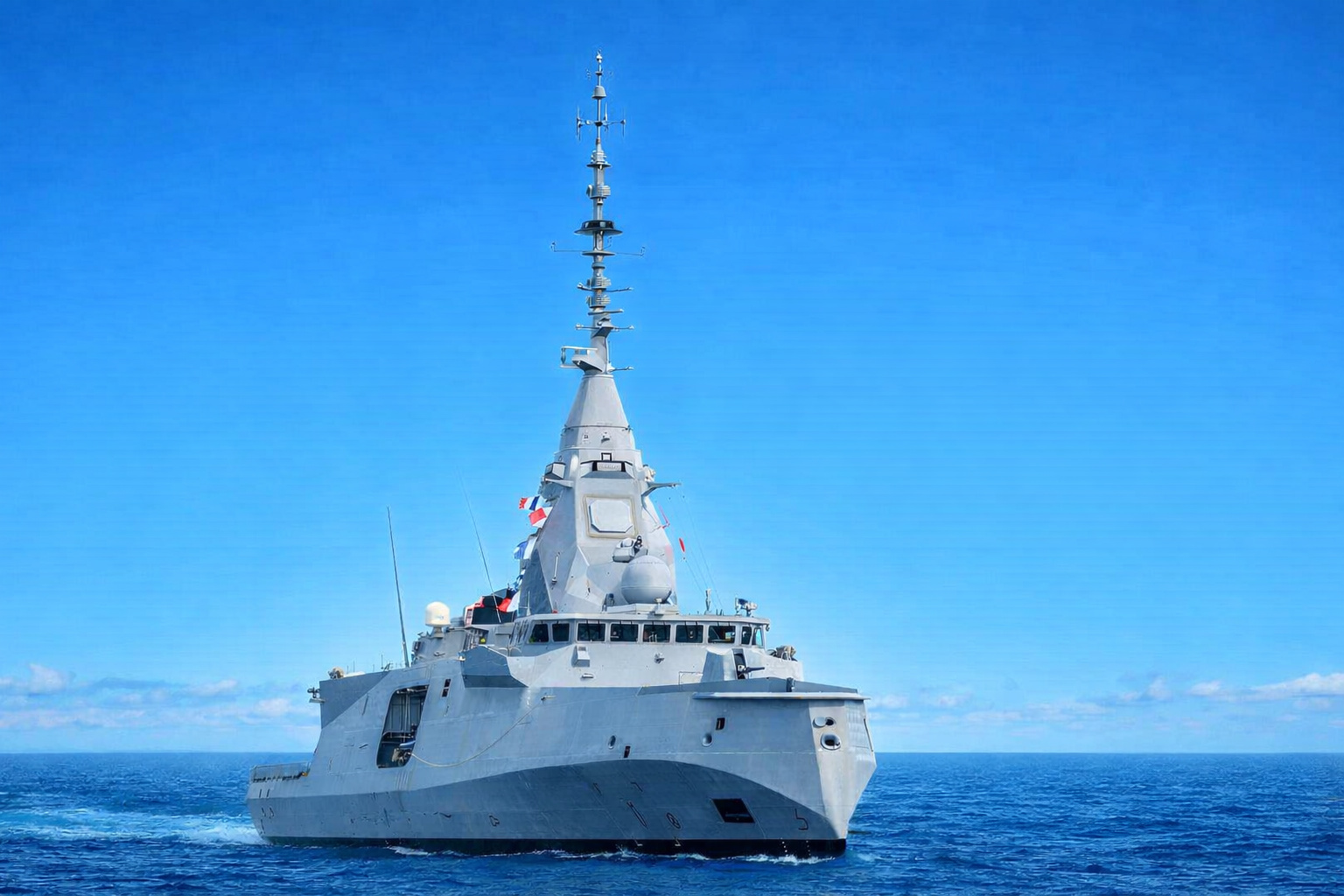
A 4,500-ton frigate with just over 100 crew members, state-of-the-art radar, and cruise missiles is being touted as the new standard of naval warfare in the 21st century.
-
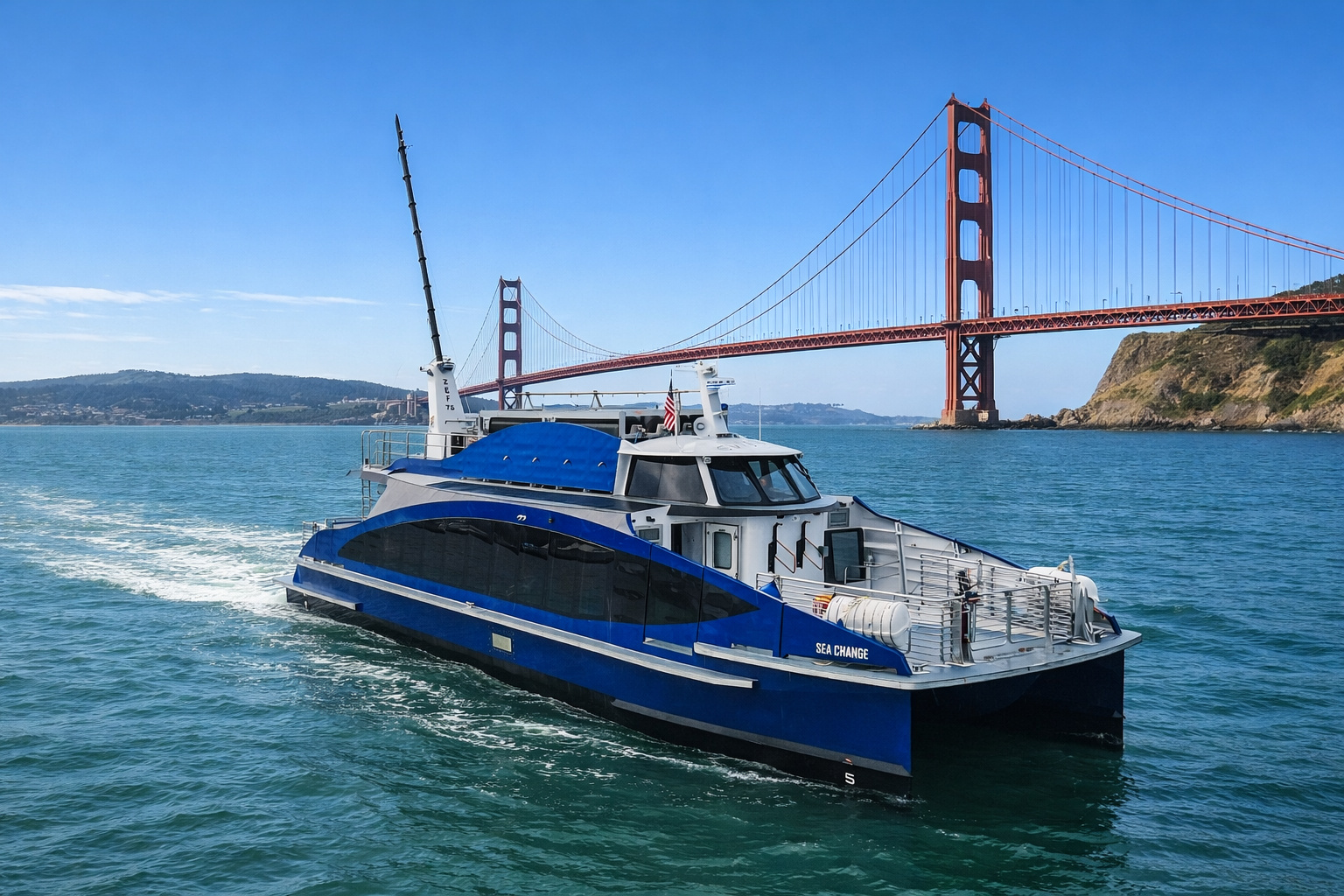
The first commercial hydrogen-powered ferry enters operation in the U.S., eliminates the use of diesel, uses fuel cells to generate clean energy on board, and transforms San Francisco Bay into a landmark of the new era of emission-free navigation.
-
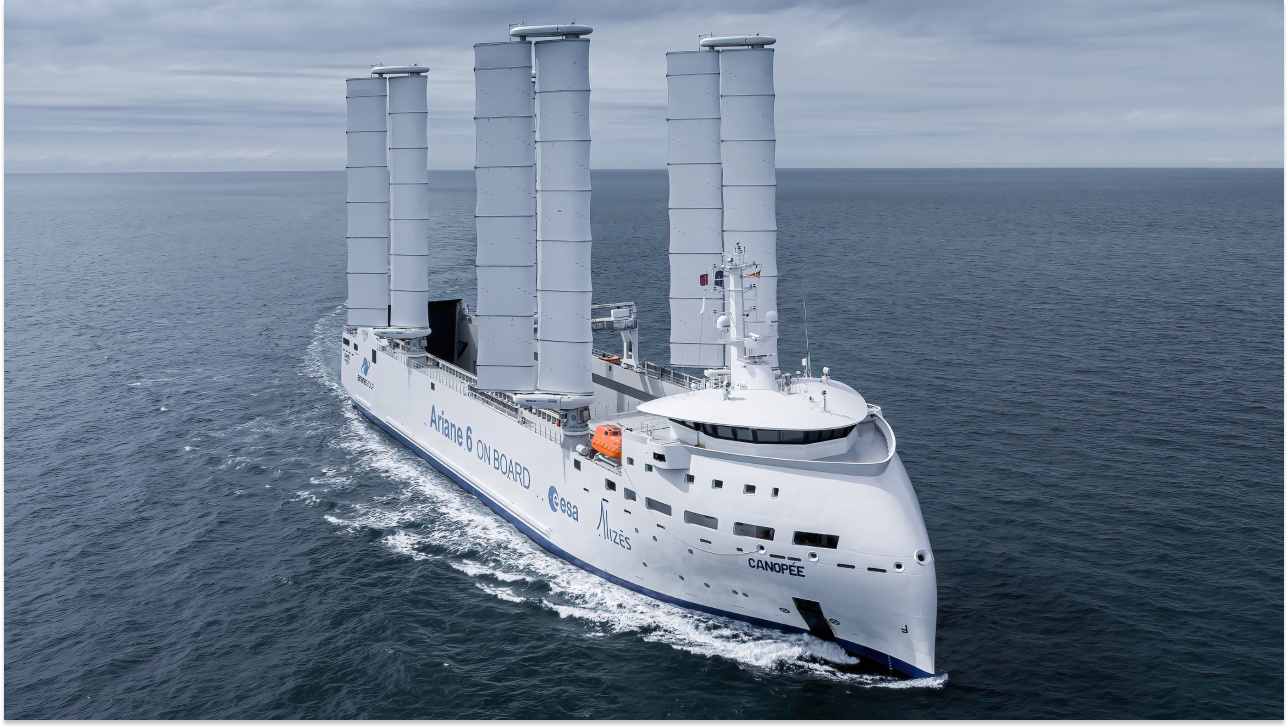
With a length of 121 meters and four rigid sails of 36 meters that automatically rotate to capture the wind, Canopée is the world’s first hybrid industrial cargo ship powered by wind, used to transport rockets and reduce fuel consumption by up to 30% on transoceanic routes.

“Much More Experience to Develop the Naval Industry With Responsibility”
During the speech, Mercadante emphasized the need to acknowledge past mistakes, but stressed that the current situation is different.
“Serious mistakes were made in the past. I believe that today we have much more experience, much more maturity, to develop the naval industry with responsibility, as is being done,” he stated.
According to him, the current portfolio of the Merchant Marine Fund already accumulates R$ 21 billion in historical investments.
Without going into details about past failures, the BNDES president highlighted that there is a strong demand for the reactivation of river navigation, especially with support vessels, and indicated that the moment is more promising.
“Now there are also stronger and more promising orders,” said Mercadante.
Sustainability and Innovation at the Center of the New Maritime Policy
One of the central axes of this new phase of the naval industry, according to the BNDES, is the transition to less polluting fleets.
“We are on a learning curve and now we have a gigantic challenge which is the decarbonization of the fleet,” stated the bank’s socio-environmental director, Tereza Campello.
She added that Brazil can lead this environmental agenda, taking advantage of its long coastline and experience in biofuels: “Who in the world has the opportunity to lead this agenda? Brazil, not only because of the size of its coast but because of its experience in biofuels.”
The commitment to sustainable practices is also reflected in the proposal to launch blue bonds — blue bonds aimed at financing marine preservation projects.
Mercadante stated that he is in talks with authorities and international partners to enable the issuance of these bonds during COP30, which will be held in November 2025, in Belém (PA).
The proposal follows the logic of green bonds, already established in the market as a source of resources for environmental initiatives.
R$ 80 Million to Protect Oceanic Islands and Seabirds
During the event, the BNDES announced a new public call for projects aimed at the conservation of Brazil’s oceanic islands, with a budget of R$ 80 million.
The actions will focus on restoring breeding habitats for threatened or migratory seabirds, controlling invasive species — such as rats brought by vessels — and creating bases for biodiversity credits.
Non-profit institutions can submit proposals with a minimum value of R$ 5 million, and the bank may finance up to 50% of each approved project.
Applications will be open until October 17, 2025, via the official BNDES website.
“We are dedicating resources to restore these fragile ecosystems, combating the presence of invasive species such as rats and brown rats that arrived by vessels and have caused serious damage,” explained Tereza Campello.
“The recovery of these environments is strategic for the conservation of wildlife and for maintaining the role of these islands as natural platforms for the reproduction and migration of birds.”
A New Cycle of Investments in the Naval Industry
The resumption of the naval industry was a campaign promise of President Lula, after a period of paralysis marked by corruption scandals investigated by Operation Lava Jato.
According to Mercadante, the current scenario is more stable, with enhanced governance and a growing interest in sustainable vessels and logistical solutions.
In the view of the BNDES president, there is no reason for Brazil, which designs and manufactures internationally certified aircraft, not to also stand out in shipbuilding.
“As a country that is one of three in the world that build and certify aircraft, how can it not build, must not build, or should not build ships?” challenged Mercadante.
Source: Folha de São Paulo








Seja o primeiro a reagir!