





 Portuguese
  English
  Spanish
  5 min of reading
  0 comments


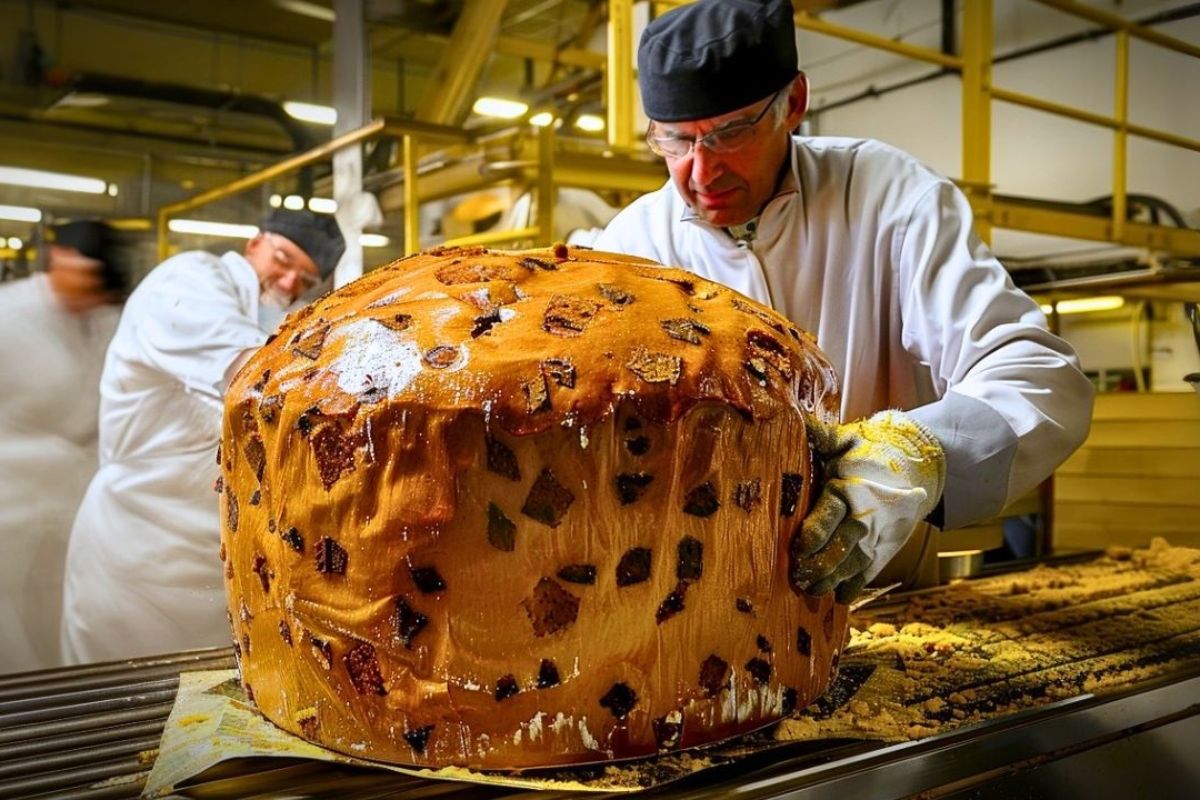
With Total Automation, The Industrial Panettone Is Born In Giant Mixers, Undergoes Hours Of Slow Fermentation, Gains Fruits, Topping, And Bakes In Continuous Ovens While Robots Weigh, Drill, Package, And Stack Thousands Of Identical Units In Standardized Batches With The Same Flavor In Any Christmas Country To The Global Shelves
When you grab a fluffy panettone from the store thinking it was all simple, you are actually putting in your bag an industrial panettone produced at a rate of tons per hour, with a robotic line, sensors everywhere, and a choreography of conveyors that doesn’t miss a step. The mission is clear: deliver thousands of units with the same flavor, texture, and appearance, as if they had come out of the same magical mold.
At the same time, this Christmas-making machine hasn’t abandoned the past. The industrial panettone mixes slow fermentation, rich dough, and a century-old recipe with heavy automation and precise quality control. The result is a system where tradition comes through the door with flour and yeast and exits at the other end on stacked pallets, ready to cross the world.
From The Sack Of Flour To The Beginning Of The Industrial Panettone

It all starts in the preparation areas, where the classic ingredients of the industrial panettone come into play: flour, sugar, eggs, butter, natural yeast, candied fruits, and raisins. No improvisation.
-
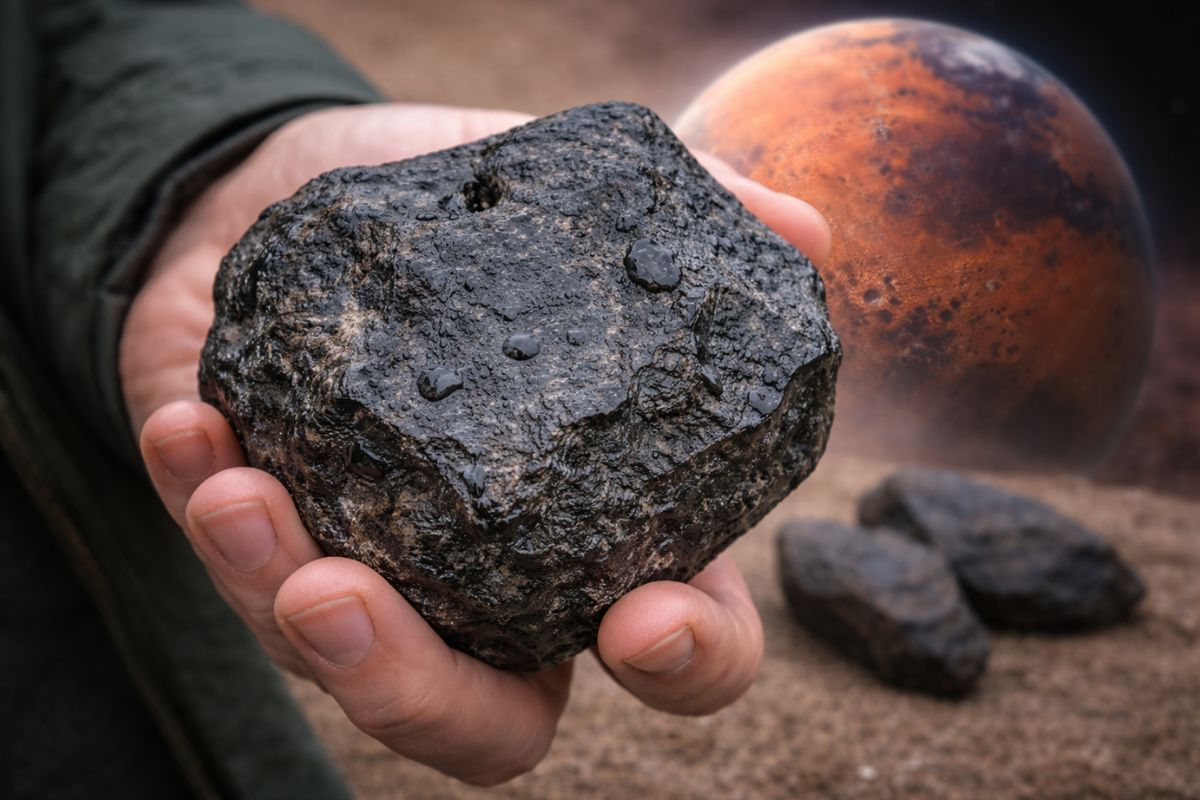
A collector bought a black stone in Morocco in 2011 without knowing that he had in his hands a Martian meteorite 4.45 billion years old with ten times more water than any other fragment of Mars ever found on Earth.
-
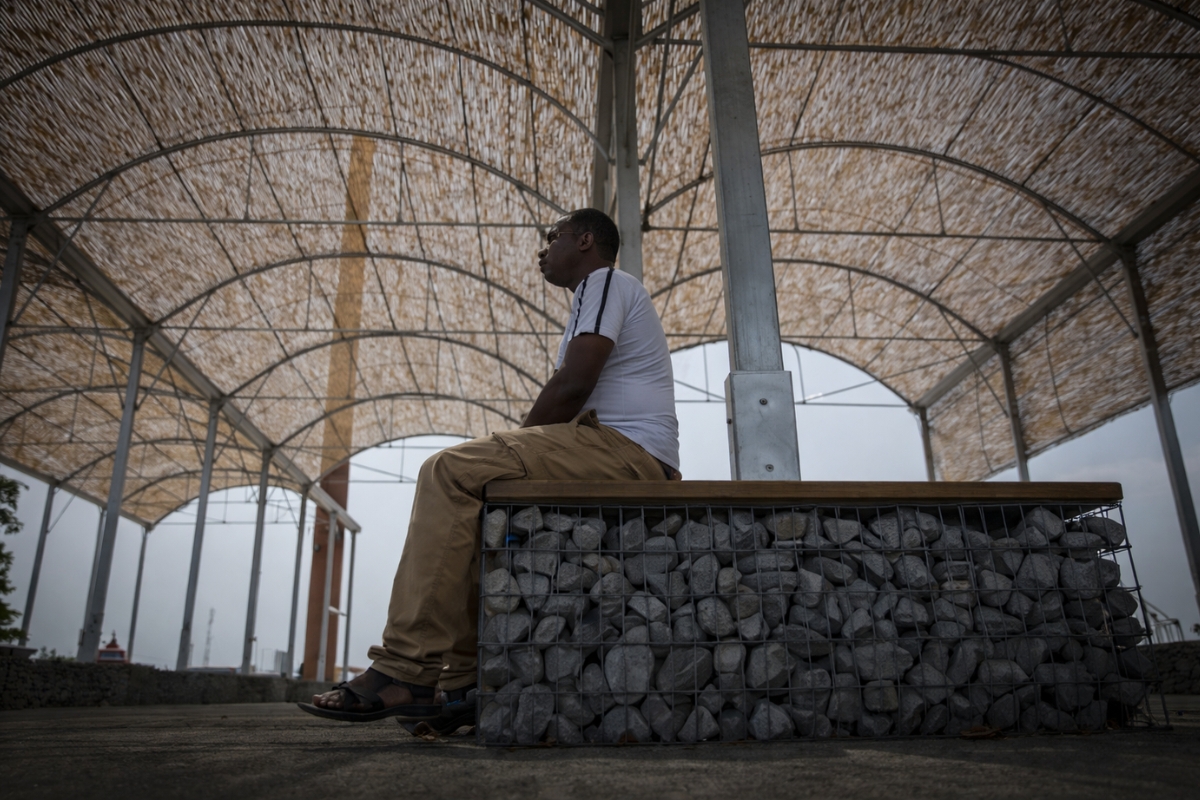
European cities are building public climate refuges to cope with extreme heat.
-
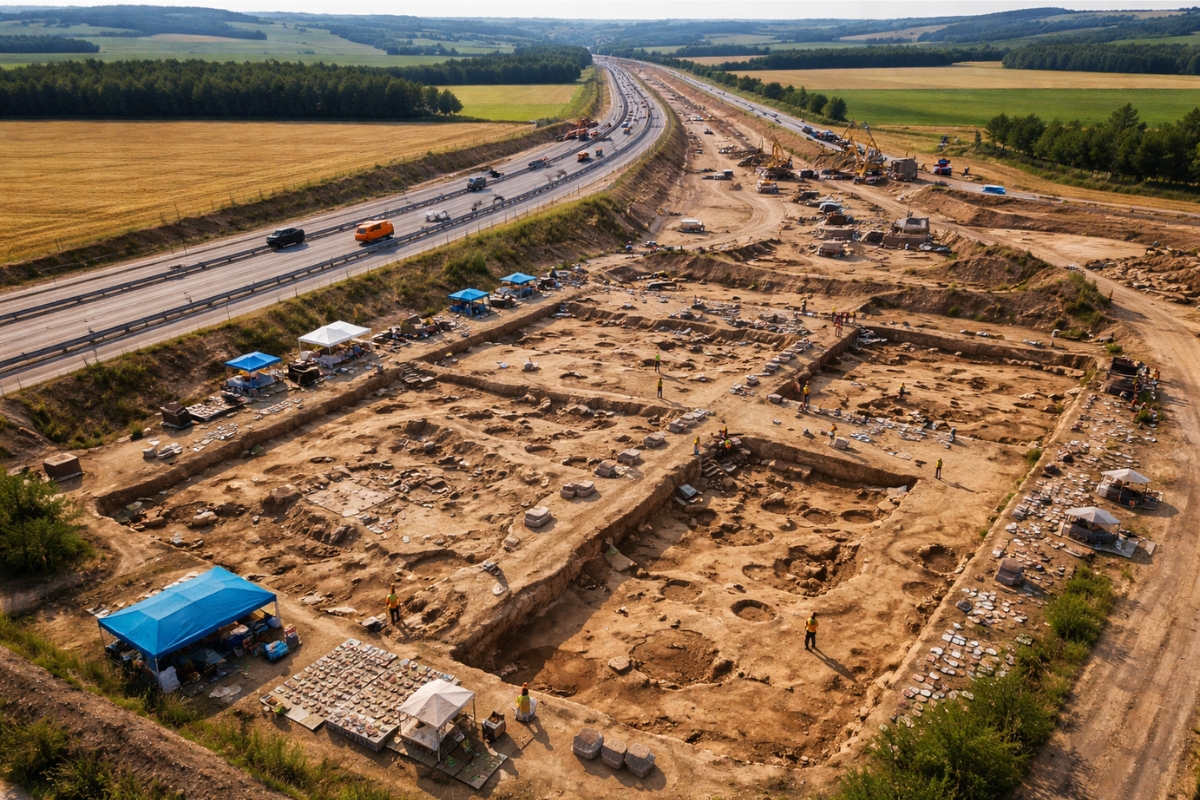
Excavations for a highway uncovered an intact Celtic city with gold, jewelry, and ancient production structures.
-
Every pineapple you eat is actually up to 200 different fruits fused into one: discover the fascinating process in which each flower opens for just one day and produces the pieces that form the whole fruit over the course of 3 weeks.

They are measured in steps in huge industrial mixers, programmed to respect the right point of the dough.

In the first phase, the focus is on developing the gluten structure, which is the skeleton of the dough. This network holds the gas from fermentation and keeps the panettone light instead of turning it into a sad brick.
The yeast comes in at this time to start the process, and the dough begins to gain flavor and texture while resting for several hours, under strict control of time and condition.

After this initial rest, sugar, eggs, and butter are added, which enrich the dough and keep the crumb soft and moist.
Only then, with the structure ready, do candied fruits, raisins, and other flavorings come in, always well distributed by powerful mixers so that each slice has filling evenly.
Slow Fermentation In Giant Climate-Controlled Tanks

Once the mixing is finished, the industrial panettone dough goes to what makes all the difference: the first fermentation in automated tanks, with temperature and humidity precisely controlled.
There’s no guesswork here: sensors ensure that all tons of dough rise uniformly.

This step is slow and meticulous. This is where the industrial panettone gains volume, flavor, and that typical airy texture, even with the line running at high scale. The secret lies in controlling the environment to repeat the same result batch after batch, day after day, Christmas campaign after Christmas campaign.
Portioning, Molds, And Second Fermentation

With the initial fermentation completed, the dough moves along conveyor belts to machines that divide everything into rigorously equal portions, according to the weight of each industrial panettone shape. Instead of a worker with a scale in hand, automatic cutters and dispensers, calibrated to the gram, handle this.

These portions are shaped and placed in paper molds specially designed for panettone, in a process known as panning. The molds provide support for the dough to rise without collapsing.
Each unit is weighed again, checked, and returned to the conveyor, which leads everything to the growth chambers for the second fermentation, also known as proofing.

Inside these chambers, temperature and humidity are again controlled, allowing the industrial panettone to double in size calmly.
No rushing in this phase: even with the factory running in ton mode, the crumb needs time to form regular alveoli and grow uniformly.
Topping, Almonds, And The Time For The Continuous Oven

When the industrial panettone comes out of the second fermentation, it’s time to “dress” the product. The molds pass under systems that apply butter topping and glazing, creating the base of the crust on top.
Next, almonds and sugar crystals are added, which contribute crunchiness and reinforce the classic bakery panettone look.

Then, the conveyors move to the oven area. The line automatically adjusts the spacing between the molds to optimize hot air circulation and ensure even baking.
The raw industrial panettone enters one end of the continuous oven and, a few minutes later, comes out the other side golden, risen, and with stable volume, ready for the next step.
Robotic Demolding And Industrial Panettone Without Squeezing
The baked product is still inside the molds and needs to be handled with care. For this, demolding machines with horizontal pusher systems come into play, moving one line of molds at a time to avoid jolts.
Next, robotic arms lift entire lines of industrial panettone and transfer them to new conveyors that redistribute the units, preparing everything for the cooling, drilling, and packaging stages.
The goal is simple: touch the product as little as possible with human intervention, reducing dents and maintaining the perfect shape.
Drilling, Packaging, And Protecting The Crumb
Before proceeding to the final package, the industrial panettone passes through a ventilation machine that makes precise perforations on the top.
This step helps relieve internal pressure that builds up inside the dough, especially after the product is sealed, preventing deformities and maintaining a beautiful structure.
It’s time for packaging. A plastic film designed for food is continuously unrolled, wraps around the industrial panettone, is hermetically sealed, and moves along the line to the boxing station.

Robotic arms pick up the cardboard boxes one by one, open them, position them, and the product is carefully pushed inside, with glue applied to seal everything.
For special versions, cone-shaped packaging is added, giving a more premium look to the industrial panettone without altering the product inside.
Once packaged, the panettones move to spiral conveyors, where they are labeled, grouped into larger boxes, and prepared for transport.
Pallets, Stretch Film, And The Industrial Panettone Ready To Travel The World

In the final phase, the filled boxes are organized into carefully assembled pallets, respecting weight limits and balance.
Next, a stretch film machine wraps everything, protecting against moisture, dust, and impacts.

These pallets with industrial panettone already ready for sale move to storage areas, controlled and organized, from where they are sent to distribution centers and, finally, to supermarkets and stores scattered around the world.
From the factory to the shopping cart, the logic is one: to repeat exactly the same panettone thousands of times, with the same texture and the same flavor in each slice.
In the end, knowing all about this choreography of robots, conveyors, and slow fermentation, do you look at the industrial panettone differently or do you still prefer to swear loyalty only to the artisanal bakery version?





-

-

-

-

-

-

21 pessoas reagiram a isso.