





 Portuguese
  English
  Spanish
  6 min of reading
  0 comments



Quality Of Life Has Become A Priority For Those Seeking Safety, Employment And A More Balanced Cost Of Living In Small Towns.
Instead of functioning solely as peaceful refuges, these municipalities appear in the analyzed database as centers of development and quality of life that combine income, urban planning, education, health and job opportunities. The result is a portrait of a Brazil that grows outside the metropolitan areas and attracts those seeking more balance in order to live.
When it comes to changing the capital for a smaller city, the debate usually revolves around safety and cost of living. But what these five cities show is that quality of life also depends on employment, infrastructure, mobility, access to leisure, and future prospects.
Jaraguá do Sul, Indaiatuba, Vinhedo, Toledo, and Araras appear as examples of municipalities that have managed to build this package consistently. Each has its own vocation, but all reinforce the same perception: living well is no longer an exclusive privilege of large centers.
-
Oil surged to $115 a barrel due to the war in the Middle East, and diesel in Brazil has already risen to R$ 7.45 per liter, while the United States…
-
Brazilian city bets on the business environment to generate jobs and attract investments in the energy sector — secretary reveals strategy at Macaé Energy 2026.

-
50 viaducts, 4 tunnels, 28 bridges, and 40 kilometers of bike paths: BR-262 in Espírito Santo will receive 8.6 billion reais for the largest engineering project in the state’s history, inspired by the Immigrant Highway in São Paulo.

-
Brazil produces too much clean energy and doesn’t know what to do with it: over 20% of solar and wind capacity was wasted in 2025 while investors flee and 509 renewable generation projects were abandoned in the last year.

Jaraguá do Sul Combines Strong Industry, Quality Of Life, Safety And Exemplary Education
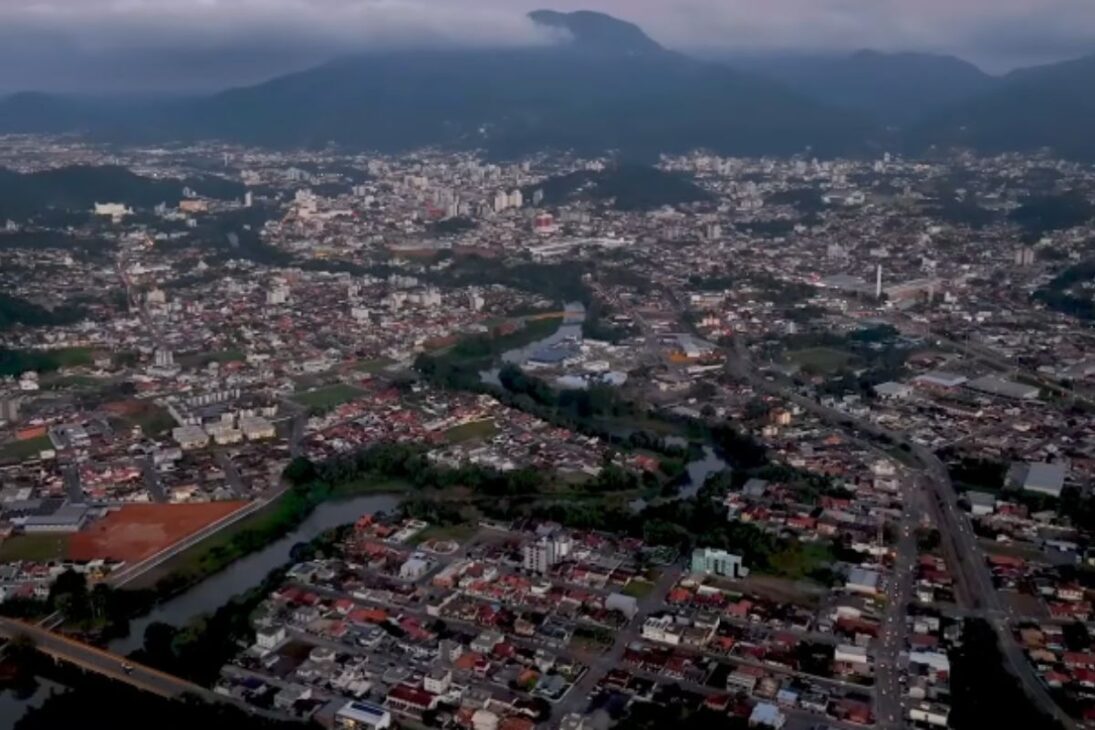
In the north of Santa Catarina, Jaraguá do Sul stands out as one of the most solid examples regarding quality of life.
The city was named the best medium-sized city in Brazil by IstoÉ, and is also described as one of the safest in the country.
The indicators mentioned help explain this distinction. Jaraguá do Sul has an HDI of 0.803, an infant mortality rate 80% lower than the national average, and a per capita GDP of R$ 84 thousand.
It’s a rare combination of safety, income and social development, something that is often lacking in the largest capitals.
In economic terms, the city hosts significant companies, with emphasis on WEG and large industrial and textile groups.
In education, it also stands out in IDEB among municipalities in Santa Catarina with over 100,000 inhabitants.
Additionally, there is space for leisure and culture, with large green areas and traditional festivals linked to German heritage. Jaraguá do Sul shows that it is possible to grow without losing organization and local identity.
Indaiatuba Has Become A Symbol Of Safety, Employment And Urban Valuation
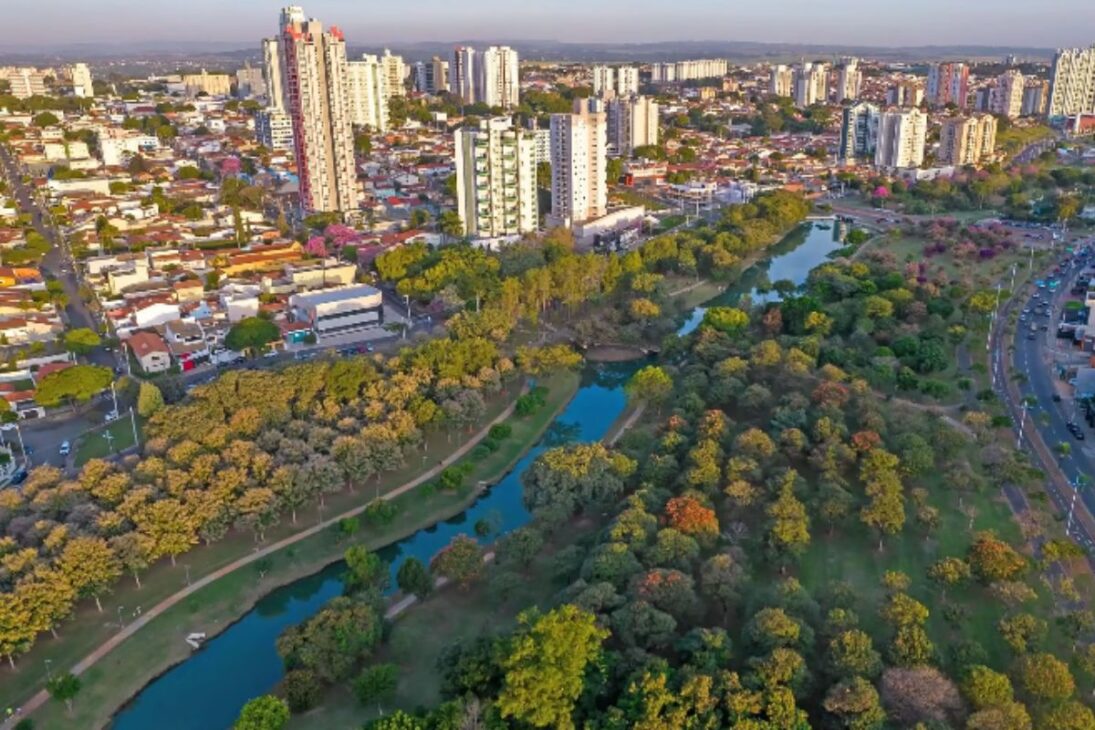
In the interior of São Paulo, Indaiatuba emerges as one of the most desired destinations for those looking to swap the capital for more quality of life.
The data highlights that the city grew by 25% in less than a decade, in a movement that did not happen by chance.
Indaiatuba was presented as the safest city in Brazil in 2024 for its size, with a wide and highly structured monitoring network. The municipality also boasts an HDI of 0.78 and a per capita GDP of R$ 118 thousand.
The combination of safety and strong economic activity helps explain why so many people began to view the city as a new address.
The ecological park designed by Ruy Ohtake stands out as one of the municipality’s postcards, with 30 kilometers of linear extension crossing the city and offering high-level free leisure. In the economy, large companies like Toyota and Unilever reinforce job creation.
The point of concern is the elevated real estate cost, as land and properties have appreciated significantly. Indaiatuba offers convenience and a high standard, but charges a premium for it.
Vinhedo Bets On Exclusivity, Strategic Location And Strong Urban Planning
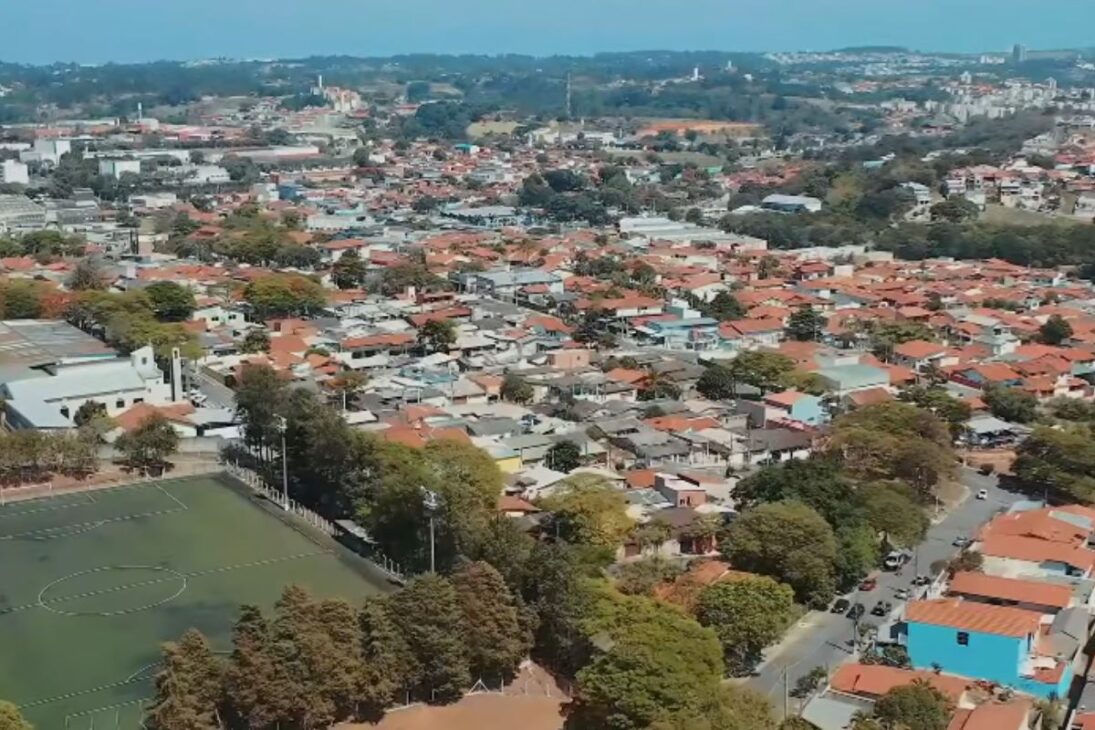
Vinhedo is presented in the database as one of the municipalities that best embodies the idea of quality of life with exclusivity.
The municipality has an HDI of 0.817 and a per capita GDP of R$ 192 thousand, one of the most impressive figures among those mentioned.
The city is also valued for its strategic position. It is less than an hour from São Paulo and about 20 minutes from Campinas and Viracopos Airport.
Additionally, the so-called 10-minute rule reinforces the perception of local practicality since almost everything would be just a few minutes by car.
It’s the type of city that sells the promise of everyday comfort without giving up the connection with major urban hubs.
Safety also stands out as one of Vinhedo’s pillars, with rigorous monitoring and access control.
The municipality also excels in urban planning and intelligence applied to management. At the same time, it maintains a strong cultural presence, with traditional festivals linked to grapes and wine, as well as a large theme park in the region.
The high cost of living, however, is seen as part of the package. Vinhedo positions itself as a city for those who want a high standard and are willing to pay for it.
Toledo Shows How Agriculture Can Sustain Development And Tranquility
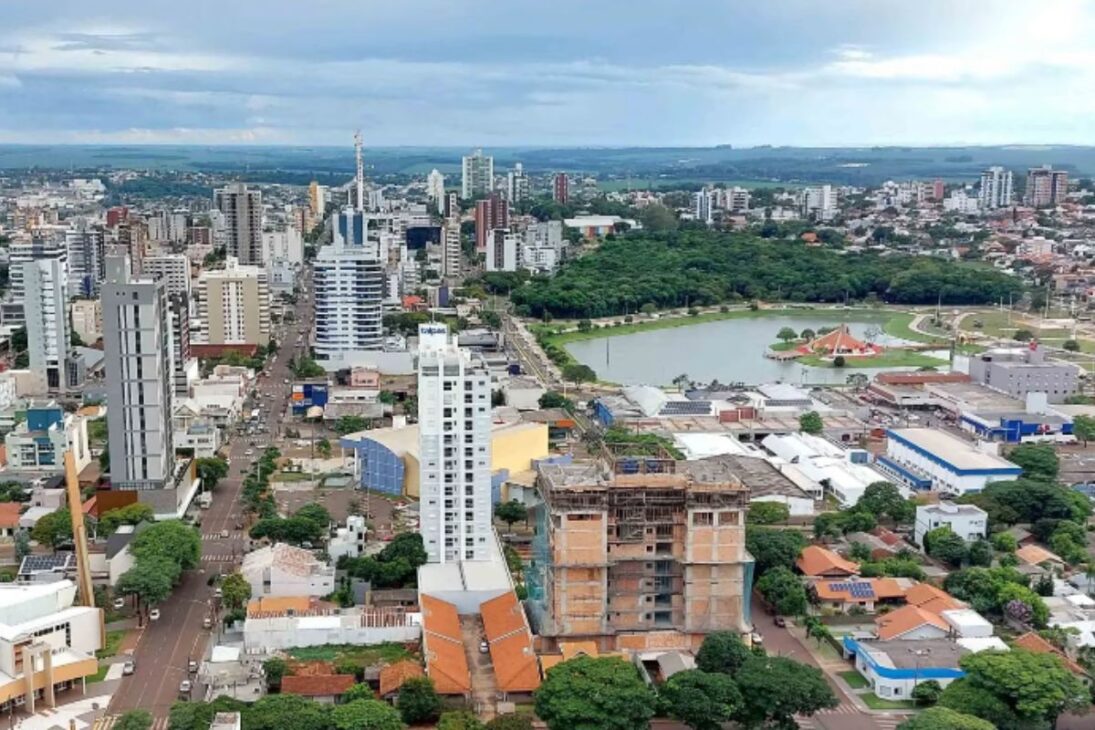
In western Paraná, Toledo exemplifies how agriculture can boost the quality of life of an entire city. The database defines it as the capital of Paraná’s agribusiness, with an HDI of 0.768 and a per capita GDP of R$ 63 thousand.
The municipality’s economic strength is linked to food production and the presence of major employers in the industry, such as BRF, in addition to a pharmaceutical multinational viewed as an important job creator.
The city also hosts a technology park with over 150 companies, merging research, education, and business. Toledo is not limited to agriculture and demonstrates how production and innovation can go hand in hand.
One of the most striking parts of the database is the description of urban routine. Houses with low fences, residents sitting on porches, and a tranquil atmosphere for those coming from metropolitan areas.
The city also offers parks, a municipal lake, and an aquarium with dozens of species. It’s a quality of life connected not only to income but to a sense of safety and belonging.
Araras Combines Nature, Industry And A Welcoming Urban Environment
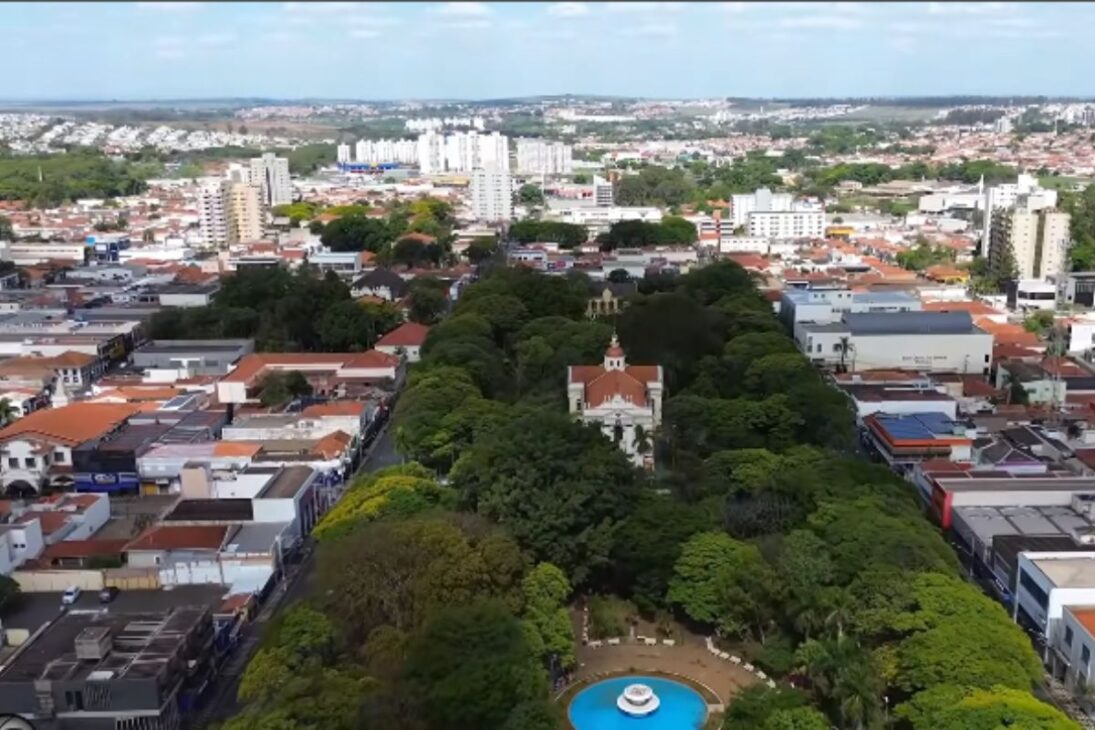
Araras concludes the list as a city that balances nature, industry, and quality of life. Located on the Anhanguera Highway, it is presented as the City of Trees and as the site of Brazil’s first ecological movement over a century ago.
With 135,000 inhabitants, an HDI of 0.781, and a per capita GDP of R$ 76 thousand, Araras appears as a municipality that successfully unites development and a welcoming environment.
The historical presence of the first Nestlé factory in Brazil, established there in 1921, reinforces the municipality’s industrial significance. At the same time, the city maintains a strong image tied to nature and urban well-being.
The foundational text also highlights the theater designed by Oscar Niemeyer, the municipal lake, and daily life with a strong local identity.
Araras ranks among the 40 best cities to start a business in Brazil, which reinforces its economic vocation. It’s the type of city that shows development doesn’t have to mean a loss of charm or a healthy urban coexistence.
What These Five Cities Have In Common


Even with different profiles, the five cities share points that help explain why so many people began to associate them with quality of life.
All are linked to some type of strong economy, whether industry, agribusiness, services, or strategic logistics.
There is also a clear pattern of valuing safety, education, urban organization, and leisure options.
It’s not just a matter of rural tranquility, but of a real structure for living well, working, moving around, and raising a family in a less hostile environment than major capitals.
Another common point is the weight of local identity. None of these cities were presented as simple dormitory towns for larger regions.
All have their own economic, cultural, and urban personality. This makes a difference because quality of life depends not only on the absence of problems but on the presence of concrete opportunities.
Why The Interior Began To Compete For Residents With The Capitals
The data makes it clear that the movement away from the capitals does not arise solely from exhaustion with traffic, violence, and cost of living.
It is also driven by the advancement of medium-sized and rural cities that have learned to combine growth with management and services.
When a city offers employment, safety, leisure, good location, and a more predictable urban environment, it begins to genuinely compete with major centers. This is what transforms the interior into a life project, rather than just a temporary alternative.
In the end, Jaraguá do Sul, Indaiatuba, Vinhedo, Toledo, and Araras serve as portraits of a country that has found other routes for development.
They help explain why quality of life has become an increasingly strong criterion in choosing where to live.
If you could swap the capital for one of these cities in search of more quality of life, which one would you choose?




Seja o primeiro a reagir!