





 Portuguese
  English
  Spanish
 6 min of reading
  0 comments


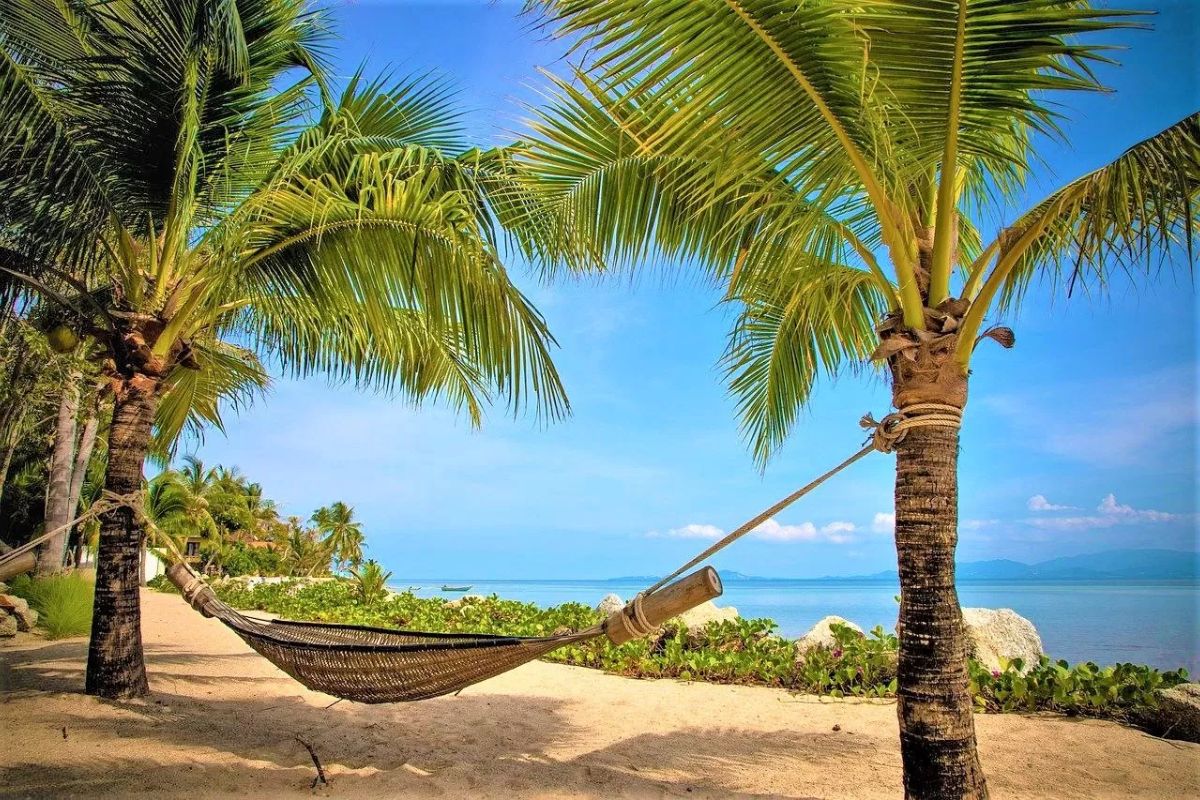
With Strong Sun, Warm Sea, and Intense Cultural Life, Brazilian City Attracts New Residents by Combining Quality of Life, Work, and Leisure on the Ceará Coast.
Fortaleza is now one of the main destinations in the Northeast for those looking to live near the sea without giving up services, mobility, and opportunities. The combination of stable climate, growing economy, and strong cultural identity makes this Brazilian city attract new residents while also strengthening tourism, increasing the number of people who return year after year.
Along the coast, on Beira-Mar and Praia do Futuro, daily life blends with tourism: those who work there witness visitors mingling with local families, athletes, street vendors, and small businesses, in an environment marked by a sun practically guaranteed throughout the year.
Fortaleza, The Brazilian City That Attracts New Residents

Fortaleza stands out on the national tourism map, but increasingly, it is also emerging as a real housing alternative for Brazilians from other regions.
-
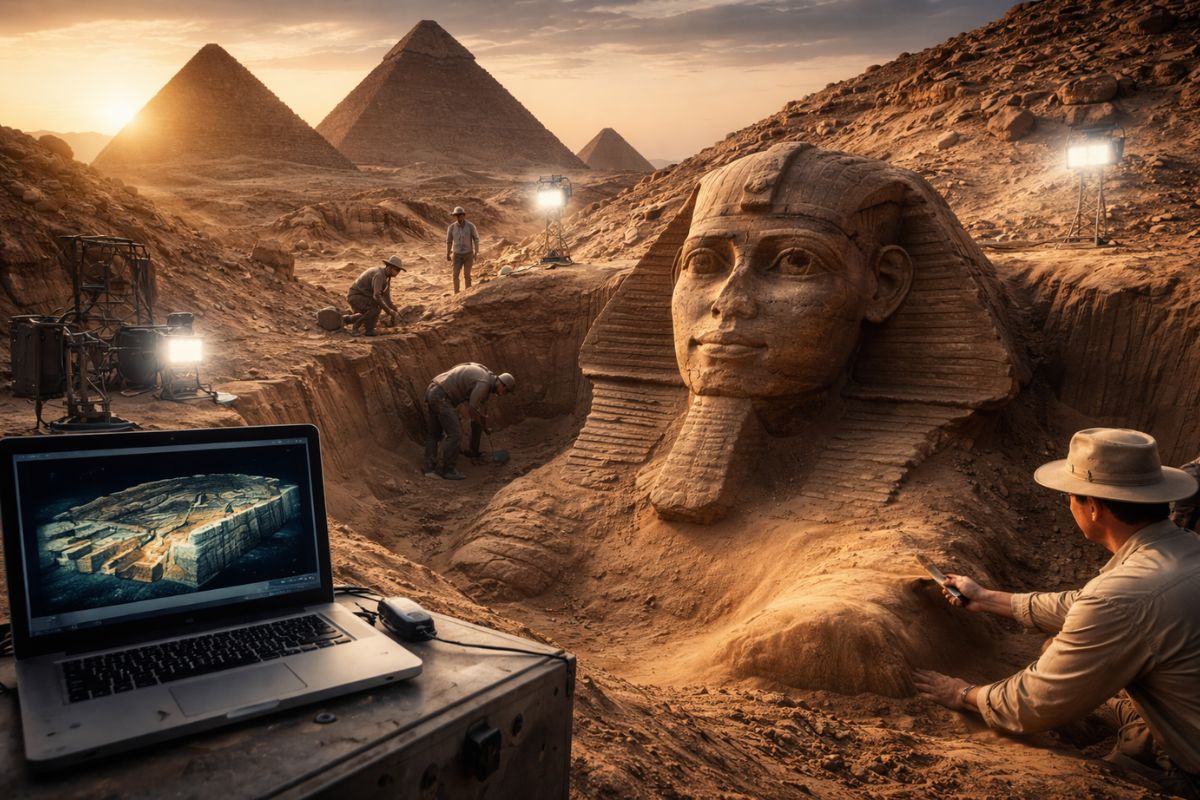
Italian researchers have detected what appears to be a second Sphinx buried under the sands of Egypt, and satellite scans reveal a gigantic underground megastructure hidden beneath the Giza Plateau for over 3,000 years.
-
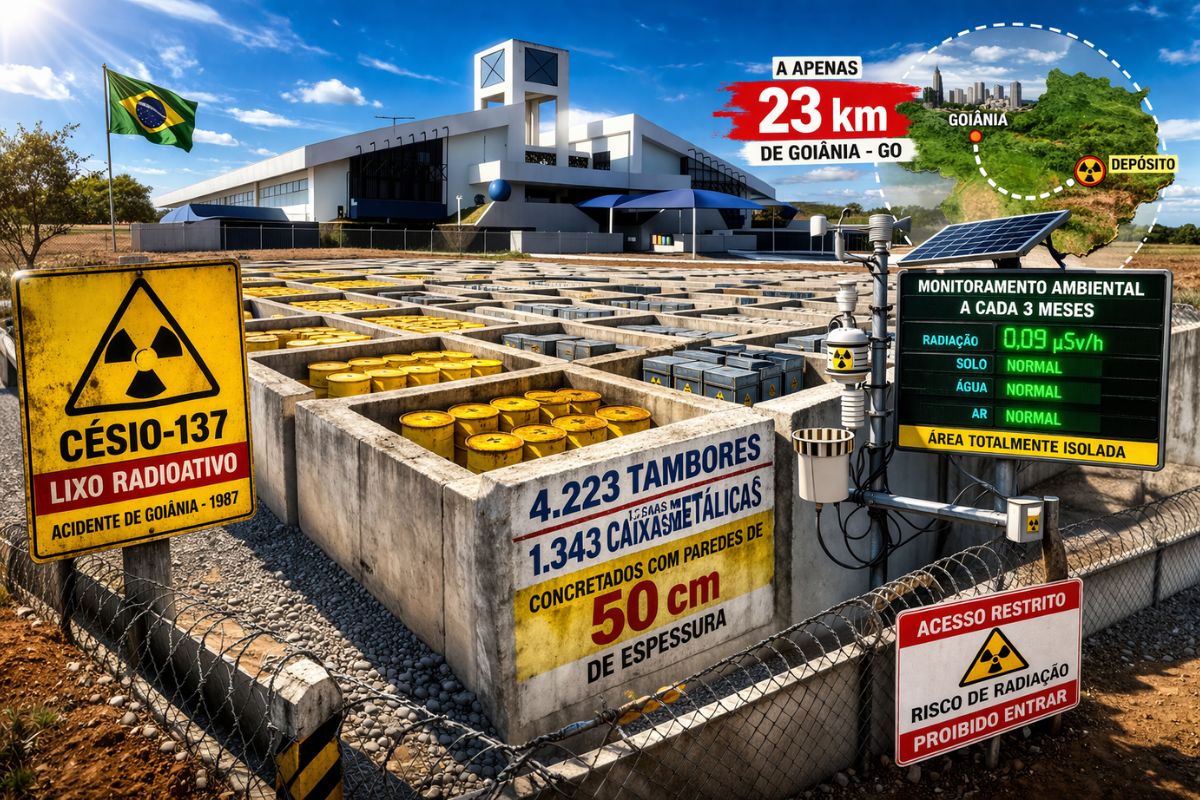
There are 4,223 drums and 1,343 metal boxes concreted with 50-centimeter walls that store the radioactive waste from Cesium-137 in the worst radiological accident in Brazil, just 23 kilometers from Goiânia, with environmental monitoring every three months.
-
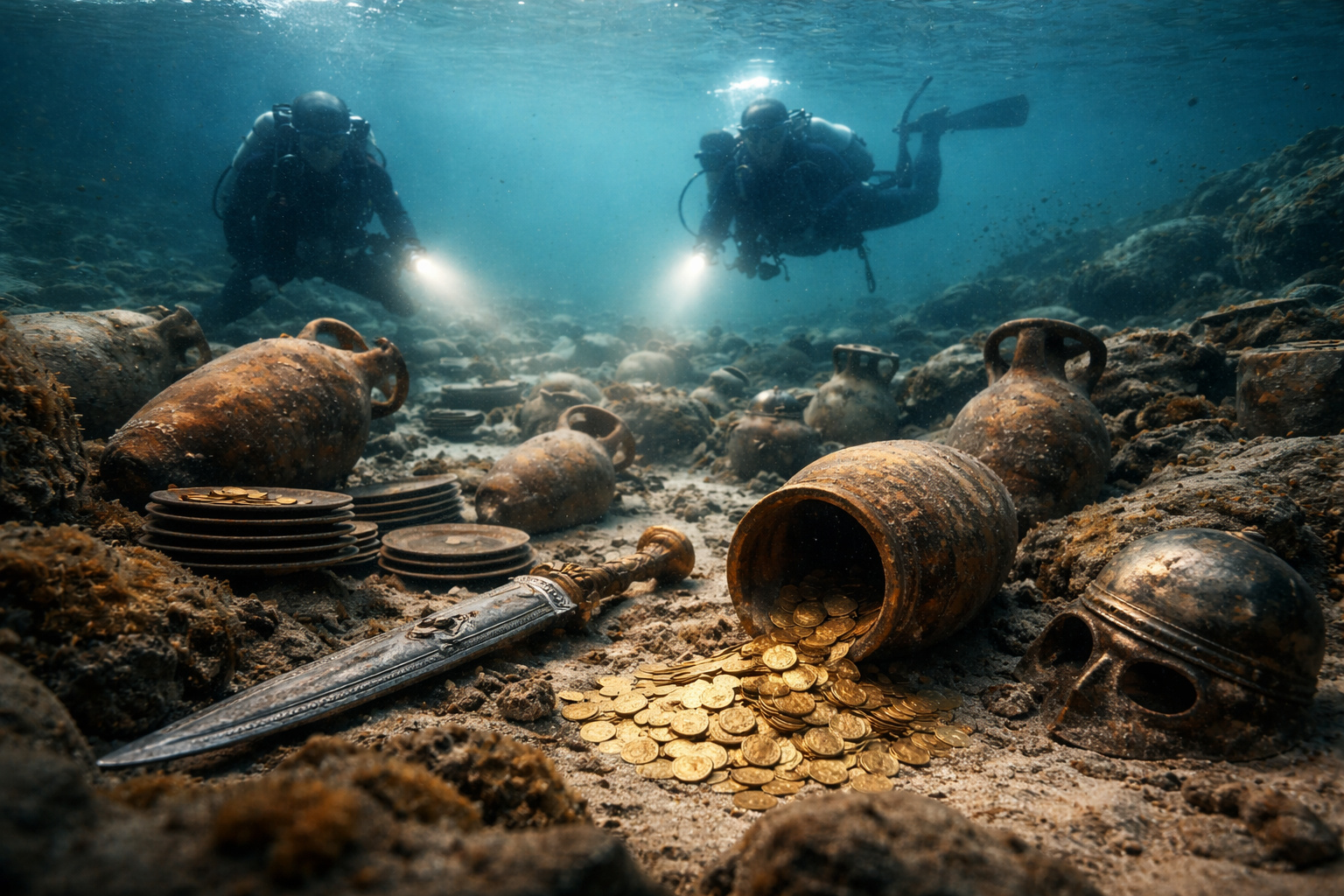
Giant Roman treasure found at the bottom of Lake Neuchâtel in Switzerland reveals an advanced trade system, circulation of goods, and armed escort in the Roman Empire about two thousand years ago.
-
He buried 1,200 old tires in the walls to build his own self-sufficient house in the mountains with glass bottles, rainwater, and an integrated greenhouse.

The Brazilian city attracts new residents through a combination of objective factors, such as infrastructure, climate, and services, with a powerful subjective component: the feeling of welcome and belonging.
The nickname Land of the Sun reflects a stable climate, with over 2,800 hours of sunshine per year and average temperatures ranging from 25 °C to 32 °C.
This scenario favors outdoor activities in any season, which influences the decision of those who want to live in a place where daily routines include beach, walks along the coast, and water sports.
For many professionals working remotely or in areas related to services, tourism, and commerce, the equation is simple: living in a capital with good infrastructure, competitive cost of living compared to other large cities, and direct access to the sea is a differentiator hard to find in other urban centers in the country.
Neighborhoods That Most Attract Those Who Decide to Stay

The perception that a Brazilian city attracts new residents also involves the choice of neighborhoods.
In Fortaleza, some regions have established themselves as showcases for those arriving from outside in search of stable housing.
Meireles is one of the most desired addresses, due to its proximity to Beira-Mar, the range of bars, restaurants, and the traditional craft fair that livens up the nights along the coast.
Aldeota stands out as a hub for services, schools, clinics, and businesses, especially catering to families that prioritize convenience and complete infrastructure.
Other neighborhoods reinforce this diversity of profiles:
Cocó is a reference for those who value green areas and contact with nature, with the park serving as a major leisure anchor.
Guararapes maintains a more residential and quiet environment, attracting those looking for tranquility with quick access to major roads.
Varjota has become synonymous with gastronomy, featuring a strong concentration of bars and restaurants, appealing to those who want to live near nightlife.
This mosaic of neighborhoods with different functions contributes to the Brazilian city attracting new residents of varied profiles, from young professionals to structured families, who find options aligned with their routines.
Quality of Life, Safety, and Infrastructure
The discussion about quality of life in large centers always involves safety, mobility, and access to essential services. Fortaleza is no exception.
As in other Brazilian capitals, there are challenges, but also a visible effort to strengthen policing in high-traffic areas, especially along Beira-Mar, Meireles, and Praia do Futuro.
For those considering a permanent move, the fact that the city has public and private health networks, a comprehensive educational system ranging from primary schools to higher education institutions, and shopping centers, commercial hubs, and specialized services weighs heavily.
Mobility is ensured by a combination of public transport, apps, taxis, and structural roads that connect coastal neighborhoods to more inland areas.
This set of factors helps explain why the Brazilian city attracts new residents, even in the face of the usual concerns that any large capital poses regarding safety and travel planning.
Authentic Ceará Culture and Gastronomy That Captivate
More than beaches, Fortaleza offers an intense reading of Ceará culture.
Festivities like Carnival, events featuring traditional dance troupes, and programs linked to frevo and maracatu keep an active calendar throughout the year.
Seafood is prominently featured on the dining table.
Dishes like crab with coconut, Ceará fish stew, and regional preparations with shrimp and fresh fish cement the image of a city that seduces with its palate.
Large restaurants, such as Coco Bambu and other specialized establishments, have become meeting points for both tourists and residents, reinforcing this sensory bond with the city.
This immersion in culture and gastronomy is one of the reasons why the Brazilian city attracts new residents: frequent visitors begin to establish emotional ties with local flavors, festivals, and ways of living, turning repeated trips into a concrete project of moving cities.
Tourism, Beaches, and Programming for the Whole Family
Fortaleza also asserts itself as a strategic base for exploring the Ceará coast.
However, within the city itself, the collection of beaches and attractions already offers a robust itinerary for different profiles.
Praia do Futuro is recognized for its excellent infrastructure of beach huts, children’s leisure activities, and complete services by the sea.
The urban coastline, with spaces like Ponte dos Ingleses, offers a classic setting to enjoy the sunset.
Cultural equipment like Centro Dragão do Mar, Theatro José de Alencar, and Parque do Cocó enhance the experience beyond the beach, including museums, artistic programming, and green areas.
For families, the presence of attractions aimed at children and youth, such as large water parks in the metropolitan area and craft fairs, facilitates the creation of itineraries that combine relaxation, fun, and contact with local culture.
All of this supports the image that the Brazilian city attracts new residents while remaining true to its role as a mass tourist destination.
Events, Calendar, and Outdoor Life in the Land of the Sun
The title of Land of the Sun is reflected in an intense calendar of events that take full advantage of the dry and hot climate for long periods of the year.
Street carnival, food festivals, traditional June festivities, and summer seasonal programs animate neighborhoods, plazas, and the coastal area, reinforcing the sense of an always-active city.
Between July and December, historically less rainy months, the agenda for beach activities, outdoor sports, and cultural events intensifies, benefiting both visitors and residents.
The first months of the year concentrate a large part of the typical festivities, maintaining a high occupancy of hotels and vacation rentals.
This continuous cycle of activities, combined with the stable climate, helps consolidate the perception that the Brazilian city attracts new residents with the promise of a daily life where working, living, and enjoying the street become parts of a single urban experience.
Is It Worth Considering a Move to Fortaleza?
When looking at climate, culture, infrastructure, and opportunities, Fortaleza positions itself as one of the clearest examples of how a Brazilian city attracts new residents by transforming tourist attributes into a permanent quality of life.
The recurring sun, the ever-present sea in the landscape, the striking gastronomy, and the strong Ceará identity create a package hard to ignore for those thinking of starting anew in another capital.
For those seeking a sunnier environment, with intense outdoor life and direct connection to Northeastern culture, the Land of the Sun emerges as a natural choice, as long as the move is carefully planned with attention to practical matters such as work, housing, and adapting to the local rhythm.
And you, would you consider changing your current routine to live in a Brazilian city that attracts new residents with sun, sea, and culture all year round?










-

-

-

-

13 pessoas reagiram a isso.