





 Portuguese
  English
  Spanish
  6 min of reading
  0 comments


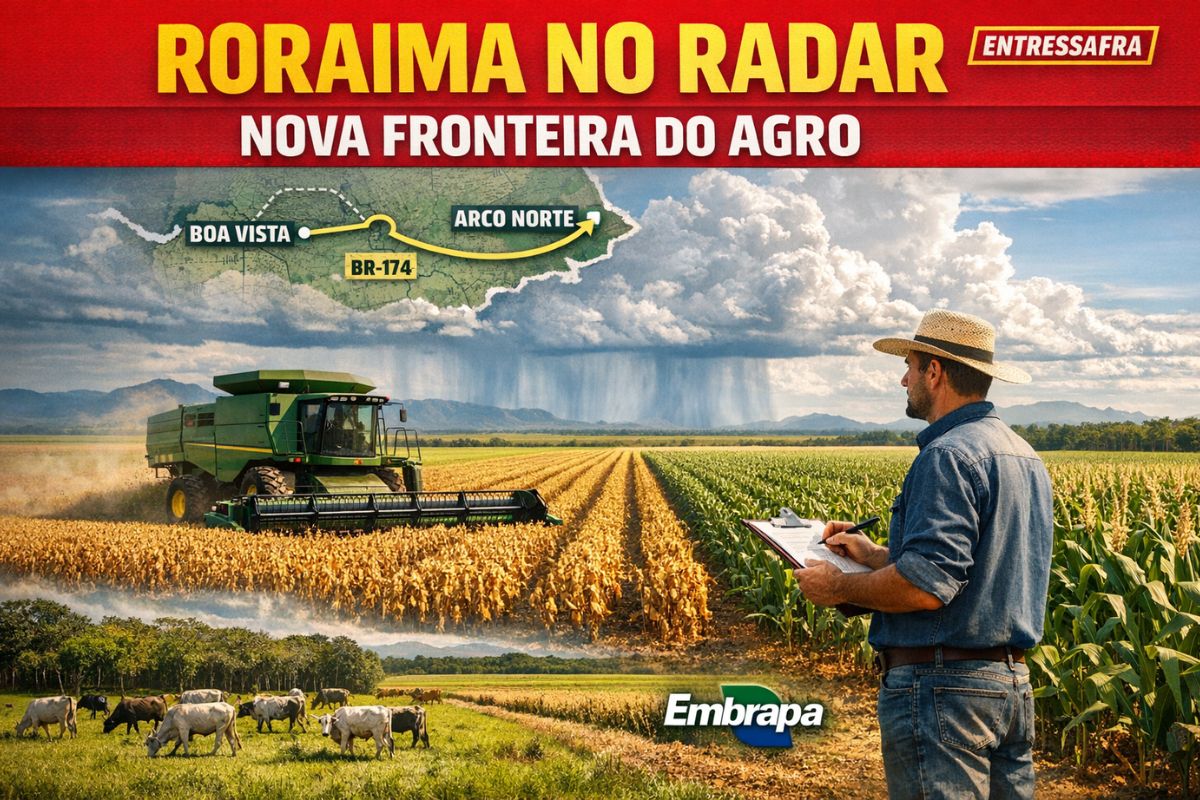
State Seen Only As “The End of the Map” Emerges With Fertile Soil, Favorable Climate, Strategic Planting Window, Soybean, Corn and Integrated Livestock Gaining Weight in National Agriculture.
For a long time, Roraima was remembered only as a distant region, with isolated forests and little connectivity to the rest of the country. In practice, however, what is seen today is a very different scenario: a vast open field of flat savanna, where fertile soil, favorable climate, and good light conditions have transformed the state into ideal land for those living off agriculture.
This advancement did not happen by chance. In recent decades, applied research, cultivar adaptation, and modern integrated crop-livestock-forestry models have changed the map of the North. Roraima is beginning to emerge as one of Brazil’s most promising agricultural frontiers, combining fertile soil, favorable climate, and a planting window different from the rest of the country, which allows production when the market is more heated.
From Isolated Forest to Vast Cultivation in the North
When talking about Roraima, many people still imagine only dense forests, isolation, and “the beginning of the end of the country.” The reality on the ground is different. Today, in numbers, the state is described as a vast cultivated area of open, flat savanna, perfect for agriculture. The agricultural landscape is advancing, with large areas of grains and integrated systems, occupying space that was previously ignored by much of Brazil.
-
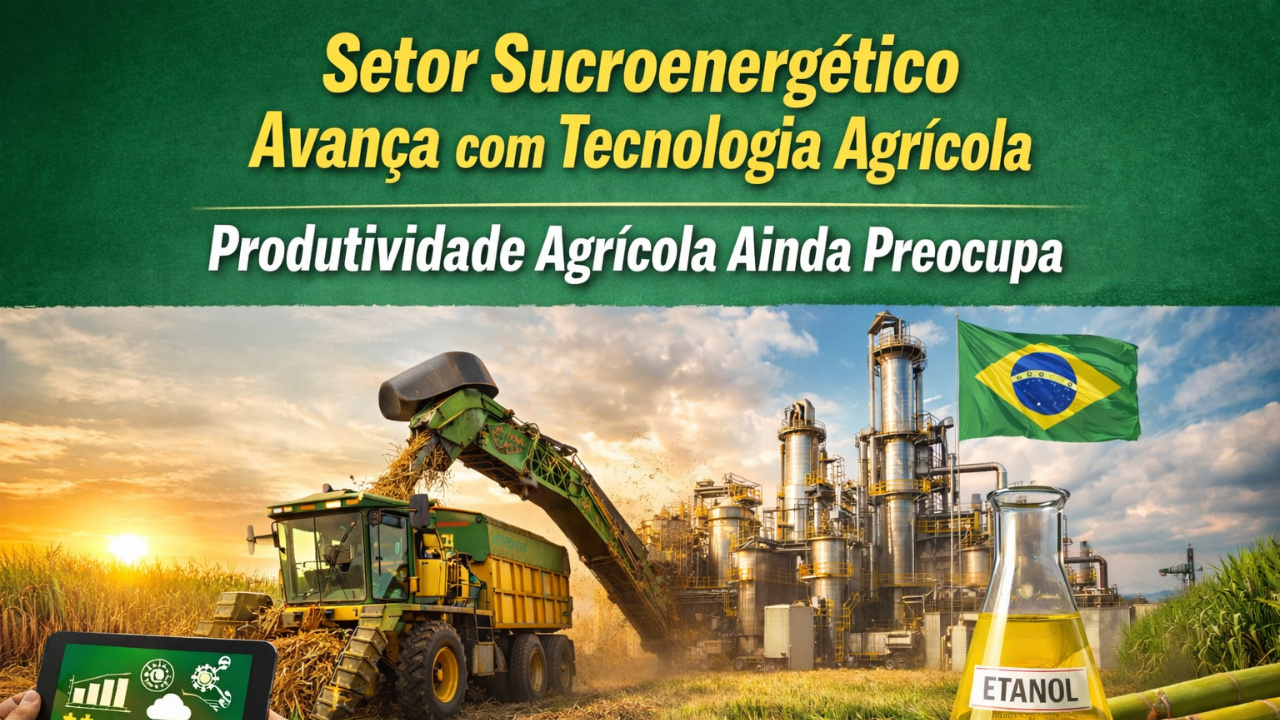
The sugar-energy sector advances with agricultural technology, but agricultural productivity still raises concerns.
-
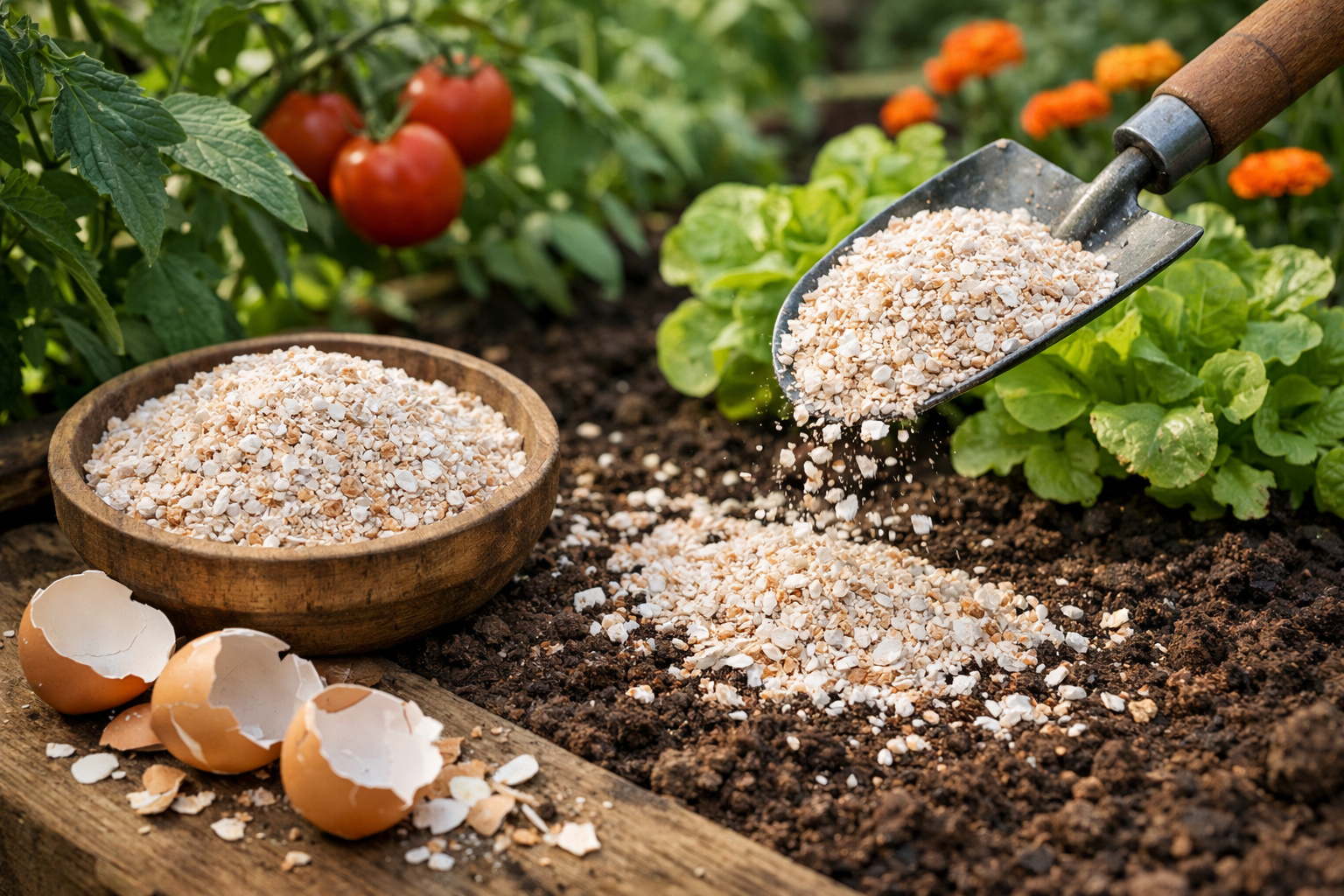
The eggshell that almost everyone throws away is made up of about 95% calcium carbonate and can help enrich the soil when crushed, slowly releasing nutrients and being reused in home gardens and vegetable patches.
-
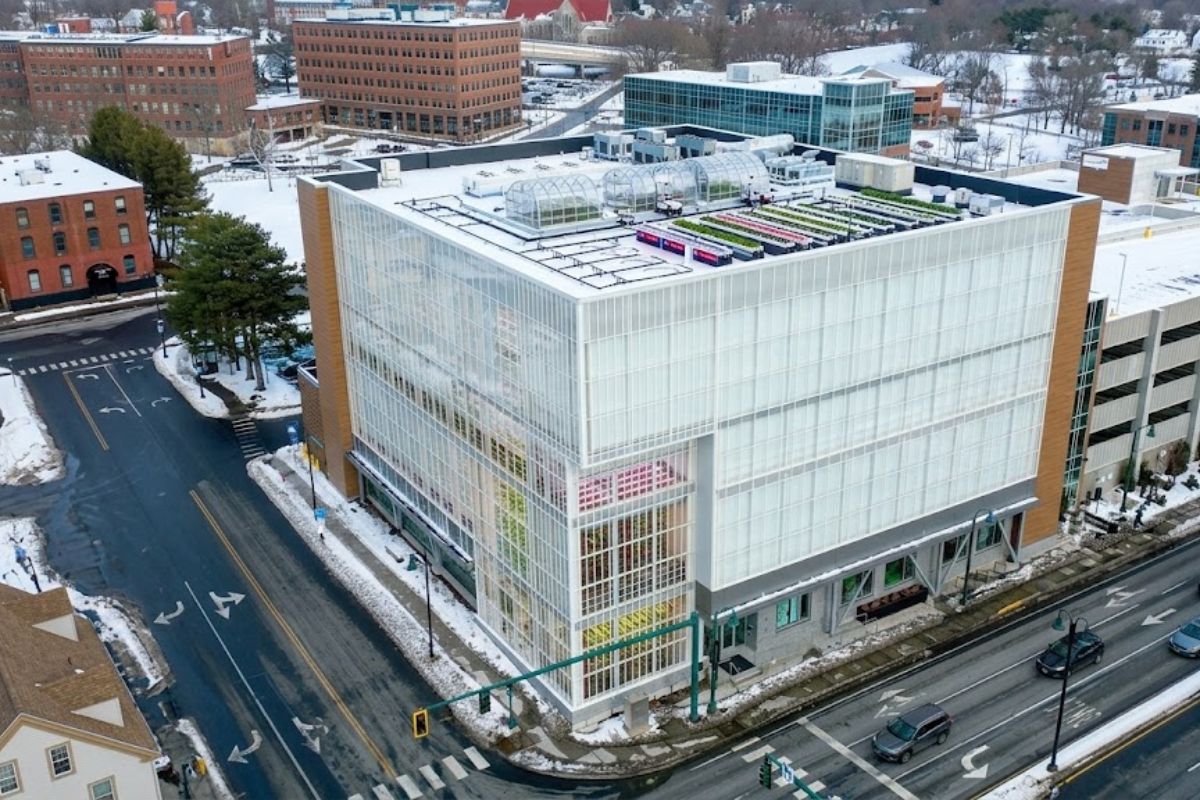
This farm in the United States does not use sunlight, does not use soil, and produces 500 times more food per square meter than traditional agriculture: the secret lies in 42,000 LEDs, hydroponics, and a system that recycles even the heat from the lamps.
-
The water that almost everyone throws away after cooking potatoes carries nutrients released during the preparation and can be reused to help in the development of plants when used correctly at the base of gardens and pots, at no additional cost and without changing the routine.

Roraima is no longer seen as a distant area and is starting to enter the radar of producers looking for new agricultural land with long-term potential. And the starting point, once again, lies in the combination of fertile soil, favorable climate, and abundant light, something that few regions can offer simultaneously.
Fertile Soil, Favorable Climate and Strategic Planting Window
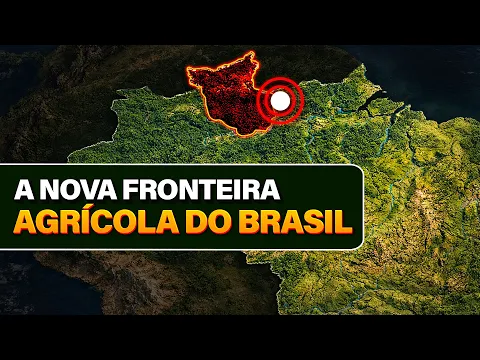

One of the state’s differentiators is the combination of high luminosity, well-distributed rainfall, and a planting calendar different from the standard of the Central-West and South of the country. This combination of fertile soil, favorable climate and strategic window allows production in the off-season, exactly when the market usually pays better for grains.
In practice, this means that the producer can organize the planting and harvesting cycle to occupy periods when other regions are out of the game. With fertile soil, favorable climate responding quickly to correction and proper management, productivity rises, and income tends to follow, especially when the producer knows how to handle marketing and not just production.
Embrapa Technology As The Basis For Expansion
Behind this change of level is a long-term research effort. Since the early 1980s, Embrapa has been studying the so-called “tilled soil” of Roraima, testing fertilizations, differentiated management, and genotypes adapted to the local reality. Today there are already about 15 materials developed specifically for the state, focused on performance and production stability.
The impact of this reaches right to the gate: approximately 70% of crops use varieties developed by Embrapa, which ensures greater security in an environment that is still expanding. When genetics is designed for fertile soil, favorable climate, and specific characteristics of Roraima, the producer benefits in terms of productivity, stability, and the ability to plan new investments.
Soy, Corn, Rice and Integrated Livestock in the Same Area
With the technical base adjusted, soy led the growth. The planted area increased, productivity rose, and thus it opened space for other chains, such as corn in a short-cycle model adapted to its own calendar. It is not the same short cycle as in the Central-West, but a second production cycle adapted to the fertile soil, favorable climate, and the window of Roraima.
In some farms, the system is even more intense: in the summer, irrigated rice is introduced; during the rainy season, soy and corn are planted on the higher parts; in parallel, cattle are raised and finished on the same area. The confinement feed is produced on-site, with soy, corn, silage, and rice by-products. This integrated crop-livestock-forest model (CLF) increases efficiency, reduces total cost, and allows in some cases to triple the number of animals without expanding the area.
Fertile Soil, Favorable Climate and Crop-Livestock-Forestry Integration

In the crop-livestock-forestry integration, soy helps improve soil fertility through nitrogen fixation, grass grows stronger, cattle gain weight better, and manure increases organic matter for the next crop. It is a cycle where fertile soil, favorable climate, and good management drive a chain of profit.
When the system is organized, the same area can produce grains, animal protein, and in some cases, timber in agroforestry systems. Few regions in the country combine fertile soil, favorable climate, space for expansion, and a real opportunity for intensive integration like Roraima.
Industry, Logistics, and New Routes Under Construction
The advancement of production has also stimulated the structure outside the gate. Roraima already has an industry for feed and a factory processing what is produced in the state, which reduces the cost of animal protein and improves the competitiveness of the local price, still considered low compared to other regions.
In logistics, the distance between Boa Vista and the main productive areas is relatively short. The transportation follows BR-174 to a port in Amazonas, from where the grains are shipped for export, on a route shorter than many imagine. The state is getting closer and closer to the ports of the Northern Arc and sees, in the medium term, the potential for new routes, taking advantage of the proximity to Guyana, which is growing driven by oil.
Challenges That Still Hold Back the Growth Rate
Not everything, however, is an advantage. Roraima is still not fully integrated into the national interconnected energy system, which maintains dependence on thermoelectric plants in some areas and raises industrial costs. Land regularization is progressing slowly, environmental licensing is slow, and credit does not keep pace with the expansion. Research institutions also need more support to respond to the growing demand for technology.
These limitations do not negate the potential of the state, but show that there are real barriers to overcome. When energy, land, credit, and regulatory environment issues are resolved, the package of fertile soil, favorable climate, and technology tends to generate an even greater leap in production.
Roraima on the Radar of Those Looking for New Agricultural Land
Today, those in agriculture already understand that every beginning is difficult. Roraima is an old state, but local agribusiness is still in the consolidation phase, far behind regions like Central-West, Southeast, and South. At the same time, the state offers benefits that few places deliver together: fertile soil, favorable climate, quick response to correction, strategic planting window, and functioning crop-livestock integration.
Therefore, many producers arriving with technique, management, and a long-term vision find in Roraima an opportunity similar to what the Central-West was in the 1960s, 1970s, and 1980s. Roraima is consolidating as one of Brazil’s new agricultural frontiers, not through rhetoric, but through results and numbers.
And you, looking at this scenario of fertile soil, favorable climate, and integration in the field, do you believe that Roraima is already a consolidated reality of Brazilian agribusiness, or do you still see the state merely as a promise of agricultural frontier for the future?









-

-

3 pessoas reagiram a isso.