





 Portuguese
  English
  Spanish
  4 min of reading
  0 comments


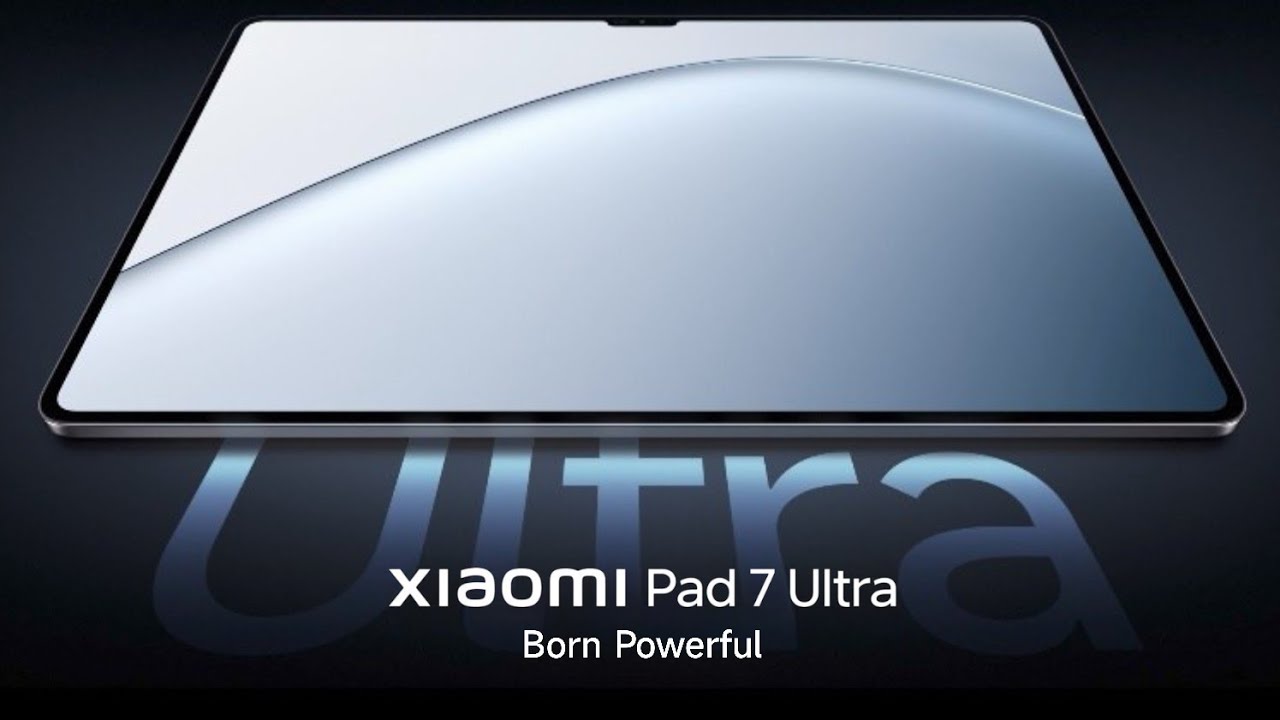
Xiaomi Pad 7 Ultra Brings 14” 3.2K OLED Display at 120 Hz, Xring O1 Chip, Up to 16 GB of RAM, and 12,000 mAh Battery, Focusing on Productivity and Multimedia.
Xiaomi has aggressively raised the bar for Android tablets with the launch of the Pad 7 Ultra. The model was introduced in China as a device focused on heavy productivity, high-level multimedia consumption, and sustained performance, occupying a space that was only recently dominated by iPads Pro and ultrathin laptops. The big differentiator lies in the combination of a giant 14-inch OLED display with 3.2K resolution, 120 Hz refresh rate, proprietary Xring O1 chip, and a battery of approximately 12,000 mAh.
In practice, the Xiaomi Pad 7 Ultra stops being just a “large tablet” and starts functioning as a hybrid platform for work, study, content creation, and high-level entertainment, something that completely changes the perception of Android in the premium segment.
14” 3.2K OLED Display: Professional Monitor Standard in Portable Format
One of the greatest impacts of the Xiaomi Pad 7 Ultra is the display. The 14-inch OLED panel with an approximate resolution of 3200 × 2136 pixels (3.2K) and a refresh rate of 120 Hz places the tablet in a rare level within the Android ecosystem.
-
While the world looks at oil, the war with Iran is already disrupting helium supply from Qatar, affecting car and iPhone chips, threatening AI expansion, and putting pressure on aluminum packaging at the highest value in four years.

-
Global warming will expose a treasure hidden under the ice of Antarctica and may spark an international dispute over gold and valuable minerals.

-
A street vendor from Praia Grande built a robot made of scrap from scooters and washing machines that pulls his popcorn cart on the beach, emits sounds, and interacts with customers, becoming an attraction on the coast of São Paulo.

-
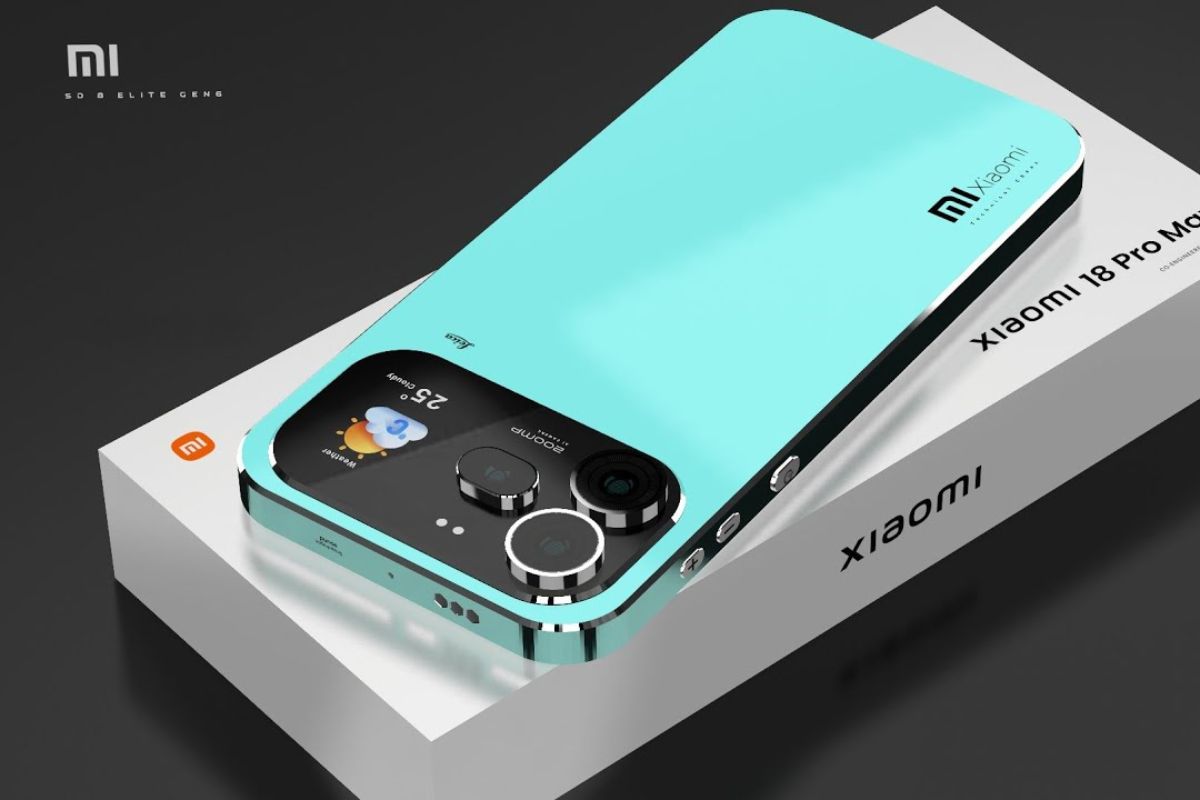
The specifications of the Xiaomi 18 Pro Max have been leaked, and the highlight is a dual 200 MP camera with a new 22-nanometer technology that promises to consume less energy and capture details in shadows and bright areas using LOFIC HDR.


This setup delivers:
- Absolute contrast typical of OLED
- True blacks for movie and series consumption
- Ultra-high clarity for reading, image editing, and spreadsheets
- Real fluidity for navigation, gaming, and video editing
The 3:2 aspect ratio of the display favors productivity, making it ideal for documents, web browsing, office apps, PDF editing, and academic content. In multimedia, the experience approaches that of compact premium TVs, something uncommon in tablets.
Xring O1 Chip: Xiaomi Fully Enters the Game of Proprietary Processors
Another historic point of the Pad 7 Ultra is the debut of the Xring O1 processor, a chip developed by Xiaomi itself. It represents an important strategic shift: the company is beginning to reduce its total dependence on Qualcomm and MediaTek in certain segments.
The Xring O1 was designed for:
- Consistent performance in heavy multitasking
- Low energy consumption in continuous tasks
- High thermal efficiency for long usage sessions
- Specific acceleration for local AI, imaging, and video
In practice, the tablet manages to maintain high performance for long periods without sharp drops in performance, which is essential for those who use heavy applications such as graphic editors, video editing software, light 3D modeling, architectural apps, and advanced multitasking with multiple windows open.
Up to 16 GB of RAM and 1 TB of Storage: Premium Laptop Standard
The Xiaomi Pad 7 Ultra can reach configurations with up to 16 GB of RAM and 1 TB of internal storage, figures that were previously exclusive to premium laptops.
This allows:
- Instant loading of heavy apps
- Quick switching between windows without reloading
- Editing large files without bottlenecks
- Local storage of entire libraries of videos, projects, and games
This setup transforms the Pad 7 Ultra into a true mobile workstation within the Android universe.
12,000 mAh Battery: Ultraportable Laptop Autonomy
The battery of approximately 12,000 mAh places the Pad 7 Ultra among the tablets with the highest autonomy ever produced by Xiaomi. This capacity allows:
- Prolonged use in productivity
- Multiple hours of video editing
- Marathons of movies and series in 4K
- Classes, meetings, and studies without relying on a power outlet
The set also features fast charging, maintaining Xiaomi’s standard of drastically reducing the time needed to recharge large batteries.
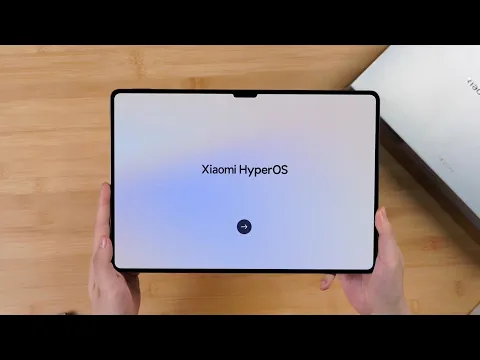
HyperOS on Android 15: Redesigned Interface for Giant Screens
The system of the Pad 7 Ultra is the HyperOS based on Android 15, optimized specifically for large screens. The focus is on:
- Window multitasking
- Dynamic screen splitting
- Dragging files between apps
- Integration with Xiaomi smartphones and laptops
- Continuity of tasks across devices
In practice, the tablet functions as a productivity hub connected to the brand’s ecosystem, particularly for those already using Xiaomi smartphones, earbuds, and laptops.
Productivity, Content Creation, and Multimedia at the Core of the Proposal
The Xiaomi Pad 7 Ultra was not designed as a direct substitute for a gaming PC, but rather as a real alternative to ultrathin laptops for light and medium work, in addition to being one of the best Android devices ever made for:
- Photo and video editing
- Digital illustration
- Graphic design
- Light architecture
- Advanced studies
- Premium streaming and multimedia
- Heavy gaming within the Android ecosystem
With an optional physical keyboard and support for a stylus, the tablet easily transforms into a hybrid creation platform.
What the Pad 7 Ultra Represents for the Future of Android Tablets
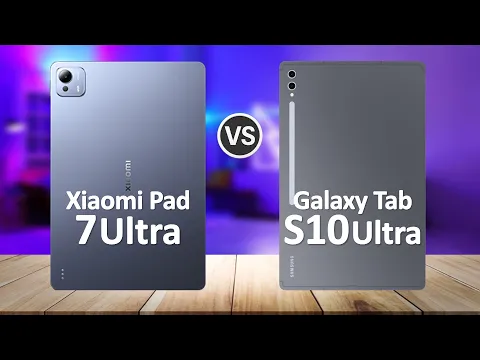
The launch of the Pad 7 Ultra marks a turning point for Android in the large-screen segment. It shows that the system is now capable of directly competing with iPads Pro and lightweight laptops in various real-use scenarios.
Xiaomi no longer tries to compete only on cost-benefit. With the Pad 7 Ultra, the company fully engages in the extreme premium segment, offering one of the most advanced setups ever seen in an Android tablet.








-

-

-

-

-

-

85 pessoas reagiram a isso.