





 Portuguese
  English
  Spanish
  2 min of reading
  0 comments


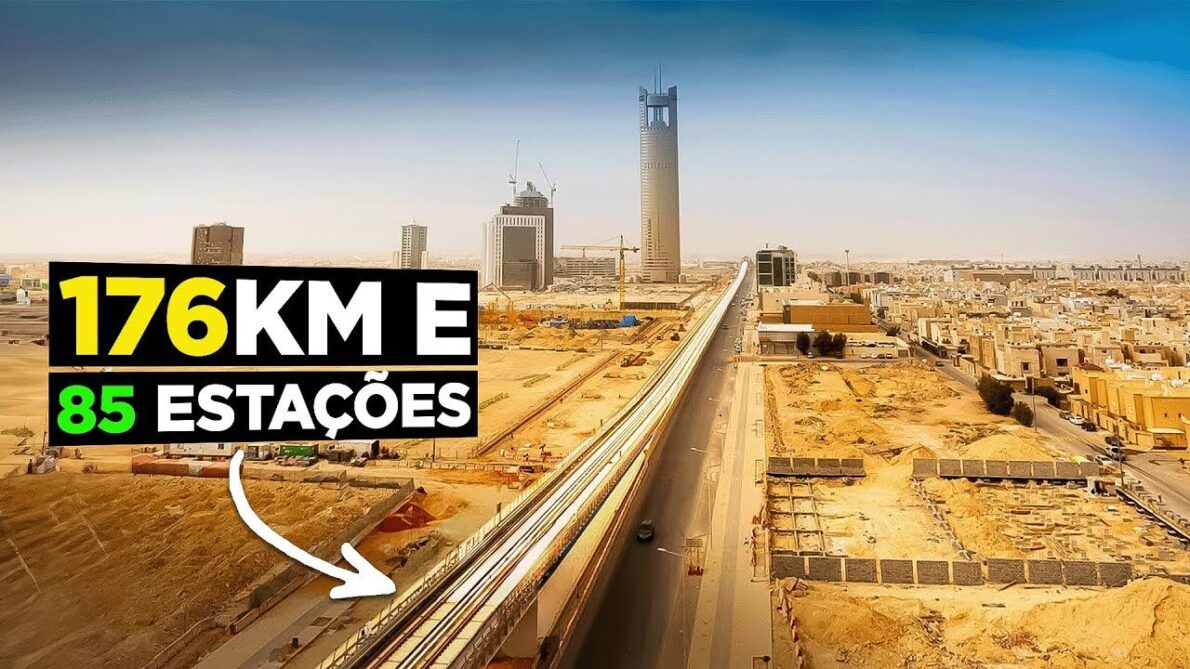
Saudi Arabia, Known for Its Oil Wealth, Takes a Giant Step Towards Modernization with the Riyadh Metro. This Ambitious Project, with an Impressive Cost of $22 Billion, Not Only Revolutionizes Transportation in the Capital but Also Opens New Doors for the Economic and Social Development of the Country.
The Riyadh Metro, in Saudi Arabia, Covers a Metropolitan Area of 2,500 km². With Six Planned Lines, This Transportation System Will Extend for 176 km, Connecting Shopping Centers, Financial Districts, and Residential Areas. The 85 Stations Have Been Designed with Futuristic Architecture, Offering a Comfortable and Stylish Travel Experience for Passengers.
The Project Started in 2014 and Involves Over 30,000 Workers from Various Nationalities. In Addition to Its Considerable Extension, the Riyadh Metro Has a Fleet of 470 Electric Trains, Each with a Capacity for 231 Passengers. This Will Allow for the Daily Transportation of Over 3 Million People, Alleviating the City’s Congested Road Network and Reducing Pollution Levels.
Why Did Saudi Arabia Decide to Invest in This Project?
The Answer Lies in the Rapid Population Growth and Economic Expansion of Riyadh, Saudi Arabia. The Government Recognized the Urgent Need to Improve Urban Mobility and Launched the Project in 2012 as a Solution to Traffic Congestion and Air Quality Improvement. The Riyadh Metro is a Crucial Component of Vision 2030, an Initiative Aimed at Diversifying the Saudi Economy and Reducing Dependence on Oil.
-
New CCR concrete paving technology promises roads up to 3x more durable, less maintenance, and cost reduction in Brazil.

-
Made from recycled plastic, plastic wood is gaining space in the construction industry because it does not rot, resists moisture, and reduces maintenance costs over the years.

-
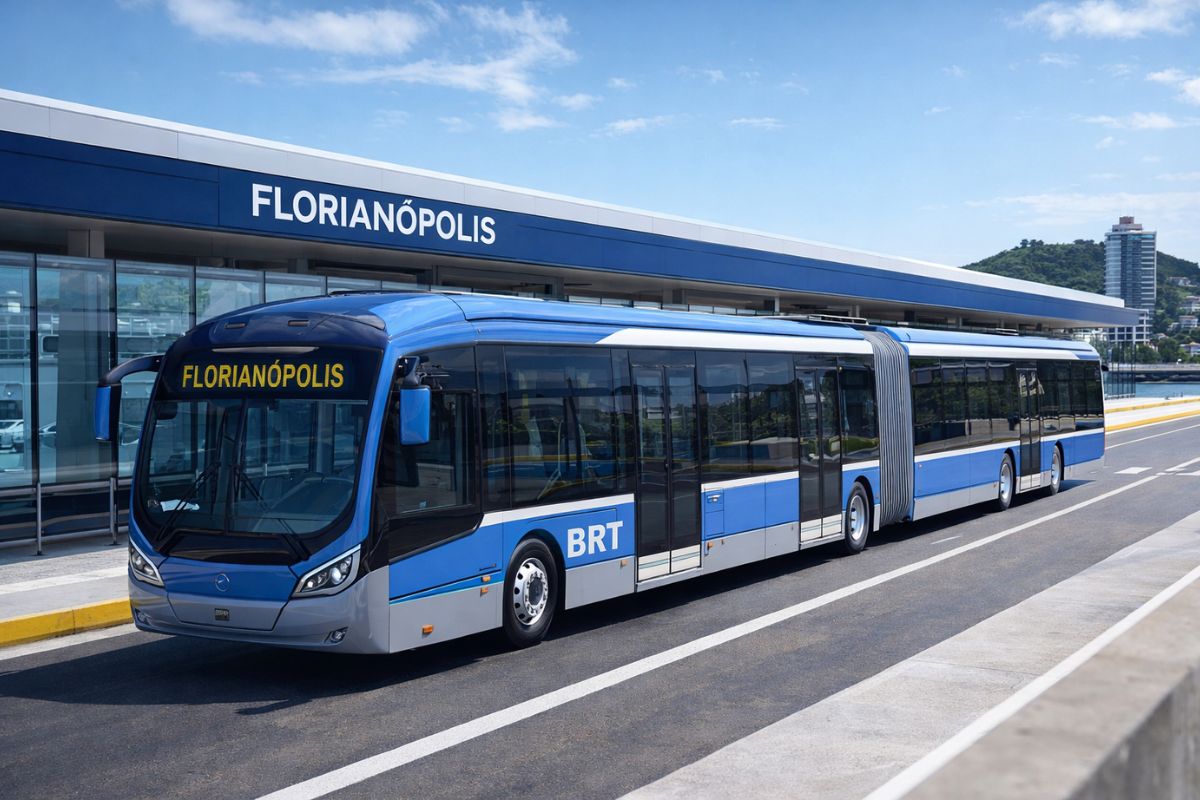
Florianópolis will receive a million-dollar BRT that will begin construction in 2026 with nearly 400 million in funding from the federal government and the Inter-American Development Bank, and the map already shows the routes for the exclusive bus corridors.
-
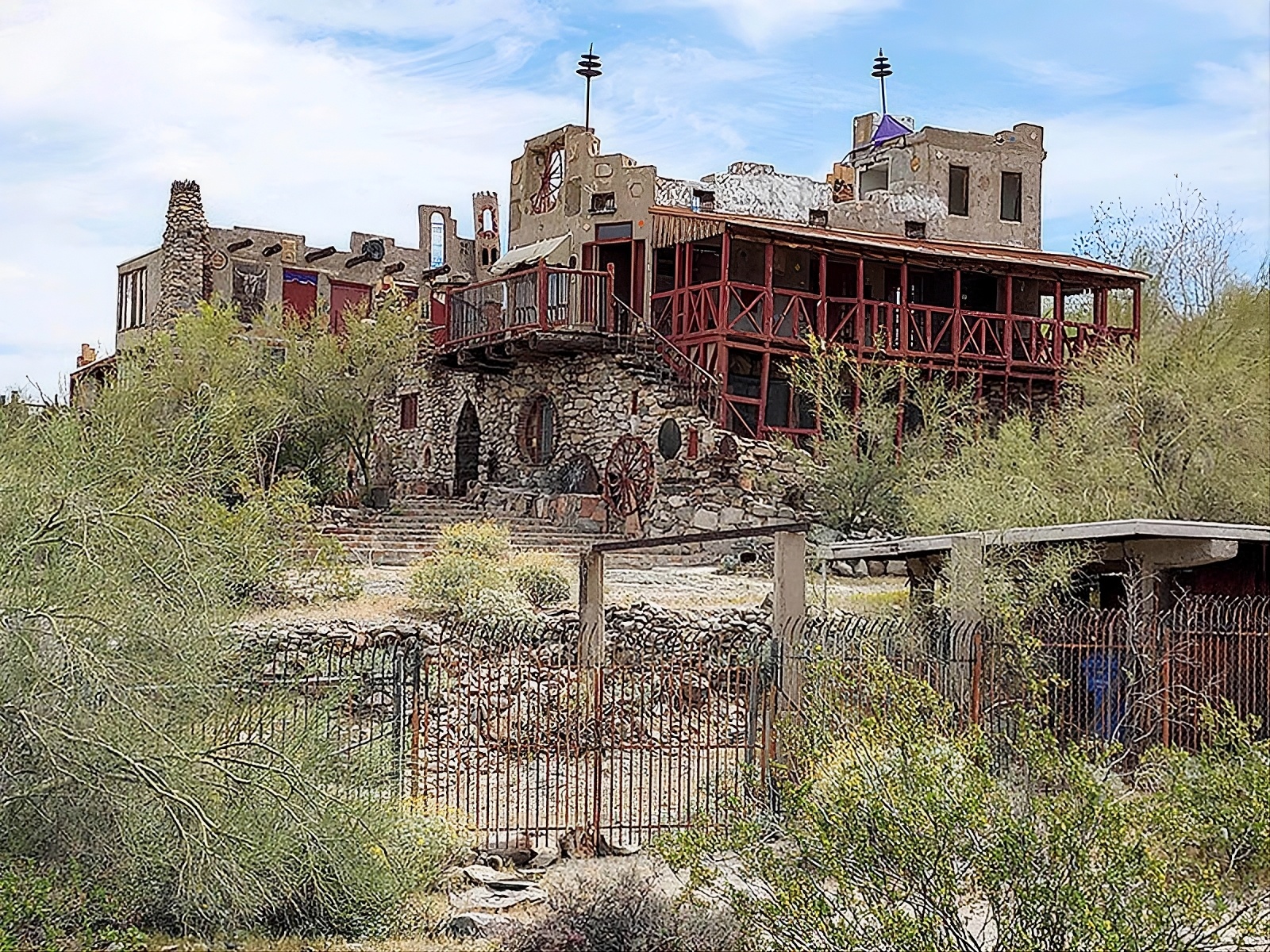
Without a blueprint, without an engineer, and using scrap from the dump, a father spends 15 years building an 18-room castle for his daughter, featuring tram tracks, 13 fireplaces, and over 700 m², which may now be demolished.
The Construction of the Riyadh Metro Faced Unique Technical and Logistical Challenges in Saudi Arabia. The Excavation of Underground Tunnels and the Construction of Modern Stations Required State-of-the-Art Technology and Advanced Building Methods. Cutting-Edge Tunnel Boring Machines Were Used to Create Over 63 km of Underground Tunnels, While the Stations Were Built with Modular Techniques to Ensure Speed and Efficiency.
Compared to the São Paulo Metro, the Riyadh Metro Has 176 km of Extension, 40% More Than the 104.4 km of the São Paulo System
The Budget of $22 Billion Also Stands Out, Being Equivalent to Almost 115 Billion Reais, an Amount That Would Cover 23 Years of Investments in the São Paulo Metro. As the Riyadh Metro Nears Completion, It Is Expected to Transport Up to 3.6 Million Passengers Daily, Significantly Reducing Congestion and Pollution Levels.
The Project Will Boost Economic Development, Connecting Neighborhoods and Financial Districts, Facilitating Access to Jobs and Attracting Investments. The Riyadh Metro Is Not Only a Marvel of Modern Engineering but a Symbol of Saudi Arabia’s Transformation, Opening Doors to a More Diverse and Sustainable Future.










Seja o primeiro a reagir!