





 Portuguese
  English
  Spanish
  6 min of reading
  0 comments


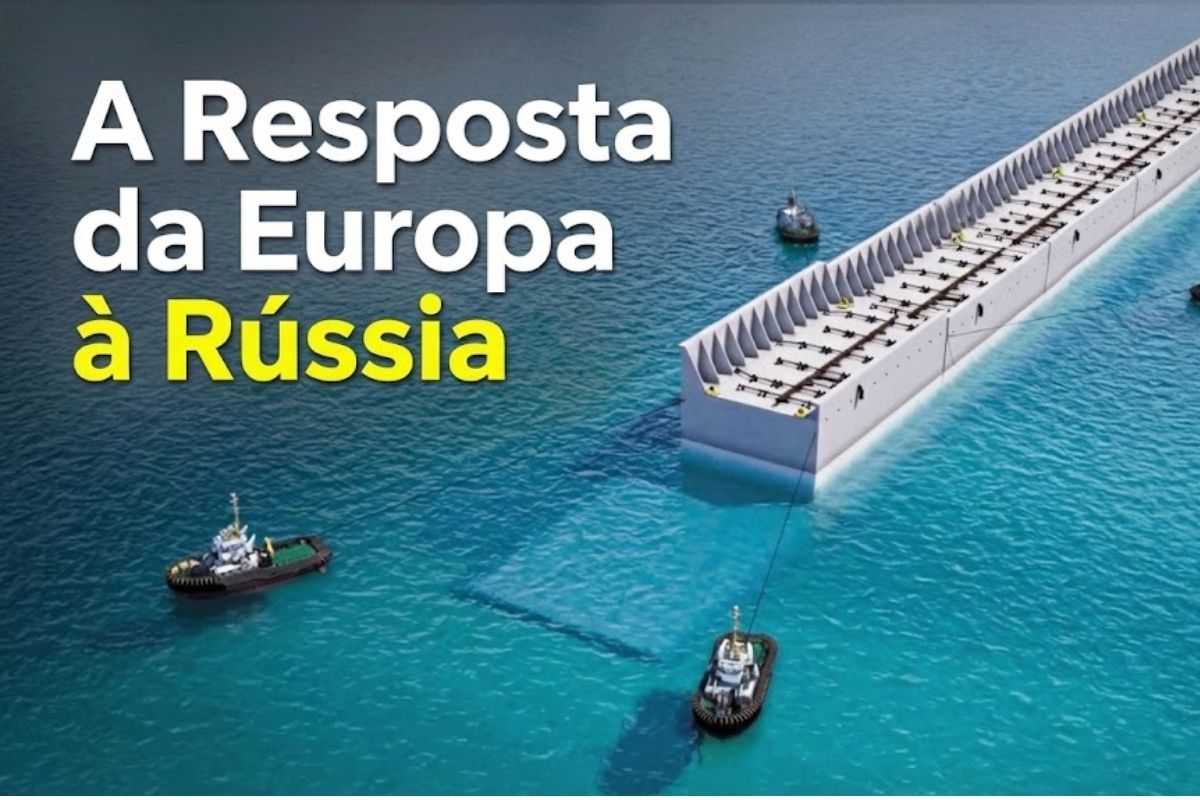
Designed As A Multi-Country Energy Island In The North Sea, The Princess Elisabeth Will Connect Wind Farms And High-Voltage Cables For Belgium And Neighbors, But Rising Costs, Regulatory Delays, And A Lack Of Direct Current Equipment Threaten The Timeline And Viability Of The Project In The Long Term
The energy island Princess Elisabeth is presented as a central piece of the new European strategy to transform the North Sea into a super hub for renewable generation. The artificial structure, estimated to cost around US$ 7 billion, promises to concentrate wind energy from various offshore parks and redistribute it to countries such as Belgium, the United Kingdom, and Denmark, reducing dependence on fossil fuels and gas imports.
At the same time, this megaproject makes the Princess Elisabeth a real-scale laboratory for the future European offshore electricity grid. The success or failure of the energy island could accelerate cross-border integration of renewables or, conversely, expose the technological and financial limits of the current offshore wind energy supply chain in the North Sea.
What Is The Princess Elisabeth Energy Island

The energy island Princess Elisabeth will be built about 45 kilometers from the coast of Belgium, in an area of the North Sea reserved for new offshore winds energy parks.
-
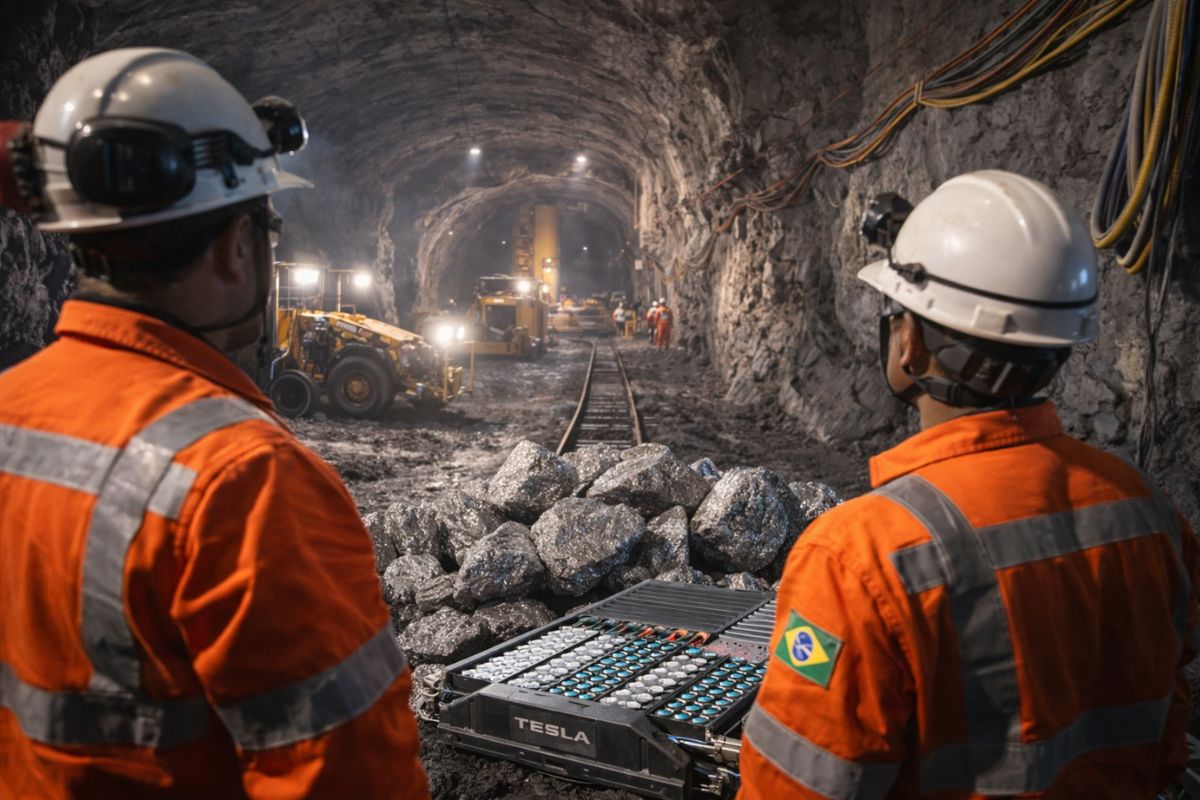
The Brazilian state enters the center of the global race for critical minerals by starting the construction of the largest underground nickel mine in Latin America, a mineral essential for electric car batteries that the entire world is competing for at this moment.
-
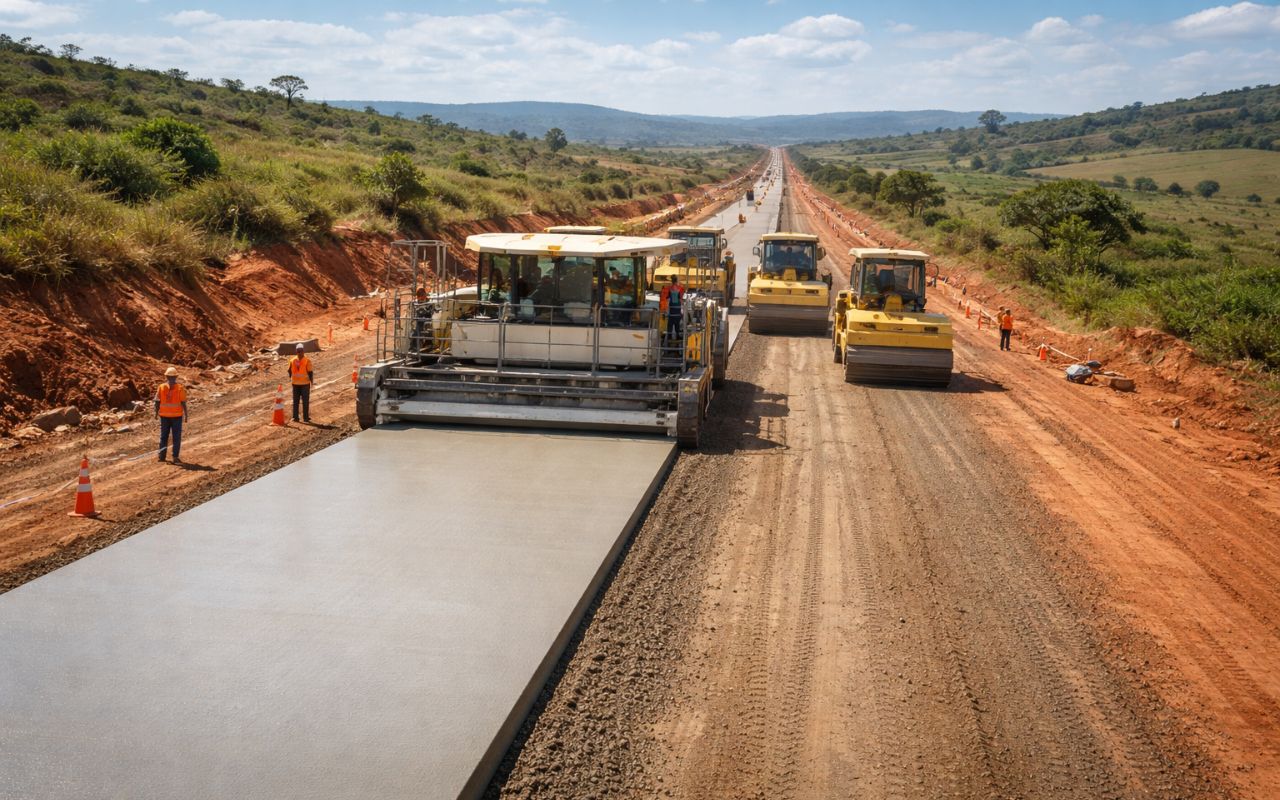
New CCR concrete paving technology promises roads up to 3x more durable, less maintenance, and cost reduction in Brazil.
-
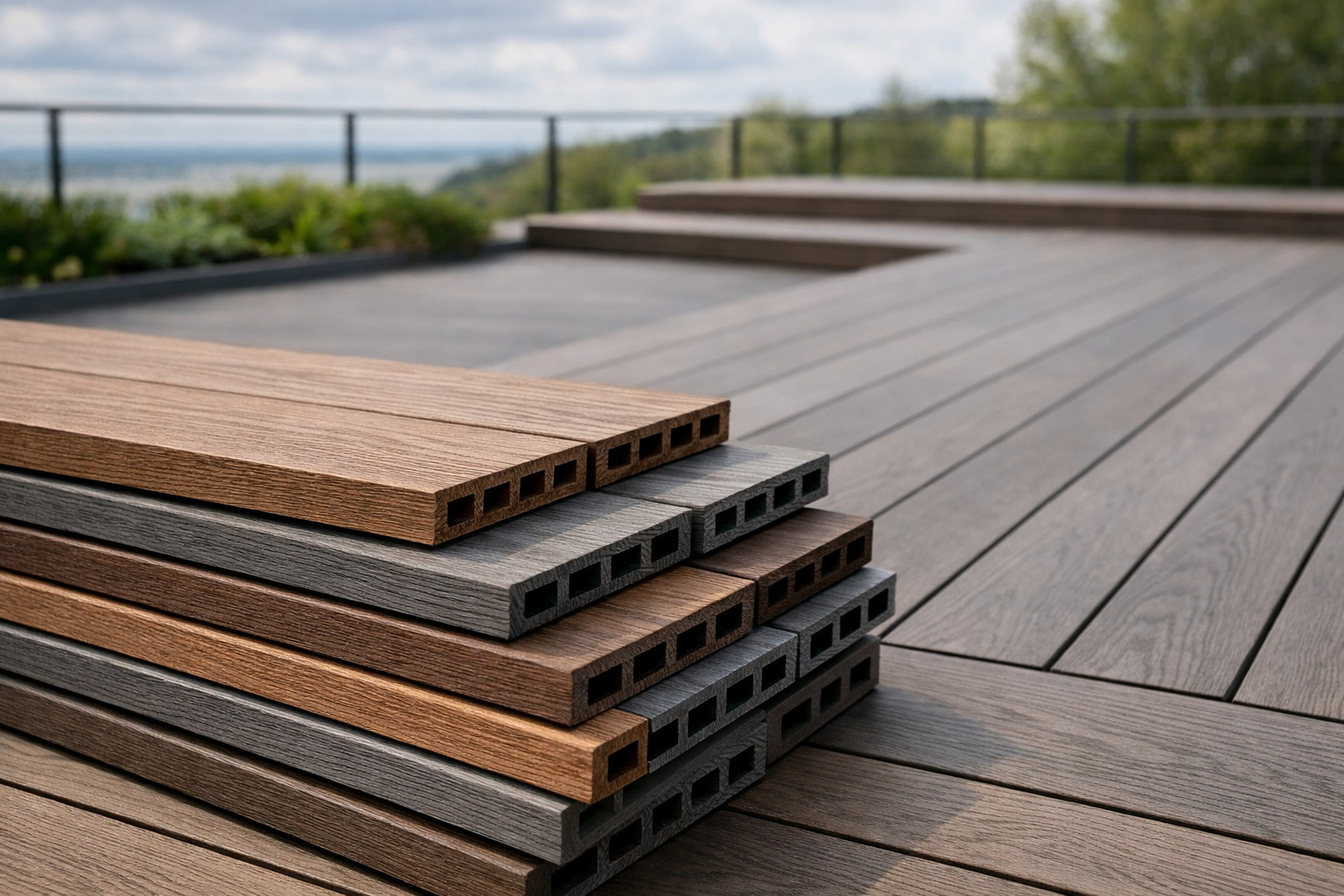
Made from recycled plastic, plastic wood is gaining space in the construction industry because it does not rot, resists moisture, and reduces maintenance costs over the years.
-
Florianópolis will receive a million-dollar BRT that will begin construction in 2026 with nearly 400 million in funding from the federal government and the Inter-American Development Bank, and the map already shows the routes for the exclusive bus corridors.

Instead of installing individual substations in each park and bringing separate cables to shore, the concept concentrates everything in a single large platform, built as an artificial island of sand and concrete.
In practice, the Princess Elisabeth will function as an electric hub: it will receive, in alternating current, the production of the winds energy parks in the so-called Princess Elisabeth zone and will convert it to direct current, which is more efficient for long distances.
From there, this energy will be exported to Belgium and to other countries around the North Sea, consolidating the role of the energy island as a strategic node of the future European grid.
How The Energy Island Integrates Belgium, The United Kingdom, And Denmark

The plan is not limited to strengthening the energy security of Belgium.
The energy island was designed as a physical connection point between different national networks, using high-capacity submarine cables in direct current.
Among the expected connections are the Nautilus project, which will link the Princess Elisabeth to the United Kingdom, and the Triton Link, planned to integrate the island with Denmark.
With this, the North Sea ceases to be just a field of winds energy offshore and begins to operate as a large shared clean network.
In times of strong winds off the Belgian coast, the surplus can be sent to the United Kingdom or Denmark.
In opposite situations, Belgium can import electricity via the same infrastructure.
If it works as expected, the Princess Elisabeth will become a prototype of a multi-country interconnector supported by an energy island, replicable at other points along the European coast.
Engineering And Construction Of The Energy Island
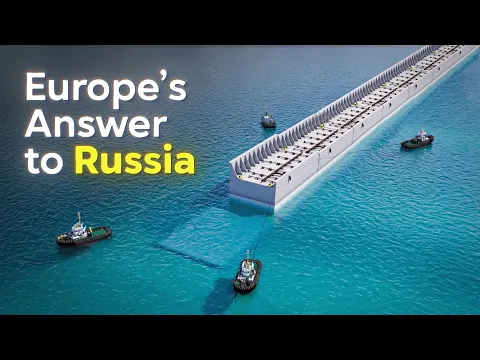

From an engineering perspective, the energy island combines solutions already mastered by the maritime industry with high-complexity electrical requirements.
The base consists of large concrete caissons, hollow structures with dozens of meters in height, settled on a bottom of the North Sea with about 18 meters depth.
Once positioned, these modules are filled with sand and debris to ensure stability.
Within the perimeter, dredgers deposit millions of cubic meters of sand until forming a platform of approximately six hectares, compacted by techniques like vibrocompaction to prevent differential settlements.
Only then is the electrical infrastructure installed: alternating current substations, high voltage direct current (HVDC) converters, protection systems, and export cables to Belgium and future international interconnectors.
The expectation is that the physical structure of Princess Elisabeth will be ready by around 2028, allowing progress on the most sensitive part of the project, which is precisely the conversion and management of winds energy on a large scale.
Environmental Measures And Pressures On The Ecosystem
The project of the energy island was designed with a package of measures called “inclusive design with nature,” to reduce impacts on the fragile ecosystem of the North Sea.
Uneven surfaces and artificial reefs are planned around the structure, to stimulate colonization by shellfish and other marine organisms, as well as platforms aimed at birds such as black-legged gulls, common in the region.
Still, environmental groups warn of the cumulative risks of mass expansion of winds energy offshore, combined with maritime traffic and heavy construction at sea.
They question whether Belgium and its partners have sufficient continuous monitoring to ensure that the Princess Elisabeth does not exacerbate pressure on already stressed habitats.
The regulatory response to these concerns is an important part of the project timeline and influences the very operating license of the energy island.
Where The Plan Gets Stuck: Technology, Costs, And Timeline
If on paper the energy island seems the ideal solution to organize the winds energy of the North Sea, in practice the project encounters very concrete bottlenecks.
The most sensitive of these is in the high voltage direct current technology used to transmit energy over long distances with lower losses.
There are few global manufacturers capable of providing converters and HVDC substations of this size, and demand has skyrocketed with the European race for new offshore connections.
This scarcity has driven prices up and delayed contracts, pushing back the most critical part of the project.
In Belgium, energy buyers have requested a review of costs, and the direct current component of Princess Elisabeth was temporarily suspended, affecting the timeline of the energy island.
Estimates that spoke of full connection to the grid by around 2030 now mention dates closer to 2032, with the risk of further delays if costs remain high or if HVDC suppliers fail to deliver at the expected pace.
Systemic Risk For The North Sea Wind Plan
Delays in the energy island have effects that go beyond Belgium.
The Princess Elisabeth is treated as a pilot piece in the European ambition to make the North Sea the “green power plant” of the continent, with hundreds of gigawatts of installed winds energy by 2050.
If the first multi-country hub encounters difficulties in making its converters, long-term contracts, and interconnections viable, other similar projects may be postponed or resized.
In practice, this means that part of the decarbonization strategy and the replacement of Russian gas depends on a single proof of concept: an artificial energy island, highly complex and expensive, planted in one of the most tempestuous seas on the planet.
The performance of the Princess Elisabeth as a reliable and financially sustainable hub will be closely monitored by the United Kingdom, Denmark, and other partners, who see in this model an opportunity to share the risks and benefits of the energy transition.
What Is At Stake For Belgium And The European Transition
For Belgium, the energy island is both a project of energy security and geopolitical positioning.
If the Princess Elisabeth works as expected, the country will establish itself as a central point in the electricity grid of the North Sea, gaining relevance in coordinating flows of winds energy among various economies.
On the other hand, a potential failure or shortening of the project could lead to billion-dollar losses, reputational damage, and missed opportunities in the race for investments in renewables.
On a European scale, the outcome of this megaproject will help answer a crucial question: is it technically and financially feasible to operate an integrated offshore network of winds energy based on multiple hubs like the Princess Elisabeth, connecting Belgium, the United Kingdom, Denmark, and other countries through energy islands in the North Sea?
The answer, whether positive or negative, will shape the next steps of the energy policy of the bloc and the appetite of private investors to replicate this model on a large scale.
In the end, the Princess Elisabeth is more than an engineering project: it is a real-time stress test for the European energy transition.
The energy island could become a symbol of a new generation of shared infrastructures, or a reminder that climate ambition must walk hand in hand with robust production chains, stable regulation, and well-calibrated financing models.
Do you think Europe will be able to overcome costs, delays, and technological bottlenecks to transform the North Sea into this interconnected clean network that the Princess Elisabeth energy island promises to inaugurate?





-

Uma pessoa reagiu a isso.