





 Portuguese
  English
  Spanish
  6 min of reading
  0 comments


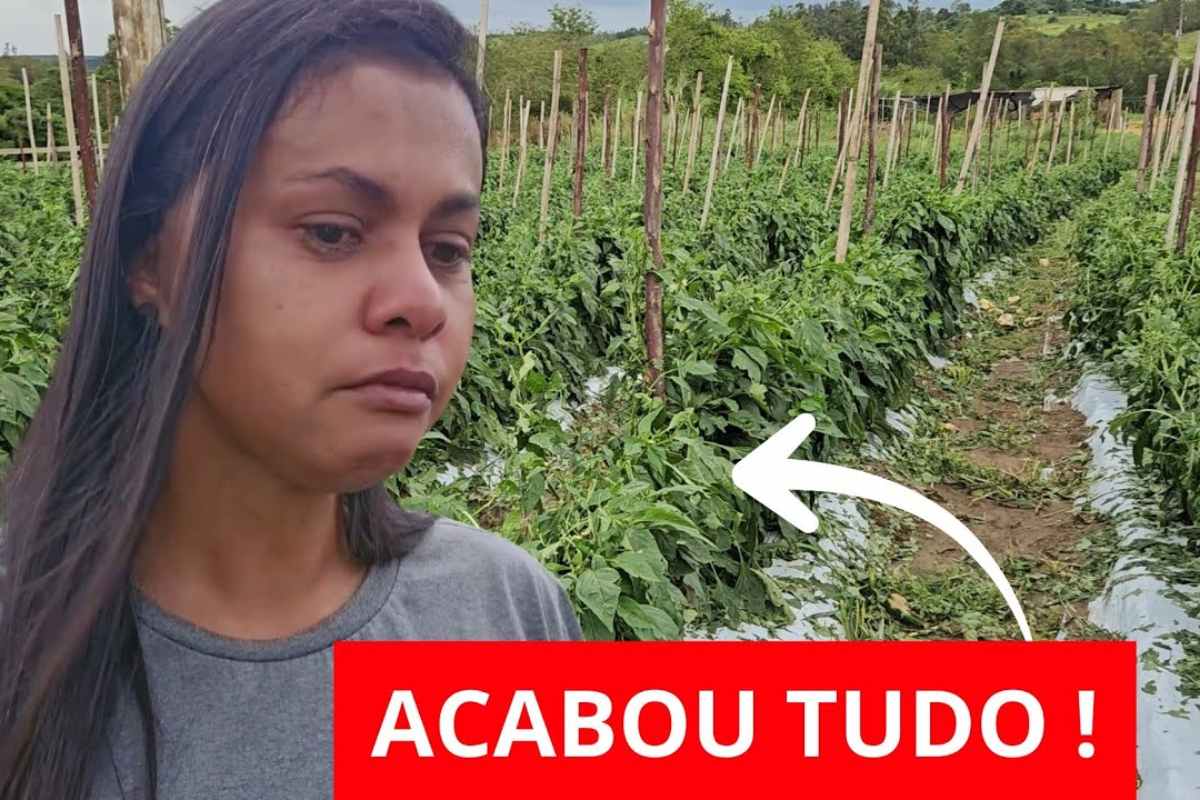
In A Few Minutes, The Hailstorm Devastated The Crop That Would Pay Bills For December And January, Destroyed First-Class Peppers, Left A Family In Debt, Without Guaranteed Income And Exposed The Fragility Of Open Field Agriculture In Today’s Brazil, Without Insurance, Without Greenhouse And Without Any Financial Reserve
The scene repeats itself in different regions of the country, but the pain is always particular. At Erika’s farm in Ibaiti, Paraná, where pepper cultivation was the main source of income, a hailstorm was enough to turn months of work into total loss. What would be the breath to pay accumulated bills became an emptiness in the field and on the spreadsheet.
Before the rain, there was planning, accounts made and hope. The same crop that now appears shredded in leaves and crushed fruits was, days before, a reason for joy in videos and conversations. The producers believed they had finally gotten the planting right, in terms of timing and price, to the point of seeing there the salary for three months.
Crop Destroyed In Minutes, Bills Full For Months

The hail did not only hit the plants.
-
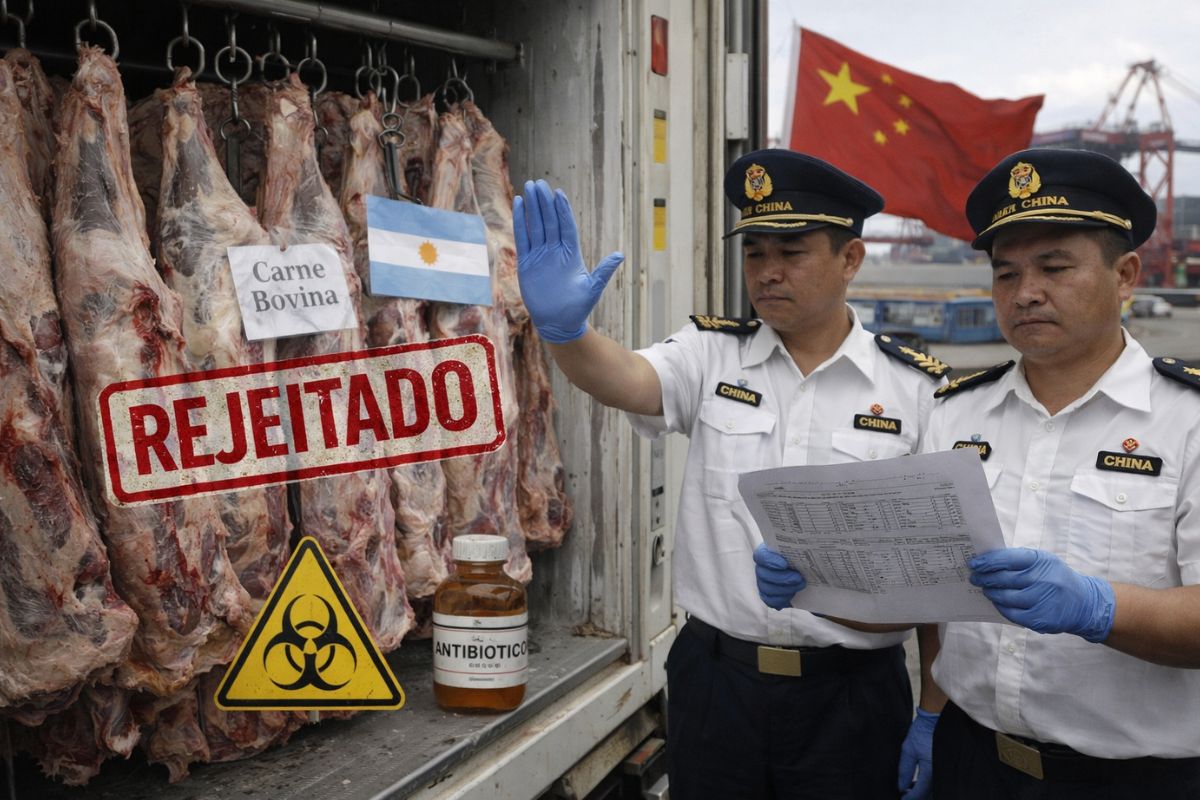
China rejected an entire shipment of beef from Argentina after detecting an antibiotic so dangerous that it has been banned for human consumption for over 30 years, and now the export sector is facing a crisis of international trust.
-
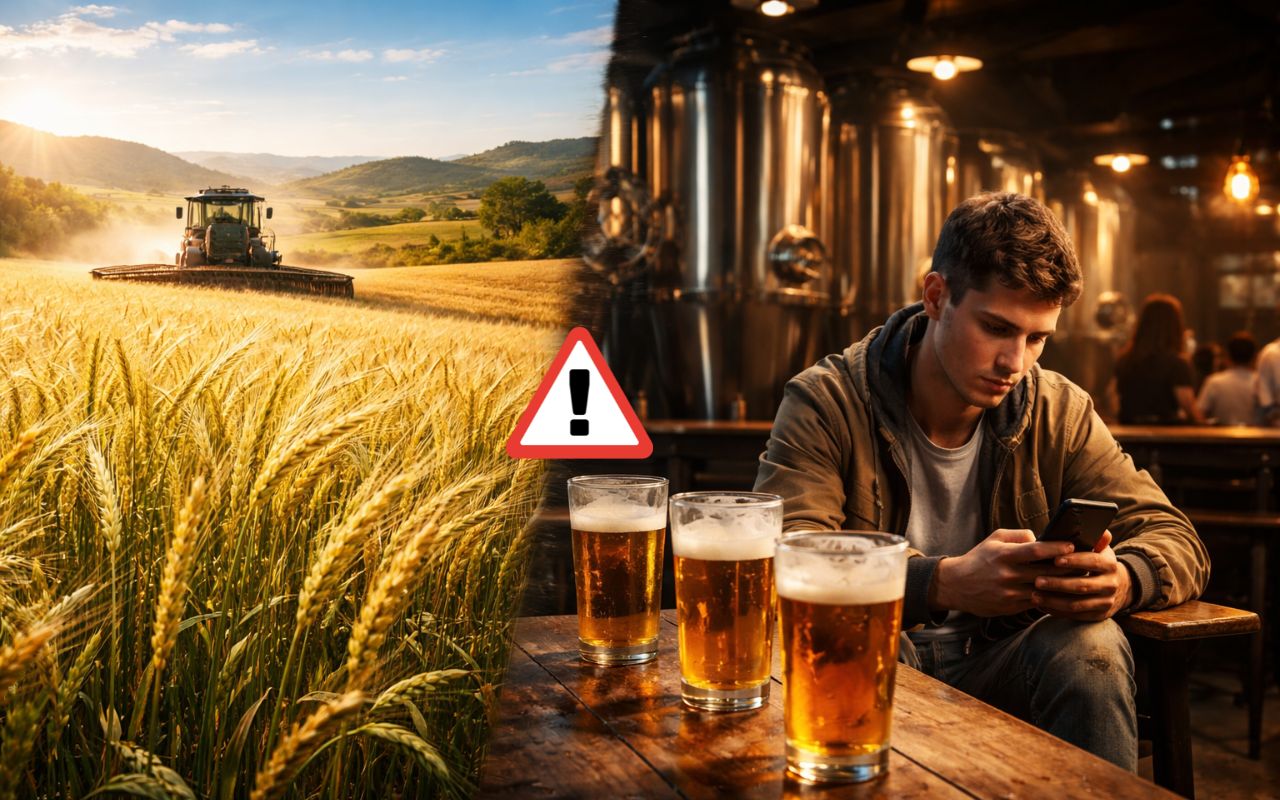
With nearly 500 thousand tons per year, barley production is growing in Brazil, while a decline in beer consumption among Generation Z raises alarms in the sector.
-
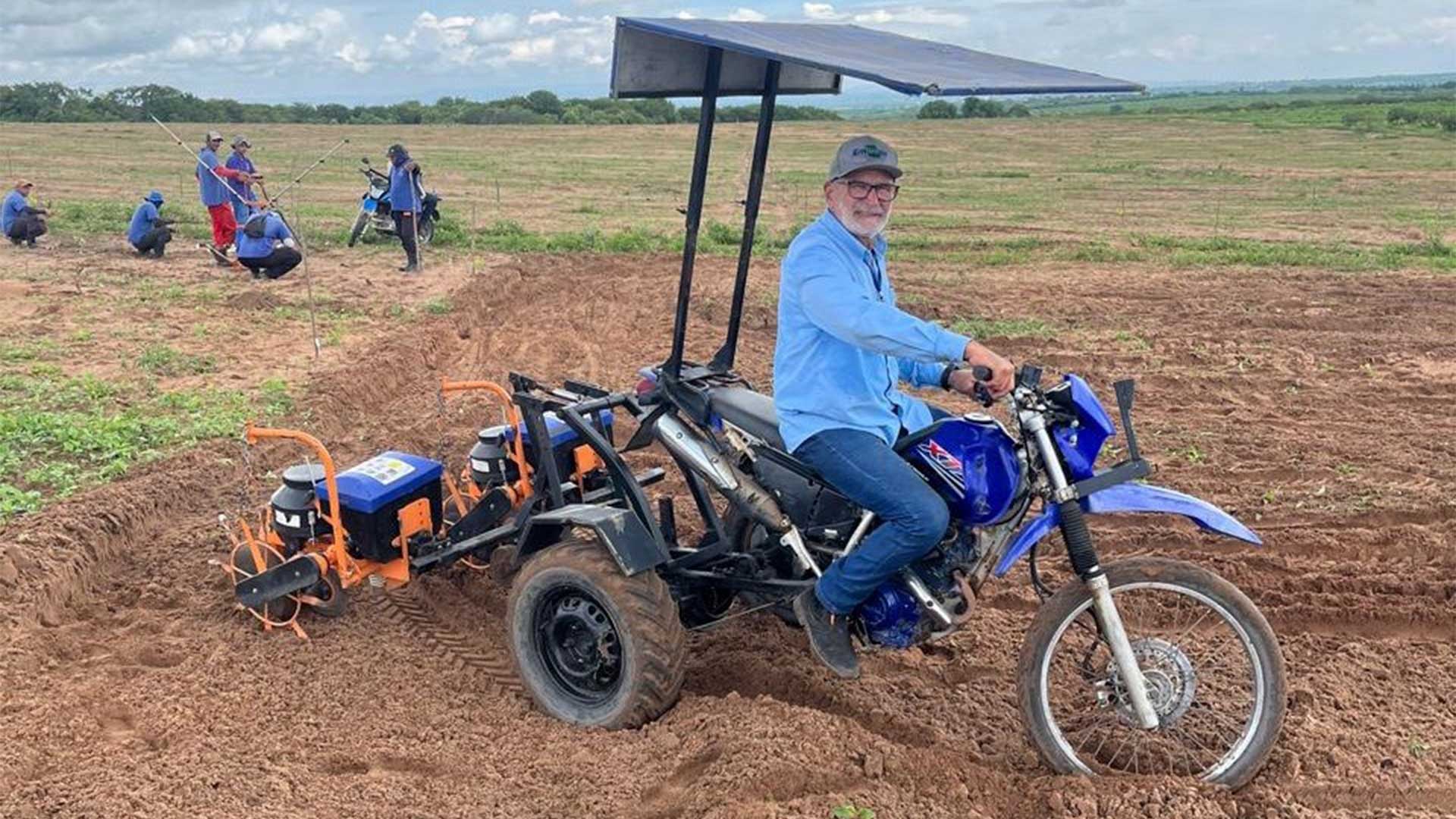
With tractors out of reach for small producers, a tricycle created by Embrapa Algodão becomes a cheap and efficient solution and gains national prominence.
-
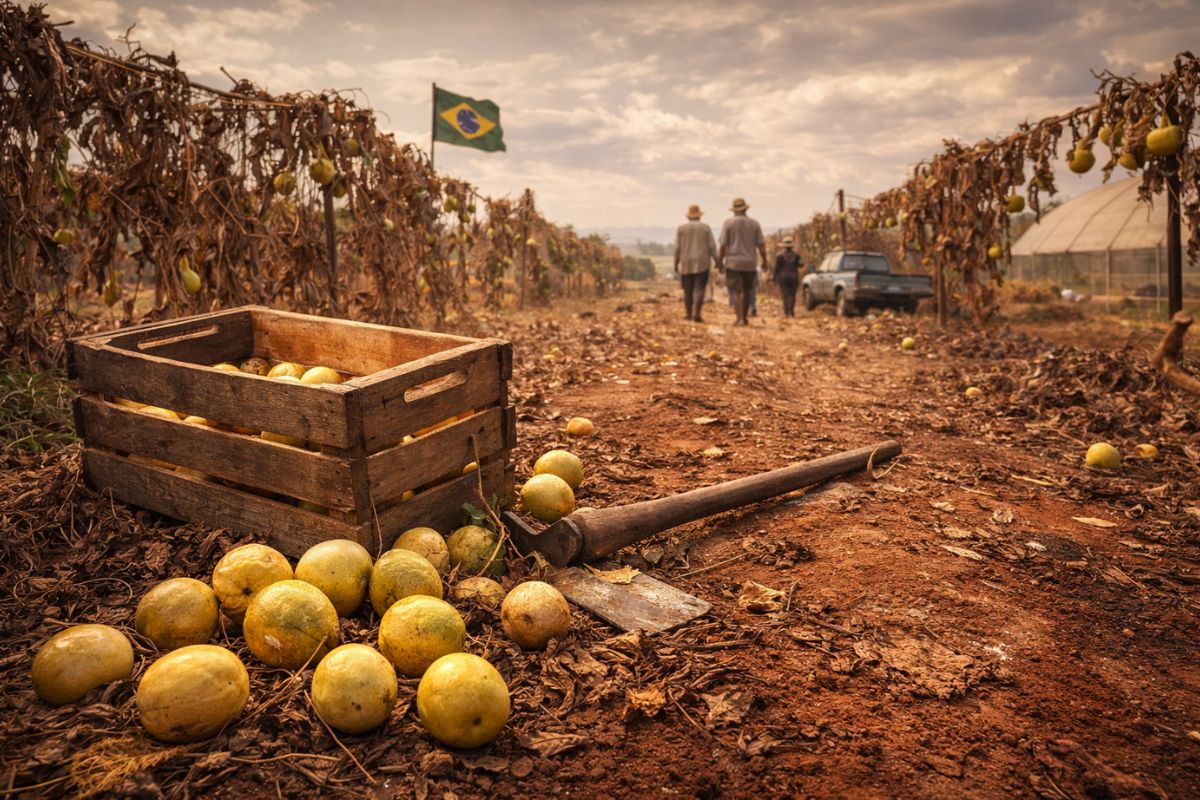
From 130 producers in the year 2000 to just 15 today: the dramatic decline of passion fruit in Araguari shows how the lack of labor in the Brazilian countryside is killing a decades-old agricultural tradition, even with Brazil being the largest producer in the world.
It fell directly onto the family’s finances.
The pepper crop had been planned to generate harvests in November, December, and January, exactly when the bills weigh the most.
There was a clear calculation: there would be R$ 4,000 in December and R$ 4,000 in January, a total of R$ 8,000 coming from that area.
Now, the scenario is different.
Instead of firm fruits ready for harvest, there are broken peppers, perforated leaves, and torn branches.
The producer summarizes, looking at the crop: there are no peppers left to harvest.
The harvest that would sustain three months of bills ended in a single afternoon, pushing the family back into the red.
Why A Simple Greenhouse Changes The Game And Is Still A Distant Dream

The producer herself shows the contrast at the farm.
The greenhouse that exists is intact, with no visible damage, protecting another crop.
In the open field, the pepper crop was destroyed.
The technical message is simple: if the entire area had been protected by a greenhouse, the hail would hardly have caused total loss.
The problem is the cost.
A greenhouse large enough to house the pepper crop costs around R$ 25,000, an impossible amount for someone already facing two active loans and relying on the same production to pay off debts.
The cooperative bank in the region, aimed at rural producers, does not grant new credit in this scenario.
Without access to financing and without excess cash, the family continues in the open field logic, producing at the mercy of the weather.
Agriculture As A Business: If There Is Nothing To Harvest, There Is Nothing To Receive
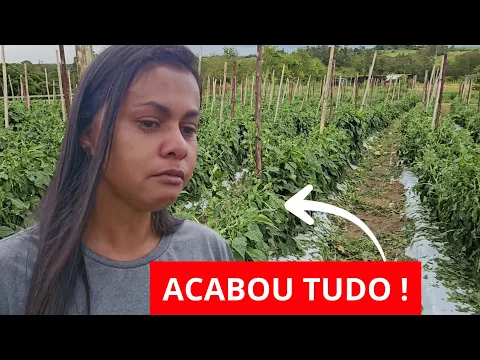

In a recorded outburst shortly after the storm, the farmer recalls that the farm operates like a business.
In agriculture, if there is no product to harvest, there is no way to receive, and the destroyed crop represents a direct break in the family’s financial flow.
The zucchini planted in the greenhouse, for example, helps to rotate crops, but it doesn’t solve the cash flow.
It’s a low-value crop, with a low price per box, incapable of compensating for the loss of an entire crop of high-quality peppers at a good price.
The objective question she repeats is: how to pay the R$ 8,000 in bills now, if the only planned source of income was taken by the hail.
Unstable Weather, Vulnerable Crops And Fear Of Leaving The Field
In addition to the immediate loss, there is a feeling of an increasingly unstable scenario.
The producer recalls that, in recent years, the weather has ceased to follow patterns she recognized.
Unexpected storms, hail of greater intensity than usual, and disproportionate rains have made farming a riskier bet than ever.
She questions out loud whether landowners and rural producers will be able to stay in the field amid so much pressure.
If every harvest faces “blows” from the weather, unstable prices, and limited credit, the natural trend is to return to the city, the opposite of what many did in search of quality of life and autonomy in the countryside.
From Emotion To Management: What Is Left In The Crop After The Hail
When she returns to the crop to show the damage, the image is one of a devastated field.
The plants appear with torn leaves, marked fruits, many already in the process of rotting.
The feeling, in her words, is that a biblical plague had passed through the crop, taking everything that would sustain the coming months.
The peppers at the top of the plants, still smaller and more exposed, were the most affected.
The middle load, which could have some use, was practically not saved.
The diagnosis is harsh: if there are any peppers salvageable, they won’t fill a box. And even so, the harvest would have to be immediate, before bacteria and rot spread across the remaining fruits and the entire crop.
When Even The Capiaçu Denounces The Force Of The Storm
The pepper crop was not the only one to register the violence of the hail.
The capiaçu, used as forage and known for its resistance, also appeared cut, with leaves split in half.
If even a rustic and tall plant was battered, it is evident that the pepper crop, more sensitive, could not come out unscathed.
On another occasion, the same region had recorded only a few drops of hail, enough to cause localized damage to part of the crop.
This time, the storm came stronger.
In nearby areas, such as Rio Bonito, reports speak of much larger stones, reinforcing the perception that the pattern of storms has changed and that agriculture, especially in open fields, is at the forefront of this change.
Faith, Community And The Question That Does Not Want To Be Silent
Even amid the losses, there is an attempt to maintain the routine of the channel and the community that follows the farm.
Videos recorded before the hail will still be published, showing the crop at its peak, recent harvests, and the working Sunday that preceded the destruction.
It’s a way of recording that the crop existed, bore fruit, filled boxes, and generated at least one last sale before the end.
The producer remembers that agriculture is, in the end, an act of faith. One plants without having certainty that the harvest will happen.
This time, the crop completed only part of the cycle, interrupted by a storm that nobody can control.
Now, it will be necessary to pull out what is left, clean the land, and decide whether it is worth insisting on a new harvest or rethinking the future in the field.
In the face of a story where the entire crop disappears in a few minutes and leaves behind only bills and doubts, in your opinion, what should change first to better protect those who live from agriculture: access to greenhouses and rural insurance, credit rules, or the way consumers perceive the price of food on the shelf?







-

-

-

-

7 pessoas reagiram a isso.