





 Portuguese
  English
  Spanish
 3 min of reading
  0 comments


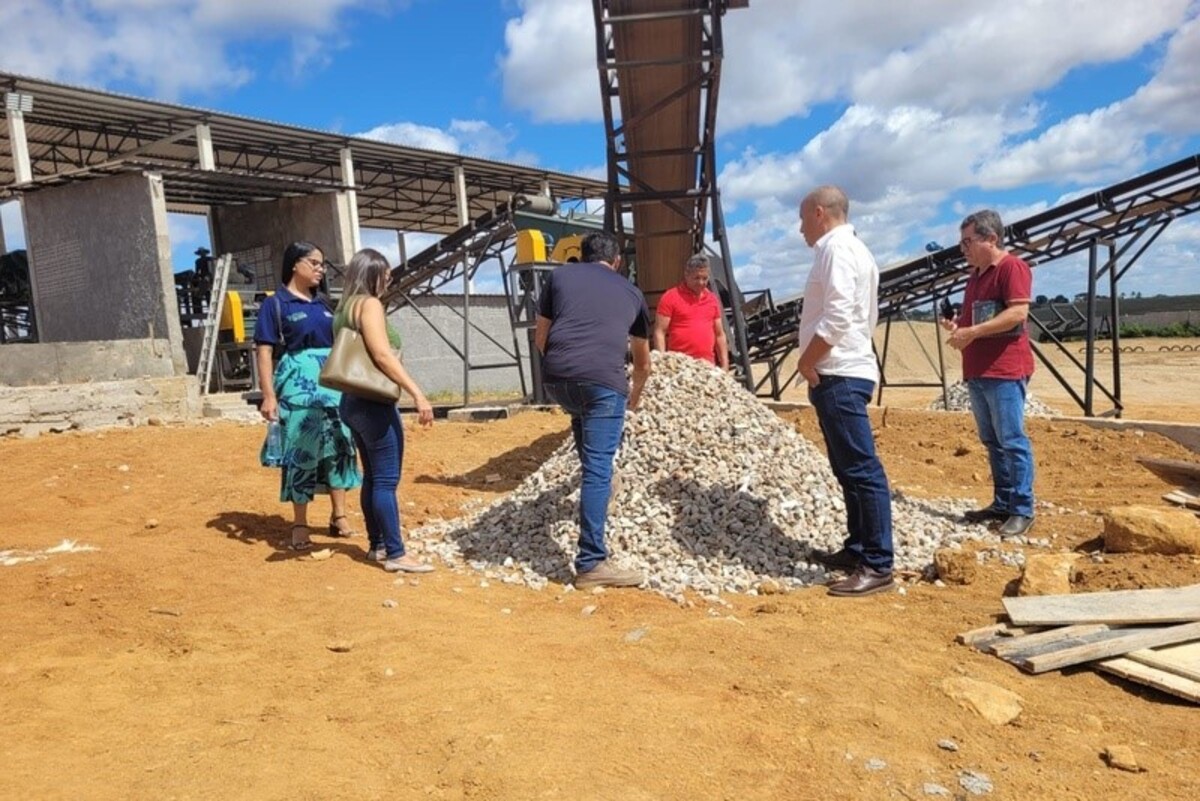
Arapiraca Opens Debris Recycling Plant and Transforms Construction Waste Into New Materials, Promoting Sustainability and Circular Economy in Alagoas’ Agreste
The city of Arapiraca, in Alagoas, has gained its first debris recycling plant for the construction industry. The initiative has been removing about 136 tons of waste per month from the environment and already shows significant results.
This action is conducted by Urban Ambiental, with support from the Bank of Northeast (BNB), and promotes the circular economy by transforming waste into new materials used in the construction sector itself.
New Plant and Increase in Productivity
Launched in February of this year, the plant was made possible thanks to a line of credit aimed at the commerce and services sectors. As a result, Urban Ambiental acquired new equipment and set up the recycling structure. Since the beginning of operations, the company has achieved a 40% increase in productivity.
-
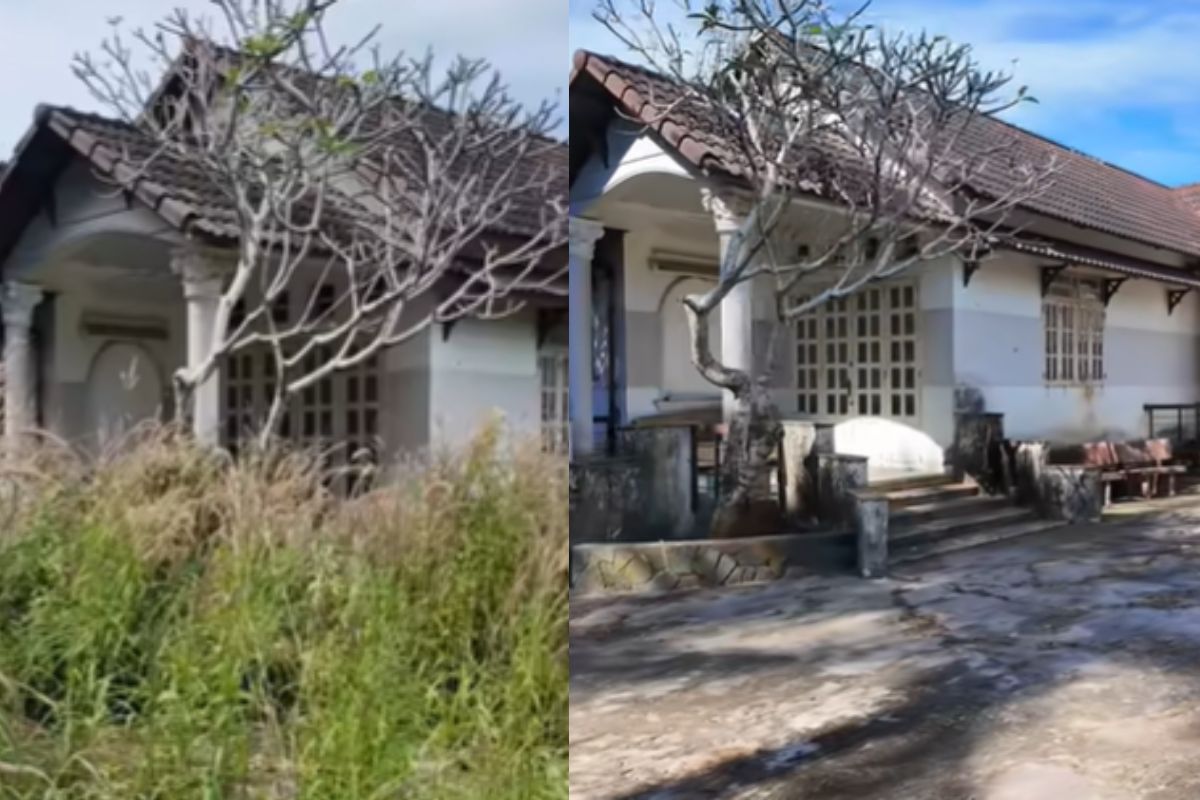
Abandoned house for 15 years disappears in the woods, shocks owner with unrecognizable scenery and is reborn in an intense transformation after almost 90 hours of work in just 10 days.
-
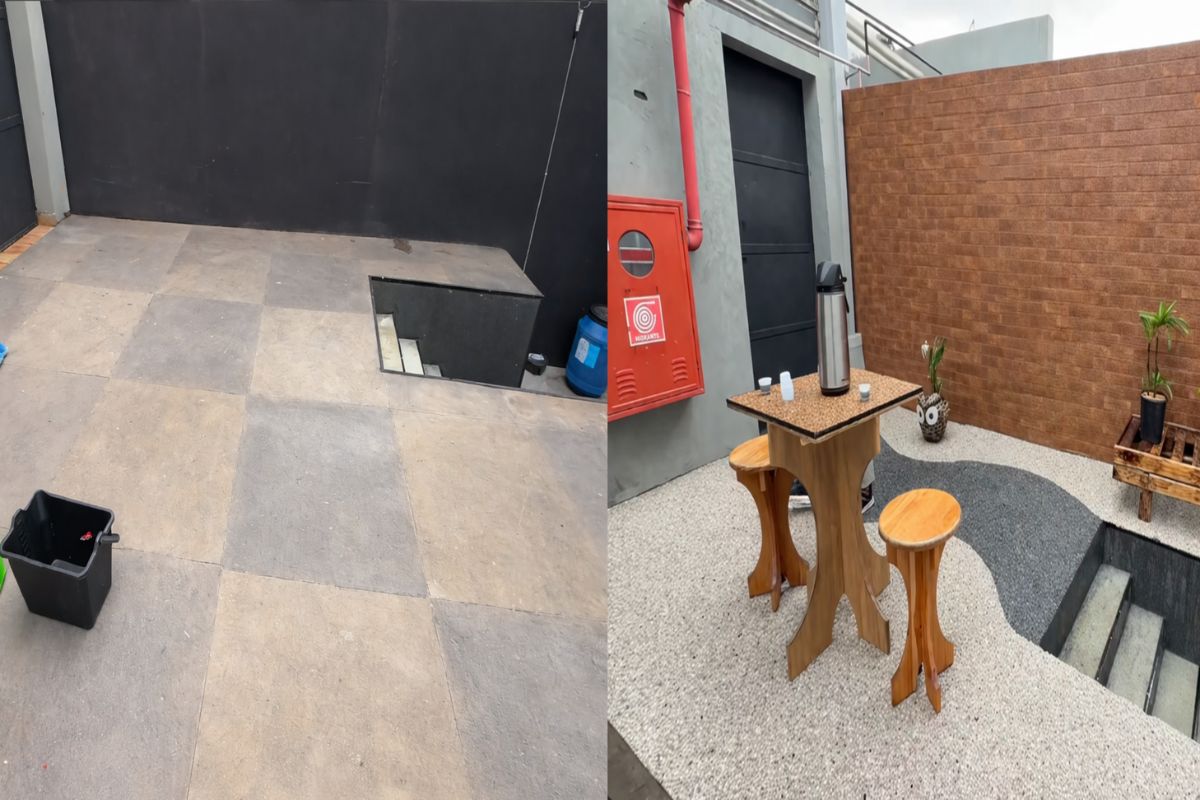
In just three hours, a natural stone floor transforms the entrance of the house with an organic effect, immediate drainage, and a sophisticated non-slip finish that doesn’t puddle water, dries quickly, and impresses with the final result.
-
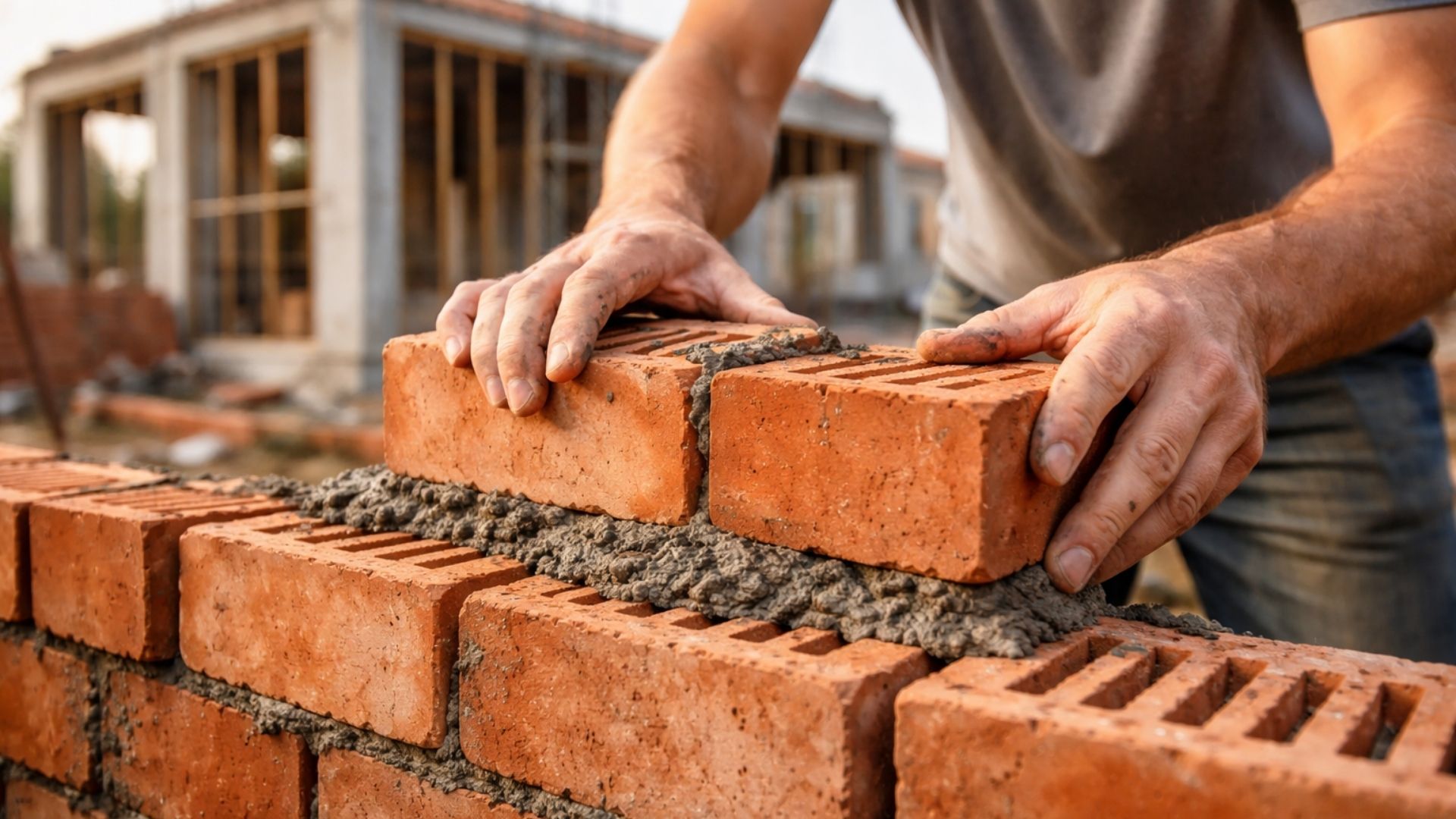
‘Interlocking brick’ made of earth arrives in the construction industry with cost reductions of up to 40% on the project.
-
Espírito Santo will receive the largest engineering project in its history with the duplication of BR 262, which will have 50 viaducts, 28 bridges, and 2-kilometer tunnels cutting through the most challenging mountainous region of the entire state.


The managing partner of Urban Ambiental, Mayk Melo, highlighted the importance of investing in innovation. According to him, the change brought cost reductions and revenue generation through the sale of recycled products.
“Our expectation is to reduce the costs of disposal and freight for this waste that can be fully recycled, returning to the market as a high-quality consumption material,” he stated.
Applications of Recycled Waste
The recycled materials are collected through containers rented by the company’s clients. After that, the waste is repurposed in the production of blocks, tiles, and other prefabricated artifacts. Among them are benches, inspection boxes for water and sewage, as well as concrete pipes.
The goal is not only to reduce the environmental impact of debris disposal but also to create practical solutions for immediate use in the construction sector and in urban infrastructure and paving works.
Combating Illegal Disposal
Mayk Melo emphasizes that there is still a significant need for control over construction waste disposal. He warns that illegal disposal can cause various problems, such as disease outbreaks, soil contamination, and losses to public authorities. Furthermore, public areas often become devalued.
According to the director, the plant helps combat these issues, preserves the environment, relieves authorized landfills, and produces materials at a lower cost for the market. The proposal represents a new operating model for the sector and serves as an example for other regions.
Partnership and Expansion of the Initiative
The success of the Arapiraca plant has sparked interest from a BNB unit in São Miguel dos Campos. Representatives from the bank made a technical visit to Urban Ambiental to closely understand the waste reprocessing process.
The BNB development agent, Claudevan Silva, stated that the initiative can be replicated in other municipalities and connects with the concept of Sustainable City. He emphasizes that the focus is on expanding the circular economy as part of the institution’s environmental actions.
Plans
Mayk Melo also revealed that Urban Ambiental is already studying new initiatives with support from the Bank of Northeast. One of the projects in its early stages involves the repurposing of urban solid waste for agricultural use.
The plan is to transform this material into natural fertilizer, reducing the volume of waste in landfills and improving soil quality.
The Arapiraca plant shows how simple and well-structured solutions can unite sustainability, economy, and regional development.
With information from AL1.






Seja o primeiro a reagir!