





 Portuguese
  English
  Spanish
  6 min of reading
  1 comment


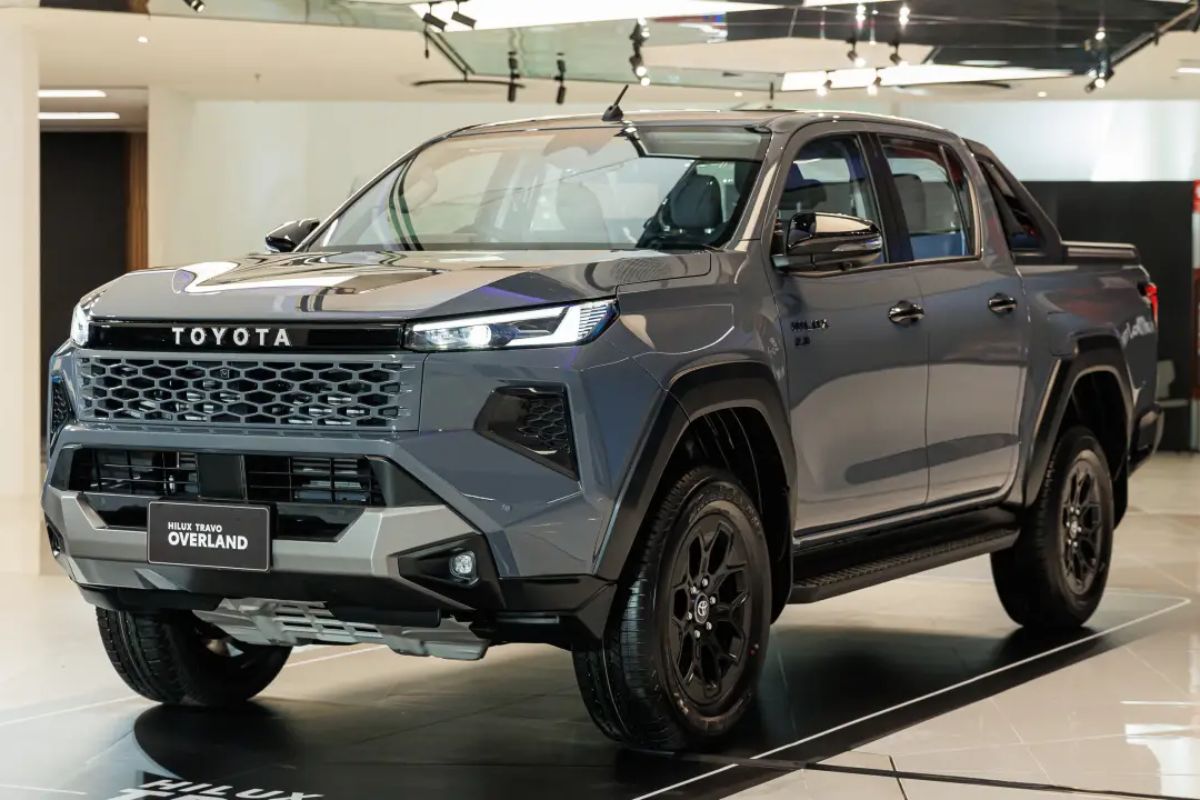


Presented Globally, The Toyota Hilux 2027 Combines Two-Motor Electric Hilux, Light Hybrid Hilux with 2.8 Diesel, Structural Improvements and Luxurious Interior; The New Generation of Hilux Updates The Pickup in Safety, Comfort, Connectivity and Efficiency Without Abandoning The IMV Platform for Work, Leisure and Family Daily.
The Toyota Hilux 2027 marks the arrival of the ninth generation of Toyota’s most traditional midsize pickup, now with a declared focus on electrification, ride refinement, and passenger car technology package. The big news is the debut of the electric Hilux and the light hybrid Hilux diesel, without the brand abandoning the ladder frame chassis or the already known IMV base in Brazil.
Even maintaining its mechanical and structural essence, the new generation of the Hilux undergoes chassis reinforcements, new welding points, suspension adjustments, and revised engine mounts to reduce vibrations and noise. The engineering idea was clear: to make the Hilux pickup feel much newer behind the wheel, even with the same platform, paving the way for its arrival in Asian, European, and later Brazilian markets.
Reinforced IMV Platform and What Changes in The New Generation of Hilux

For many fans, the surprise was seeing the new generation of the Hilux still based on the IMV platform of the current line.
-
5 cheapest used cars than a Honda CG 160 Titan 0 km, with options starting at R$ 13,000 for those who want to trade their motorcycle for a car and escape the rain, sun, and risks of riding.

-
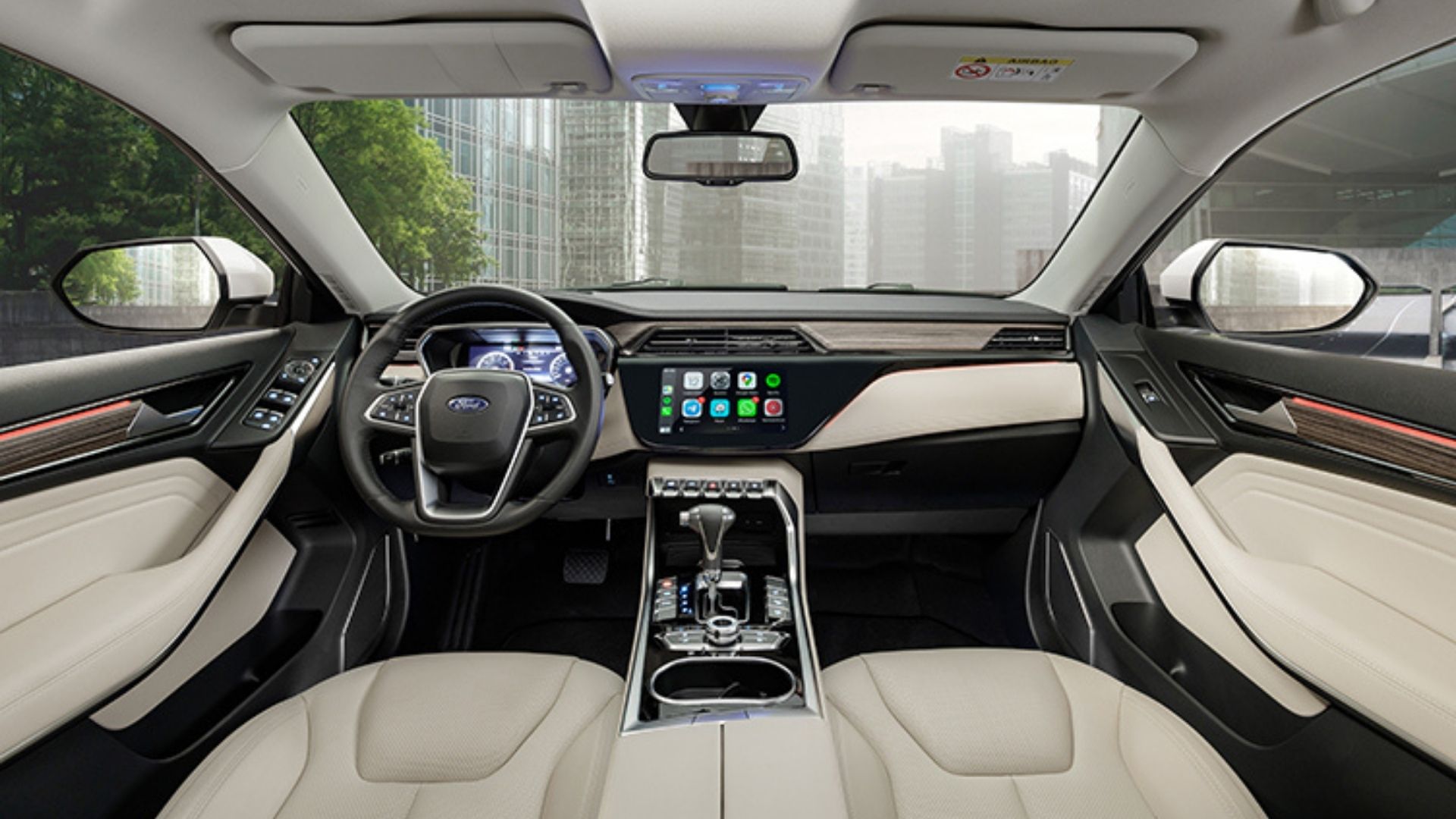
Around R$ 24,000: 4 used Ford SUVs with up to 253 hp, V6 engine, all-wheel drive, 7 airbags, panoramic sunroof, and a complete package that surprises with its price and performance in Brazil.
-
A brand new car starts at around R$ 75,000 in Brazil, but what stands out the most is seeing streets filled with SUVs and expensive sedans in a country where millions remain in debt.

-
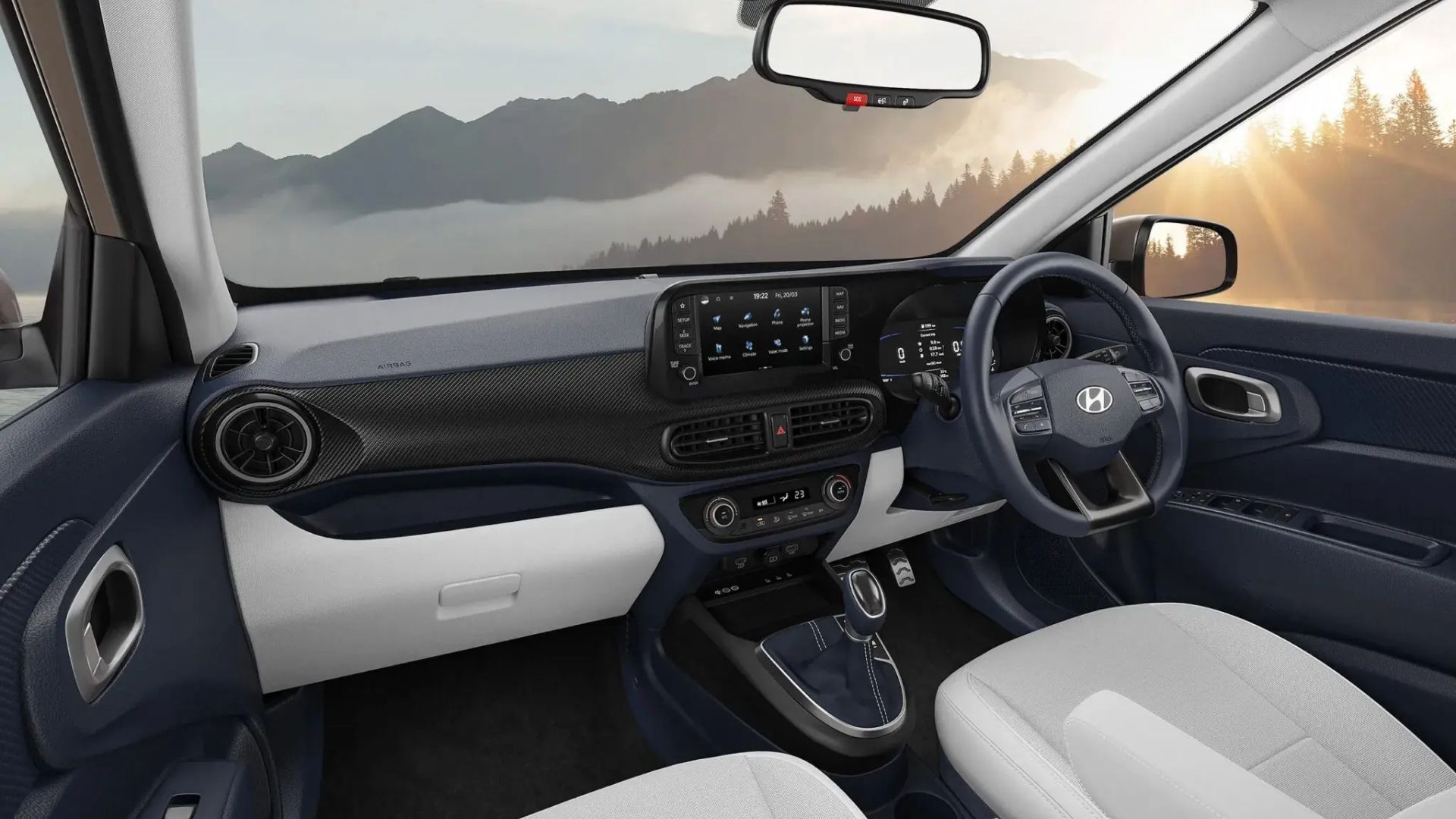
For R$ 32,000, a brand new Hyundai car is a rival to the Kwid with a 1.2 engine producing 82 hp, 6 airbags as standard, multimedia with wireless Android Auto, up to 391 liters in the trunk, and a refreshed look for 2026 in India.

Instead of swapping everything out, Toyota opted to reinforce the chassis with new welding points, revise the suspension geometry, and install new engine mounts to reduce vibrations perceived in the cabin.
The goal is to increase comfort without compromising the robustness for which the Hilux pickup has become known in over 180 countries.
In practice, the Toyota Hilux 2027 maintains the traditional pickup architecture, but with engineering tweaks to deliver a smoother ride, better body control on uneven surfaces, and a less “sturdy” truck feel in urban use.
Dimensional-wise, the pickup has practically not grown.
The length remains at around 5.32 meters, with the wheelbase the same as the previous generation, still shorter than the 3.27 meters of the Ford Ranger.
Width and height remain close to 1.85 m and 1.81 m, keeping the Hilux pickup in the thick of the midsize segment.
The bed gained about 50 liters compared to the previous model, and the payload capacity reaches 1 ton in diesel versions and 750 kg in gasoline or electric Hilux versions.
Electric Hilux Debuts with Two Motors and All-Wheel Drive
The major technological breakthrough of the Toyota Hilux 2027 is the arrival of the electric Hilux, the first 100% battery configuration of the line.
The new option features two electric motors, one on each axle, with a combined power of 196 horsepower and 54.8 kgfm of torque, always with all-wheel drive.
The lithium-ion batteries have a capacity of 59.2 kWh and, according to the European WLTP standard, guarantee a range of up to 240 km for the electric Hilux.
Detailed charging data has not yet been disclosed, but the proposal is clear: to offer a Hilux pickup with zero local emissions, ideal for urban use, operations in enclosed areas, and short to medium-range routes.
Even without complete performance numbers, the immediate torque of electric motors tends to give the electric Hilux much quicker responses in starts and accelerations than combustion versions.
For markets where restrictions on diesel and gasoline are becoming increasingly stringent, this variant may be the key to keeping the new generation of the Hilux relevant for longer.
Light Hybrid Hilux 2.8 Diesel Becomes Up to 7% More Efficient
In addition to the fully electric version, the Toyota Hilux 2027 debuts the light hybrid Hilux with the well-known 2.8 turbo diesel four-cylinder engine.
The powertrain essentially remains the same, but now it works with a 48V system, which assists in starts, accelerations, and powering electrical systems.
The system delivers 204 horsepower and 50.9 kgfm of torque, with an automatic transmission and calibration updates aimed at smoothness and efficiency.
According to Toyota, the light hybrid Hilux can be up to 7% more efficient compared to the conventional diesel Hilux model from 2025, largely due to electric assistance and the adoption of electric power steering instead of the old hydraulic steering.
In practice, the light hybrid Hilux does not radically change straight-line performance, but it improves urban fuel consumption, reduces operating noise, and helps power the growing electronic package of the Hilux pickup.
In markets with stricter emission regulations, this step is essential to keep the new generation of the Hilux competitive even without a completely new platform.
Luxurious Car Interior and Leap in Cabin Technology
If on the outside the Toyota Hilux 2027 evolves with full LED headlights, redesigned grille, and rear with new bed and LED taillights, it is on the inside that the new generation of the Hilux makes the most visible leap.
The dashboard gains refined finishes, soft surfaces, and designs aligned with Tacoma, making the cabin much more up-to-date.
The equipment list includes fully configurable 12.3-inch digital dashboard, 12.3-inch multimedia system with native GPS, wireless connectivity for Android Auto and Apple CarPlay, 360-degree camera system, wireless phone charger, proximity key, electronic parking brake, and auto-hold function.
The front seats of the Hilux pickup can have electric adjustments, heating, and ventilation, in addition to two-zone digital climate control.
Although the interior space doesn’t change – the wheelbase is the same – the feeling is that you are in a luxurious car interior applied to the cabin of a Hilux pickup, something that brings Toyota closer to the finishing levels seen in more recent rivals.
Active Safety Puts The Hilux Pickup on Par with The Most Modern Rivals
In terms of safety, the Toyota Hilux 2027 finally catches up with modern pickups.
All versions should feature four-wheel disc brakes with ABS, as well as a reinforced chassis and recalibrated suspension for greater stability.
The assistance package includes adaptive cruise control with stop-and-go function, blind spot alerts, automatic high beam switching, lane change warning and correction, sign reader, and rear cross-traffic alert.
There is also detection of pedestrians, cyclists, and animals, features that help reduce the risk of accidents in urban and rural areas.
With this, the Hilux pickup no longer lags behind rivals that have offered this type of technology for several years.
In the new generation of the Hilux, these systems are central to the strategy to maintain leadership in markets where the Ranger, Amarok, S10, Frontier, and Chinese competitors have been increasing the pressure.
Dimensions, Bed and Focus on Double Cab in The Toyota Hilux 2027
The Toyota Hilux 2027 maintains its focus on double cab versions, which account for the bulk of global sales.
In several countries, the new generation of the Hilux gradually eliminates single and extended cab versions to focus efforts on higher value-added configurations.
The bed of the Hilux pickup has been redesigned, now featuring a cover that bears the name Toyota in relief and a black-painted iron bumper, with steps on the sides for easier access.
The full LED taillights are new and help give a more modern visual identity, especially at night.
In terms of capacity, the Hilux pickup remains suitable for professional use, carrying up to 1 ton in diesel versions and around 750 kg in gasoline or electric Hilux versions, preserving the work appeal even with a more sophisticated interior and an expanded technology package.
When Does The Toyota Hilux 2027 Arrive In Brazil and What To Expect From Here
The Toyota Hilux 2027 will begin selling first in Asian and European markets, with a launch expected in December 2025.
The expectation is that the new generation of the Hilux will arrive in Brazil in 2026, after factory adaptations in Argentina to accommodate the new suspension, electronics, and possibly electrification solutions.
No official confirmation has yet been provided regarding whether Brazil will receive the electric Hilux or light hybrid Hilux right at the launch, nor if all safety and comfort items will be offered in all national versions.
The most likely scenario is that the Brazilian Hilux pickup will gradually adopt part of these innovations, starting with the 2.8 diesel with a 48V system and the full driving assistance package.
In any case, the message is clear: the Toyota Hilux 2027 is gearing up to remain a benchmark for robustness, now surrounded by technology and real electrification, enough to put strong pressure on traditional rivals and new electrified pickups that are beginning to gain space.
So, looking at everything that has changed in the Toyota Hilux 2027, do you think the electric Hilux and the light hybrid Hilux will be enough to keep the Hilux pickup ahead of the competition when the new generation of the Hilux finally lands in Brazil?






Excelente, podia começar agora 2026