





 Portuguese
  English
  Spanish
  7 min of reading
  0 comments


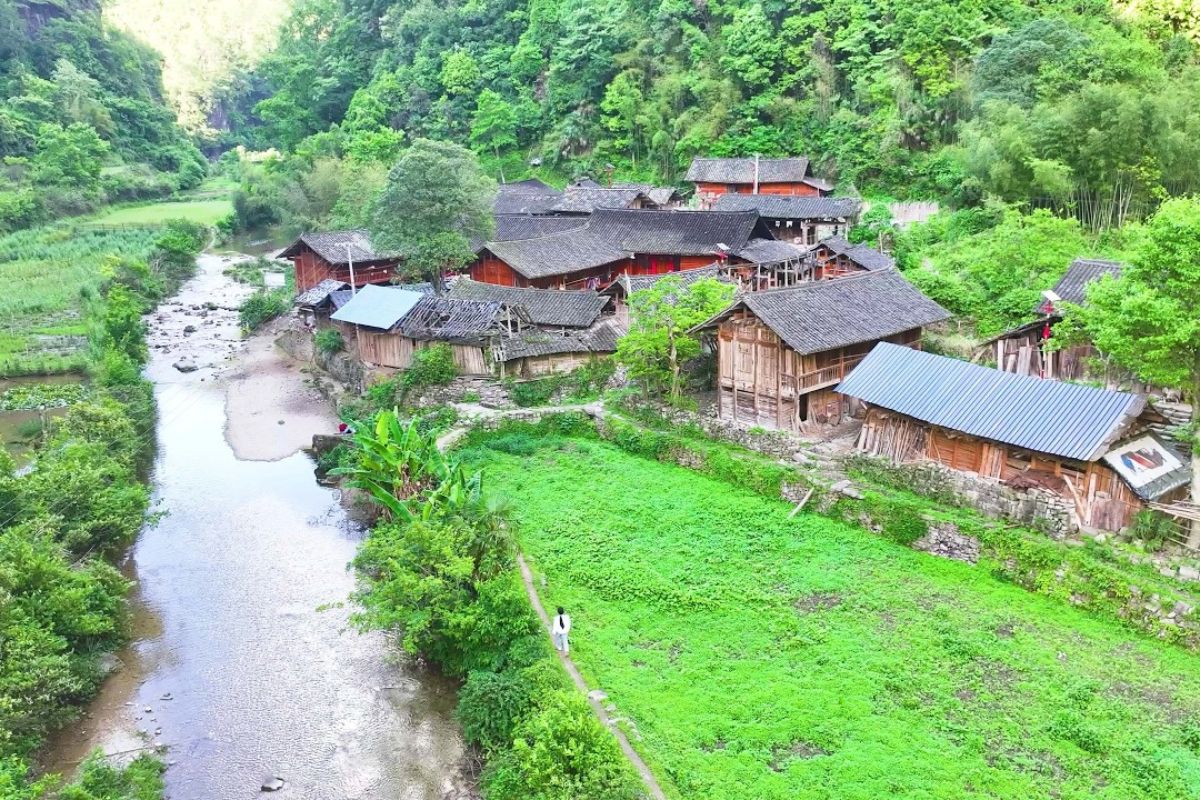
In The Mountains Of Shibing County In Guizhou, A Hidden Village Inside A Tiankeng Is Only Accessed By A Path Carved Into The Cliff, Pack Horses, Farms, Crystal-Clear Waterfalls, Internet, Wood Cooking And An Absolute Silence Hard To Find In Today’s Rural World.
In The Depths Of The Mountains Of Shibing County, Located In Southern China, A Hidden Village Lives Surrounded By Nearly Vertical Rock Walls. Nestled In A Narrow Tiankeng, The Village Seems Protected By A Natural Wall Of Peaks, Blocking The Noise Of Cities And Making Time Flow At A Different Pace, With Fields, Animals, And Water Running Everywhere.
To Get There, You Have To Leave The Car At The Edge Of The Abyss And Walk For About An Hour Along A Path Carved Into The Cliff, With An Elevation Change Of About 100 Meters To The Bottom Of The Canyon. At The End Of The Descent, The Scenery Blends Horses Carrying Supplies, An 83-Year-Old Woman Still Tending To The Farm, A Cold Water Stream, Waterfalls Hidden In The Forest, And The Curious Contrast Between Internet, Electric Light, And A Wood-Fired Kitchen.
A Hidden Village Inside A Tiankeng In Shibing

From Above, The Tiankeng Region Appears To Be Just Another Deep Cut Between The Mountains Of Guizhou. Only Those Who Approach The Edge Realize That Down Below, There Is A Hidden Village, With Wooden Houses, Small Temples, And Fields In Different Shades Of Green.
-
A forgotten cord on the floor of a basement in Vienna leads a plumber to a box containing 30 kilograms of gold with Mozart’s face, hidden before World War II. The treasure, worth 2.3 million euros, was just centimeters away from a worker who ignored the sign a day earlier.

-
A couple buys an old chalet, breaks the kitchen floor for renovation, and finds over a thousand coins of gold and silver hidden since the English Civil War over 4 centuries ago.

-
Rigid bags with their days numbered: new trend prioritizes comfort in 2026.

-
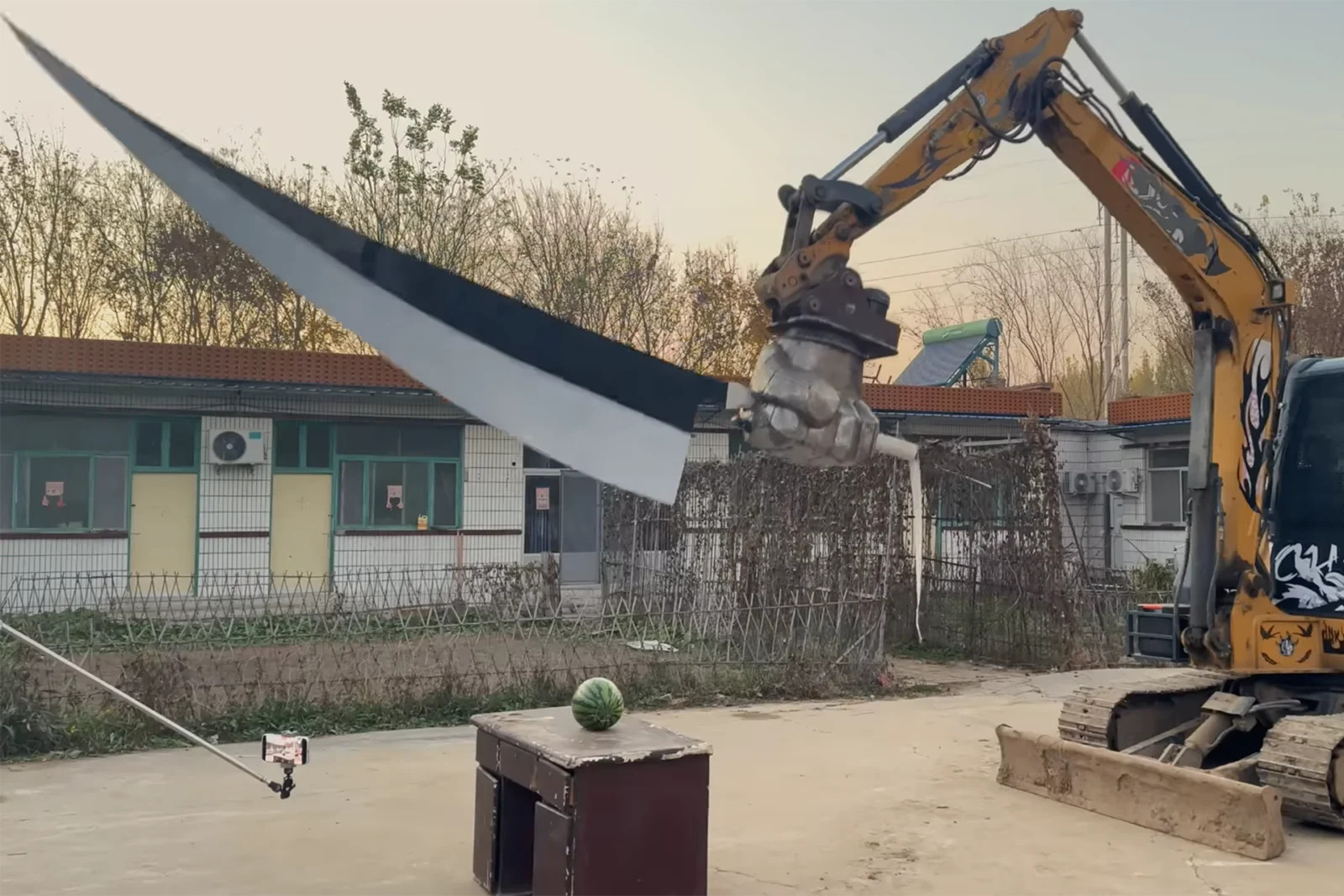
YouTuber creates an excavator equipped with a giant 4.5-meter sword to challenge his brother to a rematch, and the invention quickly goes viral on social media.


The Tiankeng Is Narrow, With Steep Walls And Peaks Around That Function As A Natural Wall, Isolating Almost Completely The Outside World.
Old Residents Describe The Place As A Rural Paradise That Survived The Frenzied Advance Of The Big Cities.
The Mountains Remain Stacked, The Birds Keep Singing, The Flowers Scent The Riverbanks, And The Feeling Is That Time Took A Lot From The Outside, But Almost Nothing Has Changed Down There.
Path On The Cliff, Power Line And Arrival At The Village

From The Edge Of The Tiankeng, The Path To The Hidden Village Is A Path Of Wooden Planks Literally Sculpted Into The Rock.
The Trail Follows The Cliff, With An Open Canyon Just Below And A Power Line Running Along The Slope, A Sign That Electricity Has Been Pulled To One Of The Most Remote Points In The County.
Step By Step, It Is Possible To See The Chisel Marks On The Wooden Path, Handcrafted By Residents Who Needed To Connect The Village To The Outside World.
The Route Is Narrow, Humid, And Subject To The Rapid Weather Changes Typical Of Guizhou: In The Morning It Can Rain Heavily, Hours Later The Sky Clears And The Valley Is Bathed In Light, With The Walls Of The Tiankeng Shining From So Much Water Running.
Despite The Physical Isolation, The Village Has Electric Light And Internet. This Allows Young People And Visitors To Connect With The Rest Of The World, While Access Remains Difficult, Without Roads For Cars.
Everything That Enters Or Exits There Passes, At Some Point, Through Someone’s Feet Or The Back Of A Horse.
Field, Water, Mill And Agricultural Life At The Bottom Of The Valley

Upon Reaching The Bottom Of The Tiankeng, The Landscape Opens Up Into Small Fields Aligned In The Narrow Valley. Some Areas, Once Productive, Are Now Abandoned, Reflecting The Departure Of Many Residents To Larger Cities.
In Others, The Routine Lives On: Rice Fields, Corn, Gardens And Pastures Occupy Every Usable Space Among Stones, Trees And The Flow Of The Stream.

The Village Holds Traces Of An Old Way Of Tilling The Land. A Water Mill, Now Covered In Weeds, Shows How Residents Used The River’s Force To Move Stone Grinders, Without Relying On Electricity Or Motors.
Water Diversion Channels, Partially Destroyed, Remind Of The Ingenuity Of Those Who Needed To Transform The Stream’s Flow Into Useful Energy For The Family.
The Vegetation Is Also Impressive. The Riverbanks Are Filled With Fragrant Honeysuckles, Used By Residents To Make Tea And Alleviate Internal Heat.
Weeds Like Xanthium Sibiricum, Which Many Confuse With Cotton, Are Harvested Dry And Taken Home As Firewood. Things That Become Expensive Products In Big Cities Are Treated As Common Weeds, Repurposed In The Daily Life Of Rural Living.
The 83-Year-Old Woman Who Sustains Home, Animals And Memories
Among The Most Striking Figures Of The Hidden Village Is An 83-Year-Old Woman Who Continues To Plant Corn, Care For Chickens, Feed Pigs, And Look After The Animals Even With Her Advanced Age.
She Barely Leaves The Village And Says That She Last Left The Village Over 40 Years Ago, Preferring To Live At The Calm Pace Of The Tiankeng.
Her Routine Blends Physical Strength And Sweetness. In The Morning, She Spreads Fertilizer On The Crops, Speaks With Passersby And Insists On Welcoming Visitors Into Her Home.
The Kitchen Is Simple, With A Fire Lit On A Metal Grill, Blackened Pots From Smoke And The Strong Smell Of Homemade Food. Homegrown Pork Bacon, Bamboo Shoots, Free-Range Eggs And Hanging Sausages Make Up The Meals That She Is Keen To Offer To Those Who Arrive.
The Woman Has Three Children; Many Went To Work Away, But One Grandson Stays Closer, Helping To Plow The Fields And Handle The Heavier Work.
She Gets Emotional When Talking About The Past, Remembers Old Neighbors, Families That Migrated, And The Times When More Than A Dozen Houses Were Full Of People. Now, Few Families Remain, Mostly Elderly Who Did Not Want To Trade The Valley For The City.
Village, Horses And Chickens In A Rhythm Of Another Time
In The Hidden Village Within The Tiankeng, Almost Every House Has Horses Or Once Had One In The Recent Past.
The Horses Are The Main Transport Force Of The Village, Responsible For Carrying Firewood, Bags Of Grain, And Previously, Even Goods For Sale In The Streets Of The Nearest City.
The Elderly Woman Says That In The Past, There Were 11 Horses To Serve All The Families. Today, Few Animals Remain, But They Continue To Be Essential For Carrying Loads To The Edge Of The Tiankeng.
The Horses Have A Strong Temperament And Move Faster Than Many People Can Keep Up With, Which Requires Skill From The Driver.
In The Backyards, Chickens, Chicks And Dogs Roam Freely, Mixed With Piles Of Firewood And Small Fish Ponds, Fed By Pipes That Bring Water From The Stream.
The Houses, Mostly Wooden, Use High Stone Foundations To Protect The Walls From Rain Splash.
Some Backyards Have Banana Trees Used To Feed Pigs And Cows, As The Cold Of Guizhou Does Not Allow The Fruits To Ripen.
An Old Temple, Silent Faith And Stones Marked By Time
On The Path Between The Abandoned Fields And The Areas Still Active, A Small Temple Appears Slightly Crooked, With Leaning Walls And Roots Of Ancient Trees Pushing The Structure To The Side.
The Temple No Longer Holds Statues, But There Are Still Wooden Tablets Dedicated To Deities, Simple Candies On The Table And A Wooden Fish Used In Prayers, A Sign That Faith Still Visits The Place.
At The Entrance, An Ancient Inscription From The Time Of The Republic Of China Indicates That The Temple Is At Least About A Century Old.
The Stains On The Walls, The Worn Plaster And The Stones Darkened By Time Show How Many Generations Have Passed Through Here, Asking For Protection For Crops, Health, And Family.
Just Like In The Temple, Faith Is Spread Throughout The Routine Of The Hidden Village: In The Silent Promises Of Those Who Go Up And Down The Trail, In The Care Of The Animals, And In The Insistence To Keep Alive A Place So Difficult To Reach And So Easy To Forget In The Statistics Of The Modern World.
Waterfalls, Dense Forest And The Absolute Silence Of The Tiankeng

Following The Course Of The Stream, The Valley Transforms Into A Corridor Of Smooth Stones And Deep Pools.
In The Rainy Season, The Water Rises, Forms Small Waterfalls In Sequence And Fills Natural Pools With Two Or Three Meters Of Depth, Irresistible For Those Who Like To Swim Or Simply Wet Their Feet.
Some Parts Of The Route Can Only Be Crossed Barefoot, Crossing The River And Facing Sharp Stones And Cold Water.
At Certain Points, There Is No Longer A Trail On Solid Ground, And The Only Way To See The Entire Waterfall Is From Above, With The Help Of A Drone Or A Lot Of Courage To Advance Along The Riverbed.
Surrounding It, The Forest Is Dense, With Tall Trees, Butterflies Of Various Colors And Almost No Noise Other Than The Water Falling.
When The Visitor Returns To The Village After Exploring The Canyon, The Impression Is That They Have Crossed Into Another World.
The Contrast Between The Connected Life, With Internet And Electricity, And The Routine Of Firewood, Horses And Manual Labor Reinforces The Feeling Of Being In Front Of A Forgotten Rural Paradise, Preserved By Chance, Geography, And The Stubbornness Of Those Who Decided To Stay.
In The End, Shibing Reveals That, In The Digital Age, There Is Still Room For A Hidden Village In A Tiankeng, Accessed Only By A Path Carved Into The Cliff, Where An 83-Year-Old Woman, Some Horses, Waterfalls, And A Silent Faith Hold The Memory Of An Entire Way Of Life.
And You, Would You Face The Trail On The Cliff To Get Up Close To This Hidden Village In Shibing And Spend A Day Living In The Absolute Silence Of This Tiankeng?









-

-

2 pessoas reagiram a isso.