





 Portuguese
  English
  Spanish
  3 min of reading
  0 comments


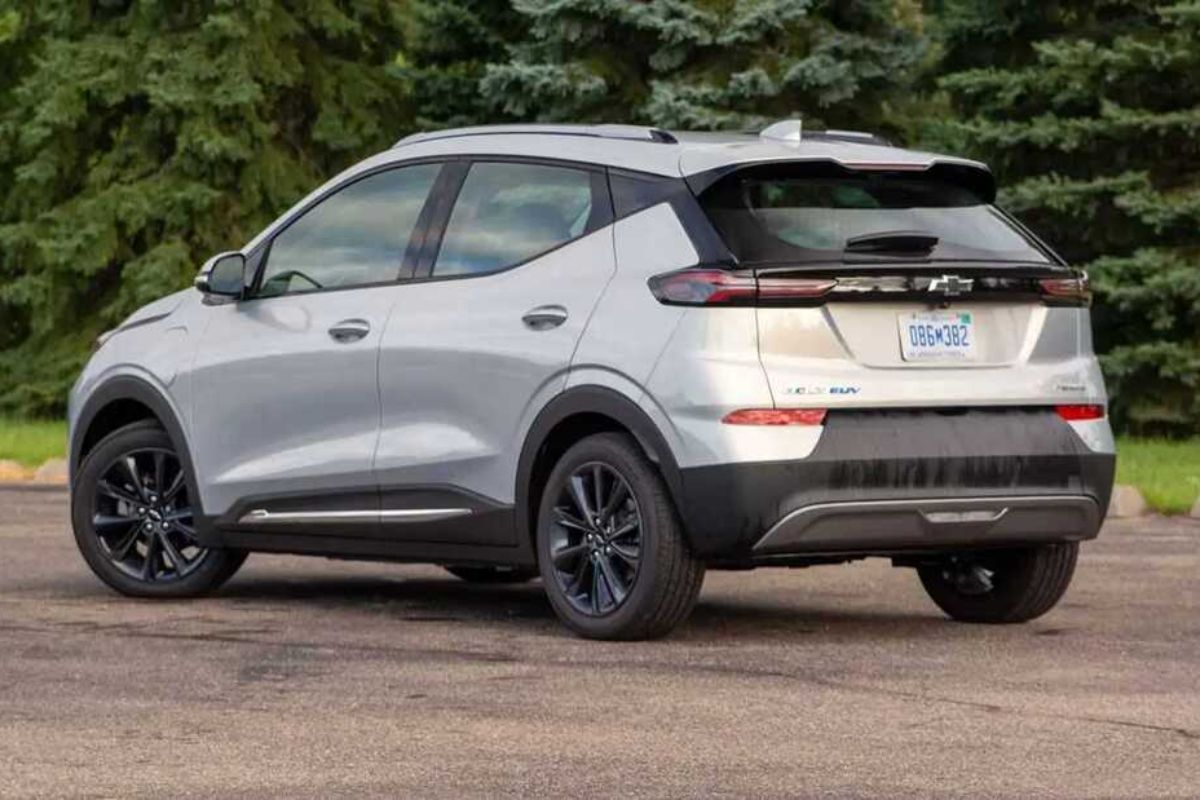
Chevrolet Bets On The Return Of The Bolt With Renewed Visuals, LFP Battery And More Affordable Price In The USA
The new electric car from Chevrolet will be the Bolt, which will return to the market in 2026 with specific changes, but without a brand-new platform. The American brand confirmed that the model will use the BEV2 platform — the same as the previous Bolt — and will receive only visual updates, new headlights, and a battery with cheaper chemistry. The promise is to relaunch the electric model as the entry-level model for GM in the United States.
Although it is not a totally new project, the return of the Bolt is part of Chevrolet’s strategy to popularize electric cars with more competitive prices. The new model will use a lithium iron phosphate (LFP) battery, which has a lower production cost, greater durability, and safety, although with lower energy density. The focus, according to GM, is to offer an affordable car for urban use — and with sufficient range for daily use.
Renewed Visuals, But With The Same Structural Base
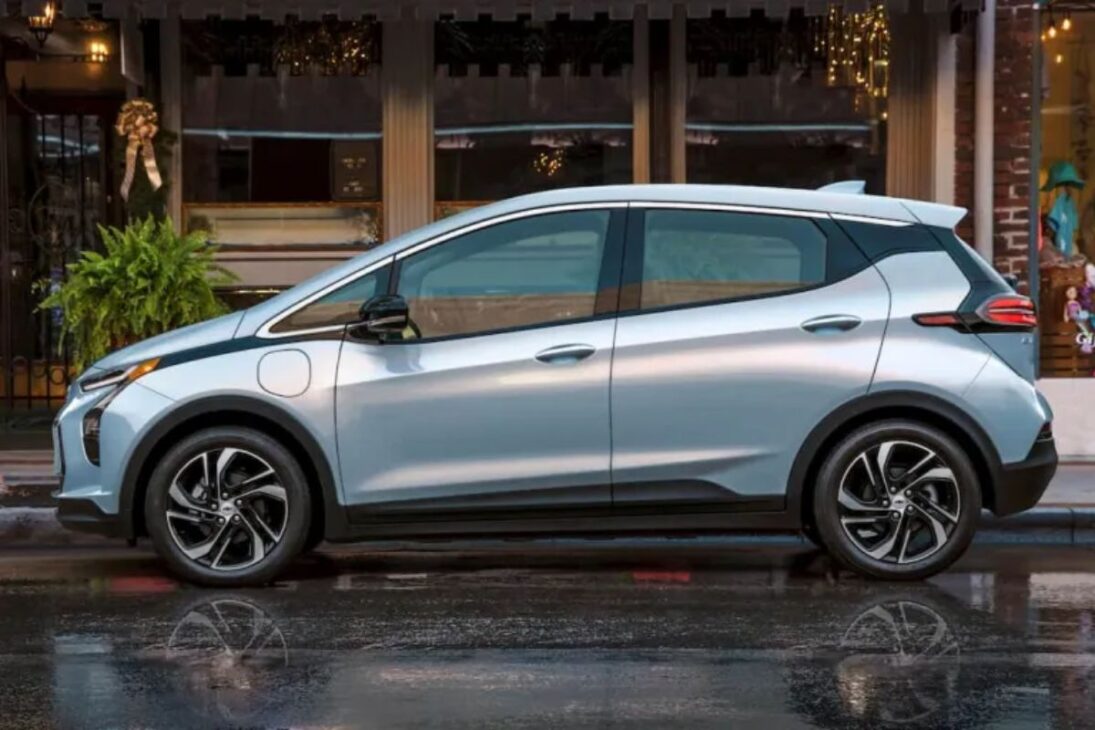
Externally, the new Bolt has gained vertical LED headlights, a redesigned grille, and bumpers with honeycomb-style air intakes, as well as rear lights with a new shape. The changes are subtle, but they make the visuals more modern, aligning with the brand’s current design language. Production will take place in Fairfax, Kansas (USA), and the platform name remains BEV2, now strategically renamed.
-
Around R$ 24,000: 4 used Ford SUVs with up to 253 hp, V6 engine, all-wheel drive, 7 airbags, panoramic sunroof, and a complete package that surprises with its price and performance in Brazil.
-
A brand new car starts at around R$ 75,000 in Brazil, but what stands out the most is seeing streets filled with SUVs and expensive sedans in a country where millions remain in debt.

-
For R$ 32,000, a brand new Hyundai car is a rival to the Kwid with a 1.2 engine producing 82 hp, 6 airbags as standard, multimedia with wireless Android Auto, up to 391 liters in the trunk, and a refreshed look for 2026 in India.
-
He bought a new car in 1983, locked it in the barn in 1988, and no one opened the door for 38 years until the family discovered what was stored inside and realized it looked like something out of a movie.


The charging connector also changes: the new Bolt will adopt the NACS standard, the same as Tesla, allowing access to the brand’s supercharger network. Internally, an integrated multimedia center is expected in the dashboard, as seen in the Equinox EV, although GM has not yet released images of the interior. Front-wheel drive is expected to be maintained, as well as the overall dimensions of the previous project.
LFP Battery Is A Bet To Reduce Costs And Increase Access
The main technical highlight of the new electric car from Chevrolet is under the hood: the adoption of the LFP (Lithium Iron Phosphate) battery. This technology offers longer lifespan, lower risk of overheating, and reduced production cost. As a result, GM can position the Bolt as a more affordable option for those looking for their first electric car without compromising reliability.
The production of batteries will take place in Spring Hill, Tennessee, by Ultium Cells, a joint venture between GM and LG Energy Solution. The change in battery chemistry aims to expand the manufacturer’s margin without raising the final price to consumers, even though the range per charge may be slightly lower than that of NMC batteries. For urban use, GM believes that this reduction in range is acceptable.
GM Is Also Preparing A Second Cheap Battery For Larger Electrics
In addition to the LFP battery, General Motors is already working on another low-cost solution: the LMR (Lithium Manganese Rich) battery. Expected to launch starting in 2028, this new chemistry will offer range superior to 640 km per charge, aimed at larger electric SUVs and trucks. The LMR is part of the automaker’s energy diversification strategy.
Meanwhile, the Bolt remains the entry point in the Ultium lineup, with a planned launch in the USA as a 2027 model. There is still no official confirmation of arrival in Brazil, but experts point out that if it comes at a competitive price, it could fill an important spot in a market that still lacks affordable electrics. Everything depends on GM’s commercial policy for South America.
What do you think, will the new electric car from Chevrolet replicate the success of the previous Bolt? Do you believe that LFP batteries are the right path to lower electric vehicle prices? Share your opinion in the comments — we want to know if you would buy this model.










Seja o primeiro a reagir!