





 Portuguese
  English
  Spanish
  3 min of reading


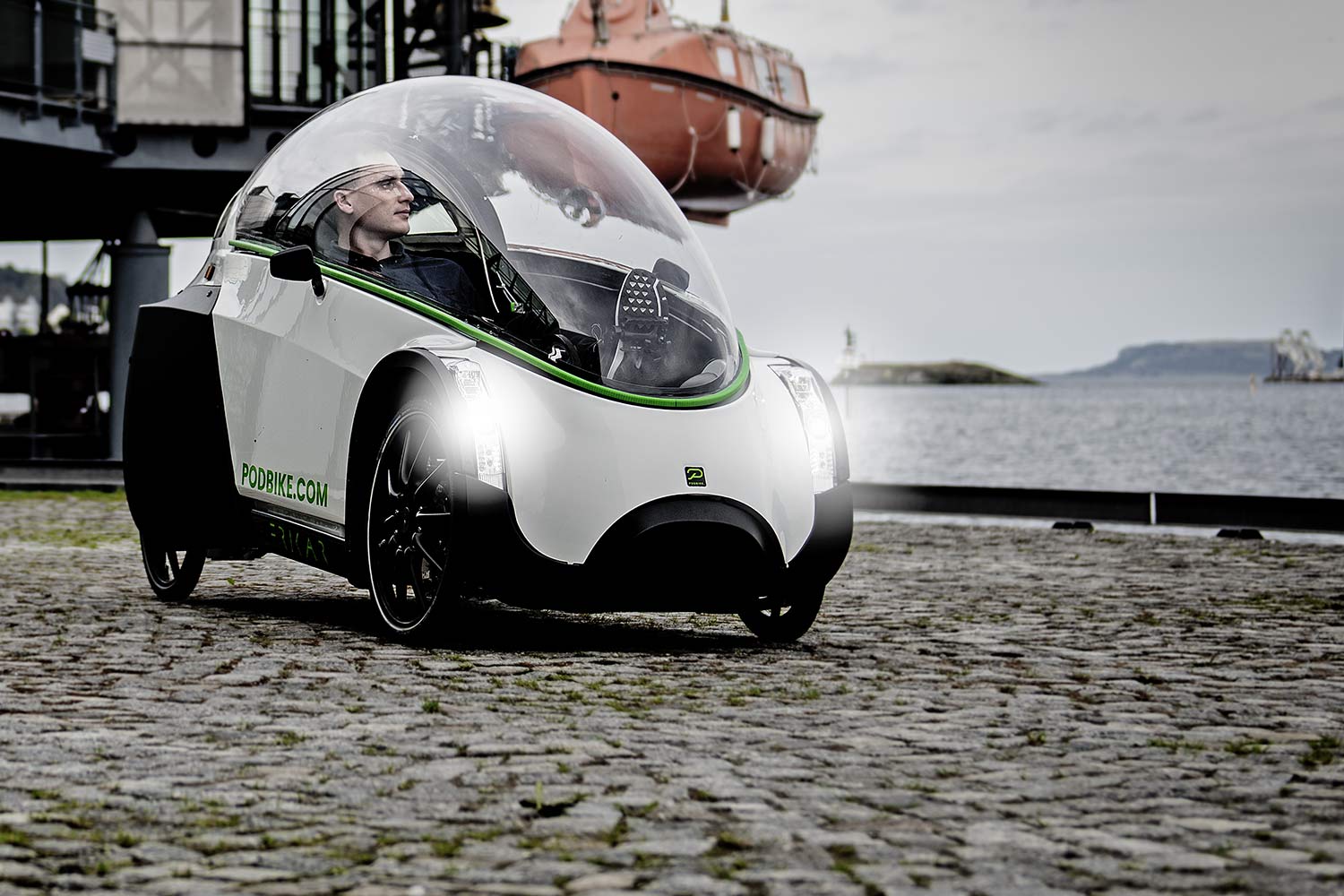
The Frikar, Which Will Have Its First Units Delivered, Combines Electric Car With Use of a Bicycle, With Space for Only One Person. The Innovative Vehicle From Norwegian Startup Podbike Does Not Require the Driver to Have a Driver’s License to Operate It
The creators of the new “vehicle,” named Frikar, are classifying it as a mix of electric car and bicycle. Even though it has four wheels and is enclosed like a car, this vehicle has space for only one person and has pedals like those of a bicycle. The pedals are not connected to a chain like in conventional bicycles, but rather to a type of electric generator located at the rear of the Frikar. In this way, the Frikar is powered by human energy, like a bike. In Europe, the vehicle is classified as an electric bicycle, so there is no need for a driver’s license to operate it.
Read Also
Understand Better How the Frikar Works, a Mix of Electric Car and Bicycle That Does Not Require a Driver’s License
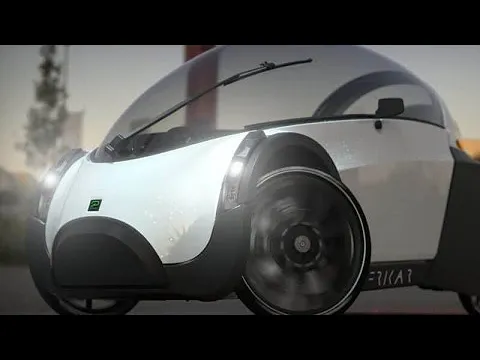

The Frikar vehicle moves with the help of three 250-watt motors, but only one of them is connected to the pedals. With this, the speed of the Frikar can exceed 25 km/h, which is what the law allows for electric bicycles in European countries.
After reaching 25 km/h, the Frikar can reach up to 60 km/h, but depending on some specific factors such as the slope of the terrain it is traveling on.
-
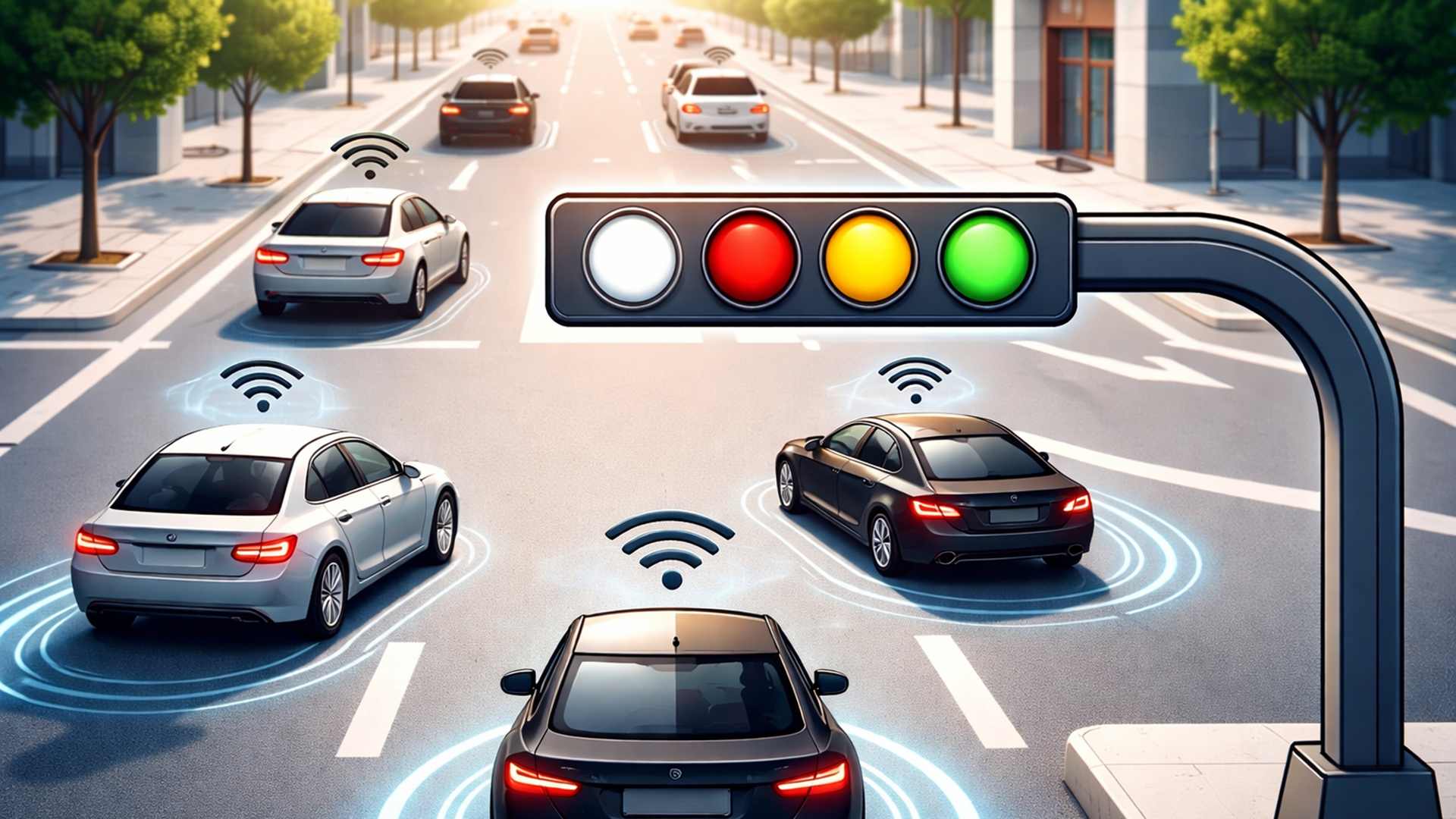
Engineers propose a fourth traffic light for intersections – the change promises to affect crossings, queues, and waiting times.
-
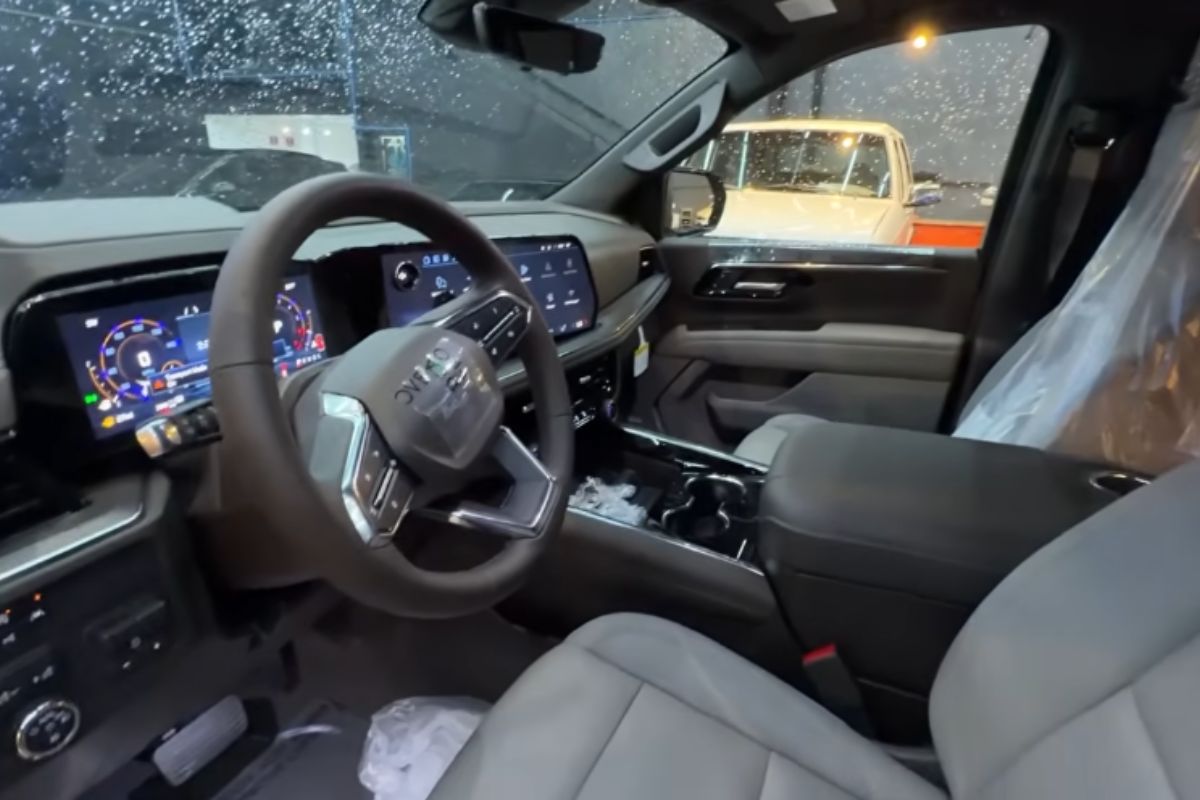
Chevrolet Suburban Z71 lands in Brazil with a V8 engine, off-road design, air suspension, seven seats, and colossal size, a rare version imported for around R$ 1.3 million with luxury and exclusivity.
-
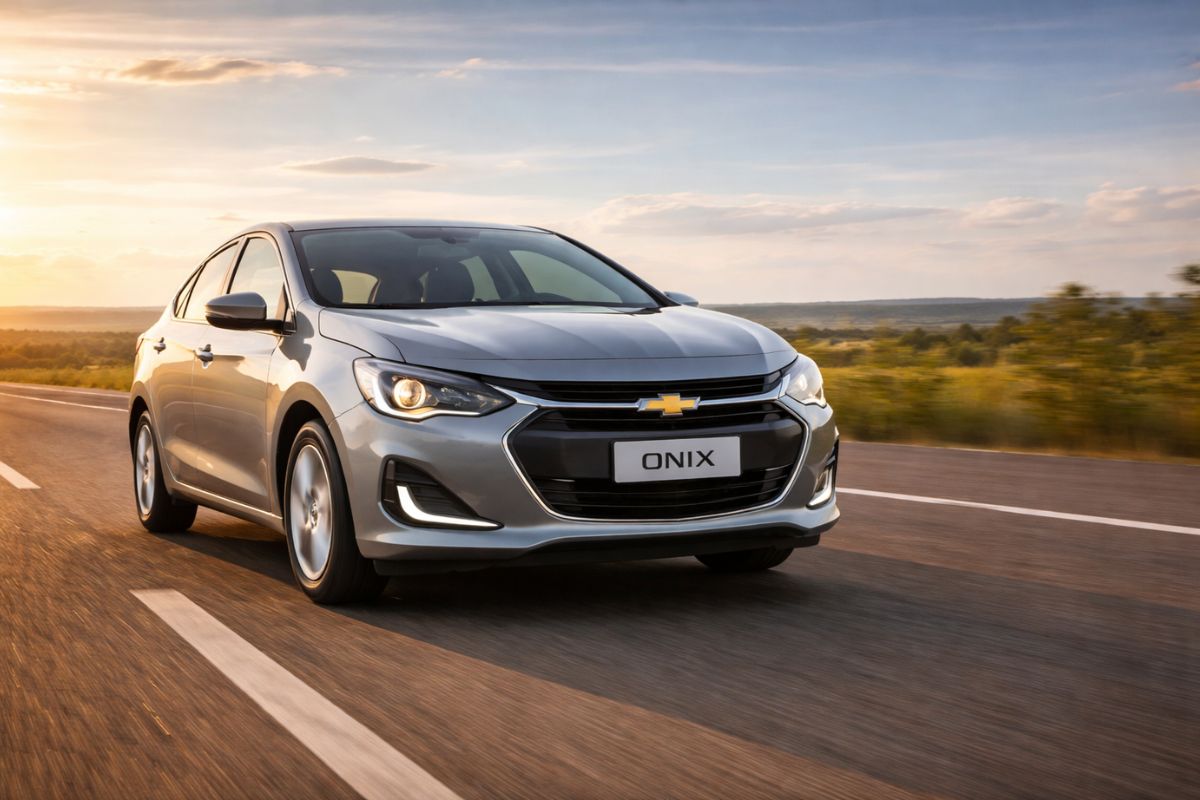
The Chevrolet Onix 1.0 turbo achieves 17.7 km per liter on the highway and ranks among the three most economical cars in Brazil in 2026, alongside two more expensive Toyota hybrids available at dealerships.
-
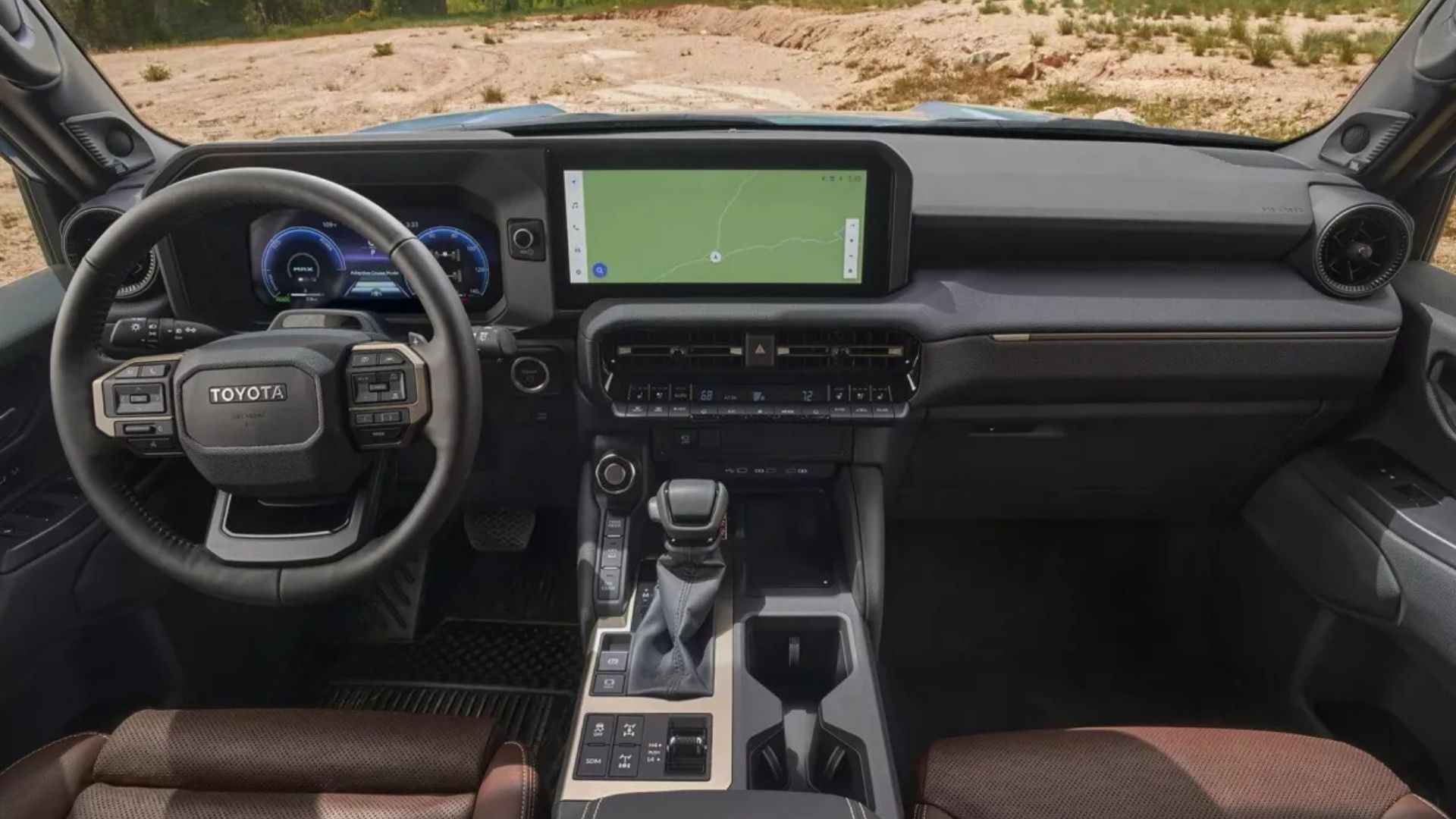
Little sister of the Hilux: Toyota launches Land Cruiser FJ with 4 radical versions, 2.7 engine with 166 hp and 4×4 traction with locking.

Putting it into practice, the motor powered by human energy – specifically, by pedaling – only reaches 25 km/h, but the other two motors that are part of the vehicle’s powertrain provide an extra boost, which depends on how much effort and vigor the Frikar driver is putting into pedaling.
Manufacturers of the Frikar
The Norwegian company Podbike is responsible for developing the Frikar. In 2021, Podbike accumulated an estimated €3.2 million, around R$20 million, in pre-order requests, which included more than 3,400 orders.
The price of this innovative vehicle is €6,429, around R$40,000. The first units of the Frikar were expected to start being delivered only in 2023, but the manufacturer decided to expedite the delivery of the vehicles, as there were more orders than the Norwegian startup anticipated.
Podbike designed the Frikar to be 2.3 m long and 84 cm high, in addition to having a removable sunroof, a trunk at the rear, and an adjustable seat. Its range is 50 to 80 km. If the customer desires ventilation, alarm, and internal lights, they can purchase the Plus version, but for an additional amount to be negotiated with the manufacturer.
“Feeling Like Driving an Electric Car,” According to Podbike
The Frikar was designed for short-distance travel as a way to minimize heavy traffic in large urban centers and reduce gas emissions. Although its design is single-seater, it is possible to attach a child seat, as there is enough interior space for that.
According to Podbike, the feeling is like driving an electric car. Its battery can offer up to 877 Wh, which can be expanded with a module of two auxiliary cells. It can be charged in the Frikar or, if desired, the driver can remove it for external charging.
It is worth noting that the Frikar does not require the driver to have a driver’s license to operate it, as it does not exceed 60 km/h – depending on the effort made by the person pedaling.









Seja o primeiro a reagir!