






 Portuguese
  Spanish


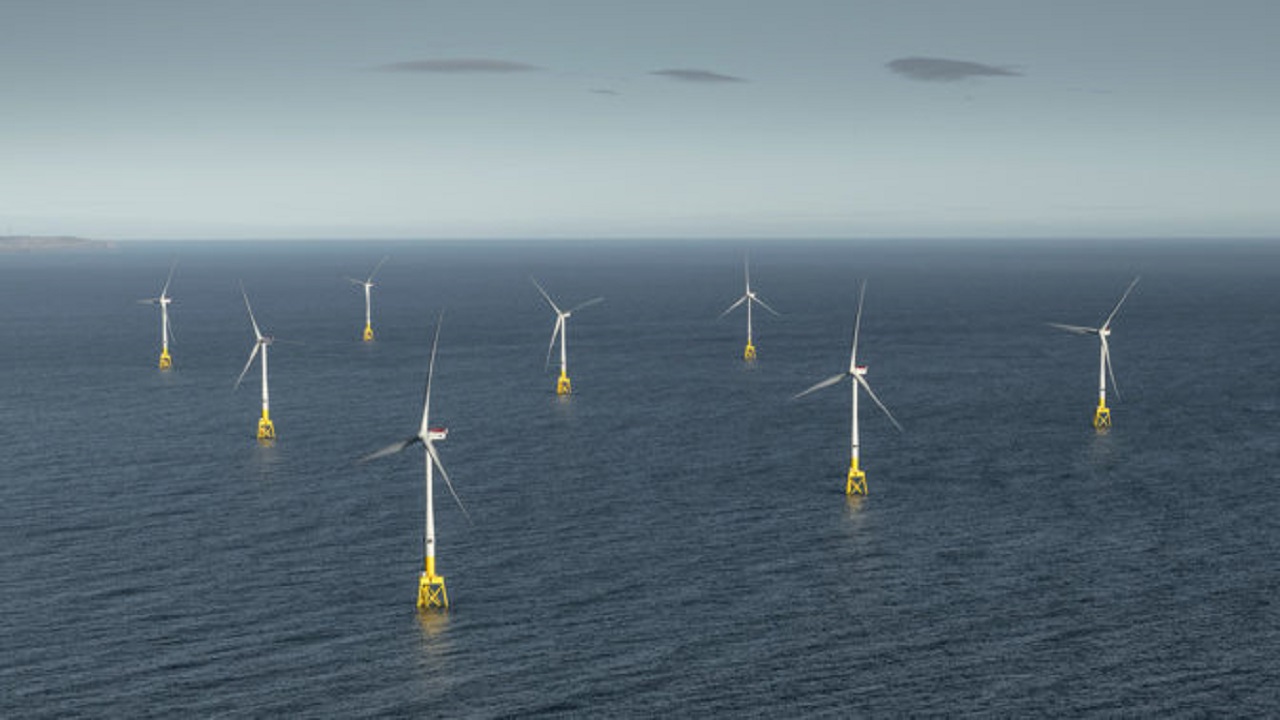

The Largest Offshore Wind Farm Is Expected to Be Built in the Next Few Months Thanks to a Million-Dollar Investment from the South Korean Government to Revolutionize the Offshore Industry
Three months ago, the South Korean government announced that it was getting to work on the largest wind farm in the world, but now the investment goal has changed, and the aim is to build the largest floating offshore wind farm in the world.
Also Read
Million-Dollar Investment in the Largest Offshore Wind Farm
According to reports, the new offshore wind farm will receive an investment of 32 million dollars and will have an energy generation capacity of 6 gigawatts.
The new investment will be added to the 8 gigawatts of wind energy capacity announced in February. Although the offshore wind farm is planned for the southwest coast of the country, the most current project will be carried out off the coast of the industrial city of Ulsan in the southwest of South Korea.
-
Giant Batteries Take Center Stage in Chile Auction as Company Offers 960 GWh of Solar Energy for Nighttime Use, Aiming to Stabilize Solar Power Supply

-
After a Year of Success in Switzerland, Solar Railway Attracts Italy’s Interest for Clean Energy Transformation
-
Robots Clean Solar Panels in Desert Power Plants Without Water, Preventing Energy Losses
-
Brazil’s Offshore Wind Energy Potential Worth $1 Trillion Stalled by Long-Delayed Agreement



According to the President of South Korea, Moon Jae-in, the investment in offshore wind energy would be a combination of public and private funding and would be able to generate enough electricity to reduce emissions by 9 million tons per year, powering around 5.7 million homes.
The Growth of Offshore Wind Energy
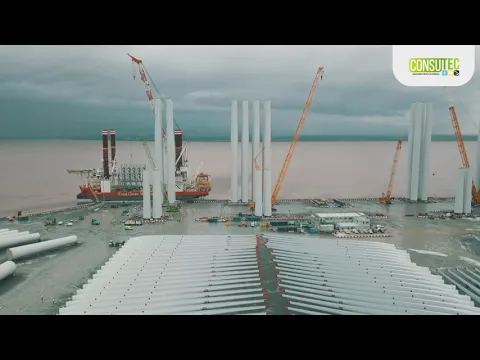

By far, offshore wind farms are among the most expensive and rare investments in the wind energy sector, but that may change. According to a recent report in the academic journal Nature Energy, solar energy is likely to be responsible for a quarter of offshore investments by the year 2035.
Traditional fixed-bottom offshore wind turbines need to be in shallower waters, about 50 or 60 meters below; floating offshore wind farms do not have this limitation, allowing for a larger site.
The offshore wind farm could be built beyond the horizon of the coast, avoiding complaints from local residents. The announcement of the floating offshore wind farm is proof that the South Korean government is fulfilling its goal of net-zero emissions by 2050, part of a Green New Deal, which also aims to build 16 gigawatts of wind capacity and eliminate the use of coal.
Other Renewable Investments in the Country
The country had already made an investment in the renewable sector with one of the largest hybrid wind-solar projects. The project had a capacity of 93 MW and was built on land where a 40 MW wind farm already existed, becoming one of the largest projects in South Korea, totaling an installed capacity of 133 MW. The project generates around 120 million kWh of electricity per year, meeting the needs of approximately 30,000 households.
Additionally, the project reduces emissions of 56,000 greenhouse gases per year. The company responsible for supplying the modules for the project was the Chinese JÁ Solar, which operates in over 120 countries. The entire project was part of the Chinese company’s commitment to exploring innovative applications in the renewable energy sector.
The high-efficiency products from JÁ Solar received product certification from the Korean Industrial Standards (KS) and garnered attention from customers and the local media. Around 2018, the company officially opened a branch in South Korea to provide services more efficiently to customers in the country. By 2019, about a year later, the South Korean branch received the “Best Market Performance Award” from the Solar/ESS Industry.







