





 English
  Francês
  Alemão
  Italiano
  Japonês
  Norueguês
  Portuguese
  Spanish
  2 min of reading


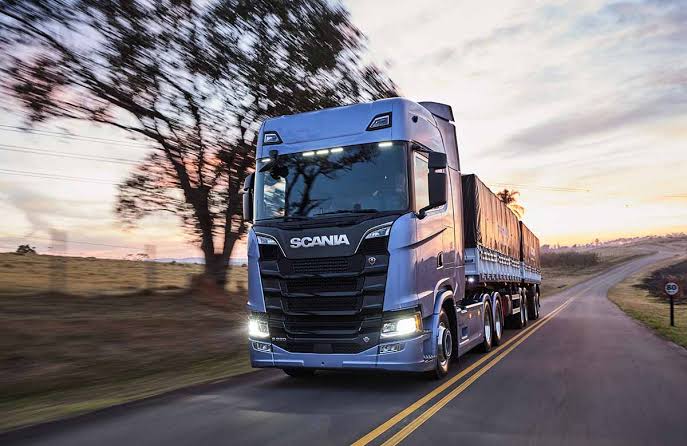
The Start of the Then Project with Alternative Fuels Involves an Investment of R$ 2.6 Billion from Scania
So far, information has been gathered from the press indicating that Scania will begin, in São Bernardo do Campo, the production of trucks powered by CNG (Compressed Natural Gas), LNG (Liquefied Natural Gas), and biomethane (derived from organic waste). Everything will start at Scania’s factory located in Argentina with the so-called alternative fuels.
Read Also:
- The Largest Steel Producer in Latin America Has Open Positions in Rio de Janeiro
- The Largest Steel Producer in Latin America Has Open Positions in Rio de Janeiro
- Giant Schlumberger Seeks Engineer, Manager, Specialist, and More for Oil Sector
CNG and LNG Versions
Thus, the first test versions, which are the CNG and LNG models – flex vehicles, will be launched in the national territory. Scania has even stated that imports of natural gas trucks have already occurred, but local production is unprecedented. In Sweden, this type of vehicle (with alternative fuels) has existed since mid-2014.
The Swedish headquarters of the group has been producing this type of vehicle since 2014. For production in Brazil, adaptations were made, such as reinforcements for use in harsher terrains. The idea of having trucks powered by alternative fuels could be the solution to the current economic scenario in Brazil, as this project could generate numerous job opportunities for the industry.
-
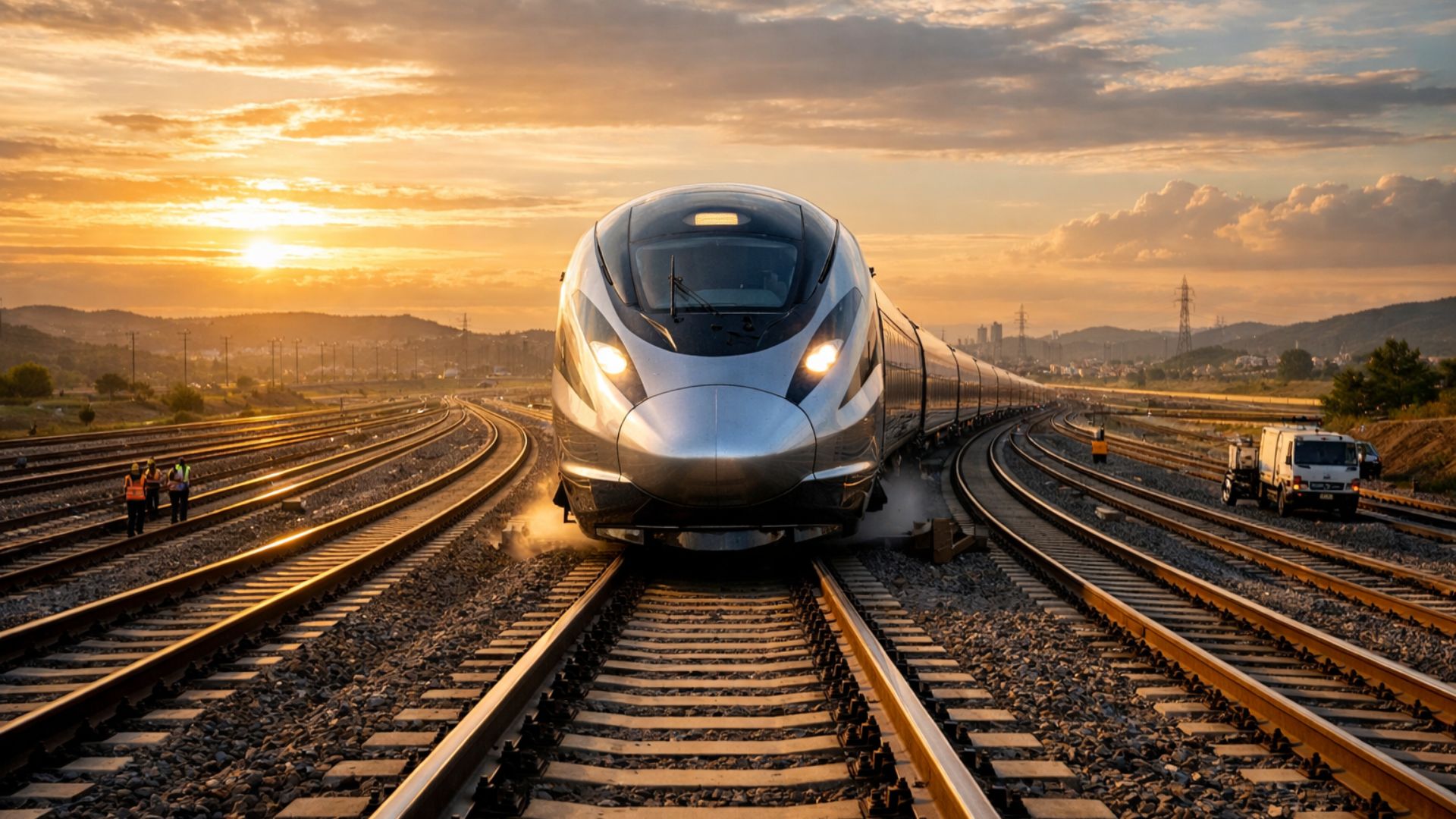
São Paulo surprises the world with a colossal railway network project that promises over 1,000 km of tracks, R$ 194 billion in investments, and 40 projects connecting the capital to the interior with fast and sustainable trains.
-
The world’s largest escalator, measuring 905 meters in China, reduces urban travel time from 1 hour to about 20 minutes and transforms mobility in mountainous regions with an engineering solution adapted to the terrain.

-
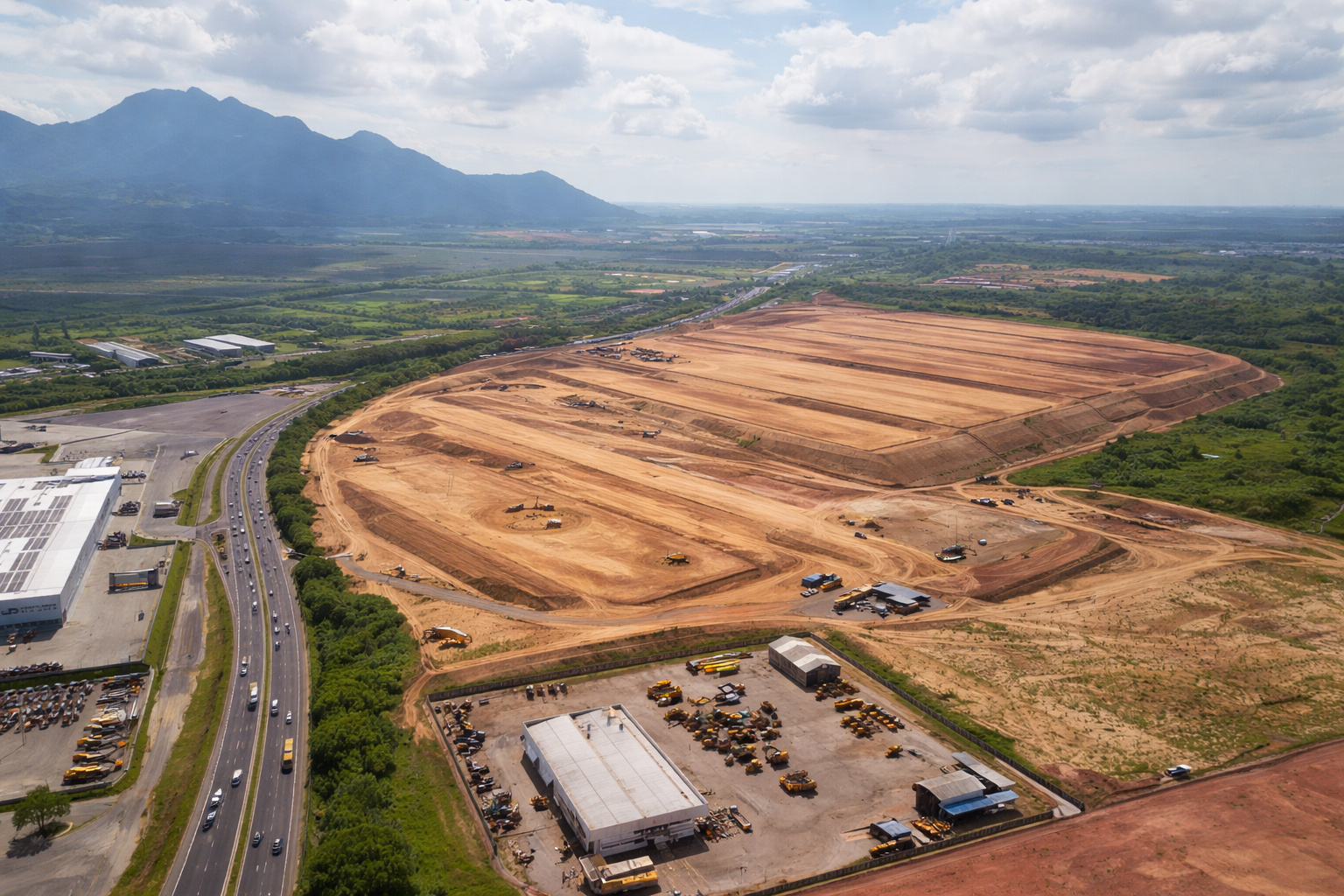
A R$ 300 million logistics giant is taking shape in Serra with over 100,000 m² and raises a question: how can this transform e-commerce and distribution in the state?
-
Could Uber Rides Lose Minimum Fare? Understand What’s Happening!


Delivery of Trucks with Alternative Fuels
Furthermore, it has been decided that delivery will occur in March of this year; however, some executives involved in the project have not informed even the media how many units will be sold, with prices for the new vehicles being 30% to 40% higher than the diesel versions, which start at R$ 400 thousand.
ABC and Expansion of Alternative Fuels
Scania’s factory in São Bernardo is the second largest for the Swedish group in production capacity, at 30,000 units per year. Today, the unit operates at about 75% of its capacity and employs 4,000 people. Capacity will increase if demand for products grows, Podgorski reports. The closure of Ford’s operations does not affect Scania’s business since it only produces heavy-duty vehicles. The company exports 40% of its production. In 2019, the group sold 12,700 heavy trucks, a 57.8% increase compared to the previous year. Total sales for the segment grew by 48.7%, to 51,700 units. The leader in this category is Mercedes-Benz, with sales of 14,100 vehicles last year, a volume 41.8% higher than in 2018.









Seja o primeiro a reagir!