





 English
  Francês
  Alemão
  Italiano
  Japonês
  Norueguês
  Portuguese
  Spanish
  3 min of reading


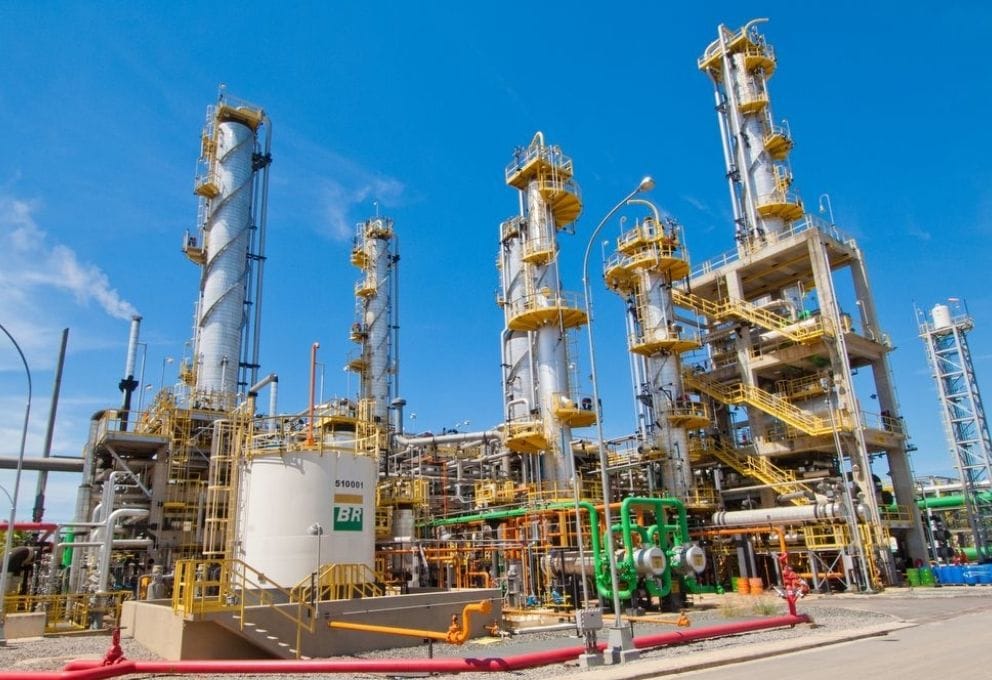
The CEO of Petrobras, Joaquim Silva e Luna, said that the entry of new competitors in oil refineries may reduce the price of fuels for the consumer
Yesterday, during the Labor, Administration and Public Service Committee in the House of Representatives, the president of Petrobras said that new competitors in the oil refinery segment may lower fuel prices for consumers. The state-owned company decided to sell eight refineries, among other assets, to generate cash and reduce its debt, which ended 2020 at US$ 75.5 billion. See also: Petrobras Refineries That Will Not Be Sold Will Receive Investments of US$ 300 Million by 2025
- Ford Launches Service for Consumers Who Want to Drive a New Car Every Year by Paying Only One Monthly Fee
- New Solar Energy Complex in Piauí Promises to Generate 3,600 Jobs
- Energisa Will Inaugurate the First Artificial Intelligence Center in the Electric Market to Develop Solutions for the Brazilian Electricity Industry
- Enel X, a Company of the Enel Group, Partners With Itaú Bank for Electric Car Sharing Service in Brazil
- 1,700 Free Online Courses Offered by U.S. Universities, Such as Harvard, Michigan, Stanford, and Others
Petrobras Remains Aligned With the PPI (Import Parity Price)
The president of Petrobras, General Joaquim Silva e Luna, stated that the state-owned company remains aligned with the PPI (Import Parity Price) as a way to maintain attractiveness in the fuel market. Besides the general, the pricing policy was also defended by the management of Roberto Castello Branco, who was dismissed by President Jair Bolsonaro (without party) in February 2021. The dismissal occurred after successive increases in fuel prices.
Luna says that in these 2 months he has been at the helm of Petrobras, there has been no intervention whatsoever. The CEO of Petrobras also states that what they did was a scenario analysis, verified the commitment, and separated what is structural from what is conjunctural, which should not impact prices.
-
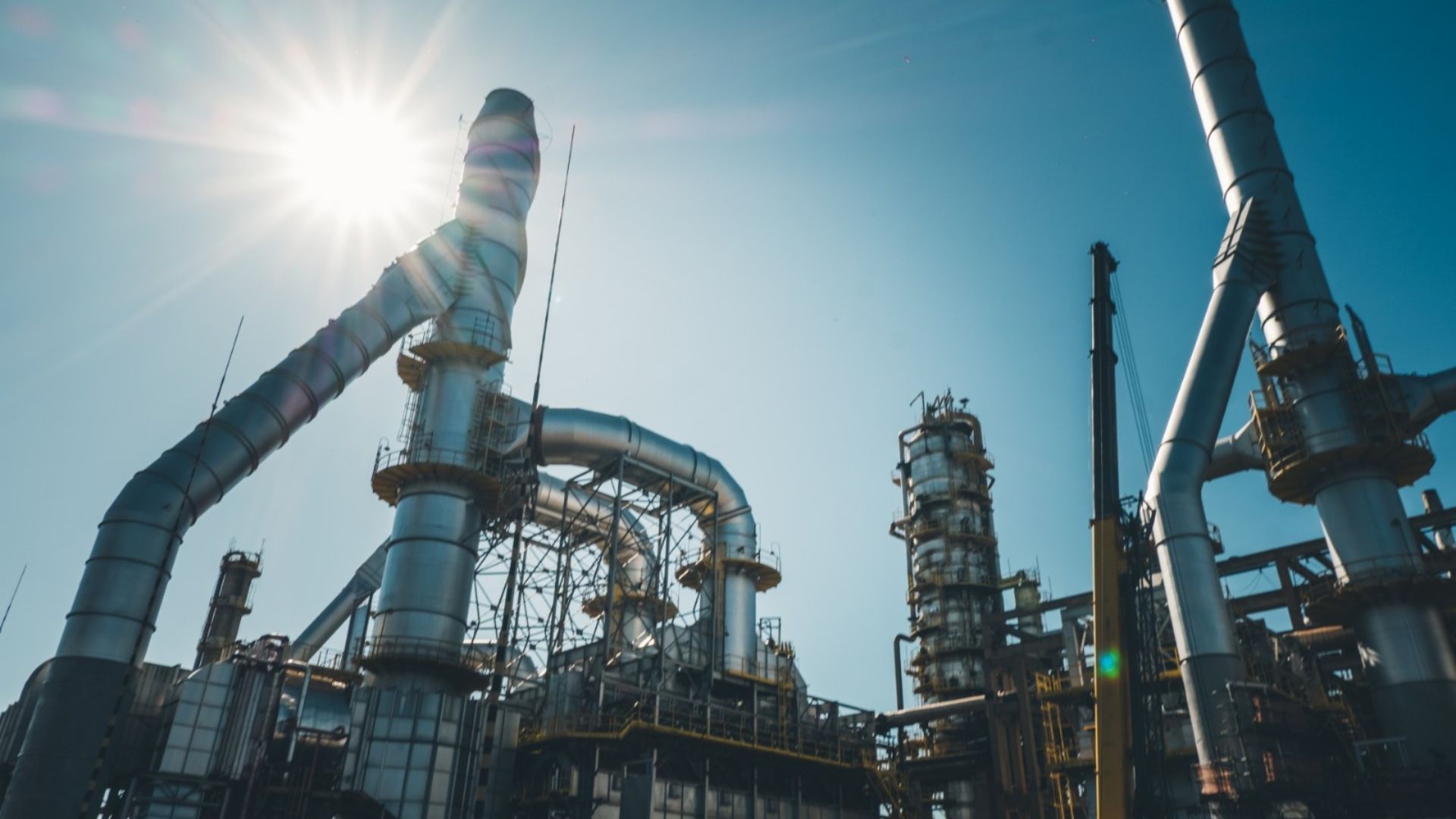
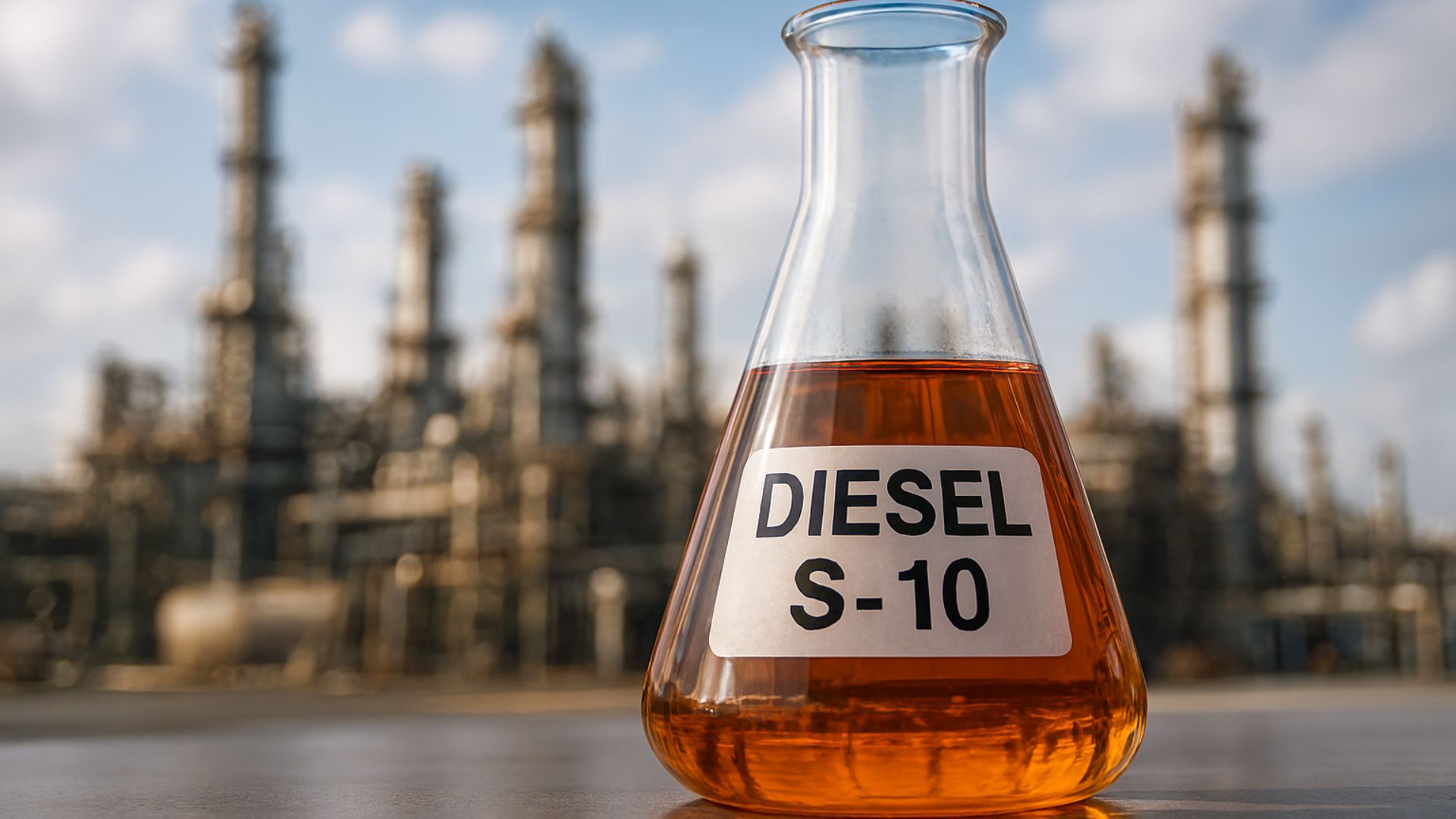
Petrobras Expands Refining in Brazil, Increases Production of Diesel S-10 and Gasoline, Enhances Operational Efficiency, and Reduces Import Dependence Between 2023 and 2025
-
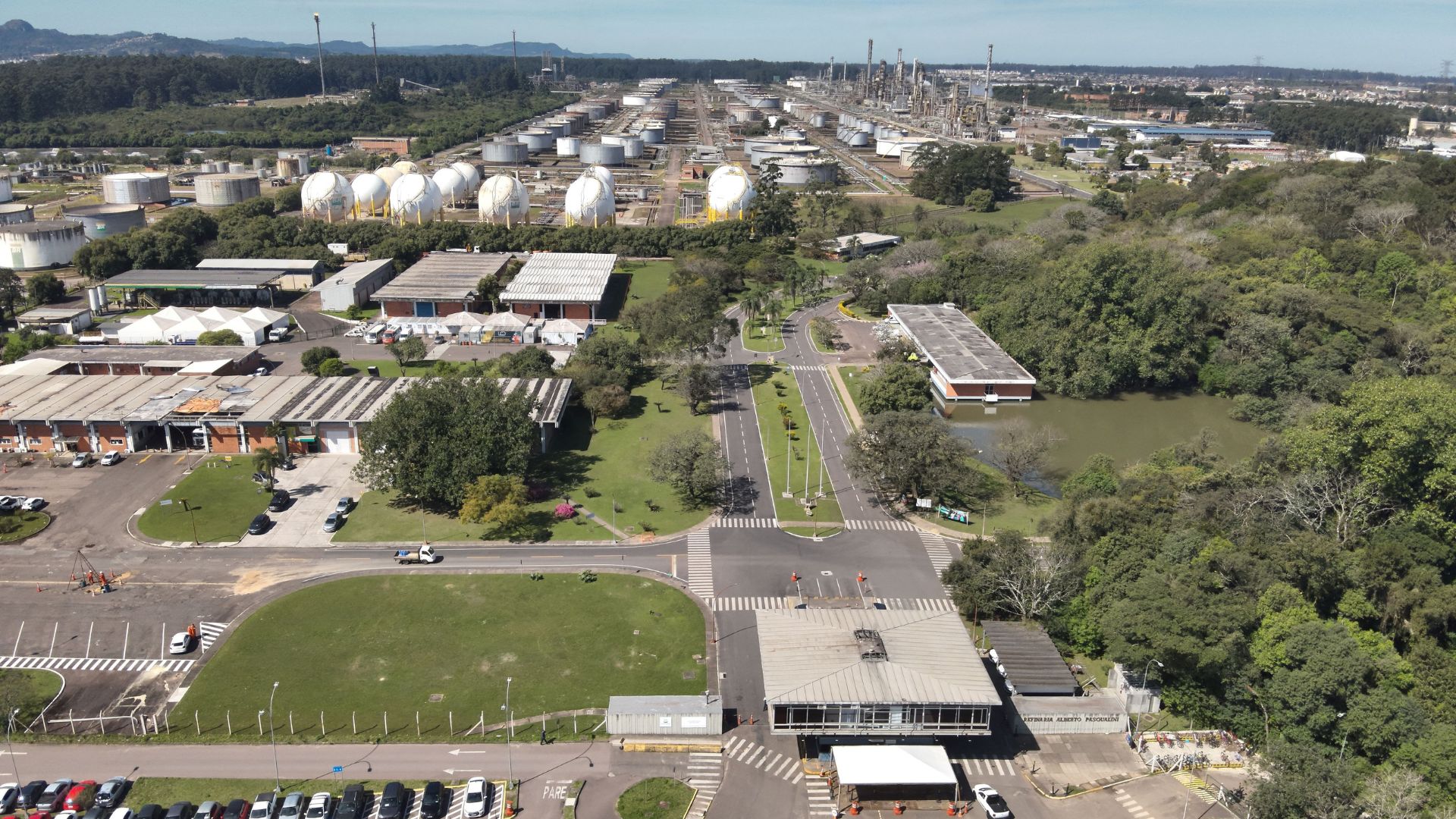
Petrobras’ Refap Sets Historic Records for Gasoline and S-10 Diesel Production in Canoas in Q4 2025, Surpassing Previous Figures
-
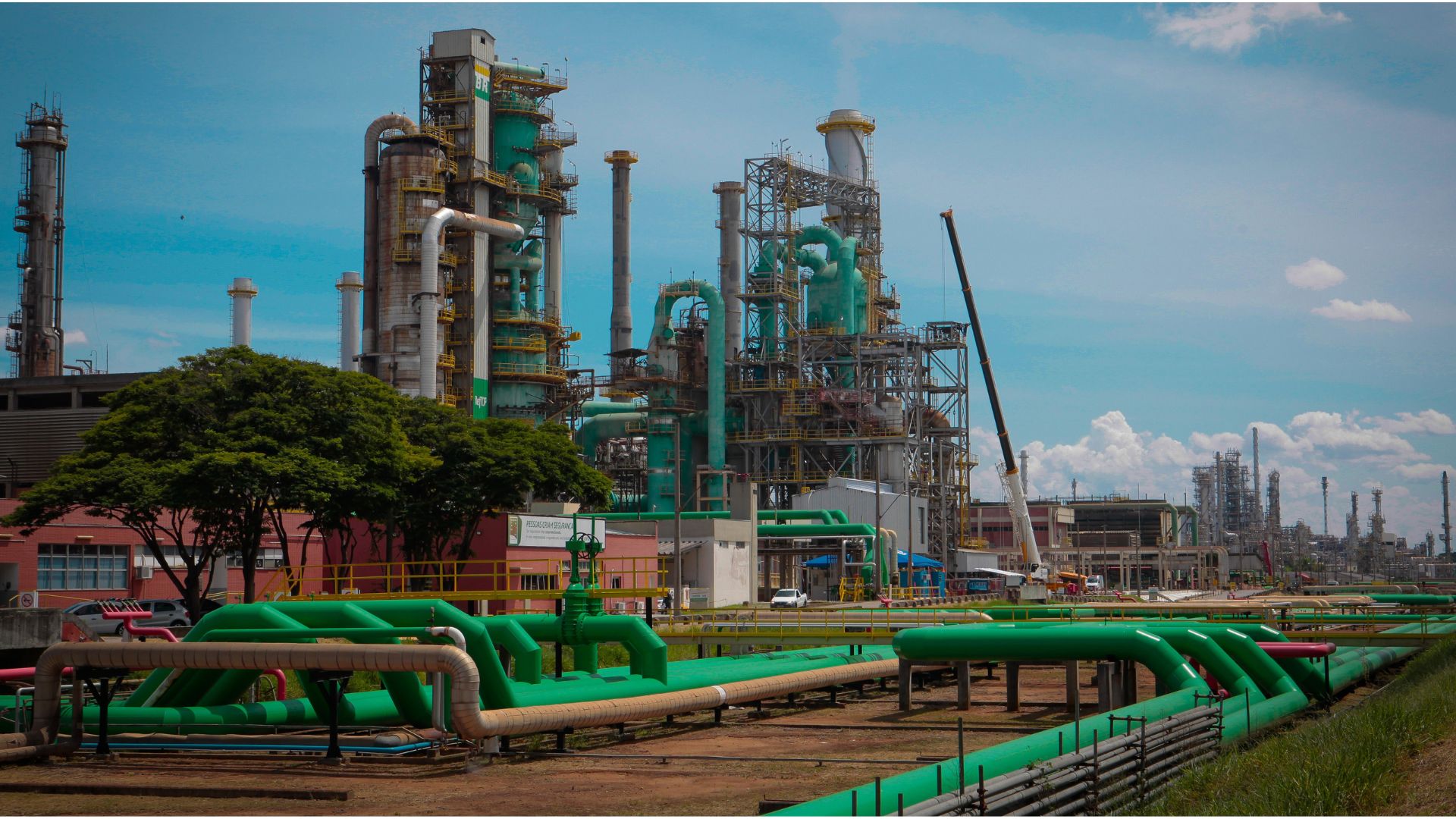
Revap Starts Operation of Modernized HDT and Petrobras Expands S-10 Diesel Production by 80% at the Refinery, Boosting Supply of Less Polluting Fuel in Brazil
-
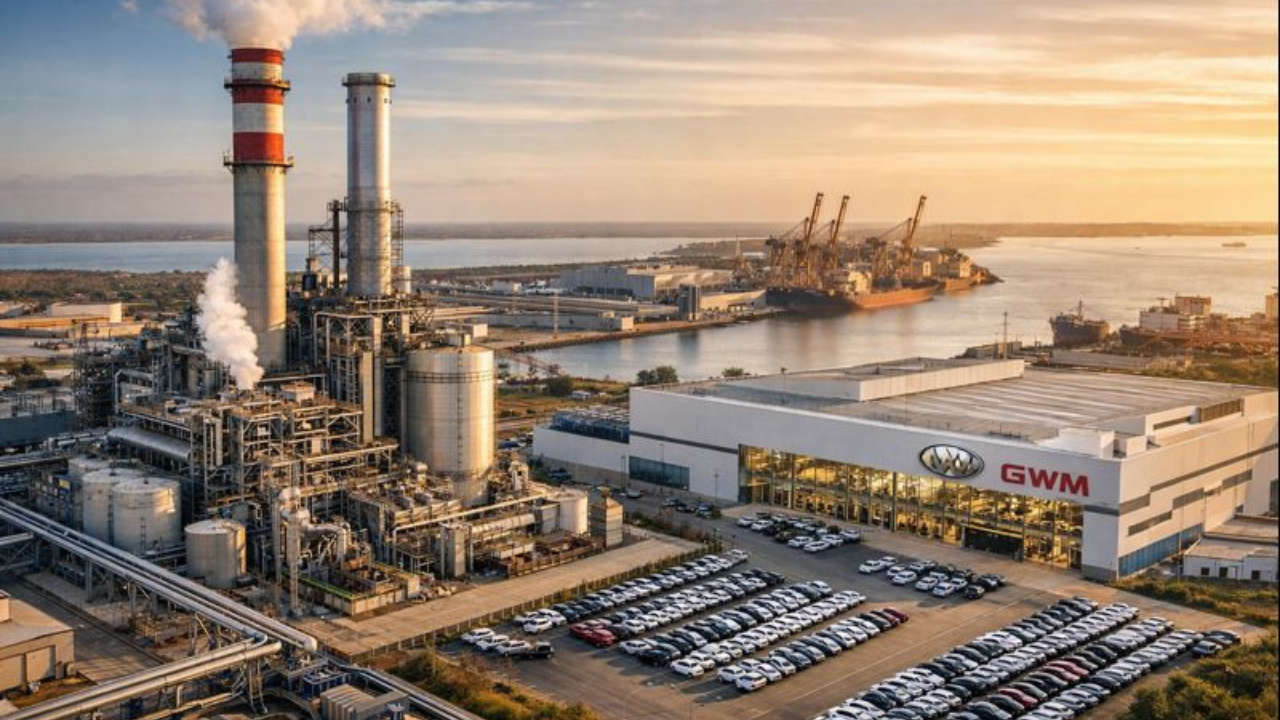
Thermal Power Plant in Rio Grande do Sul Is Key to Attracting GWM
The Divestments in Refineries and Other Assets of Petrobras
Silva e Luna was invited to provide information on the impacts of Petrobras’ divestment plan. The deputies requested that the president of the state-owned company explain mainly the impacts of the sale of the RLAM refinery (Landulpho Alves Refinery).
The sale of the refinery and Petrobras’ assets was approved by Petrobras’ board of directors in March. The contract, which has not yet been signed, involves the transfer of RLAM to Mubadala Capital, from the United Arab Emirates, for US$ 1.65 billion (around R$ 9.1 billion). The sale price is contested by workers and trade union entities of Petrobras. The case was brought to the TCU (Federal Court of Accounts), which ruled the complaint unfounded in May.
The asset divestment plan includes the sale of 8 of Petrobras’ 13 refineries. In addition to RLAM, the units are: RNEST (Abreu e Lima Refinery); SIX (Shale Industrialization Unit); REGAP (Gabriel Passos Refinery); REPAR (President Getúlio Vargas Refinery); REFAP (Alberto Pasqualini Refinery); REMAN (Isaac Sabbá Refinery); and LUBNOR (Lubricants and Oil Derivatives of the Northeast).
Fuel Prices
Silva e Luna also stated that gasoline leaves Petrobras’ refineries at R$ 1.90, based on data from April and May. Upon reaching the pump, the price includes other costs, such as taxes and retailer profits. “Most of the price is set outside [the state-owned company]. Petrobras does not interfere with this value,” he stated.
During the debate that included the CEO of Petrobras at the House of Representatives, several lawmakers criticized the current fuel costs for consumers. One of them was Deputy Rogério Correia (PT-MG), who requested the public hearing. “Today we have a gasoline price that reaches six reais. It is an extremely high price compared to what the population was used to,” he stated.







Seja o primeiro a reagir!