





 Portuguese
  English
  Spanish
  4 min of reading
  8 comments


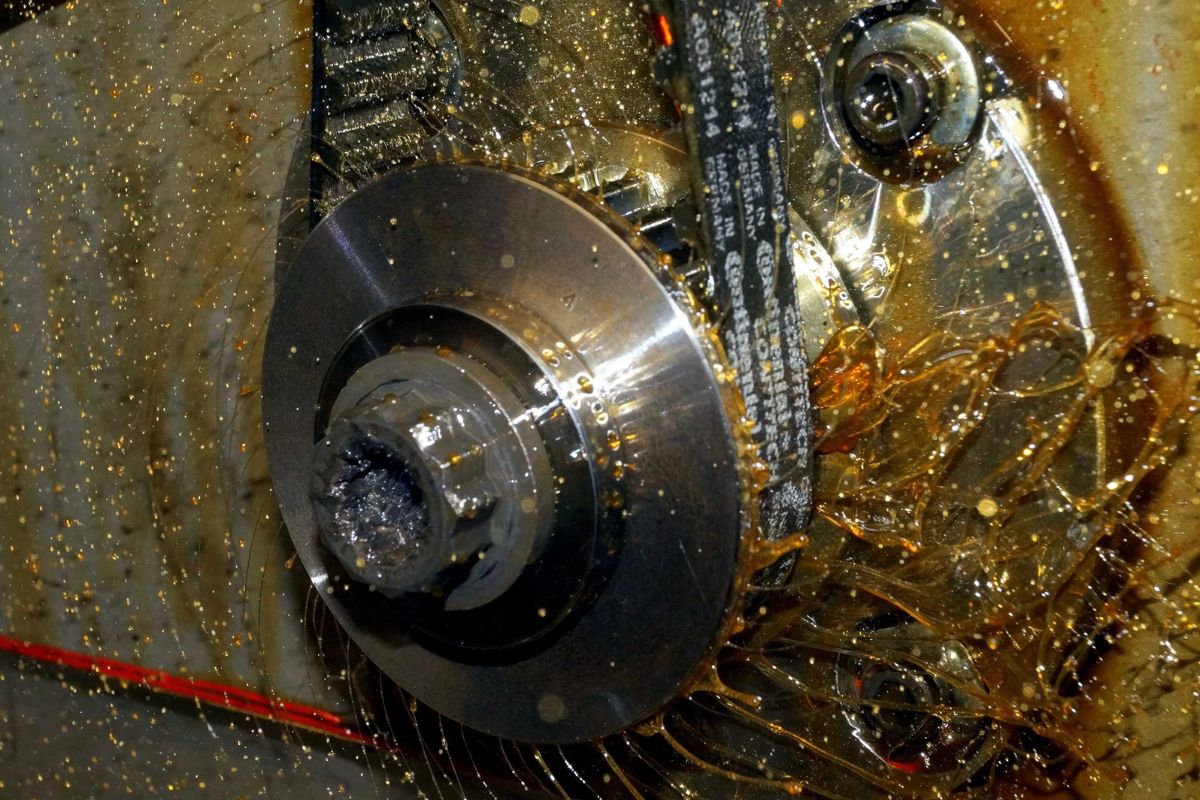


Understand Why The Innovative Oil-Immersed Timing Belt Is Failing Prematurely And How Contaminated Or Adulterated Fuel Aggravates The Problem.
Modern cars, such as the Chevrolet Onix 1.0 Turbo, are symbols of economy and technology. However, a specific part in their engines has raised concerns. It is the oil-soaked timing belt. Designed to last much longer than dry belts, reaching 240,000 km according to some manuals, it has been failing much sooner than that.
Often, it breaks before 80,000 km. The blame often falls on the use of incorrect oil. But there is another important factor: the fuel itself may be silently destroying the belt.
The Promise Of The Oil-Soaked Belt
The quest for greater energy efficiency and compliance with emission standards led to the development of the oil-coated belt. The idea emerged with Ford in the 2000s. In 2007, DAI, a belt manufacturer, registered its patent. The technology became popular in Europe. In Brazil, it arrived in Ford models from 2015, such as the three-cylinder Ka 1.5. GM adopted the innovation in the popular Onix in 2020.
-
A 250cc motorcycle that can reach 560 km with a 14-liter tank, features disc brakes on both wheels and is among the most well-known in Brazil.
-
Man finds over 200 rare cars abandoned on a lot and tries to do the impossible in 8 hours with a surprise at the end.
-
An irregular parking case gains attention after a Mercedes Classe A was removed in such a strange way that it even raised doubts about damage to the car.

-
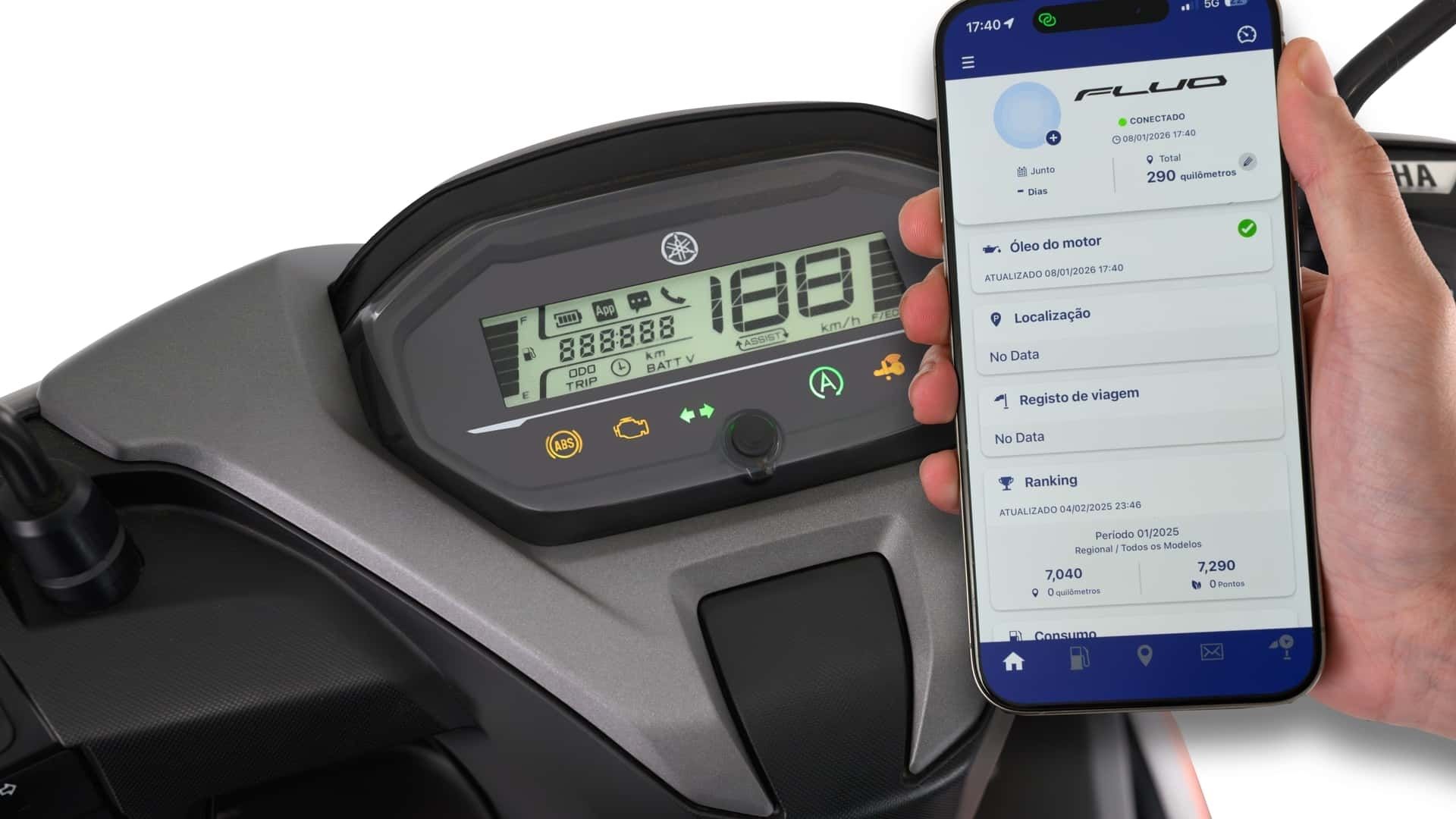
Costing R$ 16,000, the new Yamaha features a 125 cc hybrid engine with electric assistance, delivers 8.3 hp, includes ABS, optimized fuel consumption, Y-Connect connectivity, 25 liters of storage space, and a surprising 4-year warranty in the urban segment.

This belt is part of the engine’s timing system, just like the dry belt and the timing chain. The dry belt is located outside the engine and requires frequent replacements (50-60 thousand km). The timing chain, metal and internal, lasts much longer (over 200 thousand km). The oil-coated belt is a hybrid solution. It resides within the engine, immersed in oil, like the chain. It attempts to combine the simplicity of the dry belt with the durability and lower friction of the chain. Automakers promised replacements between 100 thousand and over 200 thousand km.
Special Material And Specific Oil
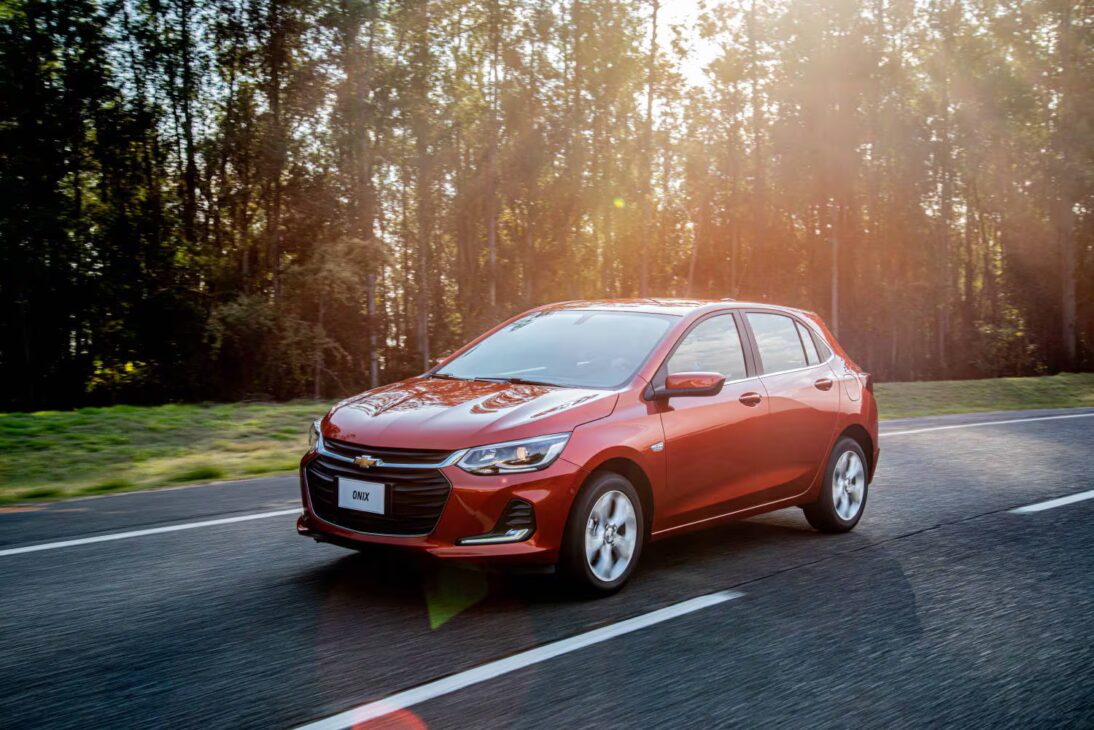
Knowing that rubber and oil generally do not mix well, this belt uses special materials. It is made of HNBR (hydrogenated nitrile butadiene rubber). This material withstands high temperatures and oil. It also has a Teflon coating to increase its resistance.
The lubricating oil also needs to be specific. It must have special additives to avoid attacking the rubber of the belt. Manufacturers like Continental claim that this solution generates 30% less friction than chains. This contributes to the engine’s efficiency.
Unexpected Failures And High Costs
Despite the promising theory, practice has shown problems. Owners of cars with oil-soaked belts report premature failures. The belts are breaking or disintegrating well before the expected timeline. There are cases of breakage before 80,000 km. Some owners claim that the problem occurred even when using the correct oil and having maintenance done at the dealership. The technology has become controversial. Engineers and mechanics debate whether the failure is due to design or misuse by the owners.
The breaking of the belt causes severe and costly damage to the engine. It breaks valves and other components due to the loss of synchronization. Preventive maintenance (belt and filter replacement) costs an average of R$ 2,000. If the belt has already shed debris, corrective maintenance (with system cleaning) can range from R$ 3,000 to R$ 4,000. In case of breakage with engine damage, the loss can reach R$ 7,000.
Common Causes: Wrong Oil, Severe Use And Risks In Used Cars
The use of incorrect oil is indeed a proven cause of failures. It is not enough to use the correct viscosity (like 0W20 or 5W30). The oil must meet the exact specifications required by the automaker (like GM’s Dexos 1 Generation 3 standard). Adding products like metal conditioners also compromises the oil and the belt.
Another factor is “severe use.” This includes common situations like short trips. In these cases, the engine does not reach the ideal temperature. The cold oil cannot eliminate contaminants from the fuel that pass into the crankcase. Over time, the oil degrades and loses its properties, attacking the belt. Overheating in long traffic jams also degrades the oil and the belt.
Used cars, especially former rental cars, represent a risk. There is no guarantee that previous maintenance used the correct oil. The problem of reduced durability is also reported in Europe. Signs of wear include warning lights (injection, oil), stiff brakes (vacuum pump clogged by belt debris), and turbo failures.
The Impact Of Fuel On The Oil-Soaked Belt


A crucial factor, and perhaps underestimated by automakers, is the contamination of oil by fuel. As explained, even under normal severe use, fuel contaminates oil. Now, imagine the impact of adulterated fuel. This is a recurring problem in Brazil, intensified during times of high prices. Additives such as solvents, kerosene, and methanol are mixed with gasoline or ethanol. These substances harm the engine and can severely contaminate the lubricating oil.
The combination of severe use (cold or overheated engine) with adulterated fuel creates the perfect scenario for accelerated oil degradation. This contaminated oil directly attacks the special rubber of the oil-soaked belt. While in engines with a dry belt or chain the damage from bad fuel may be slower or affect other systems (injection), in the oil-soaked belt the result can be catastrophic and swift.
Additionally, there is the risk of counterfeit lubricating oil, which is also a lucrative market for organized crime. The owner may unknowingly purchase counterfeit oil thinking it is the original, leading to premature failure of the belt.








Boa tarde!
Essa carreira banhada a óleo foi a melhor coisa que a Chevrolet fez… já estou no quarto Onix e nunca tive problema com essa correia… isso é conversa de mecânico que não sabe trocar ou mexer na correia
Depende muito de uma boa manutenção!!eu não espero kilometragem para trocar óleo !
Muito menos a correia.
Óleo apropriado sempre !e manutenção diária!
Tenho um Tracker 2023 estou muito feliz com ela!
Um carro econômico!me atende bem.mas cuido direitinho de troca de óleo original !toda manutenção.
Tenho um Agile 2012!!carro nunca me deu problema!!
Manutenção diária!! cuidado! abastecer sempre mesmo posto de combustível.
So tenho elogiar.
Manutenção e cuidar sempre!muito contente com a tracker.nao tenho nada a reclamar.obrigada
Arlete
Querem fazer o consumidor de ****..
Quando se projeta algum motor tem que fazer muitos testes oq parece que não aconteceu..
Agora o consumidor que fica no prejuizo…
Já que os combustíveis estão danificando as correias ,pq então não colococar corrente de comando ou correias que não seja banhada a óleo…
Mas preferem fazer o consumidor de OTARIOS..