





 Portuguese
  English
  Spanish
  3 min of reading
  0 comments



New Energy Technology Emerges As A Superior Alternative To Hydrogen And Will Receive An Investment Of US$ 6.3 Billion In The Coming Years
The quest for more efficient and cleaner energy solutions has found a new protagonist: gas engines. Although hydrogen has been viewed for years as the fuel of the future, the practicality and efficiency of gas engines are changing the game.
Estimates indicate that the global gas engine market, perhaps the fuel of the future, is expected to grow from US$ 5.1 billion in 2024 to US$ 6.3 billion by 2029, driven by an increasing demand for sustainable, low-cost energy. This transformation reflects the quest for a balance between environmental sustainability and economic options.
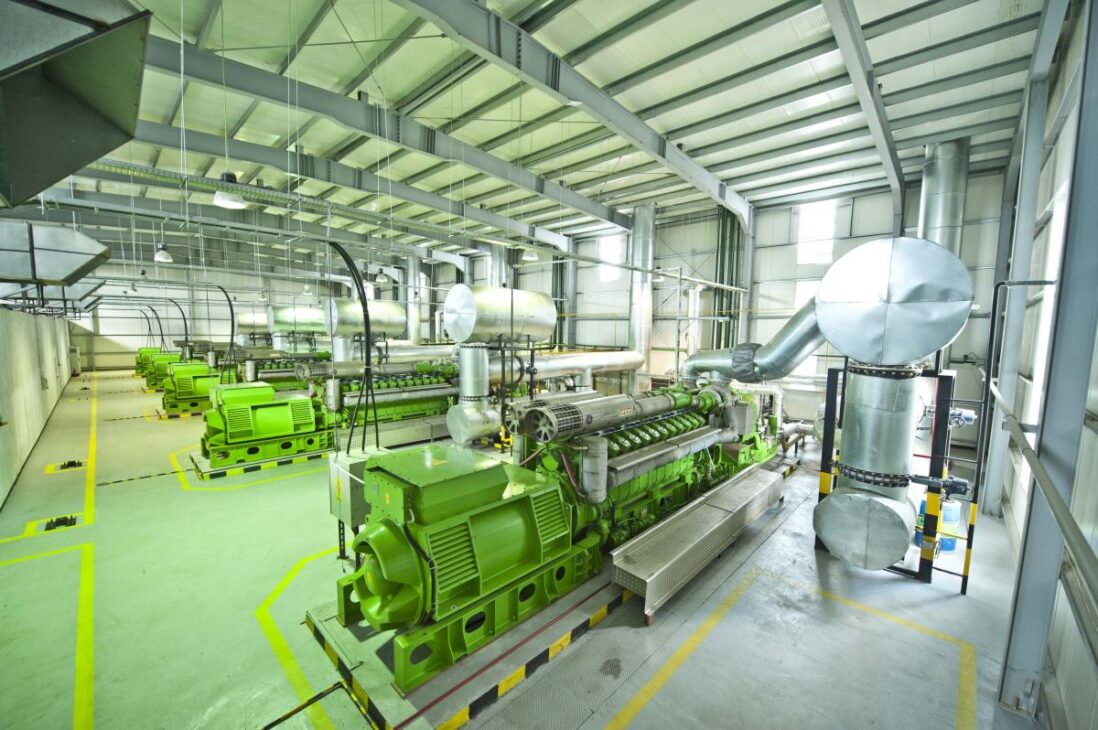
Will It Be The Fuel Of The Future? Why Gas Engines Outperform Hydrogen In The Energy Market?
Despite the environmental appeal of transport, the infrastructure necessary for its production and distribution faces significant challenges. High costs and scalability limitations hinder its widespread adoption, while gas engines bring rapid technological advancements that make them more appealing.
-
While the world looks at oil, the war with Iran is already disrupting helium supply from Qatar, affecting car and iPhone chips, threatening AI expansion, and putting pressure on aluminum packaging at the highest value in four years.

-
Global warming will expose a treasure hidden under the ice of Antarctica and may spark an international dispute over gold and valuable minerals.

-
A street vendor from Praia Grande built a robot made of scrap from scooters and washing machines that pulls his popcorn cart on the beach, emits sounds, and interacts with customers, becoming an attraction on the coast of São Paulo.

-
The specifications of the Xiaomi 18 Pro Max have been leaked, and the highlight is a dual 200 MP camera with a new 22-nanometer technology that promises to consume less energy and capture details in shadows and bright areas using LOFIC HDR.


Additionally, hydrogen production still largely depends on fossil fuels, which contradicts its promise of sustainability.
Gas engines, on the other hand, are more accessible and can already utilize biogas and other renewable fuels, aligning with carbon emission reduction targets. This flexibility makes them a preferred option for sectors and utilities seeking energy efficiency and lower environmental impact.
The interest in gas engines also contributes to their popularity. They are used in projects to stabilize electricity grids, meet variable demands, and reduce emissions. Furthermore, government policies encouraging the transition to low-emission technologies have further boosted the sector, allowing energy companies to adopt this solution in a financially viable manner.
Technological Advancements: The Engine Of Growth
The gas engine sector is experiencing a wave of technological innovations that enhance their efficiency, reduce emissions, and expand the range of usable fuels. These advancements include improvements in engine design and manufacturing, resulting in more reliable equipment adaptable to market fluctuations.
The ability to operate with biogas and landfill gas, regarded as sustainable substitutes for fossil fuels, places gas engines in a strategic position. This technological evolution not only reduces operational costs but also makes the sector more competitive against other forms of clean energy.
The Asia-Pacific region stands out as an area with the greatest market potential for gas engines. Countries like China, India, and Australia are adopting aggressive policies to reduce their carbon emissions, leveraging abundant natural gas and investing in infrastructure for renewable energy. The construction of new plants and distributed energy systems in the region reinforces this trend, positioning it as a global leader in the use of gas engines.
Challenges And Opportunities Of The ‘Fuel Of The Future’
Although the fuel of the future seems promising, the gas engine market faces challenges. The volatility of natural gas prices and the lack of consistent regulation in some markets can hinder growth. Additionally, infrastructure-related issues may complicate large-scale adoption.
However, the opportunities are considerable. The increasing accessibility of gas as the fuel of the future and the integration of biogas into the energy mix pave the way for a more sustainable future. Industries and suppliers that embrace this technology will be well-positioned to meet the demands for clean energy, ensuring efficiency and cost reduction.
A Path To A Sustainable Energy Future
Experts estimate that the global gas engine market, perhaps the fuel of the future, will continue to grow steadily, with projections of reaching US$ 6.3 billion by 2029. This demonstrates that the sector is a viable and less risky alternative compared to other clean energy technologies.
With ongoing technological innovations and government policies encouraging the adoption of sustainable energy sources, gas engines are shaping the future of power generation. While hydrogen remains a promise, gas engines offer an immediate and effective solution to global energy needs.
This silent revolution is reshaping the clean energy market, proving that innovation can be the occurrence for a more sustainable world.








Seja o primeiro a reagir!