





 Portuguese
  English
  Spanish
  4 min of reading
  4 comments


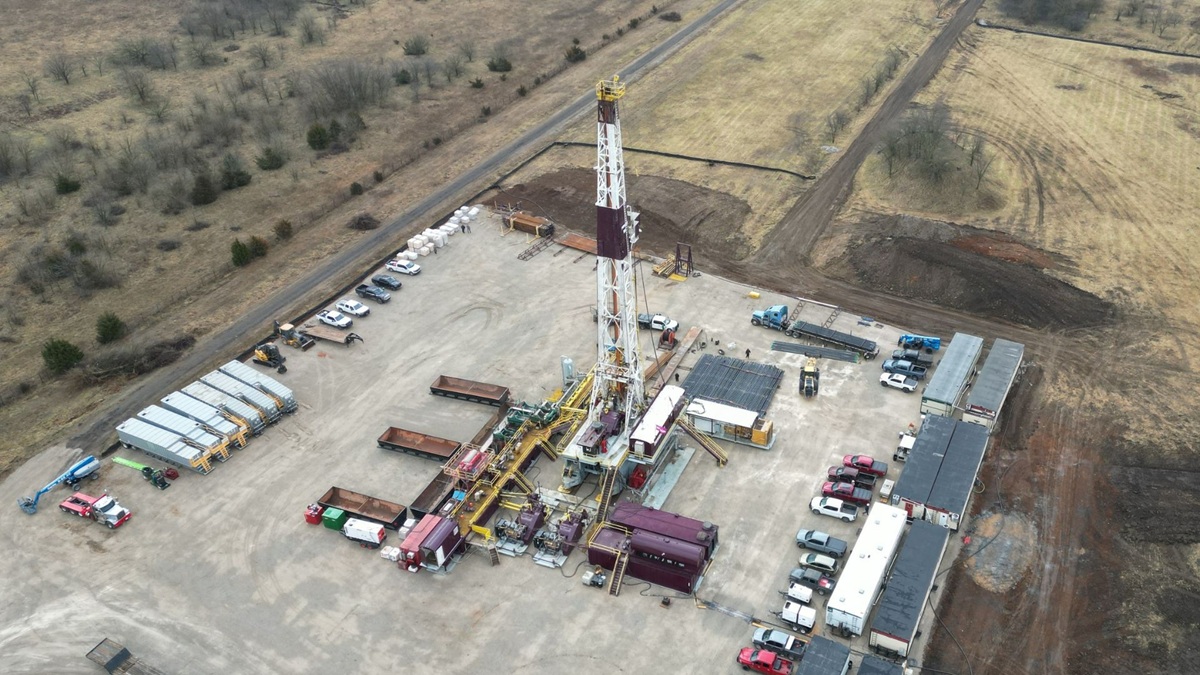


Drilling Of The First Underground Nuclear Well Started In Kansas To Test Deep Fission’s 15 MWe Gravity Reactor Installed About 1,829 Meters Deep Using The Natural Pressure Of The Water Column And The Protection Of The Rock Bed To Replace Surface Nuclear Structures
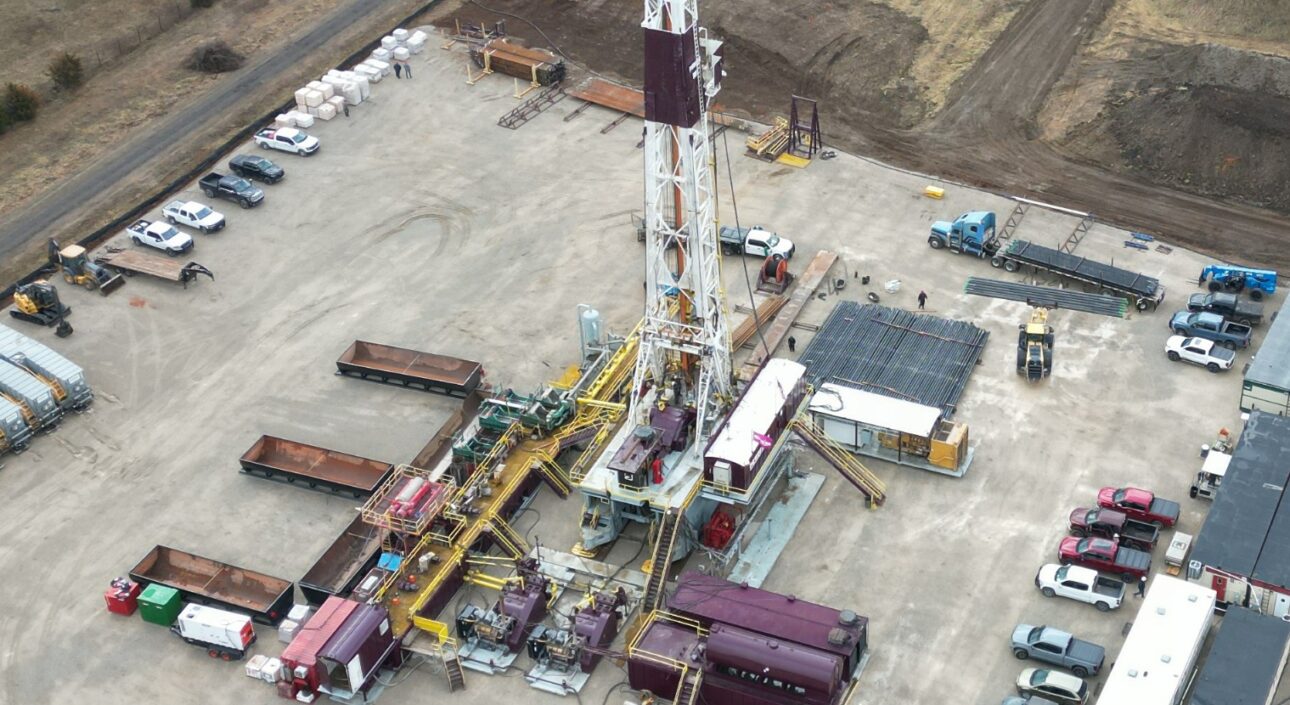
The American company Deep Fission has begun drilling the world’s first underground nuclear well at the Great Plains Industrial Park in Parsons, Kansas.
The initiative is part of the Gravity reactor pilot project, a small modular reactor of 15 megawatts designed to operate about a mile below the surface.
The start of drilling marks Deep Fission’s transition from the conceptual phase to the construction stage of the underground nuclear project. The company announced that this is the first of three planned data acquisition wells to support the development of the system.
-
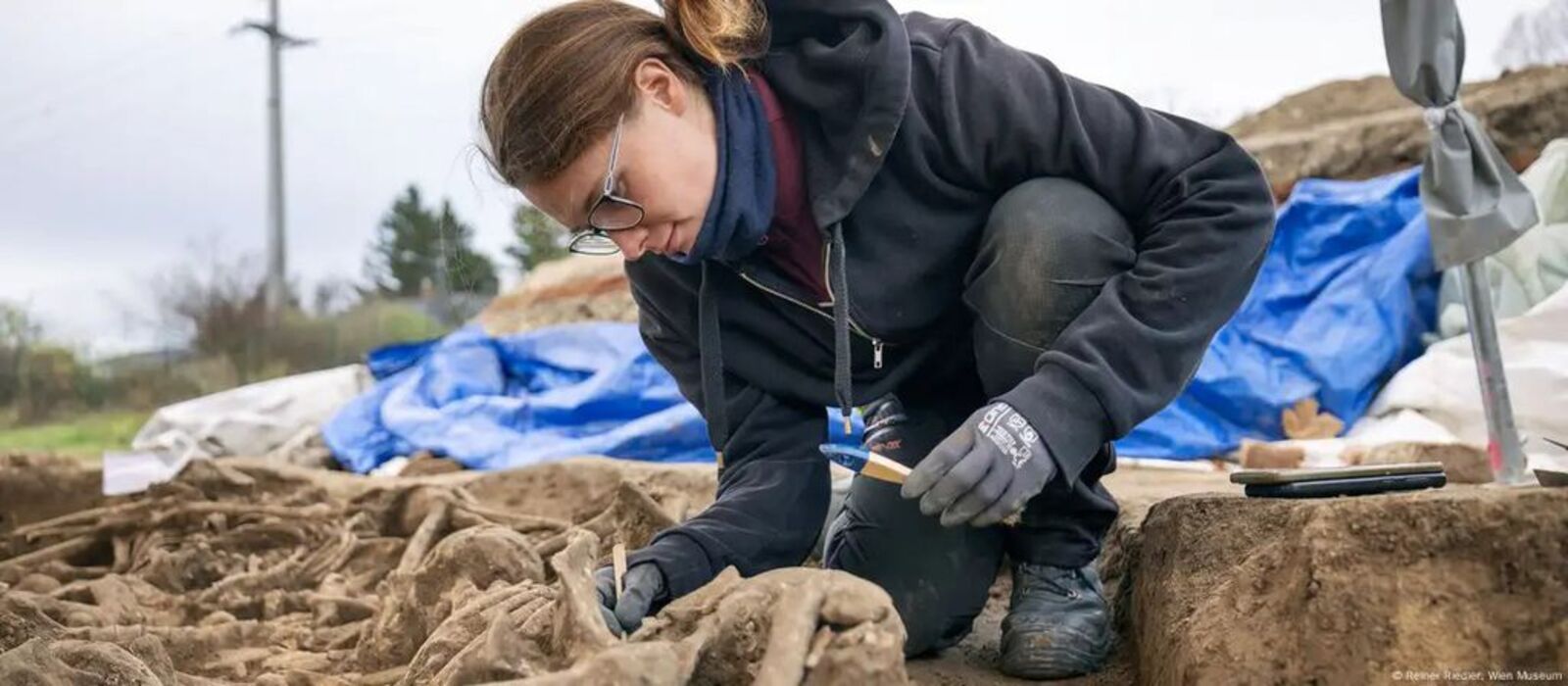
Remains with battle wounds of over 100 soldiers from the Roman Empire are found beneath a football field in Vienna, leaving everyone surprised.
-
Elon Musk notes Brazil and lowers the price of his internet, Starlink, promising to connect all corners of the country with affordable plans, 10,000 satellites, and 1 million active users in the national territory!
-
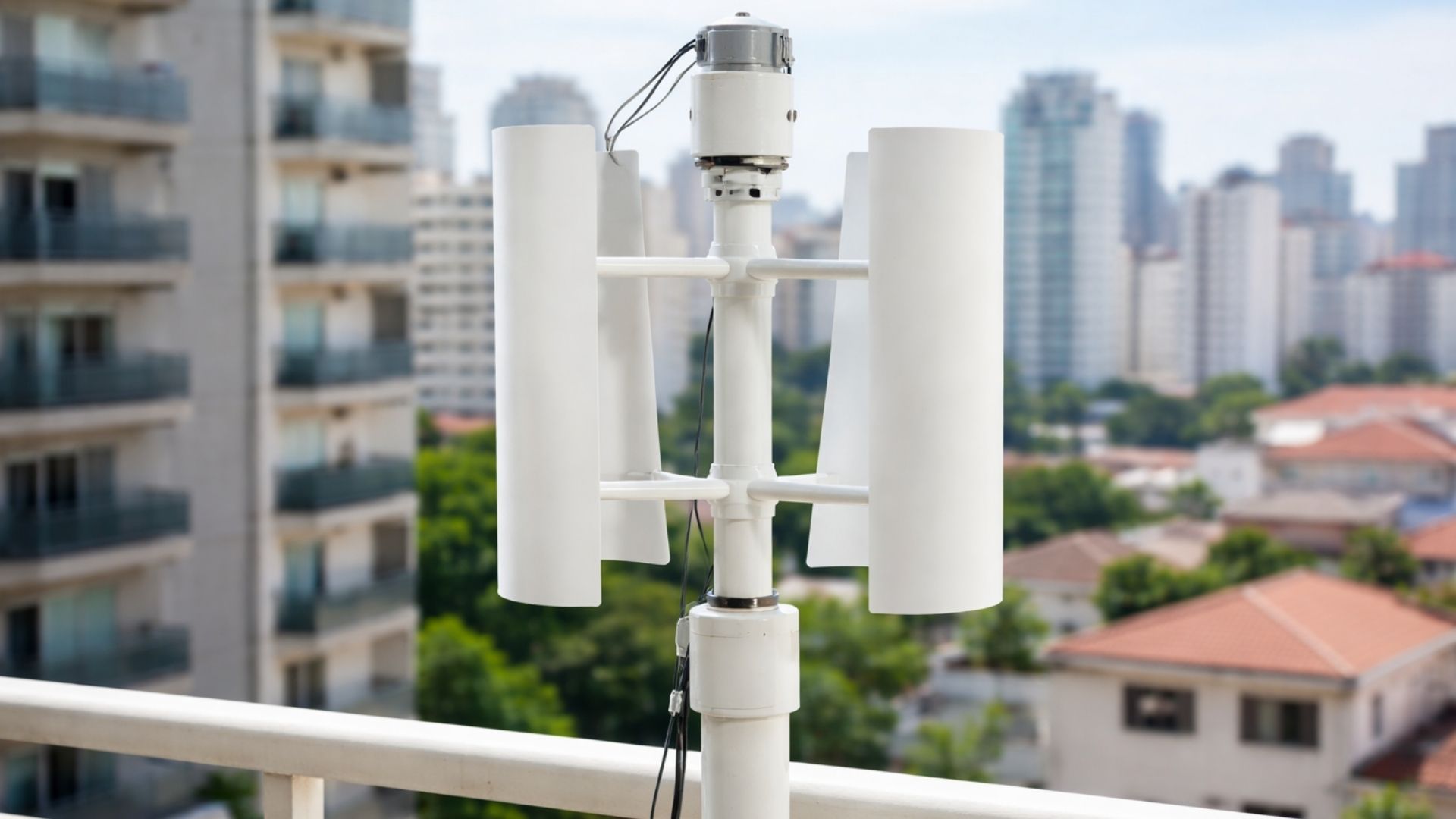
Man creates an infinite source of FREE electricity at home with a PVC wind turbine using a repurposed motor.
-
An aquatic seed consumed for centuries in Asia is going viral in the West after studies highlighted its antioxidant compounds and potential anti-inflammatory properties. It pops like popcorn, has low fat content, and is already being called the new functional snack.


The nuclear well is part of a project aimed at demonstrating a new approach to nuclear energy deployment.
The initiative seeks to utilize the Earth’s own geology as a structural and containment element for the reactor.
Start Of Drilling The Nuclear Well For The Gravity Reactor
The first nuclear well is being drilled to approximately 6,000 feet deep, equivalent to 1,829 meters, with a diameter of eight inches or about 20 centimeters. The structure is being built within the Great Plains Industrial Park, located in the city of Parsons, Kansas.
This stage follows the completion of the drilling platform necessary to begin work. The main objective of this phase is to collect geological, hydrological, and thermal data that will be used in the development of the project.
According to Liz Muller, CEO and co-founder of Deep Fission, the start of drilling represents a significant advancement for the project. She stated that this moment marks the transition from concept to construction and the beginning of demonstrating a new way to deploy nuclear energy.
How The Nuclear Well Uses The Earth’s Geology As Structure
The concept of the nuclear well developed by the startup eliminates the need for large containment structures built on the surface. Instead, the project leverages the natural geological features of the underground to provide protection and stability to the reactor.
In the system designed by Deep Fission, the Gravity reactor will be installed at the bottom of a deep well, approximately a mile below the earth’s surface. At this level, the water column located above the reactor naturally generates about 160 atmospheres of pressure.
This pressure is sufficient for the system’s operation and eliminates the need for expensive pressure vessels installed at the surface. The project utilizes this principle to reduce the structural complexity of nuclear facilities.
Additionally, the rock bed surrounding the reactor provides billions of tons of natural protection and containment. This feature reduces the footprint of the facilities and enhances the safety level of the system.
Funding And Fuel Supply For The Project
The drilling of the nuclear well comes after a recent series of advancements for Deep Fission. Among them is an agreement signed with Urenco USA for the purchase of low-enriched uranium.
The nuclear fuel will be supplied by the company’s facilities in Eunice, New Mexico. The material will be used in the testing and demonstration phases of the Gravity reactor.
In addition to fuel supply, the startup also received a new financial injection of $80 million. The funding aims to expand energy production focused on artificial intelligence-driven data centers and electrical grids in the United States.
Scalability And Goals Of The Department Of Energy’s Program
The nuclear well model has been designed with a modular structure, allowing for capacity expansion. A single well is capable of generating 15 megawatts of electricity, as specified in the Gravity reactor design.
The company claims that up to 100 reactors could be installed in a single location. In this scenario, the total capacity would reach 1.5 gigawatts of electricity, enough to power large industrial hubs or extensive data center complexes.
Even with this capacity, the project would occupy only a fraction of the area used by traditional nuclear plants installed on the surface. This reduction in space is part of the proposal to utilize deep underground structures.
The project is also part of the U.S. Department of Energy’s Advanced Reactor Pilot Program. The initiative aims to bring advanced reactors to criticality by July 4, 2026.
According to estimates by Deep Fission itself, the well-based approach could reduce nuclear power plant construction costs by approximately 70% to 80% compared to conventional installations.
The ongoing three-well program is expected to provide detailed subsurface data. This information will be used to support the final engineering designs and the regulatory planning necessary for the future commercialization of the technology.





ESTADOS UNIDOS É UM PAÍS MUNDIAL NÃO TEM OUTO OS OUTROS SÓ COPIA
ESTADOS Unidos é nota milllll
Temo que possa contaminar o lençol freático