





 Portuguese
  English
  Spanish
  4 min of reading
  82 comments


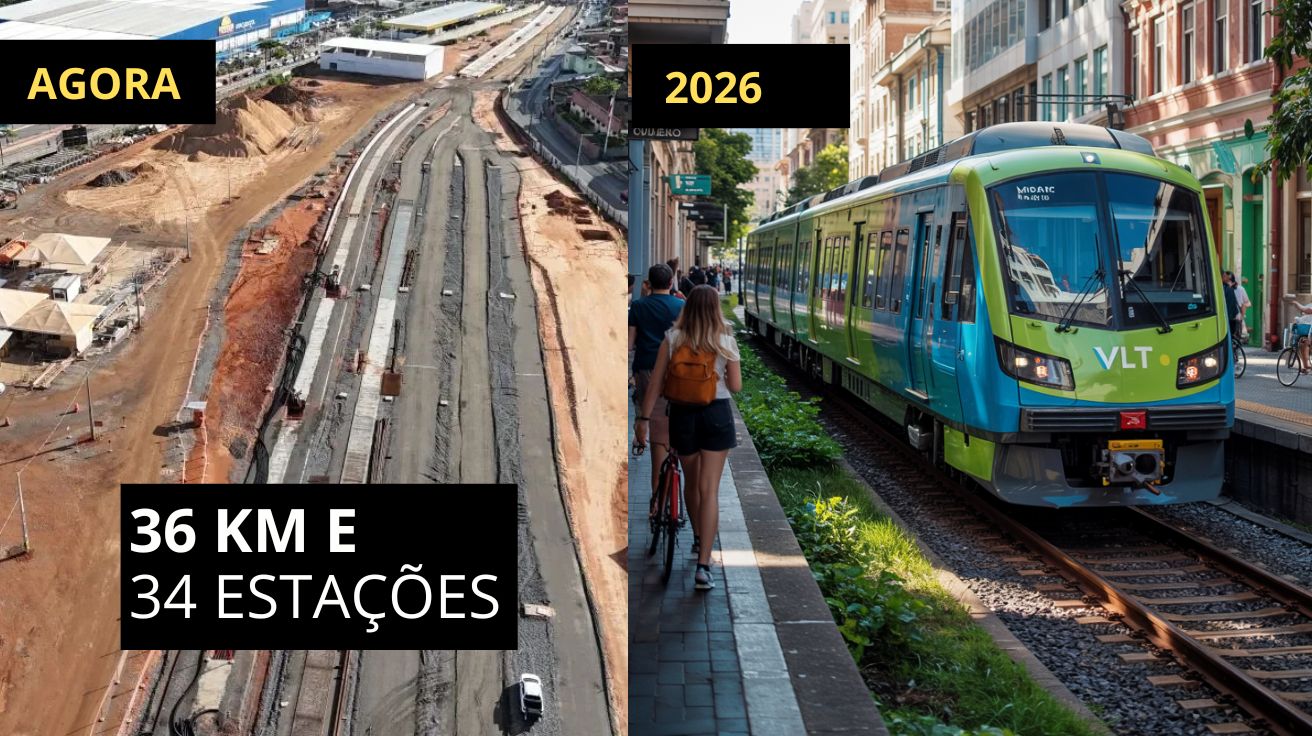


Salvador Unveils An Innovative Transportation System That Promises To Revolutionize Urban Mobility, Connecting Historic And Peripheral Areas With Cutting-Edge Technology And Sustainability, Transforming The Landscape Of Public Transport And The Daily Lives Of Residents.
Salvador begins the construction of the largest Light Rail Vehicle (LRV) ever built in Brazil, a project that promises to revolutionize public transport in the Bahia capital and its suburbs.
With 36 kilometers in length, 34 stations, and cutting-edge technology used in major global metropolises, the new LRV is set to replace an outdated railway system, bringing comfort, sustainability, and urban integration to the population.
The Bahia LRV will link the historic neighborhoods of the Lower City to the waterfront and suburbs, providing an efficient mobility alternative for thousands of people who have faced limitations in public transport for years.
-
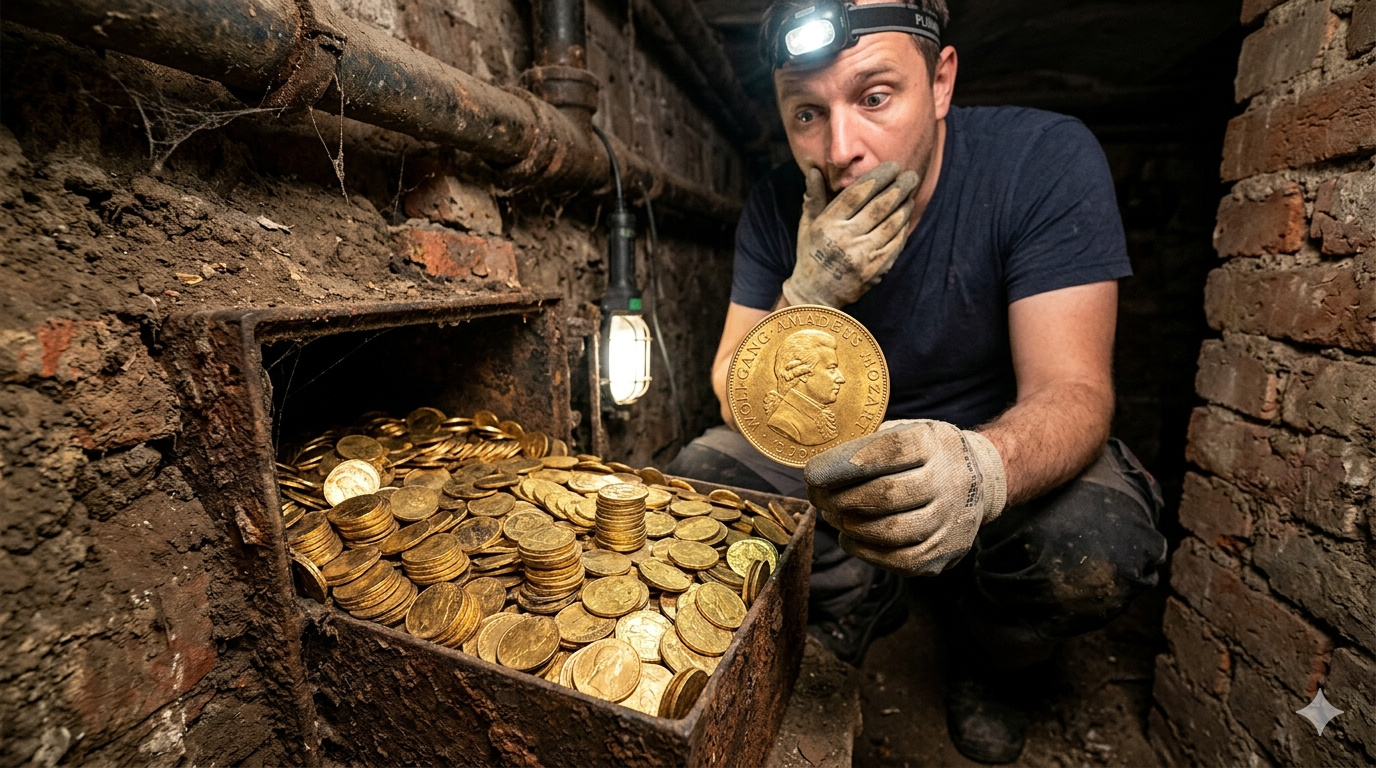
A forgotten cord on the floor of a basement in Vienna leads a plumber to a box containing 30 kilograms of gold with Mozart’s face, hidden before World War II. The treasure, worth 2.3 million euros, was just centimeters away from a worker who ignored the sign a day earlier.
-
A new Brazilian shopping center worth R$ 400 million will be built in an area equivalent to more than 4 football fields, featuring 90 stores, 5 cinemas, a supermarket, a college, and parking for 1,700 cars, potentially generating 3,000 jobs.

-
A couple buys an old chalet, breaks the kitchen floor for renovation, and finds over a thousand coins of gold and silver hidden since the English Civil War over 4 centuries ago.

-
Rigid bags with their days numbered: new trend prioritizes comfort in 2026.

According to experts, the initiative represents a milestone for local infrastructure, betting on an electric, quiet, and sustainable technology that should help reduce the chronic congestion that affects Salvador.
For decades, the city’s railway transport was neglected, with old and poorly maintained lines, and the deactivation of the old suburban train, which served around 15,000 passengers daily, left the population without viable alternatives since 2021.
In light of this reality, the new LRV emerges as a modern, accessible, and inclusive solution that can connect peripheral areas to urban centers, expanding access to quality transportation.
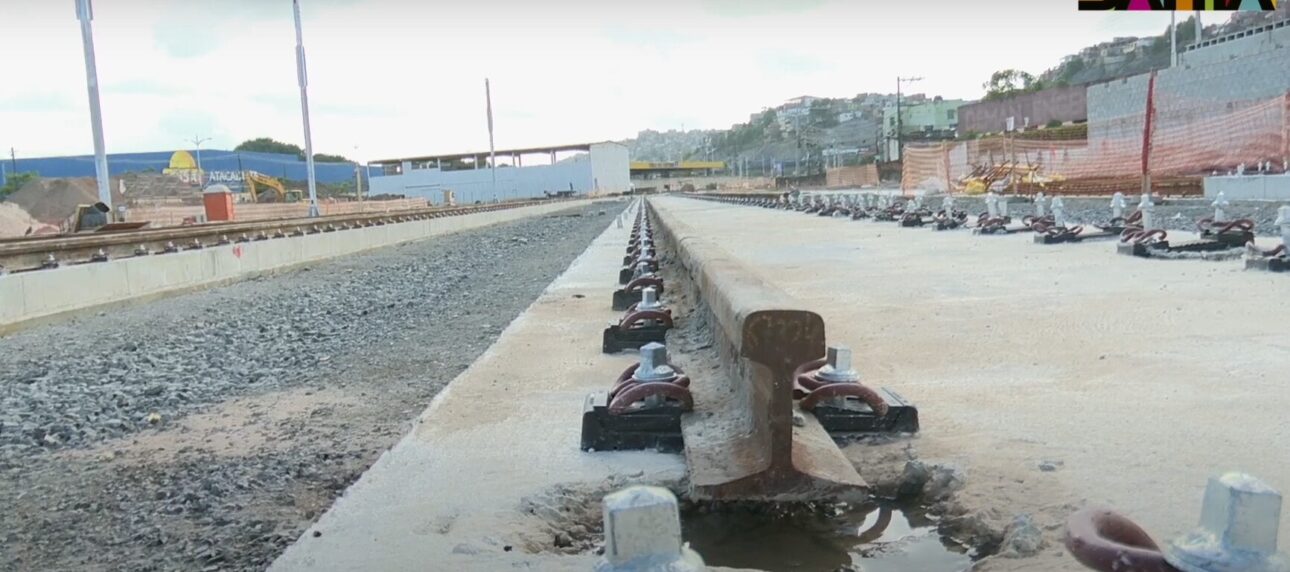
LRV: A New Chapter For Salvador
According to the local government, the construction of the LRV is not limited to the simple installation of a train line: it is a robust project designed to transform the urban dynamics of the Bahia capital.
With 34 stations distributed along 36 kilometers, the system is designed to integrate traditional neighborhoods with areas that have until now suffered from poor public transport, especially in regions furthest from the center.
The technology adopted for the LRV is a global reference.
According to information released by the responsible agencies, the system will feature modern, quiet, and comfortable electric trains that operate with energy efficiency and low pollutant emissions.
This reinforces the city’s environmental commitment, aligning the project with sustainable practices and the goal of reducing the impact of public transport on the environment.
Social And Urban Impacts Of The LRV
The new LRV represents a direct response to the problems faced by Salvador, which suffers from daily congestion, pollution, and inequality in access to transport.
According to industry scholars, the implementation of the LRV could significantly reduce travel time for residents of the peripheries, as well as improve quality of life by facilitating access to work, education, and essential services.
In addition to efficiency, the project emphasizes social inclusion, offering affordable fares, comfort, and accessibility for people with reduced mobility.
This means that the LRV was designed to serve a diverse population, ensuring the right to quality public transport for all citizens.

A Look At The Future Of Mobility
Urban transport experts highlight that the construction of the LRV in Salvador is aligned with global trends that prioritize integrated electric mobility systems as a way to modernize cities and promote sustainable development.
According to recent research, cities that invest in modern LRVs manage to decrease the use of private vehicles, alleviate traffic, and improve public health by reducing air pollution.
In Salvador, the new system will be essential for the renewal of the local railway network, which has not received adequate investments for years.
The expectation is that, in addition to improving daily transport, the LRV will stimulate real estate appreciation and the revitalization of the neighborhoods it will pass through, contributing to a more planned and balanced urban growth.


Historical Context And Urgent Need
For a long time, the population of Salvador faced an obsolete railway system that did not meet the demands of a rapidly growing city.
The old suburban train, which operated under precarious conditions, was deactivated in 2021, leaving thousands of users without an efficient public transport option.
This gap contributed to the increase in private car use, worsening congestion and elevating pollution levels.
In light of this scenario, the local government and transport agencies decided to invest in a long-term solution.
The LRV is the answer to this historical demand, designed to serve daily tens of thousands of people with a robust, modern, and sustainable system.
What Lies Ahead?
The expectation is that the LRV works will progress rapidly, with the participation of specialized companies and rigorous criteria for sustainability and safety.
According to the official plans, the system is expected to be operational soon, integrating with other modes of public transport in the city, such as buses and shared bicycles.
Salvador, which has long suffered from the lack of efficient and sustainable public transport, is on the brink of entering a new era of urban mobility that will benefit millions of people.
Investment in the LRV is an important step towards transforming the Bahia capital into a more modern, accessible, and connected city.
Do you believe that projects like the LRV could be the definitive solution to mobility problems in large Brazilian cities? Share your opinion!







O PT é um câncer que precisa ser eliminado para sempre.
Esses VLT são os que estavam em Cuiabá pra obra da Copa do Mundo e não foi concluído?
Vi alguns desses trens sendo transportados em carreta saindo de Cuiabá no início do ano.
Quem esta construindo o VLT é o governo do estado e não a prefeitura do Salvador. Vcs devem pesquisar a informação antes de dar as informações incorretas