





 Portuguese
  English
  Spanish
 4 min of reading
  0 comments


The Largest Light Rail Vehicle Project in Brazil Begins to Transform Salvador, Promises Changes in Public Transportation, Job Creation, and Urban Integration, While Advancing Construction Phases and Revealing Impacts on Historic Neighborhoods, Peripheries, and the City’s Future.
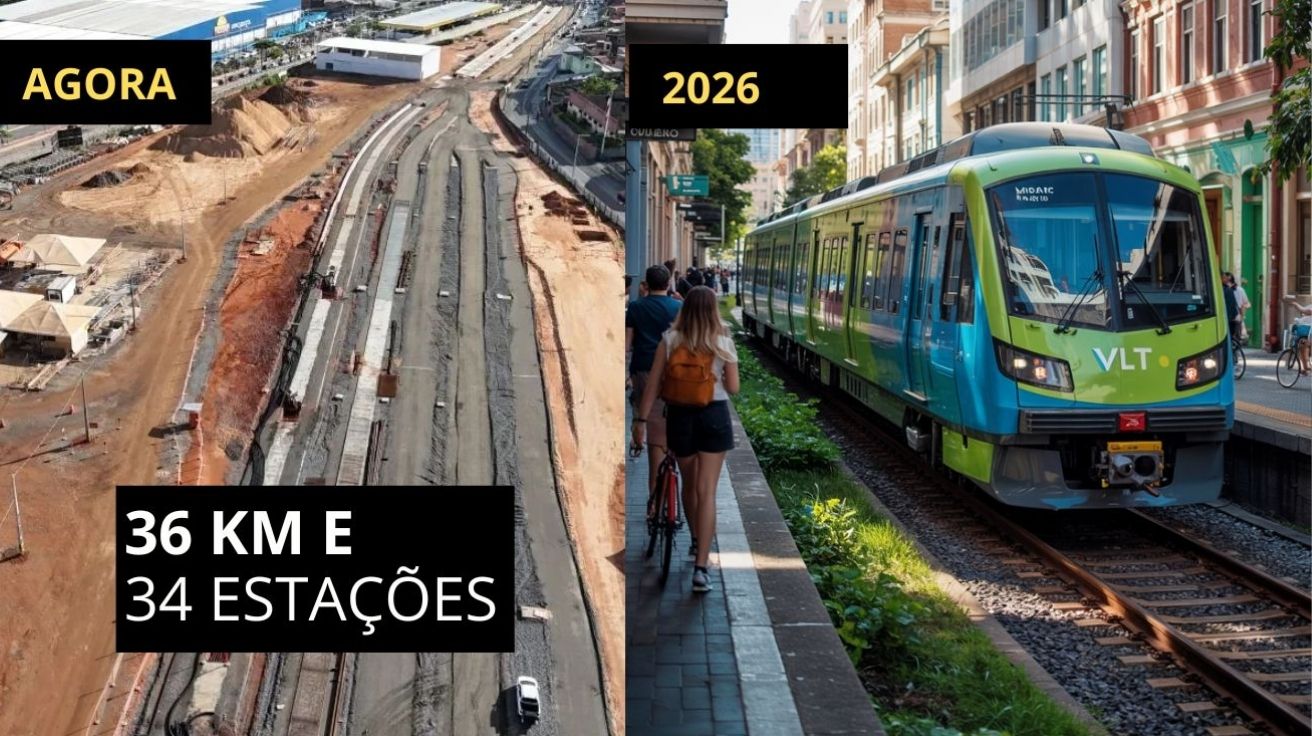
The largest Light Rail Vehicle (LRV) ever built in Brazil has begun to take shape in Salvador, marking a new chapter in the urban mobility of the Bahia capital.
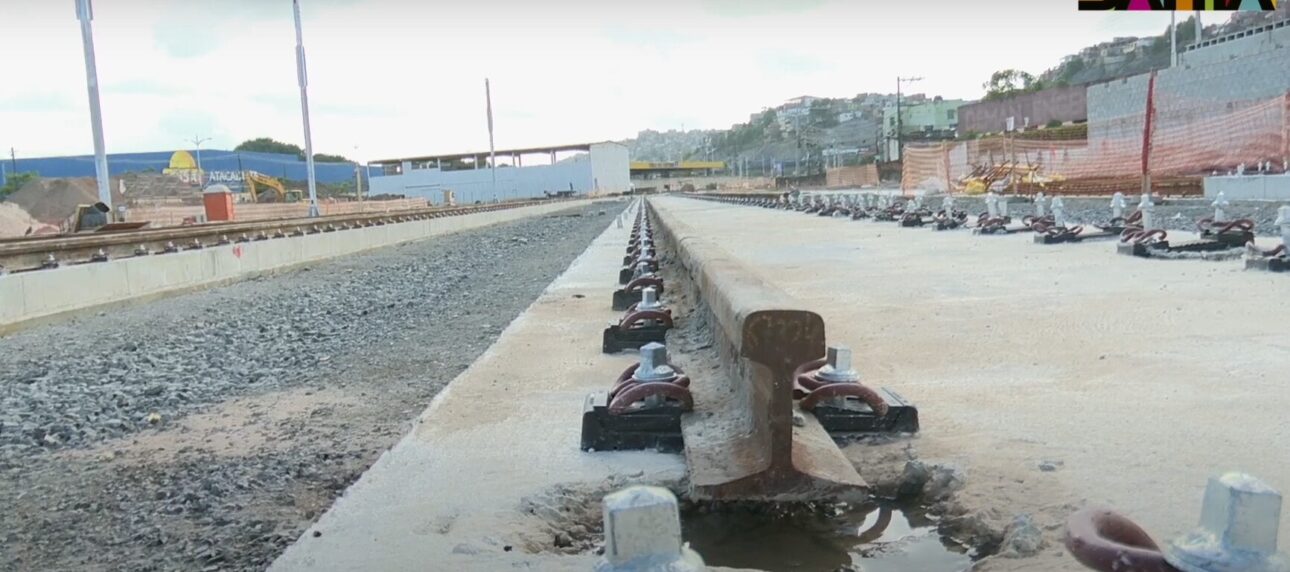
In an announcement made during a public hearing this Monday (16), state authorities reported that the works of LRV Salvador have already reached 22.32% completion in Section 1, which connects the Calçada Station to São João Island.
The forecast is that the test line will be operational by December of this year, confirming the expectation of partial inauguration still in 2025.
-
The Argentine government celebrates the lowest poverty rate in 7 years, but experts warn that the methodology has changed, real wages have fallen, unemployment has risen, and the number of people on the streets of Buenos Aires has increased by 57% since Milei took office.

-
7.8 magnitude earthquake in Indonesia frightens the population, triggers tsunami alert, and hits an island with over 200,000 inhabitants this Thursday.

-
Google will finally let you change that embarrassing Gmail address you created in your teenage years without losing any accounts, logins, or old emails: the feature is already available in the United States.

-
The institute that trained the greatest aerospace engineers in Brazil has just opened its first campus outside São Paulo after 75 years: ITA Ceará will have R$ 445 million, new courses in energy and systems, and classes are expected to start in 2027.

With a length of 36 kilometers and 34 stops distributed along the route, the LRV Salvador is designed to transport up to 100,000 passengers daily.
The total estimated investment amounts to R$ 5 billion and covers the integration of historic neighborhoods, peripheral areas, and strategic regions of the city.
The new system emerges as an efficient and sustainable alternative in light of the limitations of the old railway modal of the capital, replaced by a modern solution based on cutting-edge technology.
LRV Salvador: Characteristics of the Largest System in Brazil
The project is divided into three sections and is being executed by different consortia.
Section 1, under the responsibility of the Salvador Mobility Express Consortium, already totals 16.7 kilometers and includes 17 stops, in addition to Calçada Station.
Section 2, of 9.2 kilometers and eight stops, connects Paripe to Águas Claras and integrates the new LRV Salvador into the city’s Metro System, currently having 14.31% of the works completed under the command of the LRV Lot 2 Consortium.
Meanwhile, Section 3, led by the Bahia Atlântico Consortium, connects Águas Claras to Piatã, with 10.5 kilometers, nine stops, and integration with the subway in the Bairro da Paz, having only 1.79% execution so far.
The announcement of the progress of the works was made during the public hearing held at the Military Police School of Lobato, which brought together representatives of the state government, including Ana Cláudia Nascimento, president of the Bahia State Transportation Company (CTB), and Jusmari Oliveira, Secretary of Urban Development.
Community leaders and social movements also attended, demonstrating the interest of society in the implementation of LRV Salvador.
Social and Environmental Impacts of the Light Rail Vehicle Salvador
Since the deactivation of the old suburban train in 2021, about 15,000 daily passengers have been left without an adequate public transport alternative.
The increase in the use of private vehicles has worsened traffic jams and elevated air pollution.
The LRV Salvador thus emerges as a response to the historical demand of the population for an accessible, efficient, and sustainable transport mode.


The technology employed in LRV Salvador is an international benchmark, using silent electric trains, with low pollutant emissions and high energy efficiency.
This choice is aligned with the city’s environmental commitment, which seeks to reduce the negative impact of public transport on the environment and modernize its mobility matrix.
In addition to transporting thousands of passengers, the LRV Salvador is expected to create approximately 2,000 direct and indirect jobs at the peak of the works, boosting the economy and driving sectors such as construction and technology.
The system was designed to integrate different transport modes, including buses, subways, and shared bicycles, promoting faster and more accessible travel.
Modernization of Public Transport in Salvador
According to specialists, the new LRV Salvador represents not just the installation of a train line, but a transformation in the urban dynamics.
The system will contribute to property valuation and the revitalization of neighborhoods previously marked by a lack of public transport, promoting sustainable development and social inclusion.
Accessibility is another highlight of the project.
The LRV Salvador was designed to ensure comfort and safety for people with reduced mobility, with reserved spaces and appropriate signage.
Affordable fares and integration between traditional and peripheral neighborhoods should enhance access to quality mobility.

Benefits of LRV Salvador for the City
Recent studies show that cities investing in modern LRVs can reduce car use, ease traffic, and improve public health, thanks to decreased air pollution.
By betting on LRV Salvador, Salvador interrupts a cycle of neglect that began decades ago and takes a leading role in the modernization of public transport in Brazil.
The expectation for the upcoming months is that the works of LRV Salvador will progress according to schedule, with strict adherence to sustainability criteria and social participation in the debate on the future of mobility.
The Bahia capital is preparing to inaugurate the largest LRV in Brazil, banking on innovation, technology, and integration to overcome historical challenges and provide quality of life for its population.
In light of this changing scenario, do you believe that LRV Salvador can truly transform the urban mobility of the city and serve as inspiration for other major centers in the country?







-

-

-

4 pessoas reagiram a isso.