





 English
  Francês
  Alemão
  Italiano
  Japonês
  Norueguês
  Portuguese
  Spanish
  3 min of reading


Volvo Declared That Component Shortages for Electric Vehicle Production Occurred Due to Lockdowns Imposed by China
The sales of electric vehicles from Volvo dropped by approximately 27% in June compared to the same period in 2021. The decrease is attributed to the shortage of components dedicated to electric vehicle production, according to information from the Swedish automaker released on Monday, the 4th.
Volvo also stated in a statement that the lockdowns imposed to control the pandemic in China caused a reduction in some components, directly affecting the production of electric and plug-in hybrid vehicles.
“Overall, Volvo Cars is beginning to see a marked improvement in the production landscape, with the number of cars produced in June being the highest of the year,” the company states. However, Volvo anticipates that the proportion of electric and plug-in hybrid car deliveries may continue to be impacted in the third quarter of the year.
-
Engineers propose a fourth traffic light for intersections – the change promises to affect crossings, queues, and waiting times.

-
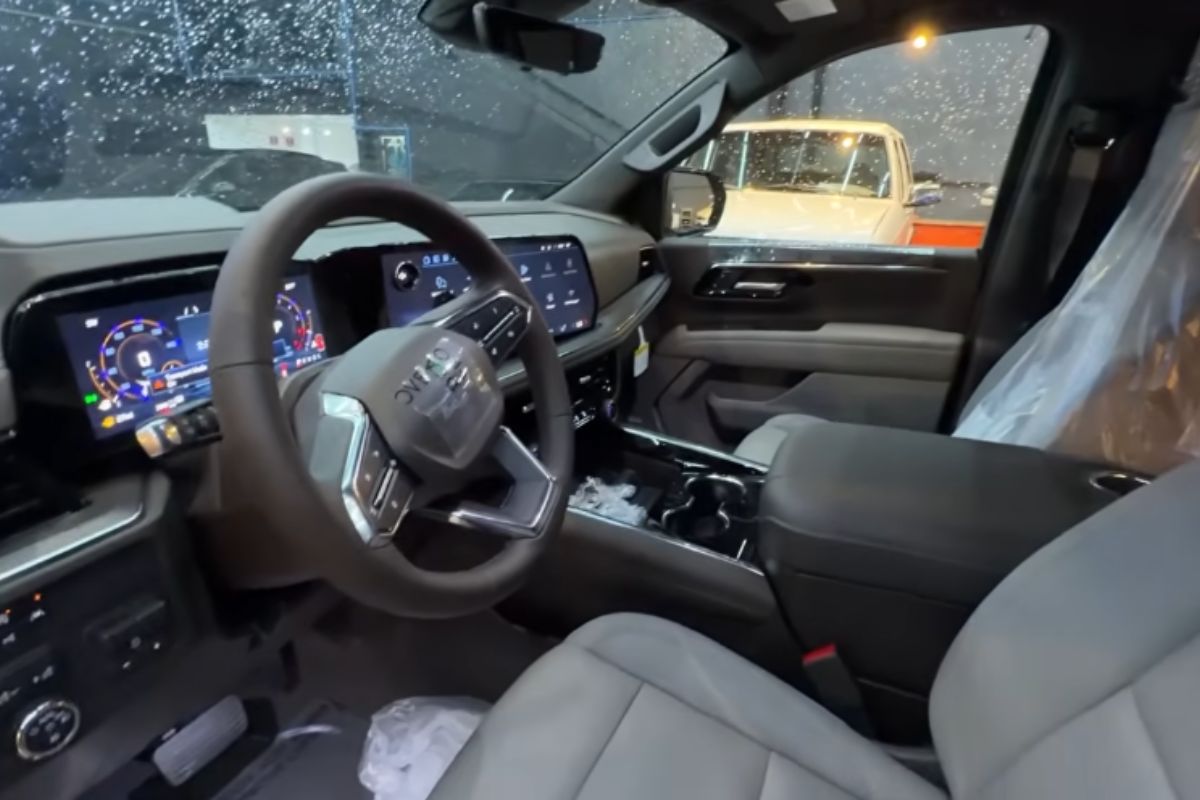
Chevrolet Suburban Z71 lands in Brazil with a V8 engine, off-road design, air suspension, seven seats, and colossal size, a rare version imported for around R$ 1.3 million with luxury and exclusivity.
-
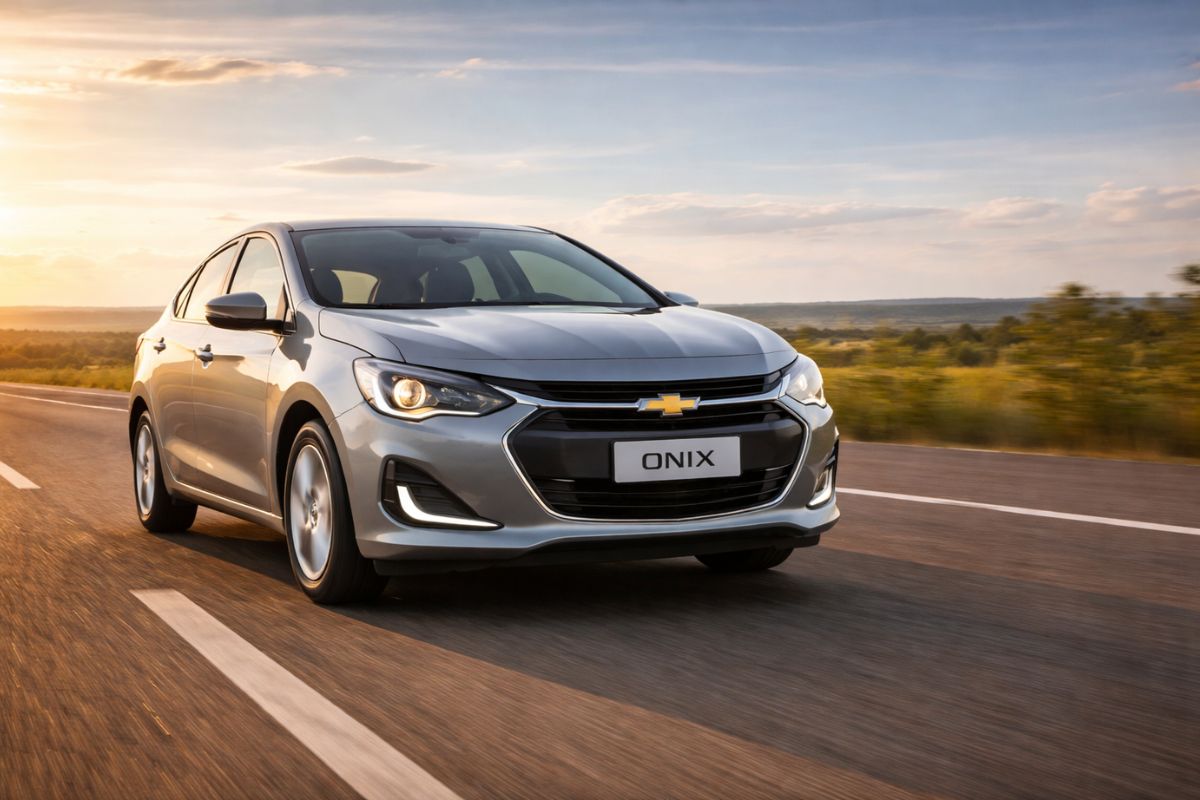
The Chevrolet Onix 1.0 turbo achieves 17.7 km per liter on the highway and ranks among the three most economical cars in Brazil in 2026, alongside two more expensive Toyota hybrids available at dealerships.
-
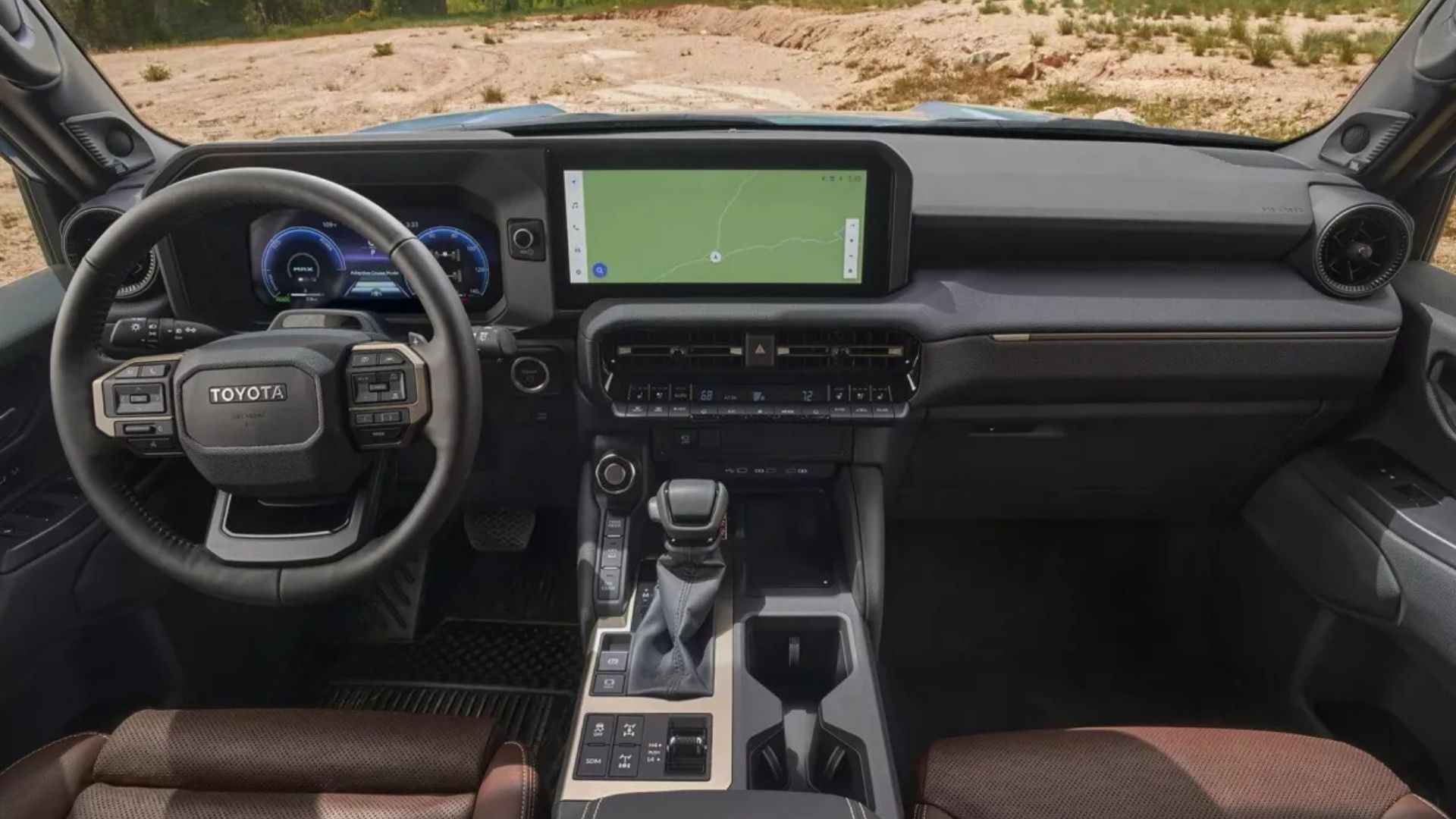
Little sister of the Hilux: Toyota launches Land Cruiser FJ with 4 radical versions, 2.7 engine with 166 hp and 4×4 traction with locking.

Even with Component Shortages, Volvo Will Invest About US$1 Billion in Electric Vehicle Factory
The new plant will be inaugurated in 2026 in Slovakia and will produce 240,000 vehicles per year. Volvo holds the title of one of the manufacturers making the most investments to develop electric vehicles, being one of the first to offer fully electric vehicles in Brazil. With its new investment in the electric vehicle factory, which will be located in Slovakia, it will be inaugurated in 2026 and will be able to produce about 240,000 vehicles annually.
Additionally, beyond this investment, the company announced an investment of US$ 1.25 billion to build a new factory in Europe, which will be exclusively dedicated to developing electric vehicles. The goal of the company is to produce 100% electric vehicles by 2030.
Volvo Plans to Launch New Line of Vehicles Based on Existing Vehicles
The company aims to launch about five electric vehicles and two plug-in hybrids in the coming years, before ceasing production of combustion engines starting in 2030.
Volvo aims to reach the milestone of 1.2 million vehicles sold annually by 2025, meaning the brand’s goal is to achieve the mentioned production before the new factory in Slovakia begins operations. To achieve this, the company will rely on factories located in Asia and the United States.
In addition to the new factory, where the company will invest about R$ 1 billion and will be located in Kosice, Slovakia, Volvo also has factories in Torslanda, Sweden, and in Ghent, Belgium. Both factories are about 1,500 km apart, enabling a logistics network for component transportation and easy access to suppliers. The company states that with this count of factories, they will be able to manufacture 600,000 cars per year just in Europe.
Volvo will be the fifth automaker to establish an electric vehicle factory in Slovakia, which also hosts factories from Volkswagen, Stellantis, Kia, and Jaguar Land Rover.
One of the reasons that led Volvo to establish the new factory in Kosice, Slovakia, was the local incentives provided by the government, which offered approximately € 240 million in benefits to the Swedes, equivalent to 20% of the total investment in the factory.
One of Volvo’s main goals is to reduce carbon emissions, utilizing all energy developed by its factories sustainably, without degrading the environment.






Seja o primeiro a reagir!