





 Portuguese
  English
  Spanish
  5 min of reading
  0 comments


Role of Biofuels to Be Central Theme in Special Commission Discussing Energy Transition in Congress
The role of biofuels will be debated in a special commission that will discuss how ethanol, biodiesel, biogas, and sustainable aviation fuel can accelerate the energy transition in Brazil, strengthen the economy, and reduce carbon emissions.
The special commission aims to bring together lawmakers, government representatives, energy sector experts, and industry entities to analyze measures that expand the participation of renewable fuels in the national matrix. The debate takes place at a strategic moment, as Brazil seeks to meet climate goals while ensuring energy security.
Right at the expected opening of the proceedings, members of the collegiate are expected to highlight that the country has the technical and productive conditions to expand the use of renewable sources in transportation and industry. Additionally, lawmakers are expected to reinforce that strengthening the sector reduces dependence on imported fossil fuels.
-
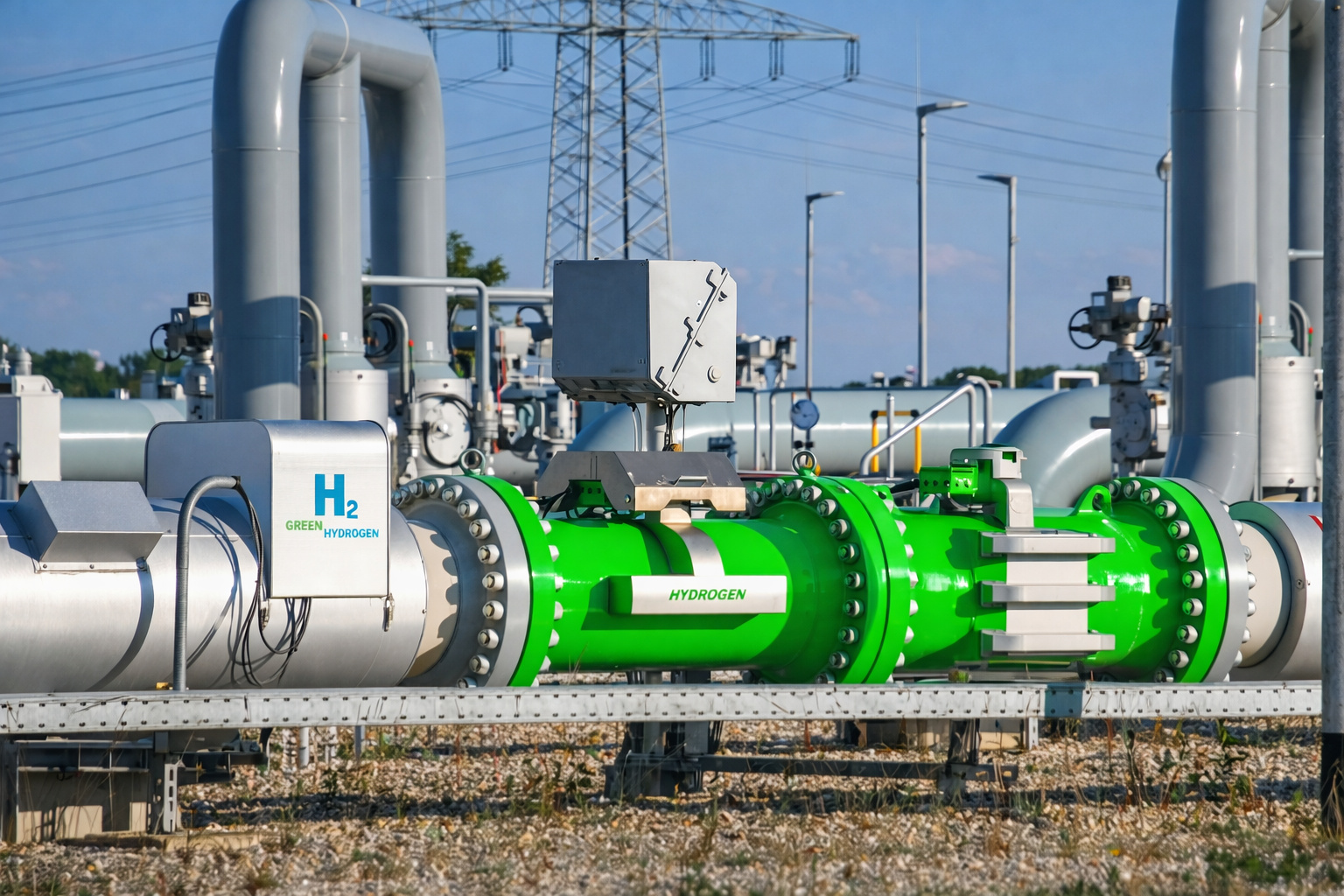
Brazil accelerates hydrogen and biofuel projects to consolidate the fuel of the future and reduce dependence on oil by 2026.

-
CNPE strengthens policy and prevents imported biodiesel from being mixed with diesel, aiming to strengthen the Brazilian industry and protect jobs by reducing external dependence amid tensions in the global market.

-
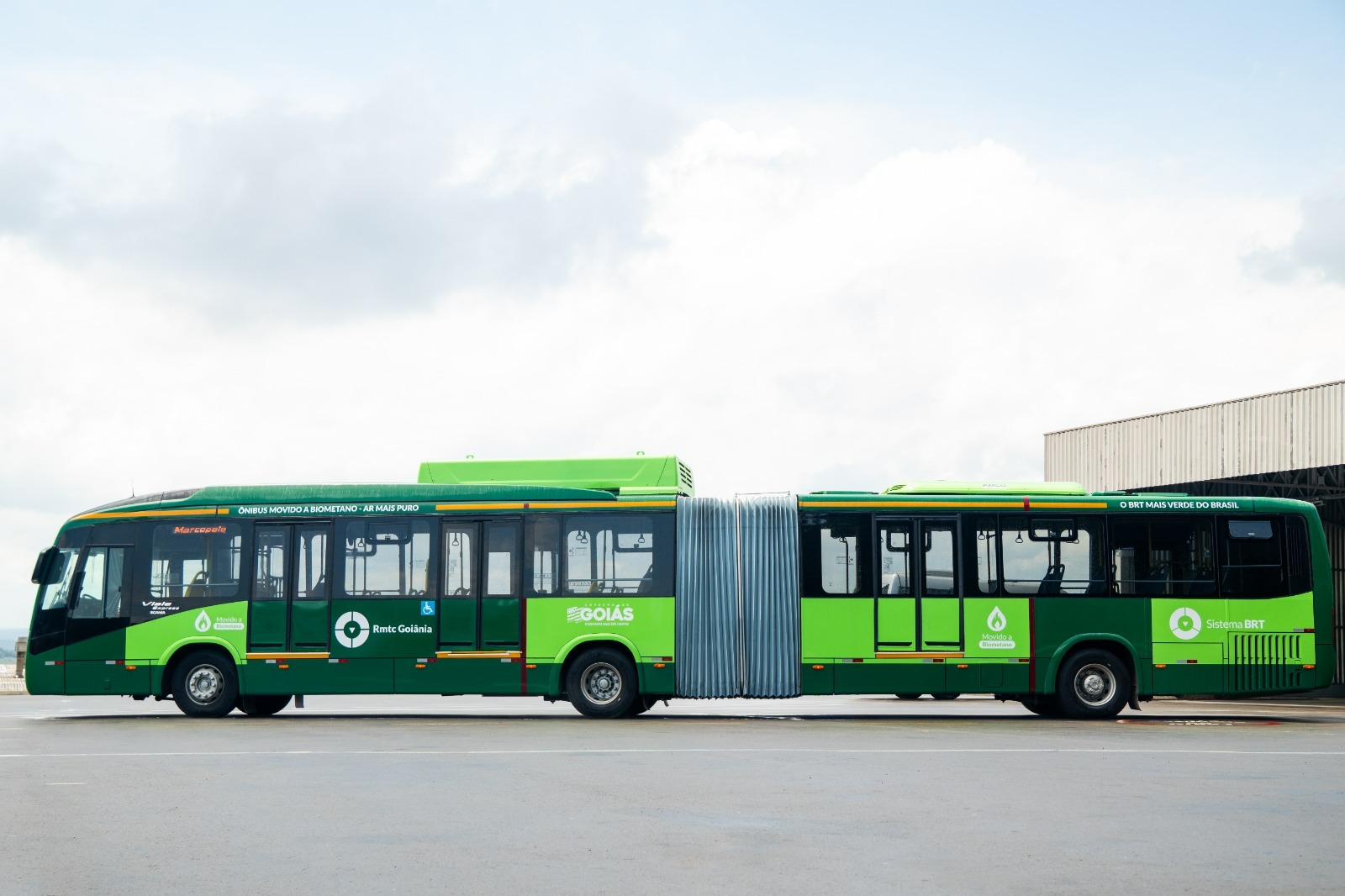
Revolution in public transport: Goiânia puts into circulation the first articulated buses powered by biomethane in Brazil and promises to drastically reduce pollution on the Anhanguera Corridor.
-
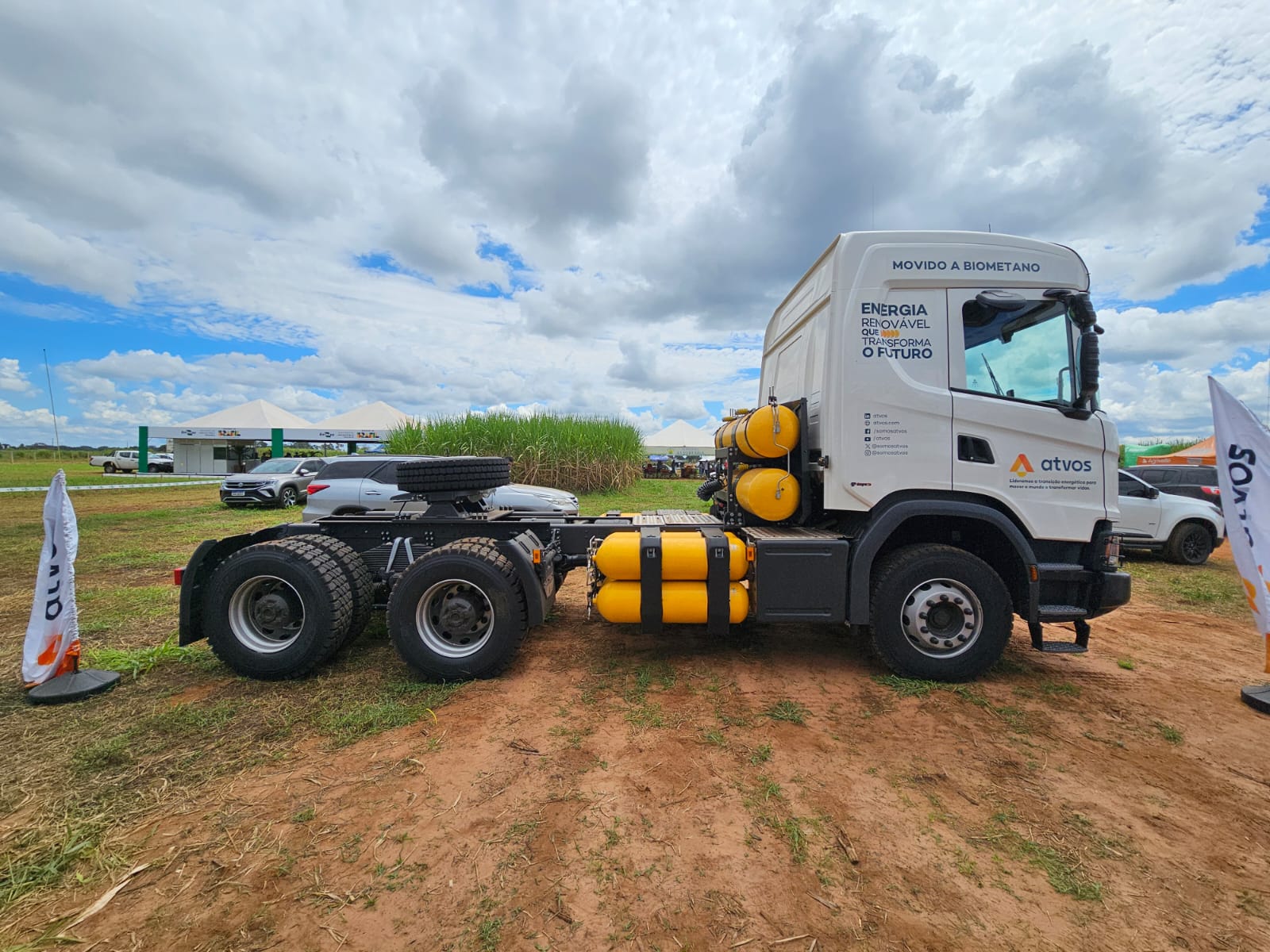
From the field to the pipelines: Mato Grosso do Sul accelerates the energy transition and consolidates a new axis in renewable energy with the arrival of a giant biogas plant.

History Places Brazil in Strategic Position in the Debate
Brazil has built its trajectory in the biofuels sector over the past decades. In the 1970s, the government created the National Alcohol Program (Proálcool), which encouraged the production and use of ethanol as an alternative to gasoline.
In the 2000s, the arrival of flex-fuel vehicles increased ethanol consumption throughout the country. Subsequently, the biodiesel market gained ground with the establishment of mandatory blending percentages with diesel.
Now, in light of the intensification of global decarbonization goals, the special commission intends to assess how the role of biofuels can grow even further within the Brazilian energy transition strategy.
Ethanol Expected to Gain Prominence in Discussions
During the planned hearings, representatives of the sugar-energy industry are expected to argue that sugarcane ethanol has one of the lowest carbon footprints among available liquid fuels.
Industry entities often highlight that Brazil dominates the entire production chain, from cultivation to distribution. Additionally, experts are expected to present data on second-generation ethanol, which uses sugarcane residues to increase productivity without expanding planted area.
Lawmakers are also expected to discuss the export potential of the biofuel. Countries looking to reduce emissions in transportation are showing increasing interest in renewable alternatives.
Biodiesel Enters the Agenda with Focus on Predictability
Biodiesel is also expected to occupy a significant space in the meetings. Brazil already adopts mandatory blending with diesel, which ensures a structured domestic market.
Representatives of the production sector advocate for regulatory predictability and a stable schedule for increasing the blend. They argue that clear rules stimulate new investments in plants and strengthen agriculture.
Moreover, lawmakers are expected to analyze how the sector can increase job generation in rural areas and boost regional economies.
Biogas and Biomethane Expand Possibilities
The special commission is also expected to address the growth of biogas and biomethane. Brazil produces large volumes of agricultural and urban waste that can generate renewable energy.
Experts intend to explain how biomethane can replace part of fossil natural gas in industrial sectors and heavy transport. Companies are already developing projects to integrate the renewable fuel into existing networks.
In this scenario, the role of biofuels goes beyond the automotive sector and is integrated into a broader strategy for energy diversification.
Sustainable Aviation Fuel Entering the Agenda
Another relevant point involves sustainable aviation fuel (SAF). The aviation sector faces international pressure to reduce emissions, and Brazil appears as a potential producer of this type of fuel.
During the debates, representatives from the aviation industry and the agroindustrial sector are expected to discuss viable raw materials, production scale, and incentive policies.
The commission will evaluate how to integrate SAF into the national energy policy, considering its export potential and the generation of added value.
Energy Transition Requires Integration of Policies
Lawmakers are expected to highlight that the energy transition depends on coordination between agricultural, energy, and environmental policy. Expanding the use of biofuels requires long-term planning and legal stability.
Experts are expected to warn that frequent changes in rules can reduce the pace of investments. Therefore, the special commission intends to hear different sectors before presenting legislative proposals.
Moreover, representatives from the financial market are monitoring the discussions. Investment funds prioritize projects aligned with environmental criteria, which can increase financing for the sector.


Economic Impact Takes Center Stage in the Debate
The strengthening of the biofuels sector can have a direct impact on the Brazilian economy. The production chain generates billions of reais annually and employs thousands of workers.
Lawmakers are expected to emphasize that increasing national production reduces imports of fossil fuels and improves the trade balance. At the same time, the sector’s growth stimulates technological innovation and regional development.
In this context, the role of biofuels emerges as a strategic element for both the environmental agenda and industrial policy.
Next Steps of the Special Commission on the Role of Biofuels
The special commission will still hold public hearings with experts, industry representatives, researchers, and government members. After this phase, the collegiate is expected to draft a report with proposals to strengthen the sector.
Lawmakers may suggest adjustments to incentive policies, mandatory blending targets, and financing mechanisms. The goal is to create a regulatory environment that stimulates sustainable expansion.
Meanwhile, sector entities are following the proceedings with expectation. Decisions made in Congress can influence the pace of investments in the coming years.
Role of Biofuels Remains Strategic for the Energy Future
Brazil already has a relatively clean matrix compared to many countries. However, experts assert that the country can still expand the participation of renewable sources in transportation, industry, and aviation.
By putting the topic up for discussion, the special commission signals that the role of biofuels will remain at the center of the national energy agenda. The definition of clear and stable policies will determine the speed of this expansion.
With increasingly rigorous climate goals and international pressure to reduce emissions, Brazil can solidify its position as a global leader. The special commission, therefore, initiates a debate that can shape the future of energy in the country for decades to come.









Seja o primeiro a reagir!