





 Portuguese
  English
  Spanish
  5 min of reading


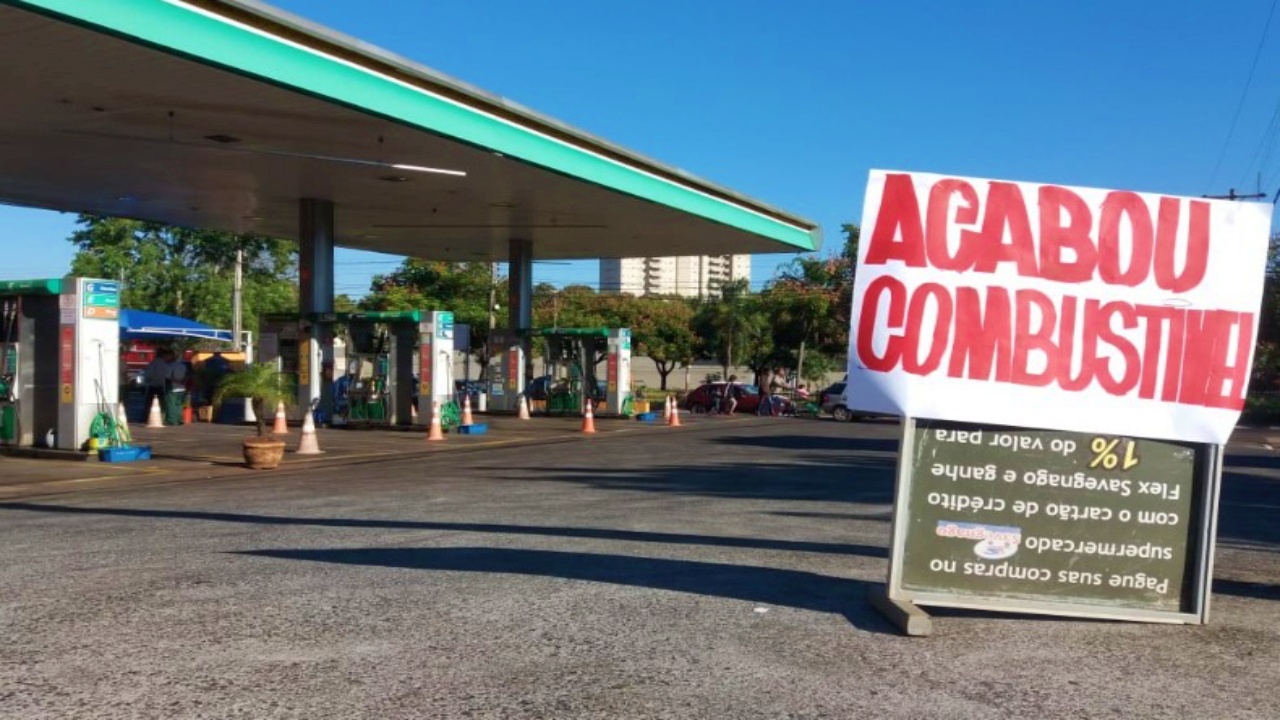
Brazil Is Among the 10 Largest Oil Producers in the World, but Still Depends on Importing Its Derivatives to Meet Internal Demand.
The topic of energy security has returned to the global agenda with full force. A large number of countries are facing a crisis in the sector, exacerbating the already unfavorable economic situation marked by high inflation and recession prospects. According to Felipe Kury, former director of ANP, the war between Russia and Ukraine, which began in February of this year, turns the economic and energy crisis into a geopolitical crisis of great proportions. In this challenging context, governments around the world are seeking alternatives to ensure the supply of energy at competitive prices to avoid more severe impacts on their economies.
And Brazil? Due to successive fuel price increases, and in response to pressures from various sectors of society, the federal government, in coordination with Congress, states, and municipalities, is mobilizing to mitigate the effects of the global energy crisis.
The response includes measures ranging from tax reductions to subsidies for some less favored categories with the recently approved PEC of Social Benefits.
-
Offshore industrial demand in Macaé surges with the recovery of oil and gas and could grow by up to 396% by 2026 in the Campos Basin.
-
Brazilian giant expands borders in the Southeast: Petrobras confirms new oil discovery in ultra-deep waters in the pre-salt of the Campos Basin.

-
Alert in the global energy market: Severe tropical cyclone hits the coast and disrupts gas production at major plants in Australia, threatening global supply.

-
Petrobras finds high-quality oil in the pre-salt at 113 km from RJ and reignites expectations about strategic reserves in the Campos Basin.


It is important to highlight that Brazil’s energy matrix is one of the most diversified in the world, with 44.7% of renewable energy supply and 47.7% of primary energy coming from oil and natural gas.
Brazil, despite being among the 10 largest oil producers in the world, still depends on importing its derivatives to meet internal demand. According to data from ANP (National Agency of Petroleum), we need to import about 415,000 barrels/day.
Current Refining Park in Brazil Has the Capacity to Process 2.3 Million Barrels/Day – Insufficient to Meet Internal Demand, Which Is Approximately 2.7 Million Barrels/Day
The current refining park has the capacity to process 2.3 million barrels/day – insufficient to meet internal demand, which is approximately 2.7 million barrels/day. According to ANP, between January and April, the average import of the main derivatives relative to the total marketed in the country was: diesel A (27%), LPG (21%), aviation gasoline (17%), and gasoline A (8%). Diesel, in particular, represents 44% of the vehicle matrix in Brazil, and disruptions in supply can have a significant impact on various sectors of the economy, especially in agribusiness and in the logistics/distribution of various products and services.
To complicate the situation a bit more, a large portion of diesel imports to Brazil comes from American refineries in the Gulf of Mexico. These refineries have a high capacity for processing oil, as they process more than 5 million barrels/day – 27.4% of U.S. refining capacity. However, they are already operating at almost their utilization limit (94% on average) and are struggling to meet the growing demand from American, European, and global markets.
Availability of Russian Oil, Decisions on Increasing (or Decreasing) Oil Production by Middle Eastern Countries, and the Possibility of Natural Disasters (such as Hurricanes in the Gulf of Mexico) Can Cause Supply Shortages and Price Increases.
Production projections from the EIA (Energy Information Agency, USA) indicate a slight increase in supply relative to demand in the last months of the year, suggesting that the market will remain balanced – supply close to 100 million barrels/day, the average for 2022. However, for the reasons already mentioned, the global energy market is under significant tension.
The availability of Russian oil, decisions on increasing (or decreasing) oil production by Middle Eastern countries, and the possibility of natural disasters (such as hurricanes in the Gulf of Mexico) could reverse this apparent equilibrium, causing supply shortages and price increases.
Therefore, given the high degree of uncertainties, the best strategy is to prepare for the worst-case scenario. The National Fuel Supply and Biofuels Monitoring Committee (CMSNC) and market agents have been discussing alternatives to mitigate the possible diesel shortage in the second half of 2022.
To Avoid Supply Shortages, ANP Proposed Increasing Diesel Operational Stocks at Distributors
ANP recently proposed increasing diesel operational stocks at distributors (raising operational stocks from five to nine days on average), but this stock increase would only be required for a few months, until the situation normalizes. This alternative, while seeking greater security of product supply, may actually raise costs for the market and for the end consumer, as agents will have to increase their stocks.
On the contrary, it would be preferable to create incentives for the market itself to propose feasible and economically viable solutions, aimed at increasing the short-term supply of diesel. The idea is to promote incentives that can improve the dynamics of logistical flows for the circulation and internalization of the product, as well as reduce the costs associated with imports, such as tariffs and taxes.
Another suggestion, often mentioned by the market itself, would be to allow importers and distributors to establish space-sharing agreements at terminals and distribution centers, enabling better efficiency in utilizing storage spaces for the product.
Additionally, still regarding supply, it would be worth exploring the possibility of increasing internal diesel production, obviously without compromising the operational safety of refineries – an option likely already on the agenda of the government, regulatory agency, and refiners. And finally, as mentioned by the government itself, to seek to import the product from other regions beyond the Gulf of Mexico, such as Russia and the Middle East.
The Fragile Balance Between Supply and Demand in the Global Oil and Natural Gas Market Raises the Risks of Product Shortages and Pressure on Derivative Prices
The fragile balance between supply and demand in the global oil and natural gas market raises the risks of product shortages and pressure on derivative prices. The fact is that there are many uncertainties that indicate more volatility for the market in the coming months, so it is imperative to develop a robust plan to ensure Brazil’s energy security.
In fact, at this moment, the bitter remedy of a possible reduction in economic activity, or even a recession, may be the most likely alternative to bring relief to the global energy crisis. This remedy leaves us with an uncomfortable feeling and more uncertainties about the future, but it creates the necessary motivation for us to continue promoting structural changes to strengthen the security, accessibility, and sustainability of the country’s energy sector. Solving the problem is a complex and challenging mission that requires a long-term strategy.
By Felipe Kury, former director of the ANP.










Seja o primeiro a reagir!