





 Portuguese
  English
  Spanish
  10 min of reading
  9 comments


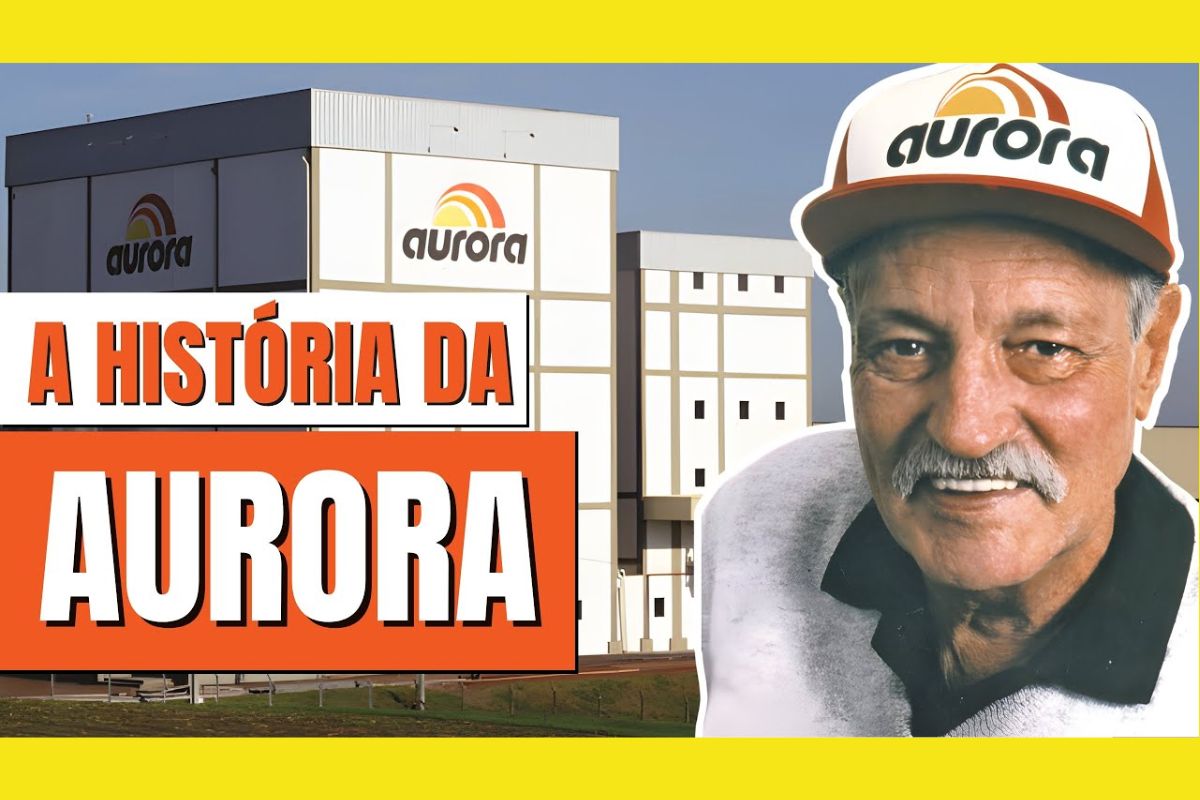


From A Central Cooperative Founded In Chapecó In 1969 To The Third Largest Producer Of Animal Protein In Brazil, Aurora Now Brings Together 14 Cooperatives, Over 150,000 Families, 46,000 Direct Employees, Exports Meats And Dairy Products To More Than 80 Countries, And Moves Billions In The Economy Throughout Brazilian Agriculture.
Founded On April 15, 1969, In Chapecó, Western Santa Catarina, Aurora Began As The Central Cooperative Of Western Santa Catarina And Now Competes With The Giants Of The Sector, Positioning Itself As A Near Reference To The Largest Producer Of Animal Protein In Brazil, Although It Currently Holds The Third Position In The National Ranking. In 2024, The Cooperative Inaugurated The Modern Aurora Coop Chapecó 2 Facility And, In Early 2025, Took New Steps In Expansion Through Acquisitions And A Direct Presence Abroad.
However, The Story Began Long Before The Brand Gained Space On The Shelves. In 1934, In Barão De Cotegipe, In Rio Grande Do Sul, Auri Luiz Bodanese Was Born, The Leader Who Would Transform Small Cooperatives Spread Throughout The Interior Of Santa Catarina Into A Robust, Integrated System Capable Of Feeding Millions Of People In Brazil And More Than 80 Countries.
The Origins In Cooperativism And The Vision Of Auri Bodanese

Aurora’s Trajectory Is Directly Linked To The Life Of Auri Bodanese (Aury Luiz Bodanese). As A Child, He Worked As A Fruit Seller And Newspaper Delivery Boy.
-
A new Brazilian shopping center worth R$ 400 million will be built in an area equivalent to more than 4 football fields, featuring 90 stores, 5 cinemas, a supermarket, a college, and parking for 1,700 cars, potentially generating 3,000 jobs.

-
Larger than entire cities in Brazil: BYD is building a 4.6 km² complex in Bahia with a capacity for 600,000 vehicles per year, but the discovery of 163 workers in conditions analogous to slavery has shaken the entire project.

-
With an investment of R$ 612 million, a capacity to process 1.2 million liters of milk per day, Piracanjuba inaugurates a mega cheese factory that increases national production, reduces dependence on imports, and repositions Brazil on the global dairy map.

-
Brazilian city gains industrial hub for 85 companies that is equivalent to 55 football fields.


In His Teen Years, At 15, He Was Already Driving Trucks On The Region’s Roads, And At 20, He Completed Military Service In Uruguaiana, An Experience That Helped Shape His Discipline And Leadership Style.
In 1967, Auri Assumed The Presidency Of The Mixed Agricultural And Livestock Cooperative Of Chapecó, In A Context Of Strong Resistance To Cooperativism.
Many Farmers Did Not Understand Why They Should Deliver Their Production To A Cooperative. Auri Then Went To The Base.
He Visited Farm By Farm, Explaining The Model, Reinforcing The Importance Of Unity, And Most Importantly, Ensuring That Payments Were Made On The Agreed Dates. This Combination Of On-Site Presence And Financial Seriousness Was Decisive In Building Trust.
Years Later, This Movement Would Result In The Merger Of Cooperatives In The Region And The Creation Of Coperalfa, One Of The Most Important Cooperatives In Western Santa Catarina. The Next Step Would Be Even Bolder.
The Creation Of The Central Cooperative In 1969 And The Birth Of The Aurora Brand

On April 15, 1969, Auri Bodanese And 17 Other Representatives Of Eight Singular Cooperatives From Western Santa Catarina Officialized The Creation Of The Central Cooperative Of Western Santa Catarina, Based In Chapecó. The Objective Was Clear: To Organize Regional Pig Farming, Standardize Processes, Offer Technical Assistance And Gain Scale To Compete In The Market With Large Private Companies.
As Early As 1970, The New Central Purchased 22 Trucks, Ensuring The Flow Of Production, And Adopted The Slogan “Cereals From Santa Catarina To Feed Brazil”, Indicating That Its Ambition Extended Beyond Regional Borders.
In 1973, The Cooperative Took A Leap By Acquiring From A Local Slaughterhouse, The Marafon, The First Feed And Meat Factories, Including The Rights To Use The Aurora Brand.
From Then On, The Slaughter Of Pigs Began To Be Carried Out Directly By The Cooperative, With About 200 Animals Per Day, And Producers Began To Rely On Balanced Feed, Fully Integrating Farm And Industry.
From The Start, The Model Of The Future Aurora Coop Was Different. There Were No Traditional Shareholders. The Owners Of The Central Were The Cooperatives Themselves, And Consequently, Rural Producers Became The True Owners Of The Business, Even If Indirectly.
In 1974, Auri Engineered The Creation Of Coperalfa, Strengthening The Foundation Of The System, And Throughout The 70s And 80s, The Aurora Brand Began Updating Its Logo And Caring For Its Identity In The Market.
Industrial Expansion, New Plants And Product Diversification
In The Early 80s, The Central Cooperative Purchased The Peperi Slaughterhouse, Also Operating In São Miguel Do Oeste, Santa Catarina.
The Distribution Of Aurora’s Products Expanded To The Rio-São Paulo Axis, The Two Largest Consumer Markets In The Country. In 1984, The Diversification Into Concentrated Juices Under The Delis Brand Came, Expanding Operations Beyond Meats.

In 1986, The Brand’s Visual Identity Was Updated And The Cooperative Inaugurated The Poultry Slaughterhouse In Maravilha, Marking Its Entry Into The Chicken Segment.
Shortly After, In 1987, Auri Bodanese Was Awarded The Title Of Citizen Of Santa Catarina, Recognizing His Economic And Social Role In The Region.
The 1990s Consolidated Aurora’s Transformation Into An Industrial Power. In 1992, The Largest Pig Slaughterhouse In Latin America Was Inaugurated In Chapecó.
In 1996, The Cooperative Expanded Beyond The South With A Pig Facility In São Gabriel Do Oeste, Mato Grosso Do Sul, Bringing It Closer To The Grain-Producing Regions, Essential For Animal Feed. In 1997, It Inaugurated The Poultry Slaughter Facility In Quilombo, Strengthening Its Poultry Division.
At The Turn Of The 1990s, The Brand Intensified Its Diversification. The Aurogetes Breaded Products Emerged, Hamburgers Under The Sub-Brand Fareste, A Line Of Ready Meals, And Significant Expansion In Deli Meats, Bologna, Sausages And Cuts Of Pork And Chicken.
Exports, Which Began In 1993, Surpassed 8,000 Tons By The End Of The Decade, While The Cooperative Completed 30 Years And Reached The Position Of Second Largest National Cooperative.
The 2000s With Global Crisis, Continuous Investment And Revenue Surge
In The Early 2000s, Aurora Strengthened Its Presence In Food And Beverages. In 2000, It Inaugurated A New Juice Industrial Plant In Pinhalzinho, Western Santa Catarina, With An Investment Exceeding 8 Million Reais, Modernizing The Delis Juice Segment.
In 2001, It Opened An Industrial Unit In Chapecó To Process 100 Percent Of The Pigs Slaughtered By The Cooperative. In 2002, It Inaugurated Another Pig Slaughterhouse In Joaçaba And Acquired The Slaughterhouse Of Coperjacuí In Sarandi, Rio Grande Do Sul.
In 2003, Auri Bodanese Passed Away At The Age Of 69, After 22 Years At The Helm Of The Cooperative, Leaving A System That Already Brought Together Thousands Of Producers Around Cooperativism.
In 2004, The Aurora Brand Fully Entered The Dairy And Pizza Segments, Launching The Aurolat Brand. The Following Year, Products Like The Easy Barbecue Kit, Special Holiday Chickens And Pork Tenderloin, Along With The Traditional Holiday Kits, Solidified The Brand’s Presence On Brazilian Year-End Tables.
In 2007, Mario Lanznaster Took Over As President, With A Management Focused On Industrial Investment And Strengthening Livestock Farming.
During This Period, Aurora Began Leasing Slaughter Units From Cotrel In Erechim For Poultry And Pigs, Which Were Permanently Incorporated Years Later. The Cooperative Also Acquired The Brands Nobre, Capone And Nobreza And Started Sponsoring Chapecoense, Further Connecting The Brand To The Region.
From 2008, Aurora Adopted The National Humane Slaughter Program, Initiating A Series Of Improvements In Animal Welfare. In The Same Year, The Global Financial Crisis Struck, Increasing Credit Costs, Strengthening The Dollar And Leading The Cooperative To Two Years Of Negative Results.
Even So, Investments Did Not Stop. In 2009, The Year It Celebrated 40 Years, It Inaugurated A Modern Feed Factory In Cunhaporã, One Of The Largest In Brazil, And From 2010 It Began Reporting Positive Results Again, Resuming The Expansion Cycle.
In 2014, When It Celebrated 45 Years, The Cooperative Achieved A Gross Revenue Of Approximately 6.7 Billion Reais, With 80 Percent In The Domestic Market And 20 Percent In Exports. In 2015, Cocari Joined The System In Poultry Production, With Aurora Taking Care Of Slaughter And Marketing.
The Tragedy Of Chapecoense, The Truck Drivers’ Strike And The Entry Into Seafood
In 2016, The Partnership With Chapecoense Was Marked By The Tragedy Of The Plane Crash In Colombia, When The Team Was Traveling To Compete In The Copa Sul Americana Final.
Aurora, As The Main Sponsor, Expressed Grief And Solidarity To The Victims And The Chapecó Community, Reinforcing Its Bond With The Region.
In 2018, The Cooperative Faced Operational Difficulties Again During The Truck Drivers’ Strike, Which Halted The Transport Of Inputs And Finished Products.
Aurora Had To Temporarily Halt Operations, Gradually Resuming Production As Logistics Normalized. In The Same Year, It Expanded Its Portfolio By Entering The Seafood Segment, In Partnership With CVAL, Launching The Aurora Tilapia Fillet.
In 2019, The Year It Celebrated 50 Years, The Aurora System Was Composed Of 11 Singular Cooperatives, With About 65,000 Associated Producers, More Than 30,000 Direct Employees And Approximately 10,000 Collaborators Linked To The Affiliates, Directly Impacting More Than 100,000 Families.
Revenue Reached Approximately 10.9 Billion Reais, With A Growth Of 20 Percent Over 2018, Driven By Exports.
During This Period, The Aurora Chapecó 1 Slaughterhouse, In Operation Since 1992, Underwent A Major Expansion That Began In 2018 And Concluded In 2019, With An Investment Of 268 Million Reais And An Increase In Slaughter Capacity From 5,000 To 10,000 Pigs Per Day.
A New Generation Of Leadership, The Pandemic, And Repositioning As Aurora Coop
In 2020, Mario Lanznaster Passed Away At 80, And The Presidency Passed To Neyor Canton, Maintaining A Focus On Expansion And Cooperative Governance.
At The Height Of The Pandemic, Aurora Was Mentioned In Local News In China Due To Alleged Traces Of Coronavirus On Exported Chicken Packaging.
The Cooperative Responded With Transparency, Highlighted That It Was Press Information Without Official Confirmation, And Agreed To Conduct Tests On About 11,000 Workers, Along With New Analyses On Products, All Returning Negative Results. This Allowed It To Maintain Export Routes To China And Other 60 Countries.
In 2021, The Cooperative Acquired The Poultry Production Structure Of The Agrodanielle Group In Tapejara, Rio Grande Do Sul, Announcing Investments Exceeding 200 Million Reais To Expand And Modernize The Slaughterhouse.
In The Same Year, It Strengthened Its Brand Presence By Sponsoring The Reality Show A Fazenda On TV Record, A Partnership Renewed In Subsequent Editions.
Also In 2021, The Organization Began Using The Name Aurora Coop, Reinforcing Its Identity As A Cooperative System, Rather Than A Traditional Company. The New Phase Came With The Slogan “We Do With Pleasure Everything You Like” And Campaigns Featuring Former Tennis Player Gustavo Kuerten, Connecting The Brand To Values Of Dedication, Journey, And Overcoming.
From The Third Largest In The Country To A Global Player In Animal Protein
In October 2023, Aurora Took Over The Operations Of The Pig Plant Of Union In Castro, Paraná, Bringing In The Cooperatives Frísia, Castrolanda, And Capal And Incorporating The Alegra Brand.
This Move Further Expanded The Cooperative Base And The Company’s Presence In Strategic Regions.
In April 2024, The Aurora Coop Chapecó 2 Facility Was Inaugurated, One Of The Most Modern Meat Processing Plants In Brazil, With Investments Of Nearly 600 Million Reais From Own Resources And BNDES Financing.
The Unit Features A High Degree Of Automation Throughout All Stages, Reaching The Robotization Of The Final Stages Of The Production Lines, And Reinforces The Ambition To Compete With The Largest Producer Of Animal Protein In Brazil In Quality, Scale, And Efficiency.
In The Pig Farming Segment, In 2024 Aurora Operated Eight Industrial Plants, With An Installed Capacity To Slaughter Just Over 32,000 Animals Per Day And A Total Annual Exceeding 8 Million Pigs.
In Poultry Farming, There Were Nine Industrial Units, With A Daily Capacity Close To 1.5 Million Chickens And Processing 343 Million Birds Over The Year.
In Dairy Cattle Farming, The Cooperatives Of The System Captured 449 Million Liters Of Milk, Processed Into Dairy Beverages, UHT Milk, Powdered Milk, Cream, Cheeses, And Other Derivatives.
At The Beginning Of 2025, When Reporting 2024 Results, The Cooperative Registered Consistent Growth In Gross Operational Revenue, The Creation Of More Than 2,500 New Jobs, And A Final Workforce Of More Than 46,000 Direct Employees.
Personnel Expenses Totaled 3.3 Billion Reais, Including Salaries, Charges, And Benefits. In Foreign Trade, Aurora Accounted For 21.6 Percent Of Brazil’s Pork Exports And 8.4 Percent Of Chicken Exports In 2024, Establishing Itself As A True Global Power In The Meat Sector.
Animal Welfare And Societal Pressure
Growth Also Brought New Pressures. In 2024, The International NGO Sinergia Animal Launched A Campaign With Billboards In Several Cities, Criticizing Practices Related To The Welfare Of Pigs, Such As The Use Of Gestation Crates.
The Cooperative Responded By Announcing A Zero Tolerance Animal Welfare Policy Towards Cruelty And Reinforcing Its Commitment To More Stringent Standards For Handling, Transport, And Slaughter.
This Clash Occurs In A Context Where Consumers In Brazil And Abroad Want To Know Not Only Where The Meat Comes From, But How The Animals Are Raised, Treated, And Transported To The Slaughterhouse.
For A Company That Seeks To Be Close To The Largest Producer Of Animal Protein In Brazil In Global Competitiveness, Responding To These Demands Is A Matter Of Reputation And Access To Markets.
Recent Acquisitions And Direct International Presence
In 2025, Now Consolidated As The Third Largest Producer Of Animal Protein In Brazil, Aurora Took Two Important Strategic Steps.
The First Was The Acquisition Of Grã Mestre, Expanding Its Operations In Special Cheeses And Strengthening The Premium Dairy Portfolio.
The Second Was The Inauguration Of The First Commercial Unit Outside Brazil, In Shanghai, China, The Largest Destination For The Cooperative’s Exports, Responsible For About 20 Percent Of The Volume Shipped.
In Addition To China, Aurora Exports Chicken To Middle Eastern Countries, Japan, And China Itself, And Pork To The United States, Mexico, Canada, Japan, The Philippines, Vietnam, South Africa, Chile, And Argentina, Among Other Markets.
This International Presence Reinforces The Cooperative’s Role As A Global Supplier Of Animal Protein, With Products Bearing The Brand Of Cooperative Spirit From Santa Catarina To More Than 80 Countries.
Current Structure, Social Impact And The Aurora Coop System
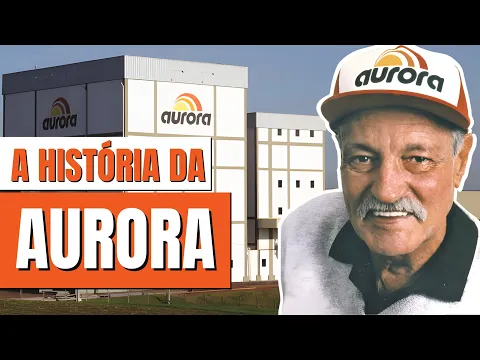

Today, The Headquarters Of Aurora Coop Remains In Chapecó. The System Brings Together 14 Affiliated Cooperatives And More Than 150,000 Families Among Members And Collaborators.
The Operational Structure Includes Eight Pig Units, Nine Poultry Units, Two Meat Processing Units, One Dairy Unit, 10 Feed Factories And Storage Units, Nine Hatcheries And Poultry Farms, 33 Commercial Units, Four Distribution Centers, Eight Distributors, And Four Corporate Units.
The Portfolio Is Diverse And Encompasses The Brands Aurora, Aurora Premium, Aurora Bem Leve, Nobre, Peperi, Alegra, And Grã Mestre, With A Mix That Includes Sausages, Cold Cuts, Pork And Chicken Cuts, Ready And Semi-Ready Meals, Hot Dogs, Dairy Products, Garlic And Cheese Breads, Vegetables, Seafood, And The Traditional Holiday Line, A Reference In Brazilian Christmas.
More Than Just Numbers, The Story Shows That Large Structures Can Arise From Collective Decisions In The Field.
The Union Of Small Producers Around Cooperativism Transformed A Regional Initiative Into The Third Largest Producer Of Animal Protein In Brazil, With The Ambition To Compete With The Largest Producer Of Animal Protein In Brazil In The Coming Years.
Did You Imagine That A Network Of Cooperatives From The Interior Of Santa Catarina Could Reach This Level Of Prominence In Brazilian And Global Animal Protein?






Faltou falar sobre a incorporação do extinto frigorifico Chapecó, em Chapecó. Mas ficou muito boa a reportagem sobre essa maravilhosa cooperativa, cuja minha família faz parte!
SÃO GABRIEL DO OESTE MS, Feliz com a presença da AURORA, a cidade sw desenvolveu muito.
Obrigado AURORA e PARABÉNS.
SÃO GABRIEL DO OESTE MS, Feliz com a presença da AURORA a cidade se desenvolveu muito.
Obrigado AURORA.