





 Portuguese
  English
  Spanish
  3 min of reading
  0 comments


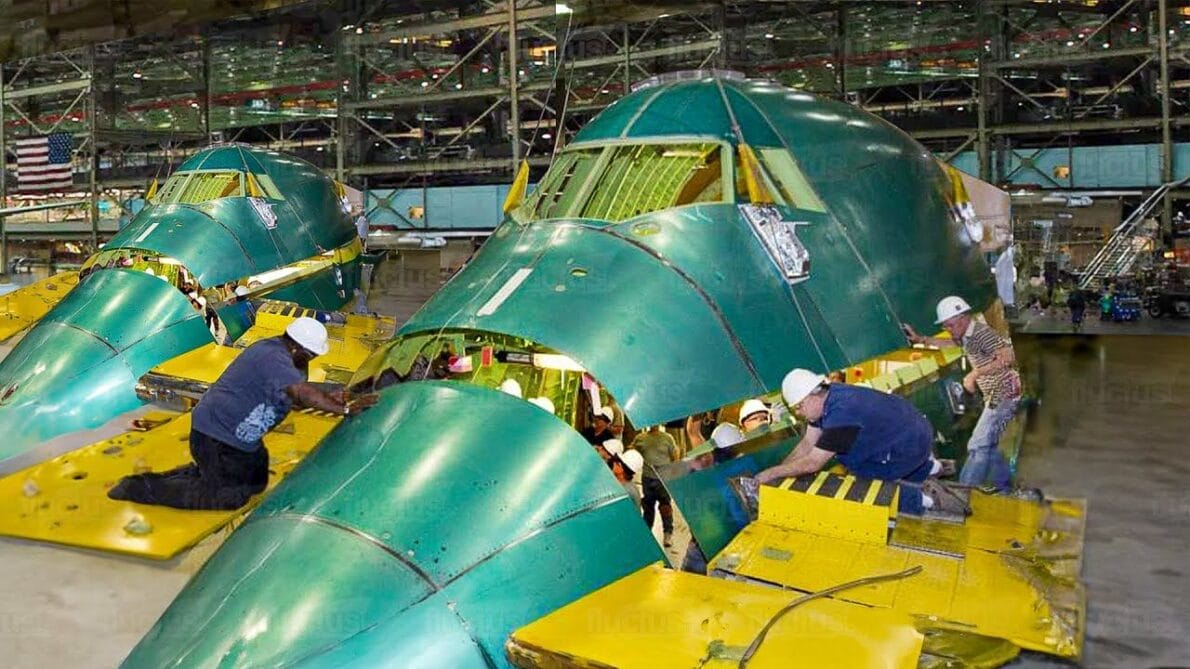
Aircraft Manufacturing Is A Complex Process That Faces Various Challenges. At Boeing’s Factory, Engineers And Technicians Work Together To Overcome Them, Using Advanced Resources To Build The Largest Airplanes In The World.
At Boeing’s factory, building giant aircraft is a meticulous task that combines technological innovation with the manual skill of technicians. Recently, the company implemented automated systems as auxiliary tools, but without replacing human intervention. This includes robots that assist in constructing the front and rear sections of the aircraft. However, the main strength remains human labor, which is enhanced by technology, not replaced by it.
After the assembly of the main subassemblies, the next step is painting. At the Everett facility, Boeing uses advanced automated painting technology to apply layers of paint with precision, ensuring quality and material savings. This process is followed for all Boeing models, including the iconic 747, where the fuselage, wings, and tail are assembled and painted separately.
Boeing Has Made Significant Advances In Recent Years, Implementing Automated Systems To Assist

The construction of the fuselage is one of the central points in creating an aircraft. Boeing has made significant advances in recent years, implementing automated systems to assist workers in the factory. Despite this, the human component still remains the main focus, with technology serving to enhance, rather than replace, the work of technicians.
-
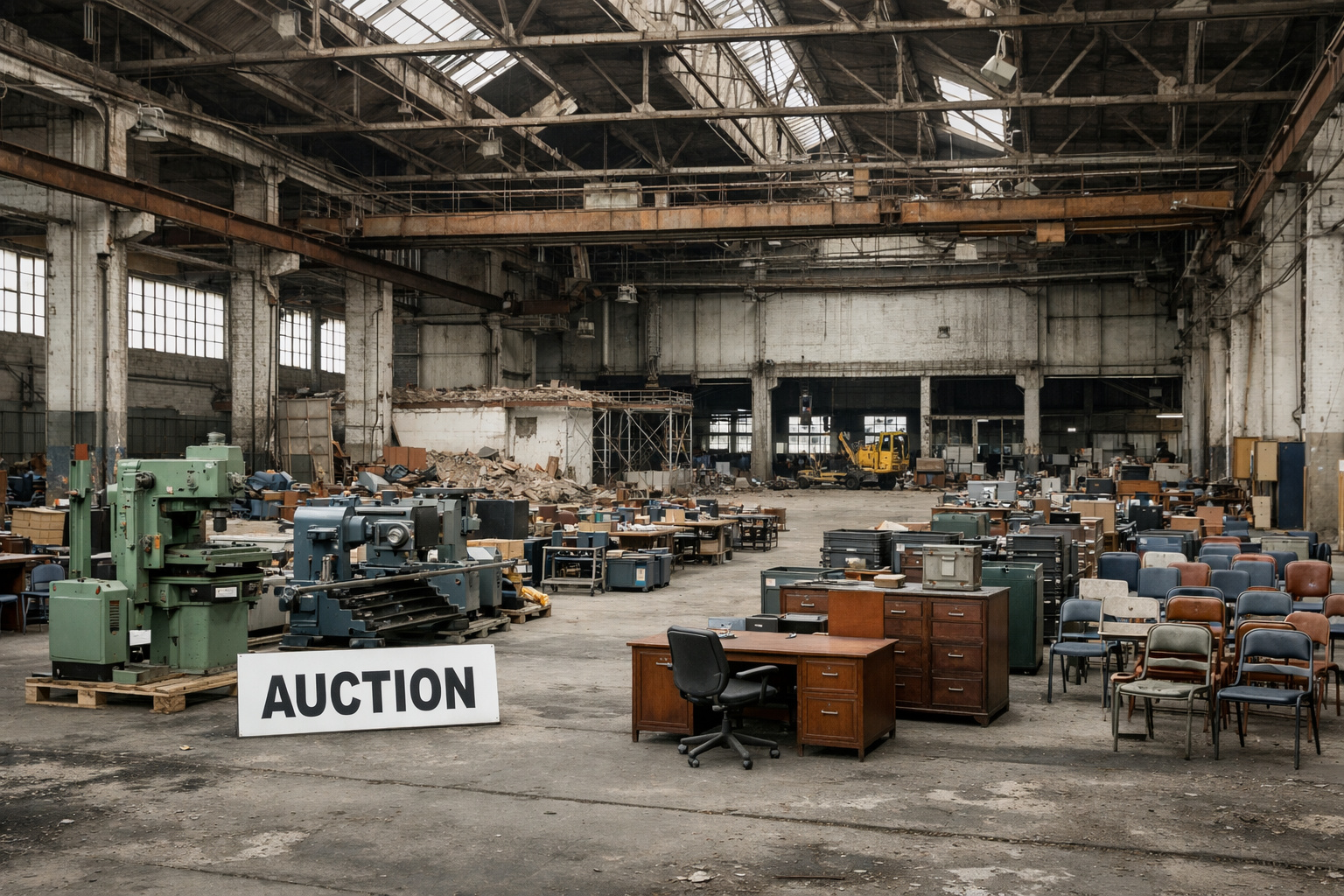
Historic bankruptcy of Centauro shocks the market, and the century-old company puts more than 500,000 products, machines, and complete infrastructure up for online auction.
-
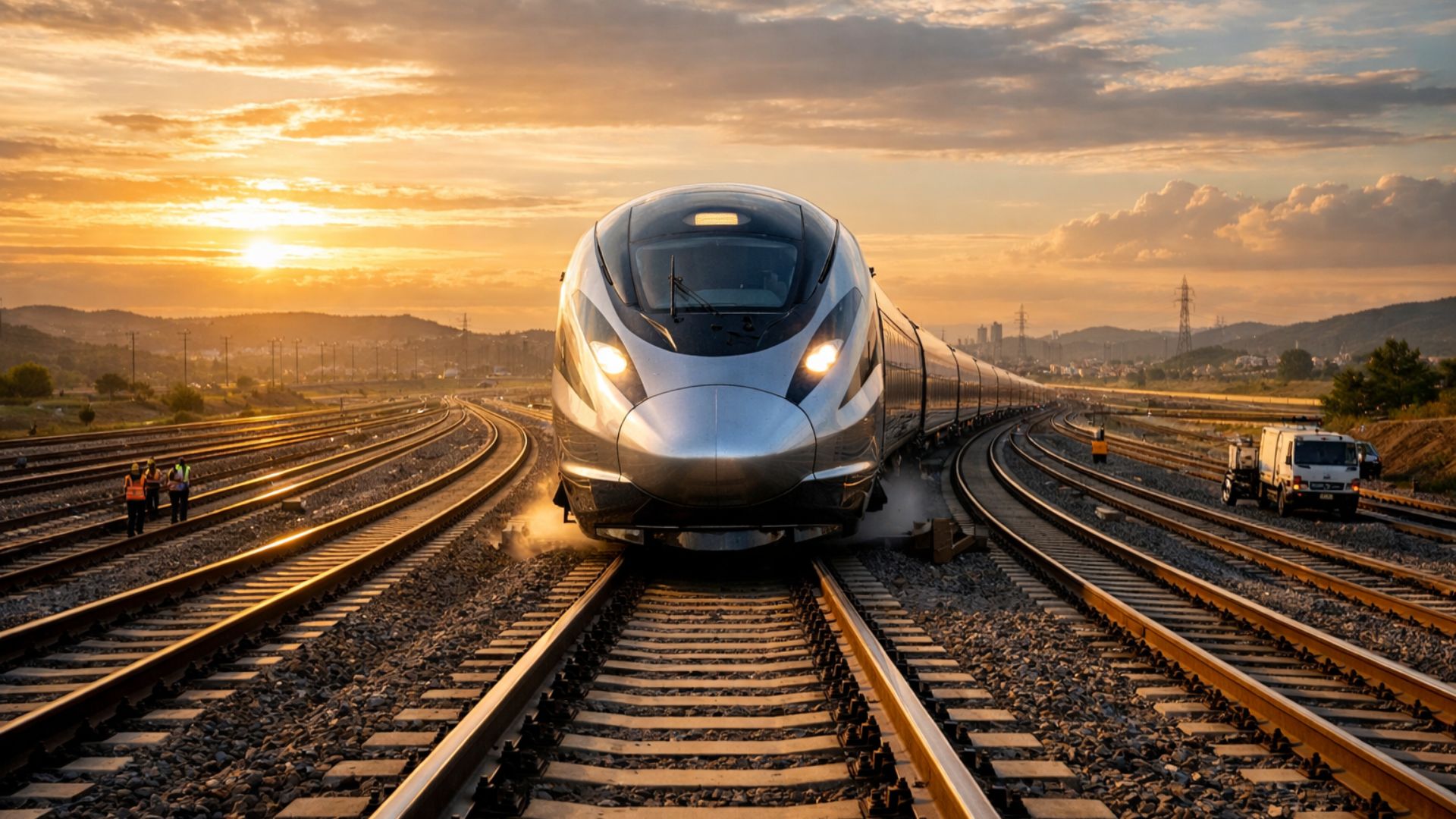
São Paulo surprises the world with a colossal railway network project that promises over 1,000 km of tracks, R$ 194 billion in investments, and 40 projects connecting the capital to the interior with fast and sustainable trains.
-
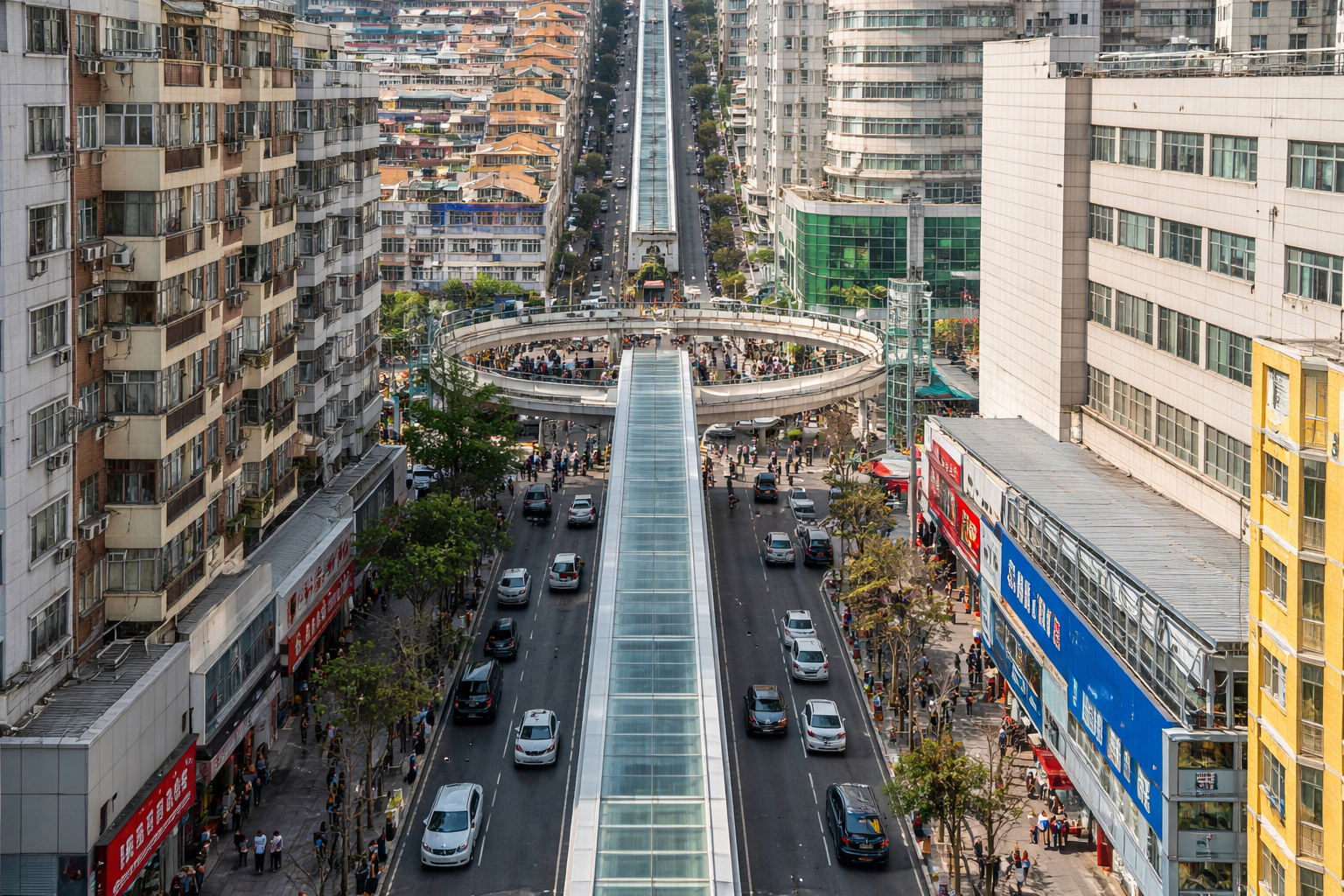
The world’s largest escalator, measuring 905 meters in China, reduces urban travel time from 1 hour to about 20 minutes and transforms mobility in mountainous regions with an engineering solution adapted to the terrain.
-
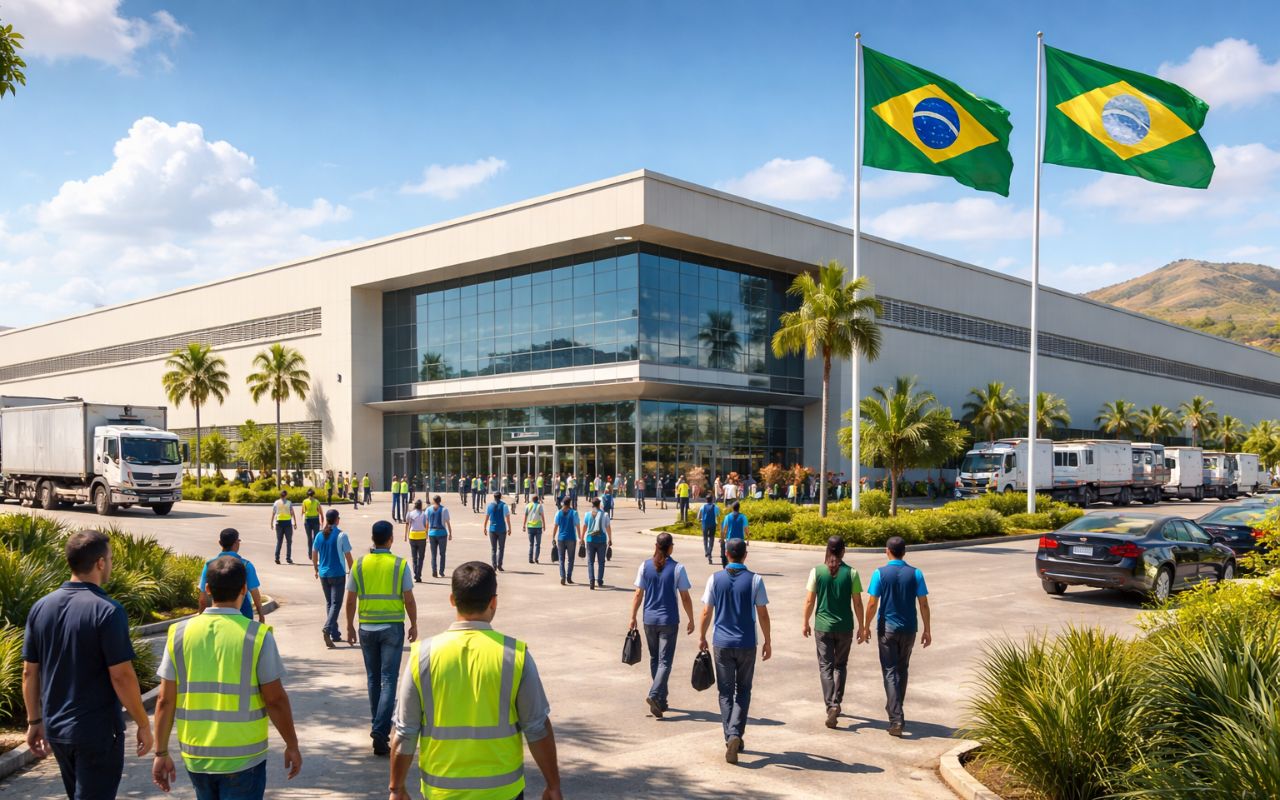
New shoe factory in Ceará is expected to create 400 jobs and strengthen the local economy.

After the assembly of the main subassemblies, painting is a crucial step. At the Everett factory, there is an area dedicated to painting the aircraft’s wings using the latest painting and automation technology. The automated spray method, where robots apply multiple layers of paint with precision, ensures consistency and quality, while also preventing paint waste.
Process Is Rigorously Followed For All Boeing Models, Including The 747
After painting, the subassemblies are finalized to assemble the entire aircraft. This process is rigorously followed for all Boeing models, including the 747. Structural components such as ribs and stringers are added to increase the aircraft’s rigidity. Elements such as vertical and horizontal stabilizers are installed in the rear section during final assembly.
Engines and other systems, such as hydraulics and electrical systems, are carefully installed in the main structure. This step requires great precision to ensure correct alignment, resulting in safe and optimized performance.
Research Indicates That Passengers Prefer Empty Seats Next To Them And The Ability To Sleep During The Flight
Boeing bases its interior designs on passenger needs, conducting research to understand their preferences. For instance, research indicates that passengers prefer empty seats next to them and the ability to sleep during the flight. With this information, the company maximizes internal space and provides a sense of spaciousness.
When passenger aircraft reach the end of their useful life, Boeing converts them into freighters, extending their lifespan by another 20 years. This involves removing seats and lavatories, creating cargo space, and installing a cargo door in the fuselage.
The 747-8, For Example, Is Tested Under Extreme Conditions To Ensure Its Performance Under Maximum Loads
Boeing conducts rigorous performance tests, such as extreme takeoff tests and takeoff rejection tests, to ensure the safety and efficiency of airplanes. The 747-8, for example, is tested under extreme conditions to ensure its performance under maximum loads.
In the end, Boeing continues to lead aerospace innovation, overcoming challenges and delivering cutting-edge aircraft that meet rigorous quality and safety standards, standing out in building the largest airplanes in the world.








Seja o primeiro a reagir!