





 Portuguese
  English
  Spanish
  2 min of reading
  0 comments


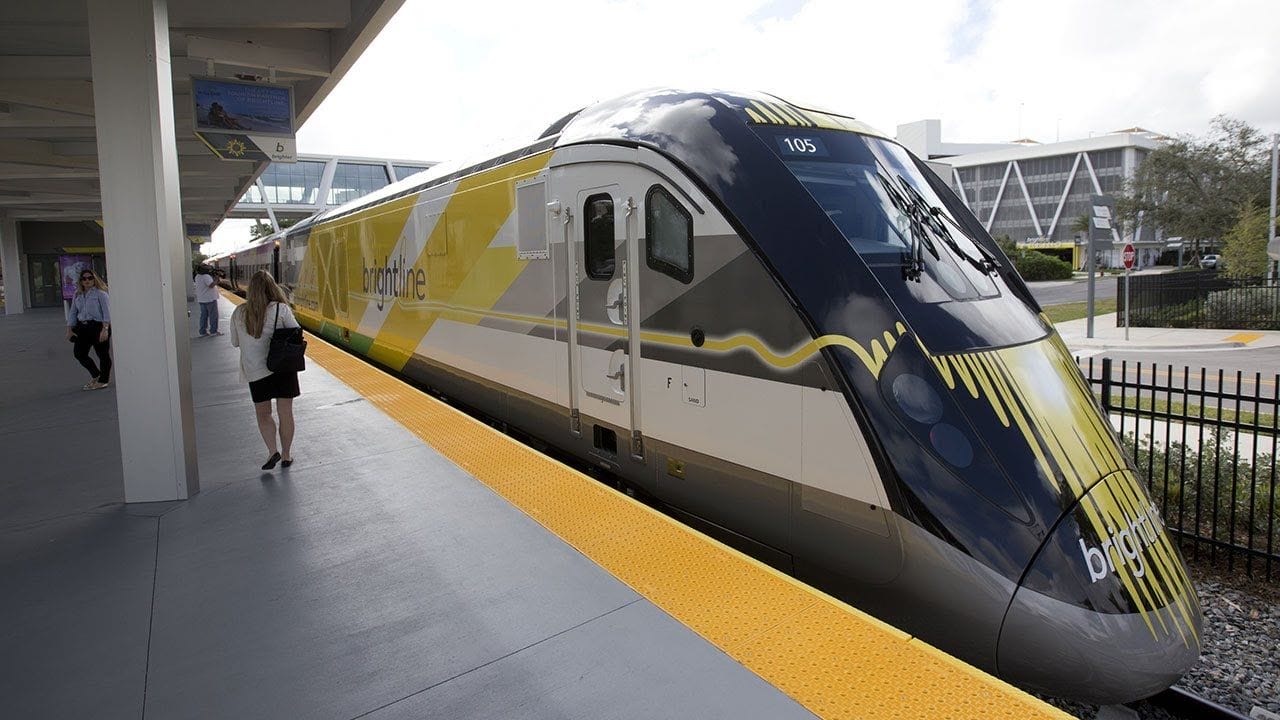
After Years Of Delays And Challenges, California Is Nearing The Completion Of The California High-Speed Rail (CHSR), Its High-Speed Rail Project.
Since 1996, the United States has been trying to build its first high-speed rail network, but to date, none exists. California, however, is making progress to change this reality with the California High-Speed Rail (CHSR), an ambitious rail project, although it is currently about US$ 70 billion over budget and facing constant delays due to a myriad of problems, including vetoes, lack of funding, and political rhetoric.
The rail line, which is expected to be operational by 2030, represents the largest transportation project in America, connecting the major population centers of the state of California. About 85% of the project is funded by California, with the remaining 15% coming from the federal government.
Construction Of The Railway In Phases
The construction of the CHSR began in 2015 for the first segment in the San Joaquin Valley, part of California’s Central Valley. This segment, which will run from Merced to Bakersfield, is expected to begin operations in 2030. And of course, the commuter rail systems in the major metropolitan areas of San Francisco Bay and Greater Los Angeles are being upgraded to support a mixed system in the future with the CHSR, sharing updated tracks, power systems, train controls, and stations.
-
A megaproject worth R$ 89 billion is advancing in Iraq and promises to change the game in global trade by creating a new corridor between Asia and Europe, reducing traditional routes and repositioning the country as a logistics powerhouse.
-
Goodbye bedside table: floating shelves become a trend in 2026 by freeing up space in the bedroom, improving circulation, bringing visual lightness, and integrating technology without taking up floor space.

-
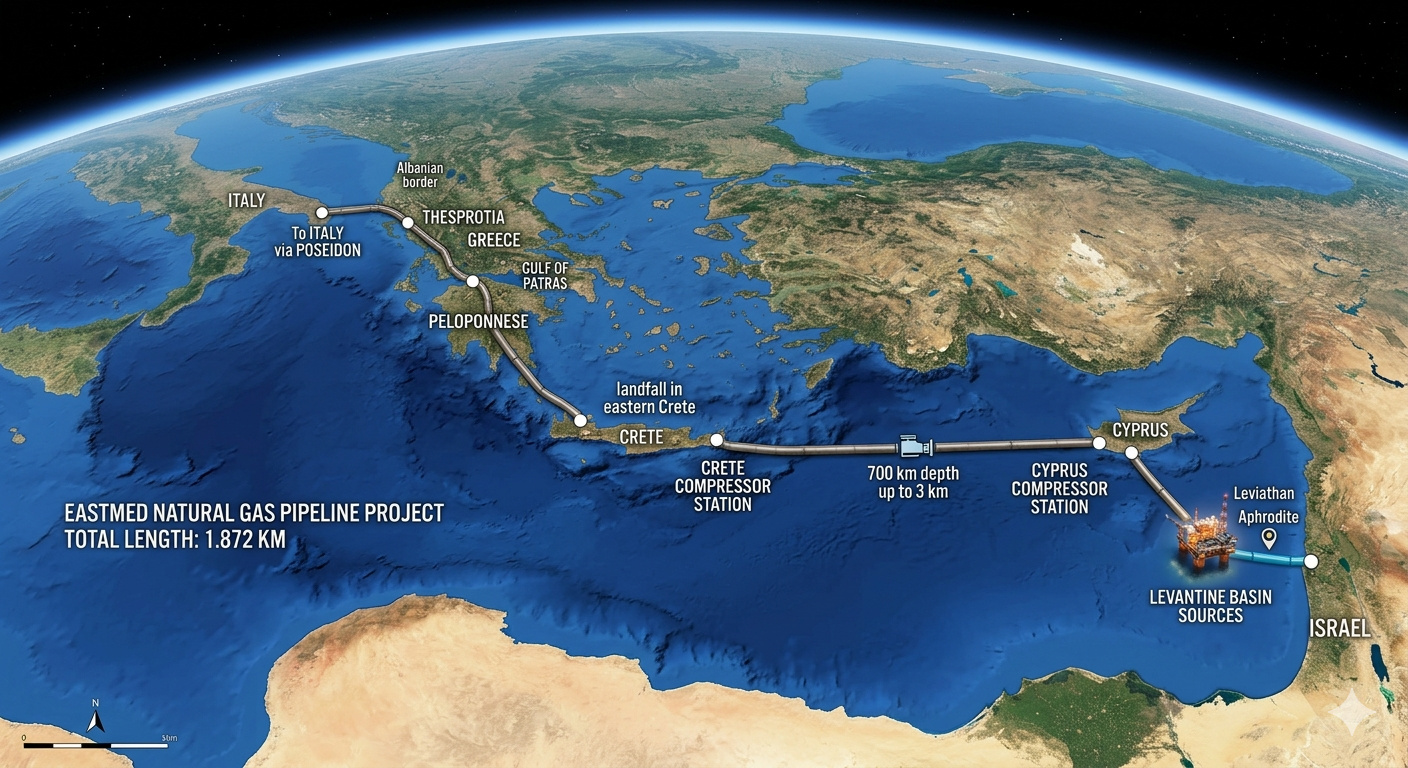
Israel, Greece, and Cyprus signed an agreement in 2020 to transport gas from the Mediterranean to Europe via a 1,872 km pipeline, but Turkey claimed sovereignty over part of the maritime route, and the project never materialized.
-
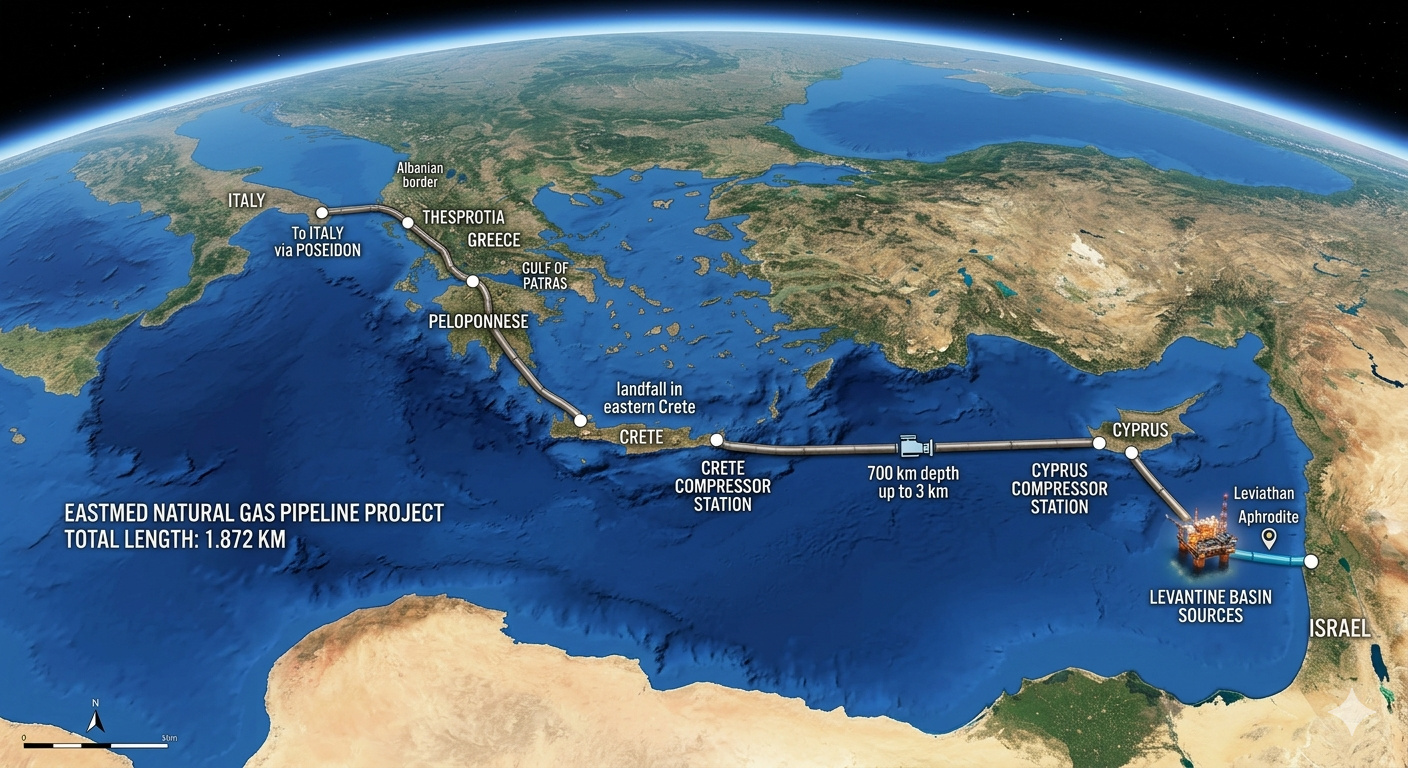
Israel, Greece, and Cyprus signed an agreement in 2020 to transport gas from the Mediterranean to Europe via a 1,872 km pipeline, but Turkey claimed sovereignty over part of the maritime route, and the project never materialized.

The project has faced criticism and challenges, mainly related to funding and political issues. However, there have been significant recent advancements. The CHSR authority approved the release of a qualification request, paving the way to obtain and evaluate potential suppliers for the project’s trainsets.


Impact And Expected Benefits
Despite the delays and increased estimated costs, the CHSR promises to bring several benefits, including reducing pollution and carbon emissions, improving passenger travel, and reducing vehicle traffic and air traffic congestion. It is expected that about 40 million passengers will use the CHSR annually, having a positive impact on California’s economy and social connectivity.
The CHSR, when completed, will put the US on the map as a developer, builder, and operator of high-speed trains and related infrastructure, marking a new era in the history of American rail transport. Thus, California is advancing in its ambitious plan to finalize the construction of its high-speed rail, overcoming challenges and moving towards a more sustainable and efficient transportation solution.









Seja o primeiro a reagir!