Portuguese
  Spanish


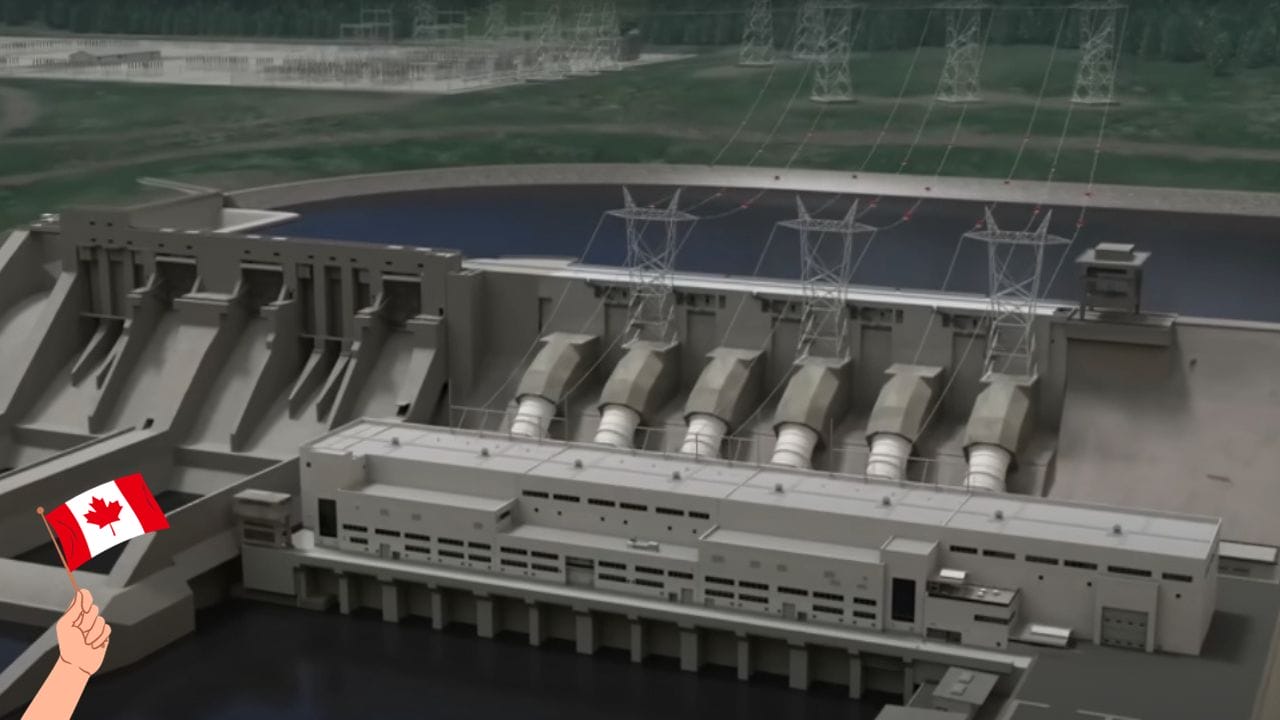

The Ambitious US$ 11 Billion Hydroelectric Project in British Columbia Represents a Major Advance in the Search for Renewable Energy in Canada.
Canada is about to make a significant leap toward sustainable energy with the US$ 11 billion green energy project in the province of British Columbia, known as the Site C Hydroelectric Project. This project, which is the largest hydroelectric venture in the region since 1984, stands out as an innovative response to the growing global demand for renewable energy.
Located 14 km southwest of Fort St. John in northeastern British Columbia, Site C will be the fourth largest hydroelectric power plant in the province, with a projected capacity of 1,100 megawatts and an estimated annual output of 4,600 GWh. It is expected to provide constant energy for approximately 450,000 homes in British Columbia, promoting a safe, renewable, and affordable energy source.
The Construction of the New Hydroelectric Plant in Canada
The construction of Site C includes an earth-fill dam 60 meters high and 1,500 meters long, in addition to six vertical-axis Francis turbines of 183 megawatts each. The generated energy will be channeled through a system of tunnels and spillways, and the project also includes the creation of an 83 km long reservoir, covering a total surface area of 9,330 hectares.
-
Brazil saved US$ 32.4 billion in 2025 by switching from fossil to renewable energy and only ranked behind China and the United States on the IRENA global podium.

-
Alert in Santa Catarina: the Anita Garibaldi Bridge on BR-101 is completely closed in both directions due to “structural risk,” and drivers are diverted to a 20 km/h detour that promises kilometer-long queues until July 20.

-
More than 6,000 trucks poured nearly 70,000 cubic meters of concrete without interruption for 72 hours to create the largest continuous concrete pour in history and erect a megaproject in Saudi Arabia.
-
28-meter, 156-ton titans traveled 20,000 km from China to the port of Santa Catarina: Portonave received 7 fully electric megacranes, part of a R$ 210 million package, to double container handling.


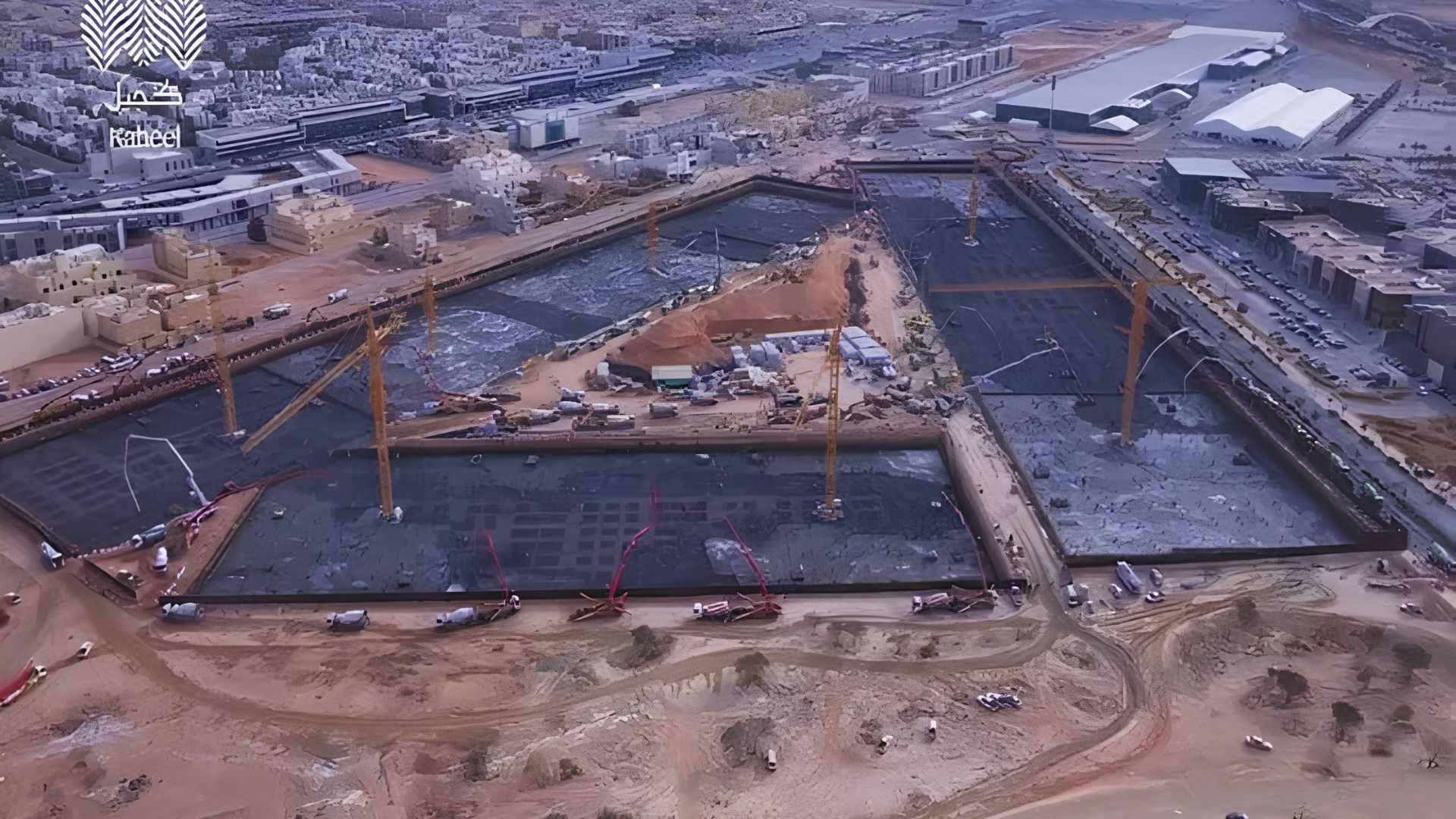

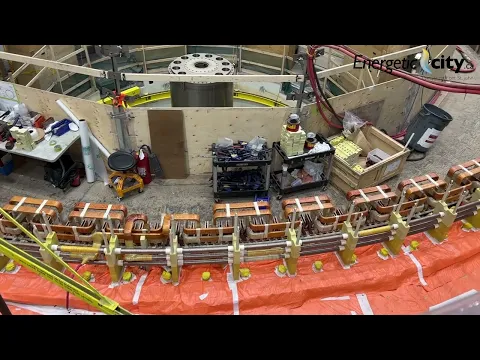
This green energy project is crucial for Canada’s sustainable energy strategy, aiming to significantly reduce CO2 emissions. It is estimated to avoid the emission of 30 to 70 million metric tons of CO2 into the atmosphere, marking a crucial advance in the fight against climate change and global warming. See some images of the site below.

Naturally, the Project Faces Challenges
However, Site C has faced controversies and opposition due to its environmental impact, including flooding agricultural lands and concerns about construction costs and future electricity demand. Despite these challenges, the provincial and federal government approved the project after a three-year environmental review, highlighting the need to complete construction to avoid a US$ 4 billion debt.
The construction of the project will create approximately 35,000 jobs, with an estimated impact of US$ 160 million on the local GDP and US$ 3.2 billion on the provincial GDP. Slated for completion in 2025, the project is already 90% complete and represents a milestone in hydroelectric power generation in Canada.
In summary, the Site C project is a key piece in Canada’s green energy portfolio, promising to provide clean and renewable energy for at least a century, while facing significant challenges related to the environment and logistics.