





 Portuguese
  English
  Spanish
  4 min of reading
  0 comments


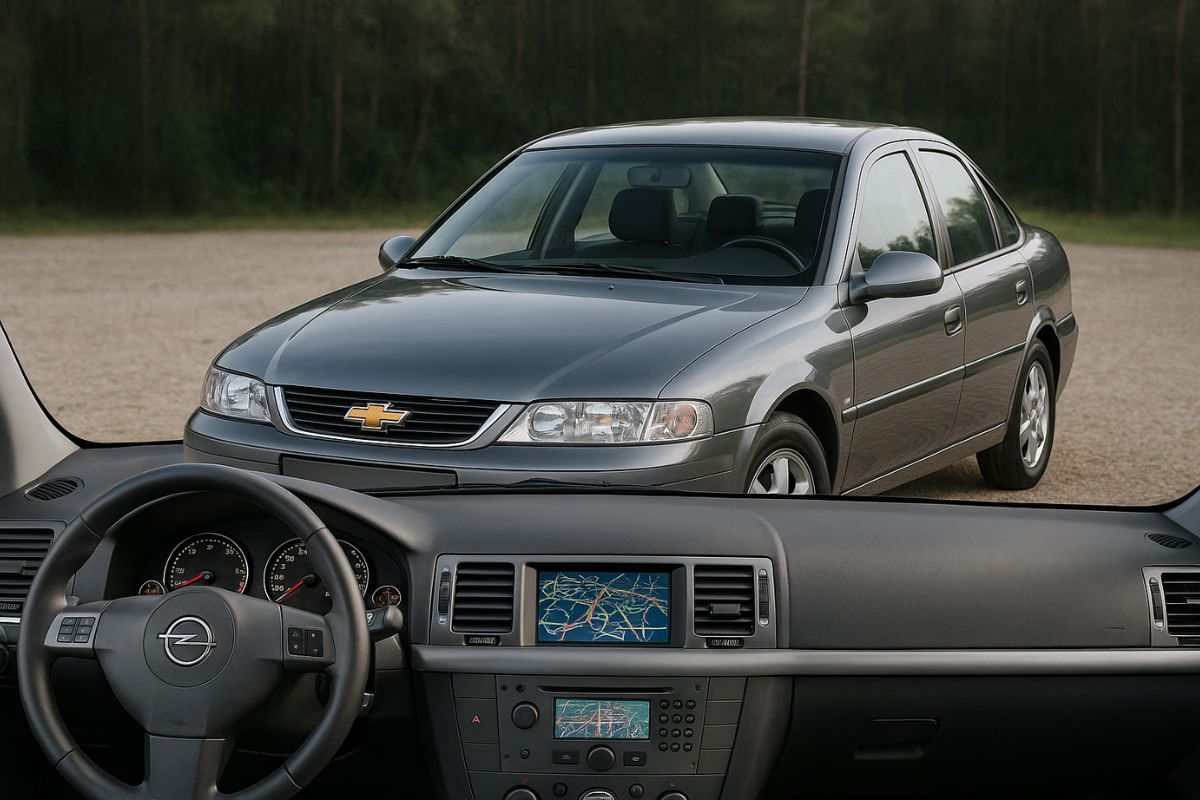
Launched in 2005, the third generation of the sedan was, in fact, a project based on the European Opel Astra, a simplification that frustrated fans and tarnished the legacy of one of the most desired cars in Brazil.
The Chevrolet Vectra was, for more than a decade, a true symbol of status and sophistication in the Brazilian market. Its first two generations established a standard of design, technology, and driving pleasure that made it the car many aspired to have. It was the ultimate representation of accessible luxury of the golden tie.
This reputation, however, was seriously shaken in 2005. With the arrival of the third generation, the promise of evolution turned into one of the biggest controversies in the national automotive industry. The perception that the “new” Vectra was, in fact, an inferior project disguised by a prestigious name triggered a wave of disappointment that marked the end of an era.
Why Was the Vectra B (1997-2005) the Brazilian Dream Car?
To understand the frustration, it’s necessary to remember what the Chevrolet Vectra B represented. Launched in 1997, it was not just a car; it was a milestone. With European design aligned with Opel, it offered competent engines like the 2.2 16V with 138 hp, which ensured respectable performance for the time.
-
How to build a floating island from scratch with reeds, giant blocks, and stakes in the lake in a process that needs to be repeated almost every day.

-
A forgotten cord on the floor of a basement in Vienna leads a plumber to a box containing 30 kilograms of gold with Mozart’s face, hidden before World War II. The treasure, worth 2.3 million euros, was just centimeters away from a worker who ignored the sign a day earlier.

-
A couple buys an old chalet, breaks the kitchen floor for renovation, and finds over a thousand coins of gold and silver hidden since the English Civil War over 4 centuries ago.

-
Rigid bags with their days numbered: new trend prioritizes comfort in 2026.


But its great diferencial was its refined engineering. The detail that impressed the most was its multi-link rear suspension. This solution, much more sophisticated and more expensive than the common torsion axle found in its competitors, provided exemplary stability and ride comfort. It was this combination of style, performance, and superior technology that solidified the Vectra B as the reference mid-size sedan in Brazil.
The “New” Chevrolet Vectra of 2005: The Revelation That It Was a Disguised Astra
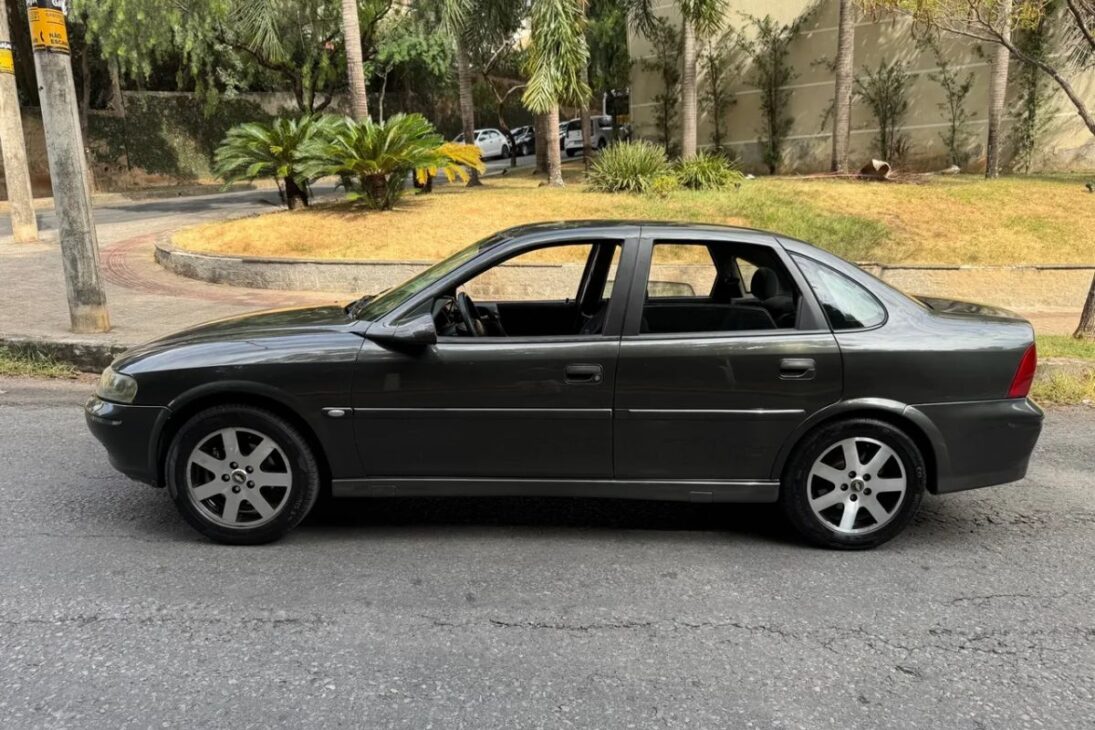
The anticipation for the successor of the Vectra B was huge, but what arrived in stores in 2005 was a cold shower for the most attentive. Chevrolet Brazil promoted the launch as a great evolution, but specialized media and enthusiasts soon discovered the truth: the new Chevrolet Vectra was a project developed on the platform of the European Opel Astra H.
The Astra H was a good car but from a lower category. GM’s maneuver was to stretch its platform to give the car the dimensions of a mid-size sedan and sell it under a well-established name. To make matters worse, the hatchback version of the Astra H was launched in Brazil as Vectra GT, reinforcing the association and diluting any argument that the sedan was a superior product. The strategy was seen by many as misleading marketing.
Lowered Suspension: The Controversial Change That Buried the Sophistication of the Vectra
The most sensitive point of the “betrayal” was undoubtedly the change in the rear suspension. The new model abandoned the acclaimed multi-link system of its predecessor and adopted a simple and cheap torsion axle. Technically, it was an undeniable setback.
This simplification, viewed in conjunction with the project’s origin in the Astra, confirmed the perception of a general “downgrading” of the car. The true European Opel Vectra C, contemporary to the Brazilian model, maintained the more elaborate independent suspension, which served as a comparison and increased fans’ frustration. The decision removed a central element of the Chevrolet Vectra‘s DNA, replacing engineering excellence with a clear cost reduction.
The Logic of Chevrolet: Why Did GM Trade Engineering for Economy?
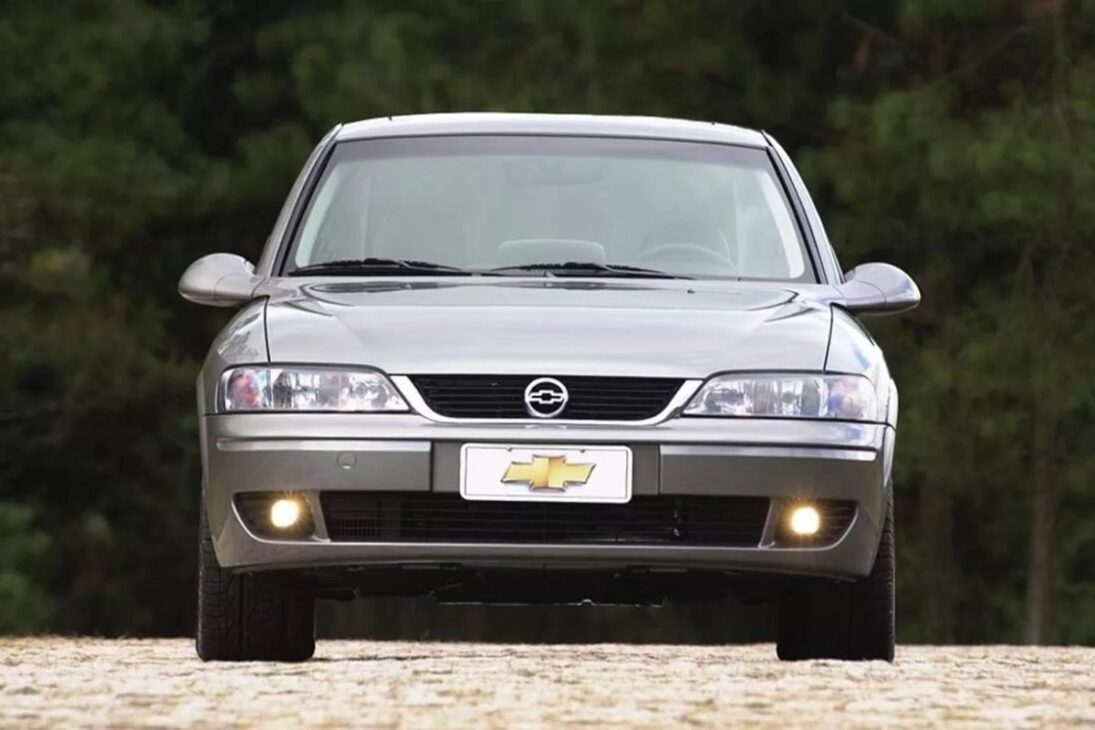
GM’s decision was not a coincidence but a business strategy focused on cost rationalization for emerging markets like Brazil. Producing the sophisticated European Opel Vectra C here would be much more expensive, making the car less competitive against rivals like the Toyota Corolla and Honda Civic.
Choosing the simpler Astra H platform allowed GM to offer a “new” Chevrolet Vectra at a more aggressive price. The automaker seems to have underestimated the loyalty and discernment of the Brazilian consumer, who expected an evolution, not a setback. Years later, Quatro Rodas magazine classified the maneuver as one of the “twelve mistakes made by brands in Brazil.”
Sales and the Melancholic End of the Vectra Name
The market reaction was a direct reflection of disappointment. The “new” Chevrolet Vectra faced difficulties competing with the recently launched Honda “New” Civic and the consolidated Toyota Corolla, which frequently won media comparisons. Sales, which were once an absolute leadership in the segment, started to decline.
A piece of data from 2011, at the end of its lifecycle, is revealing: the top-of-the-line version of the Vectra reported zero units sold in a month, while the Corolla sold over 3,000. Ironically, the old Astra sedan continued production in Brazil until 2012, surviving the model that was supposed to replace it in prestige. In 2011, Chevrolet ended Vectra production, which was succeeded by the global Cruze project, putting a melancholic end to a name that was once synonymous with excellence.








-

-

-

-

-

-

41 pessoas reagiram a isso.