





 Portuguese
  English
  Spanish
  3 min of reading
  3 comments


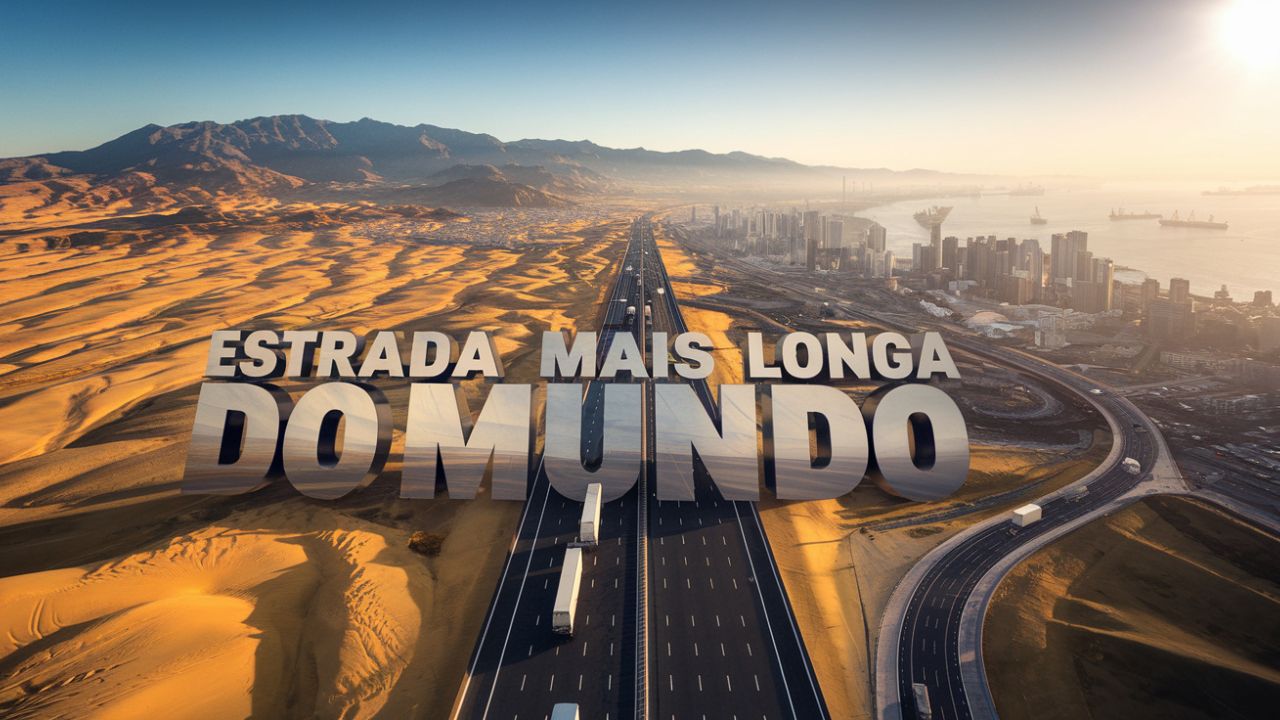


The Billion-Dollar Construction That United Africa and Asia on a 12,000 km Route, Involving 147 Countries, Generated $19 Trillion in Goods and Transformed Global Trade.
Have you ever imagined a road so long that it connects entire continents, facilitating trade between countries with completely different cultures? This is the proposal of the construction of the ‘world’s longest road’, one of the largest constructions ever carried out by humanity, connecting Africa and Asia through the Belt and Road Initiative (BRI), led by China. And the impact? Over £15 billion moved in annual trade.
The BRI is not just an engineering feat. It is an ambitious strategy that redraws the global economic map, promoting market integration and expanding the reach of exports. Let’s explore how this construction is transforming trade and the future of several countries.
What Is the Belt and Road Initiative (BRI)?

The Belt and Road Initiative, also known as the New Silk Road, was launched by China in 2013. The goal? To create an infrastructure network that connects East Asia to Europe while integrating countries in Africa, Latin America, and Oceania.
-
New CCR concrete paving technology promises roads up to 3x more durable, less maintenance, and cost reduction in Brazil.
-
Made from recycled plastic, plastic wood is gaining space in the construction industry because it does not rot, resists moisture, and reduces maintenance costs over the years.

-
Florianópolis will receive a million-dollar BRT that will begin construction in 2026 with nearly 400 million in funding from the federal government and the Inter-American Development Bank, and the map already shows the routes for the exclusive bus corridors.

-
Without a blueprint, without an engineer, and using scrap from the dump, a father spends 15 years building an 18-room castle for his daughter, featuring tram tracks, 13 fireplaces, and over 700 m², which may now be demolished.

The project began with the development of strategic railways, highways, and pipelines, creating an efficient trade route among the participating countries. With investments of over $1 trillion, the BRI has become the largest infrastructure initiative ever undertaken, involving around 147 nations.
The initial idea was simple: to create a trade corridor between Asia and Europe. However, the vision rapidly expanded to include African and Asian countries along the way. Ports in the Indian Ocean and railway networks in Africa became fundamental pillars for the initiative’s success.
The Expansion of the Construction: Africa and Asia on the Same Route
Connecting two such distinct continents is no easy task. But China has proven that it is possible to turn this idea into reality.
This road not only transports goods but also connects cultures and economies. African countries, which once relied on local trade, now have direct access to Asian markets, expanding their export opportunities.
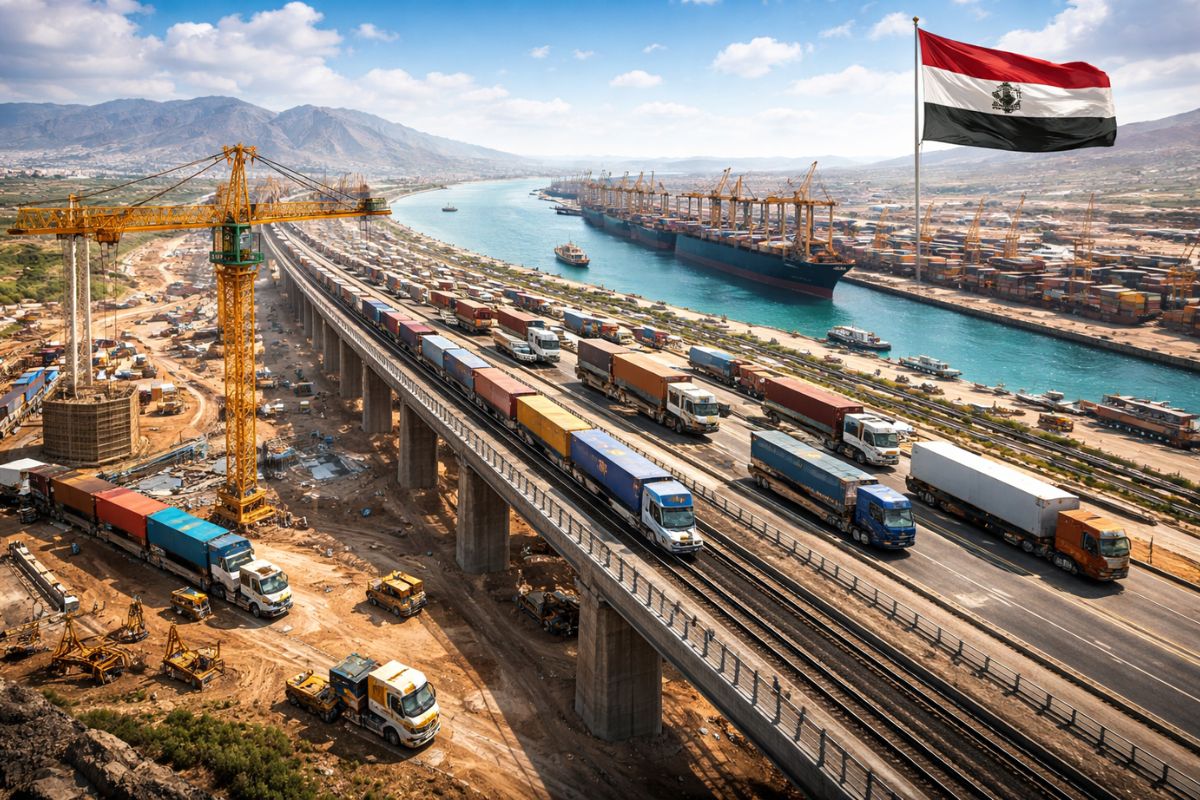
Modernized ports, state-of-the-art highways, and railway networks are just a few of the constructions that are part of the project. These investments increase transport capacity, reduce logistics costs, and boost trade on a global scale.
Economic and Geopolitical Benefits for China and the World
The numbers are impressive. In just a decade, about $19.1 trillion in goods have been traded between China and the participating countries of the BRI.
The ‘world’s longest road’ has made commerce faster and more efficient. Products that previously took weeks to reach their destination are now delivered in just a few days, benefiting both exporters and consumers.
In addition to strengthening trade ties, the construction has paved the way for China to secure access to resources such as oil, gas, and minerals in strategic regions, solidifying its position as a global power.
The Challenges Behind a Construction of Epic Proportions
Deforestation, displacement of communities, and environmental degradation are among the main issues associated with the project. These impacts raise debates about the sustainability of the initiative.
While many countries have benefited, others face difficulties in repaying loans granted by China, raising concerns about economic dependency and national sovereignty.
The ‘world’s longest road’ is a symbol of global integration and economic transformation. By connecting Africa and Asia, the initiative creates new possibilities for trade, culture, and development.








Só a extrema direita brasileira pra ser contra a China, até o Bolsonaro quando esteve lá,disse que estava num país capitalista!
É a China tomando a iniciativa de facilitar o escoamento de seus produtos industrializados e o recebimento de matérias primas para sua produção ou consumo interno.
São os chineses sempre nos surpreendendo com suas inovações!
Super interessante esta reportagem. Me considero uma oessoa bem informada e nunca tinha visto nada sobre esta obra faraônica. A China mais uma.vez surpreende o mundo.