





 Portuguese
  English
  Spanish
  4 min of reading
  0 comments


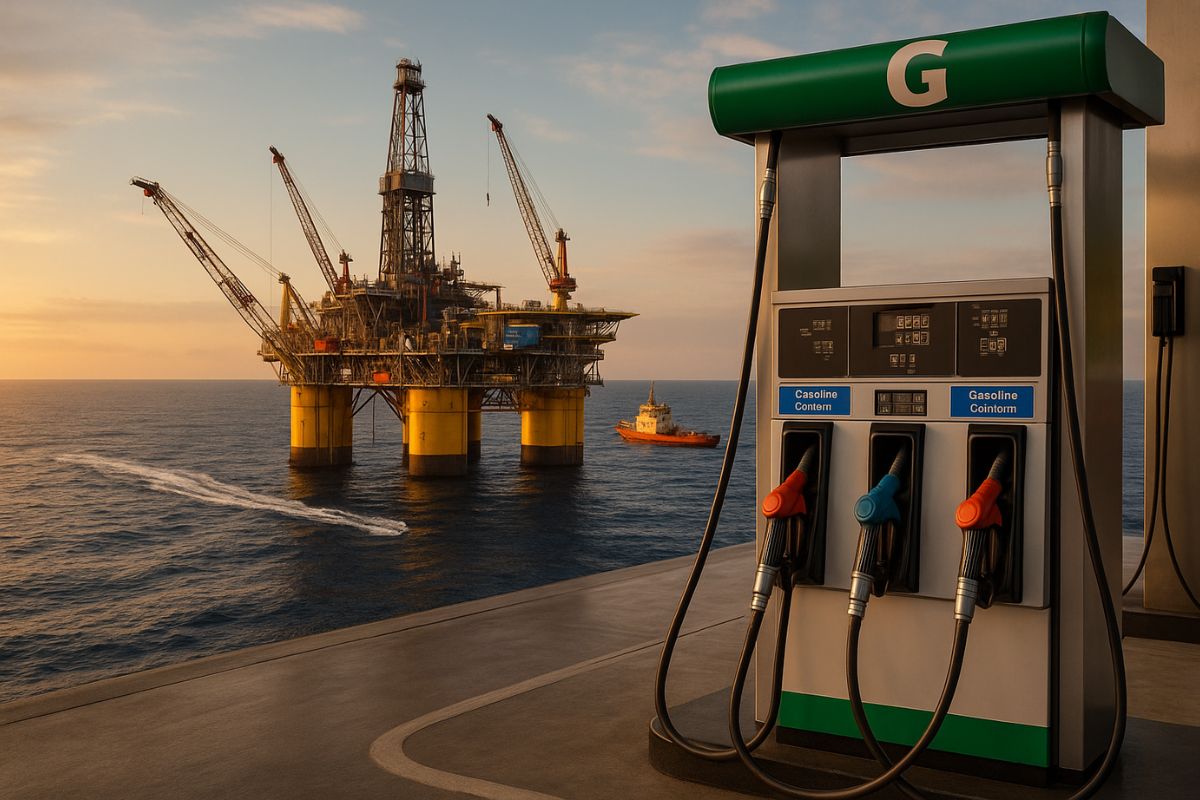
A group of oil-producing countries, led by Saudi Arabia and Russia, has the power to control global supply and set gasoline prices
A decision made in a meeting room in Vienna, Austria, by a cartel of oil-producing countries, has the power to make the price of gasoline in Brazil rise or fall within days. This direct connection, though it may seem distant, dictates the cost of one of the most essential products for the Brazilian economy.
At the center of it all is OPEC+, the Organization of the Petroleum Exporting Countries and its allies. Using coordinated cuts or increases in production as a real economic “weapon,” the group manipulates the price of crude oil in the international market. This decision starts a complex chain: the price of oil rises or falls in the global market, Petrobras filters part of the impact, and in the end, the bill arrives at the pump.
OPEC+, the Supercartel That Controls World Oil
To understand the impact on the price of gasoline, one must first know who pulls the trigger. OPEC+ is an alliance formed in 2016 that unites the 12 OPEC countries, such as Saudi Arabia and Venezuela, with another 10 producing nations, with Russia as the main ally. Together, they form a supercartel that controls about 60% of global oil production and 90% of the planet’s proven reserves.
-
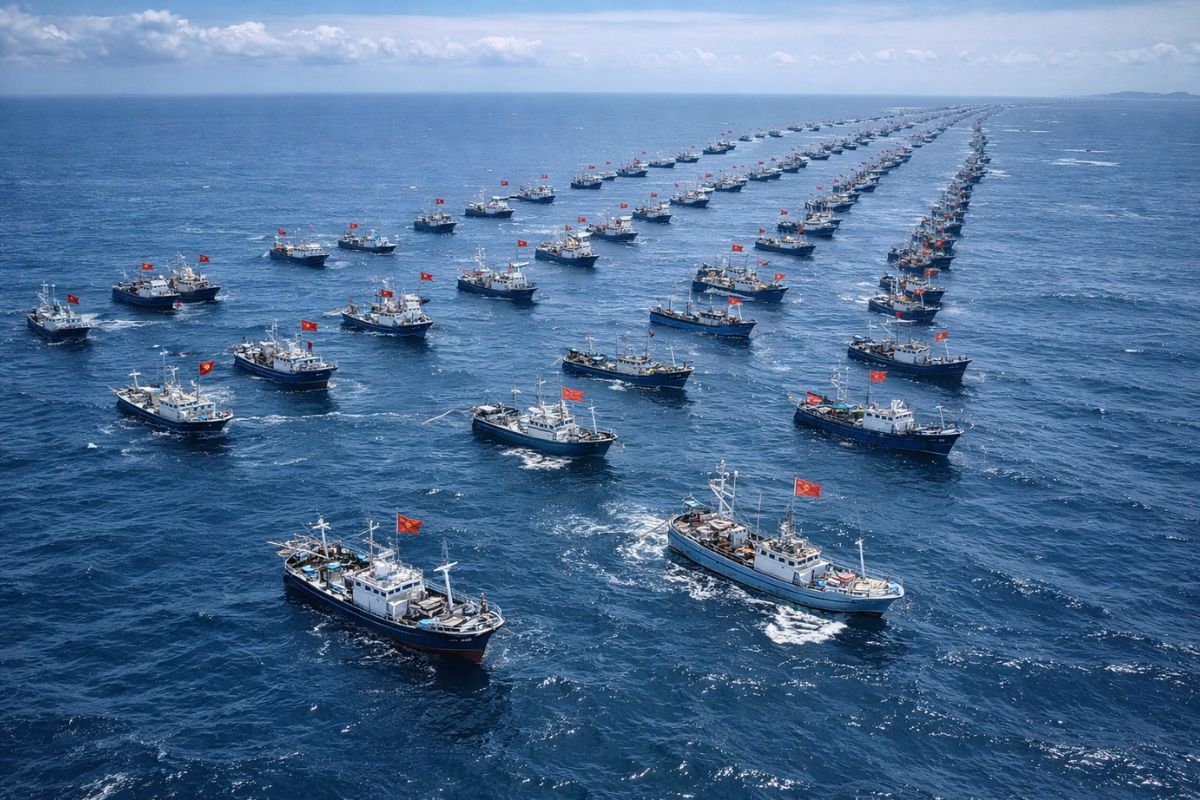
Neither Brazil nor the USA: China produces over 60% of the world’s farmed fish and accounts for about 40% of all global seafood, using industrial-scale aquaculture megafarms to influence the international market and supply billions of people.
-
Archaeologists opened the only Etruscan chamber never looted in 2,600 years and found four individuals lying on stone beds with 110 intact objects around them, and the inscriptions found in the tomb have not yet been deciphered because the Etruscan language is a mystery that science has not yet solved.
-
Health issues urgent alert for flu and calls for the vaccination of the elderly, children, and pregnant women this Saturday with Day D and drive-thru in Curitiba.

-
What seemed like waste has turned into a barrier, and now human hair collected from salons helps retain debris in the water of ancestral channels in Latin America.


The main “weapon” of the group is supply management. When they want the price of crude oil to rise, they meet in Vienna and agree on a cut in production. With less product on the market, the price goes up. When they want the opposite, they increase production. This firepower makes their meetings crucial events for the global economy.
The Immediate Effect on the Market, the Meeting in May 2025 That Drove Down Prices
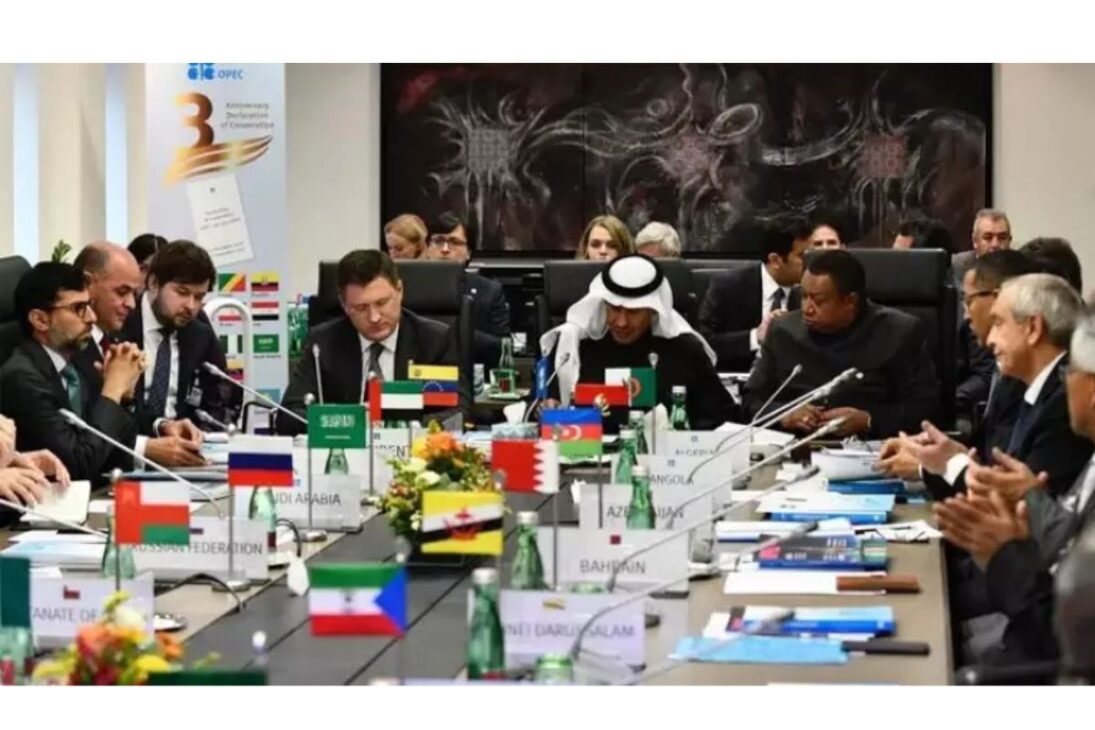
The decisions made by OPEC+ have an immediate impact on the price of Brent crude oil, the main global benchmark. A clear example occurred at the meeting on May 31, 2025. Contrary to some expectations, the group announced a plan to gradually increase its production starting in October of that year.
The reaction from the financial market was instantaneous and brutal, especially regarding the price of gasoline. With the prospect of more oil flooding the market, the price of Brent plummeted, nearing US$ 60 per barrel, the lowest rate in four years. This movement shows how a single decision from the cartel can set the direction of prices worldwide.
The Barrier of Petrobras, How the State-Owned Company Holds Back the Wave of International Prices
After the price of Brent is set abroad, the signal reaches Brazil, but it is not transmitted directly to the pump. It first passes through the Petrobras filter. In May 2023, the state-owned company abandoned the Import Parity Price Policy (PPI), which was transferring international volatility and the dollar’s fluctuations almost daily to the refineries.
The new commercial strategy is more complex and less transparent. In practice, it allows Petrobras to hold back price adjustments and absorb some of the external shocks, creating a “lag” concerning international prices. This explains why often, when oil rises abroad, the adjustment here takes several days or weeks to occur, or it comes with less intensity.
Why the Price Does Not Fall in the Same Proportion
Even when Petrobras announces a reduction, the relief at the pump is never in the same proportion. This happens because the amount set by the state-owned company is only part of the final price. In June 2025, for instance, the share of Petrobras in the price of gasoline was only 42.7%.
The rest of the amount comprises other factors: the cost of anhydrous ethanol, which is mixed with gasoline, the profit margins of distributors and gas stations, and, mainly, a heavy tax burden. Taxes such as ICMS (state) and PIS/COFINS (federal) are fixed amounts charged per liter. In other words, even if the price of oil falls by half, the tax amount remains the same, limiting the drop in the price of gasoline for consumers.
In summary: more than half of what you pay at the pump is not directly related to the price of oil, but rather to taxes and other fixed costs.
The Rapid Rise and Slower Fall of the Price of Gasoline
This structure explains a phenomenon well-known to Brazilian consumers: the “rocket and feather” effect. Prices rise rapidly, like a rocket, but fall slowly, like a feather. When Petrobras announces a hike, gas stations immediately pass on the increase to avoid losses.
However, when there is a decrease, the story is different. The combination of the rigidity of fixed taxes and the possibility for gas stations and distributors to increase their profit margins results in price reductions being much slower and, at times, may not even fully reach the consumer.
It is the last link in the chain, where the decision made in Vienna finally dilutes, leaving the driver with the frustrating sensation that the price goes up in an elevator but comes down the stairs.






Seja o primeiro a reagir!