





 Portuguese
  English
  Spanish
  4 min of reading
  0 comments


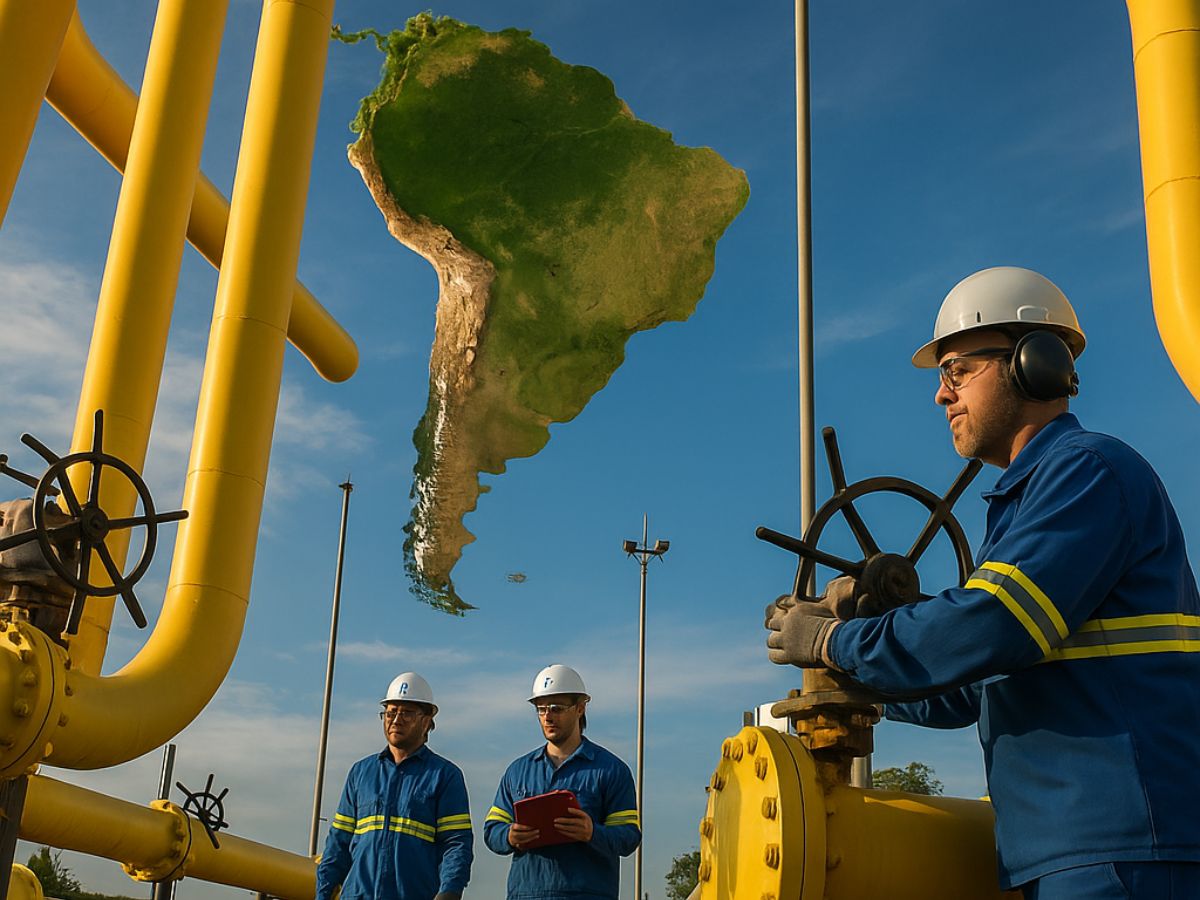
In a strategic process that lasted seven years and involved over R$ 6 billion, the Brazilian group Cosan acquired control of Comgás, the largest natural gas distributor in Brazil, and reconfigured the sector
Understand in detail the trajectory of this acquisition. We analyze how Cosan, a company with predominantly Brazilian capital, secured control of the largest natural gas distributor in Brazil and what the impact of this operation will be for the future of the national energy sector.
The acquisition of the São Paulo Gas Company (Comgás) by the Brazilian conglomerate Cosan was a milestone in the reconfiguration of the natural gas sector in the country.
The move, unfolded in strategic phases between 2012 and 2019, resulted in the consolidation of a new and powerful player with ambitions for national leadership.
-
Spain surprises the world by erecting 62 artificial dunes, mixing sand with natural remains of posidonia, and causing the structure to lose only 1.4% of its volume in 1 year.

-
With 16 Bulava missiles, improvements in acoustic stealth, and a design focused on silent patrols, Russia’s nuclear submarine was born to ensure Moscow’s invisible retaliation and has become one of the pillars of its maritime strength.

-
‘Populous’ city in Rio among the worst in Brazil in national ranking and exposes silent development crisis.
-
Couple buys house in the South Zone of São Paulo, opens a hidden door in the garage, and finds a secret wine cellar with dozens of old wines forgotten since the 1970s.

The Natural Gas Market and the Strategic Positioning of Cosan and Comgás
In the early 2010s, the Brazilian natural gas market presented great expansion potential, driven by the search for cleaner and more efficient energy sources.
It was in this context that Cosan S.A., one of the largest conglomerates in Brazil with a strong presence in energy and logistics, saw the opportunity to diversify its portfolio.
The target was Comgás, already established as the largest natural gas distributor in Brazil and Latin America. With a network of over 21 thousand kilometers and 2.5 million customers, its concession area in São Paulo covers a region that accounts for about 27% of Brazil’s GDP. These attributes made Comgás an extremely strategic asset.
Cosan’s Strategy to Control Comgás
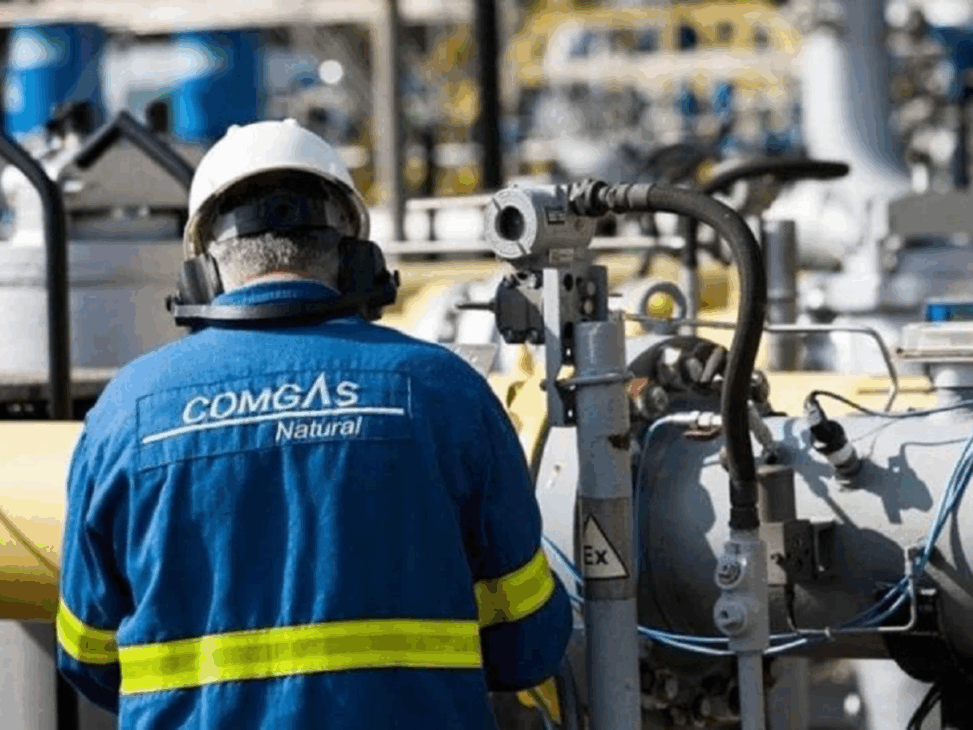
The takeover of Comgás by Cosan was a meticulously planned and executed process in three main phases:
Strategic Entry (2012): The first step occurred in November 2012, with the acquisition of 60.1% of Comgás’s capital, a stake that belonged to British Gas (BG) Group. The transaction, amounting to R$ 3.4 billion, marked Cosan’s formal entry into the sector and guaranteed it the controlling stake.
Strengthening Position (2017): Five years later, in October 2017, Cosan purchased Shell’s entire stake in Comgás, corresponding to 16.77% of the capital, for R$ 1.16 billion. This increased its stake to nearly 80%.
Final Consolidation (2019): The final move was a Public Offering (OPA) to purchase the shares that were still in the market. With this operation, which totaled about R$ 1.8 billion, Cosan achieved 99.14% of Comgás’s total capital, ensuring almost absolute control.
The Financial Anatomy of the Largest Natural Gas Distributor in Brazil
The total investment by Cosan to secure control of the largest natural gas distributor in Brazil was substantial. Adding up the three phases of the acquisition, the total disbursement was approximately R$ 6.3 billion.
This hefty investment, made over seven years, reflects Comgás’s strategic value and Cosan’s strong conviction in the growth and profitability potential of the gas sector in Brazil, especially with the discussions about market opening that intensified during this period.
Compass Gás e Energia, the Vehicle of Cosan to Lead the Future of Gas
After consolidating control of Comgás, Cosan established, in 2020, Compass Gás e Energia, its vehicle to expand investments in the sector. Compass’s strategy is multifaceted and operates on two fronts:
Distribution: Anchored by Comgás, Compass seeks to replicate its successful model in other geographies, managing stakes in various state distributors through the joint venture Commit Gás, with Japanese Mitsui.
Marketing & Services: This division focuses on natural gas commercialization, exploring opportunities from the New Gas Legal Framework. It includes infrastructure projects such as the São Paulo LNG Regasification Terminal (TRSP), aiming to diversify supply sources.
The Reconfiguration of the Gas Market and the Legacy of Cosan
The acquisition of Comgás by Cosan was one of the most significant moves in the Brazilian energy sector in the last decade. It consolidated a strong private player of national capital controlling a vital infrastructure asset, which was previously in the hands of multinationals.
The creation of Compass positioned Cosan not only as the largest natural gas distributor in Brazil, but also as an active force in transforming the market.
With a strategy that integrates distribution, commercialization, and infrastructure, the company is exceptionally well positioned to lead and benefit from the expansion and modernization of the gas sector in the country in the coming decades.







-

Uma pessoa reagiu a isso.