





 Português
  Inglês
  Espanhol
  4 min de leitura
  0 comentários


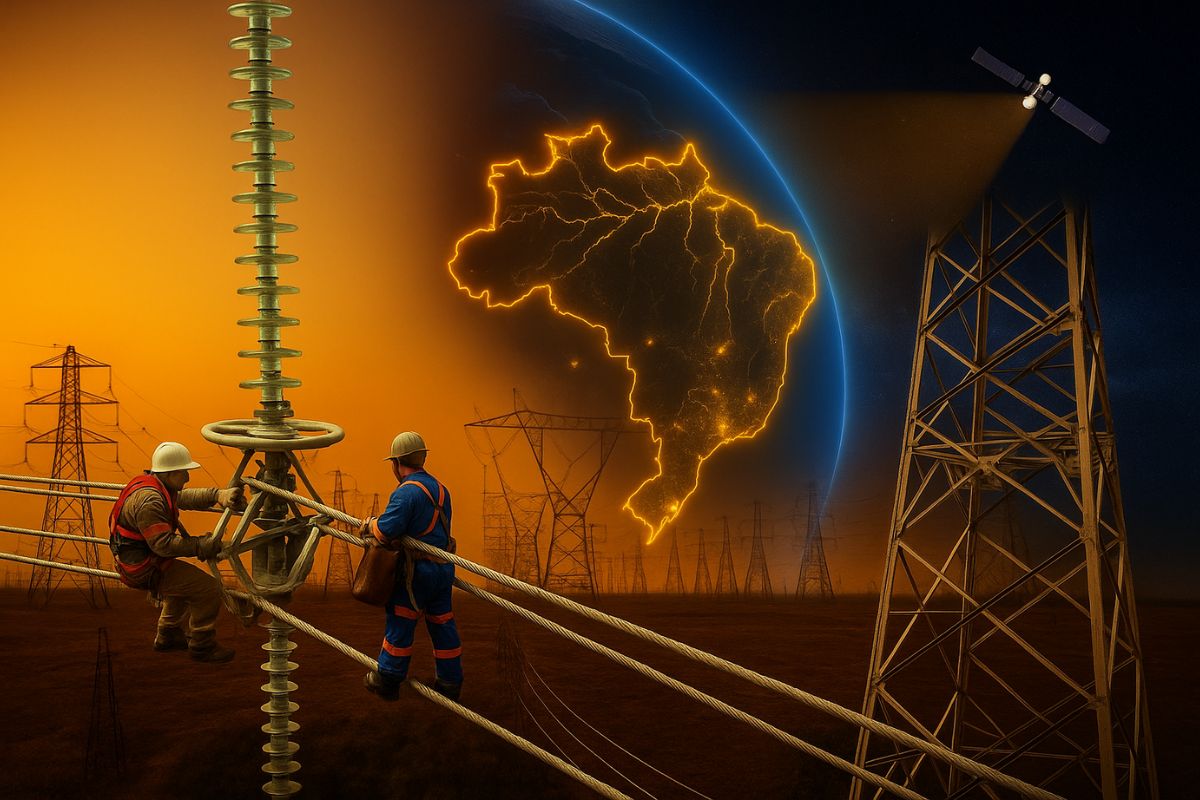
With Investments of Over R$ 28 Billion Since 2010, State Grid Not Only Modernized Part of the Power Grid but Also Took Control of CPFL, Raising Questions About the Country’s Energy Sovereignty.
Who Really Controls the Power That Reaches Your Home? This Question Has Become Central to the Debate About Brazilian Infrastructure With the Rise of State Grid Corporation of China (SGCC). In Just Over a Decade, This Chinese State-Owned Giant Has Executed a Meticulous and Aggressive Expansion, Becoming a Dominant Force in Brazil’s Electricity Sector, a Move With Deep Economic and Geopolitical Implications.
The Entry of a Foreign State-Owned Company of This Magnitude in Such a Vital Sector Goes Beyond a Simple Business Transaction. It Reflects China’s Growing Global Influence and Its Strategy of Investing in Critical Infrastructure Around the World. For Brazilian Consumers, the Result Is a Mix of Improvements in Service Quality and Questions About the Future of National Energy Security.
Who Is State Grid, the Chinese State-Owned Giant That Is the Third Largest Company in the World?
Founded on December 29, 2002, State Grid Corporation of China (SGCC) Is the Largest Utility Company in the World.
-
With more than 635,000 doctors, Brazil sees competition increasing in large cities, and recent graduates are competing for shifts at an accelerated pace while the countryside still faces shortages.

-
The world’s first octopus farm wants to open in the Canary Islands and is already provoking an international reaction: the plan aims to produce 3,000 tons per year.

-
Drought may be creating stronger superbugs in the soil and helping antibiotic resistance reach hospitals, warns a study highlighting a problem that could grow alongside extreme weather.

-
The biggest scam in history: Napoleon’s France deceived the United States by selling them a territory that was Spanish.


Directly Supervised by the Chinese Government, Its Scale Is Monumental. In 2023, the Company Reported Revenue of US$ 545.95 Billion, Making It the Third Largest Company in the World by Revenue, Behind Only Walmart and Amazon.
With 1.3 Million Employees, SGCC Provides Power to 1.1 Billion People in China and Has Operations in Countries Such as Italy, Portugal, and Australia.
Its Main Technological Advantage Is Pioneering Ultra High Voltage (UHV) Transmission, a Critical Expertise for Continental-Scale Countries Like Brazil.
The Timeline of Expansion and Billions Invested Since 2010
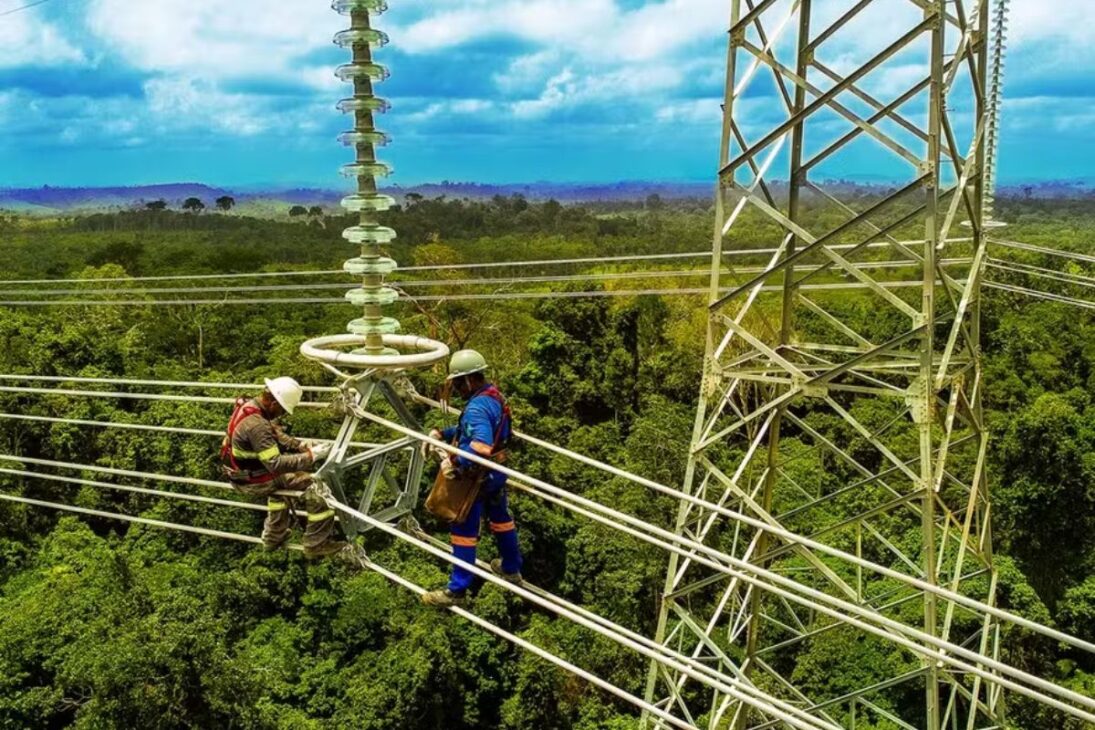
The Entry of State Grid in Brazil Was Strategic and Swift. In 2010, the Company Established Its Local Subsidiary, State Grid Brazil Holding (SGBH), and Immediately Acquired Seven Energy Transmission Concessionaires. In the Following Years, Expansion Continued With Wins in ANEEL Auctions and New Acquisitions.
2014: SGCC, in Consortium with Eletrobras, Won the Concession to Build the Transmission Line for the Belo Monte Hydroelectric Plant. The Ultra High Voltage Project Was a Milestone, Demonstrating Chinese Technological Superiority. The Line Went into Operation in 2017, Two Months Ahead of Schedule.
2017: This Year Marked the Most Aggressive Move. SGCC Acquired Control of CPFL Energia for Approximately US$ 3.4 Billion. With This Transaction, the Company Transitioned From Being a Transmission Specialist to a Diversified Giant, With a Strong Presence in Power Distribution and Generation.
Total Investments: Since 2010, the Chinese State-Owned Giant Claims to Have Invested Over R$ 28 Billion in Brazil.
Is State Grid Really the Largest Energy Company in Brazil?
With the Acquisition of CPFL, State Grid Consolidated Itself as One of the Largest, If Not the Largest, Private Company in the Brazilian Electric Sector.
In 2023, CPFL’s Net Operating Revenue, If Annualized, Would Be Around R$ 39.2 Billion. Adding the Transmission Assets of SGBH, the Chinese Conglomerate Becomes an Unquestionable Force.
However, the Comparison Depends on the Metric. Eletrobras, Even Privatized, Still Has Robust Numbers, With Revenue of R$ 47.4 Billion in 2024.
Neoenergia, Controlled by Spanish Iberdrola, Also Positions Itself as a Major Competitor, With Revenue of R$ 46.7 Billion in 2024.
What Is Undeniable Is That SGCC, in a Short Time, Has Reached the Top, Competing for Leadership With Traditional Players in the Sector.
How Quality of Power That Reaches Your Home Improved
The Arrival of State Grid Brought a Cycle of Massive Investments in Modernization. CPFL Paulista, One of the Group’s Distributors, Announced an Investment Plan of R$ 10.2 Billion for the Period from 2025 to 2029.
This Capital Injection Reflected in Service Quality. In ANEEL’s 2024 Rankings, CPFL Santa Cruz Took First Place Among the Large Distributors in the Country. CPFL Paulista Also Rose Seven Positions in the Same Ranking.
These Indicators, Which Measure Continuity and Quality of Supply, Suggest That SGCC’s Financial Capacity and Management Are Positively Contributing to Operations in Brazil.
The Implications of Having a Chinese State-Owned Giant Controlling a Strategic Sector
The Presence of State Grid in Brazil Is a Complex Phenomenon. On One Hand, the Chinese State-Owned Giant Brings Crucial Investments, Cutting-Edge Technology, and Operational Improvements, Filling a Historical Infrastructure Deficit in the Country.
The Company Also Commits to Socioeconomic Development, Supporting Cultural Projects and Being Certified as a “Great Place to Work.”
On the Other Hand, the Concentration of Such a Critical Sector in the Hands of a Single Foreign State Entity Raises Debates About National Sovereignty and Energy Security.
The Expansion of SGCC Aligns With the Chinese Government’s “Go Out” Strategy, Aiming to Expand Its Global Influence.
Although It Operates Under Strict Regulation by ANEEL, the Bargaining Power of a Player of This Magnitude Cannot Be Ignored. The Challenge for Brazil Is Balancing the Attraction of Essential Investments With the Protection of Its Long-Term Strategic Interests.








-

-

3 pessoas reagiram a isso.