





 Portuguese
  English
  Spanish
  4 min of reading
  0 comments


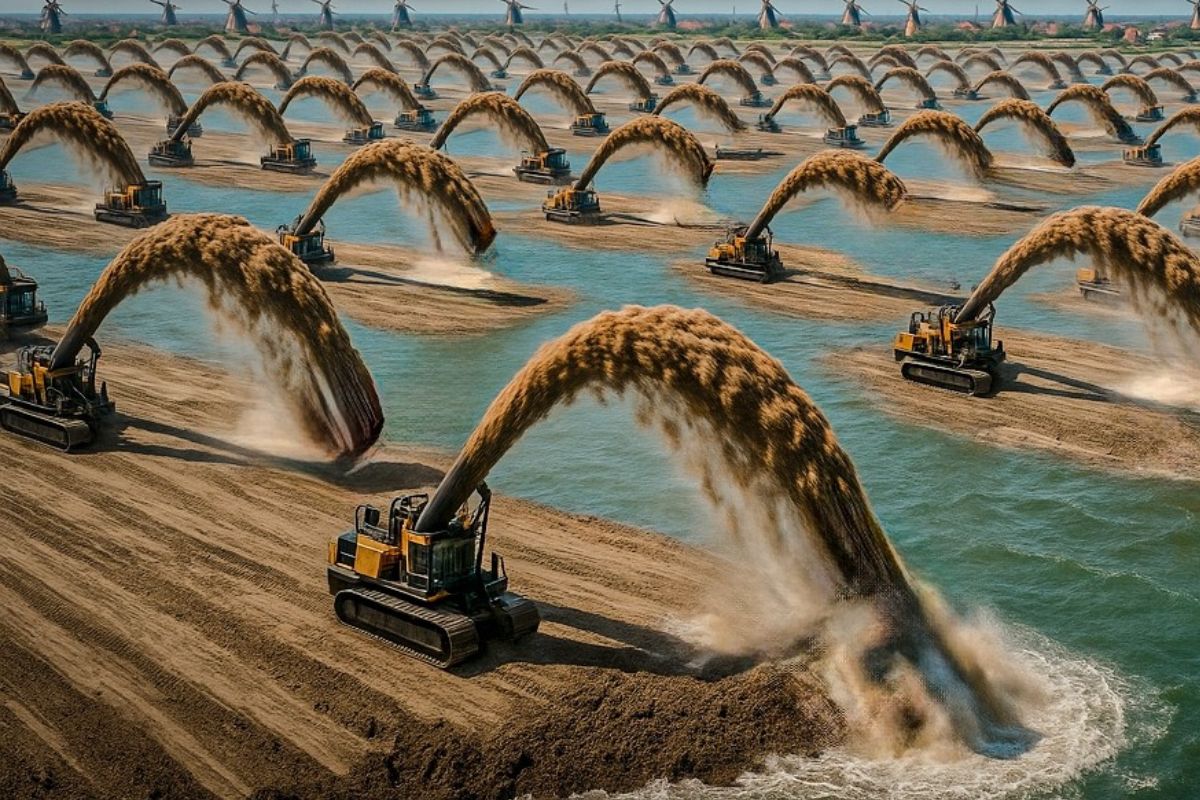
With a Good Part of the Territory Below Sea Level, the Netherlands Not Only Protected Itself from Water, but Developed One of the Most Advanced and Productive Agricultural Systems on the Planet, Becoming a Global Reference.
Living under the constant threat of water is the reality of the Netherlands, officially known as the Netherlands. With a significant portion of its territory located below sea level, the country has learned over the centuries not only to coexist with the risk of floods but also to transform this adversity into a driving force for innovation.
The result of this struggle and ingenuity is astonishing: even with limited space and a challenging climate, the Netherlands has become a giant in food production and exportation, such as tomatoes, peppers, and award-winning cheeses, an achievement that continues to impress the world.
Netherlands: The Secular Battle for Land in a Country Below Sea Level
Since ancient times, the inhabitants of the Netherlands understood that surviving in their geography required strict control of the tides. About one-third of the country is below sea level, and even the areas on solid ground suffer from frequent floods. To protect themselves from the invasion of saltwater, the Dutch created an <strong absurdly complex system of dikes, canals, and pumping stations.
-
A rural producer from Urubici cries as he shows 50 tons of plums thrown on the ground because no one wanted to buy them, and in desperation, he records a video asking anyone to come to the property to pick the fruits before they rot.

-
Unable to pass through Hormuz, Brazil activated a plan B that uses Turkey as a gateway to the Middle East: the route through Gibraltar and the Mediterranean is longer and more expensive but ensures that chicken, beef, and corn continue to reach Arab markets.

-
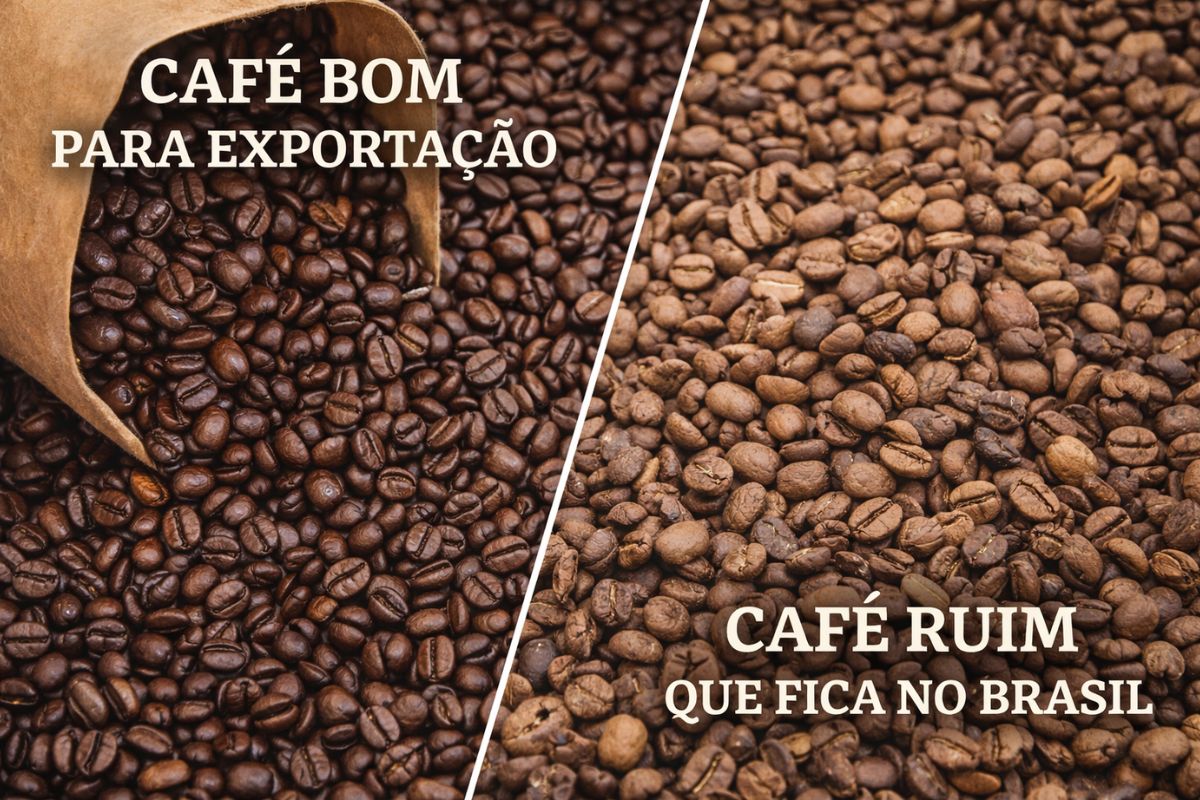
You grew up hearing that the good coffee from Brazil goes all abroad and the bad coffee stays for Brazilians, but this story has completely changed, and the numbers show that in the 1980s, thirty percent of the coffee sold here was adulterated with corn and barley.
-
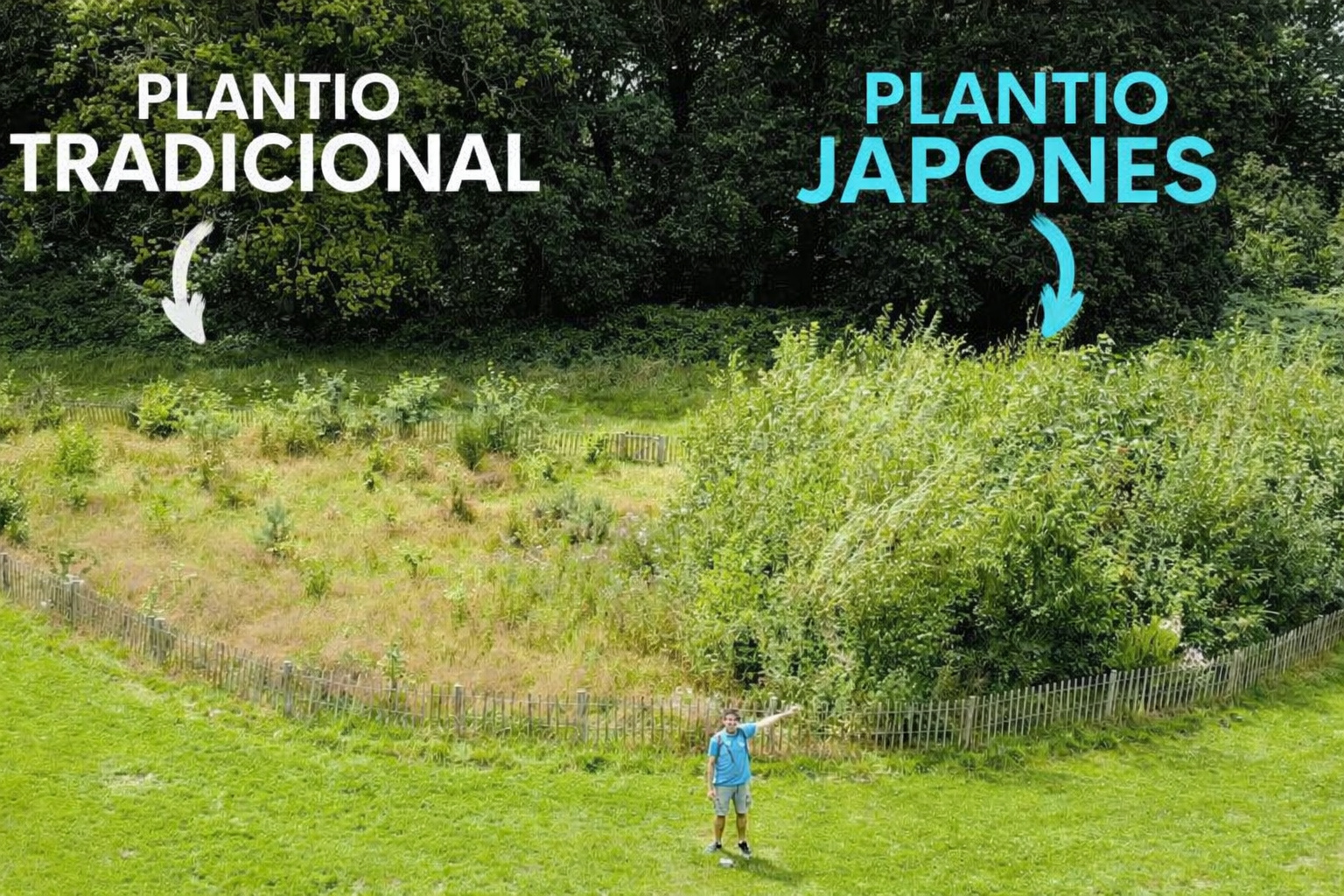
Engineer creates reforestation method that transforms small plots into dense forests in a few years using local biomass and can reduce environmental recovery costs.

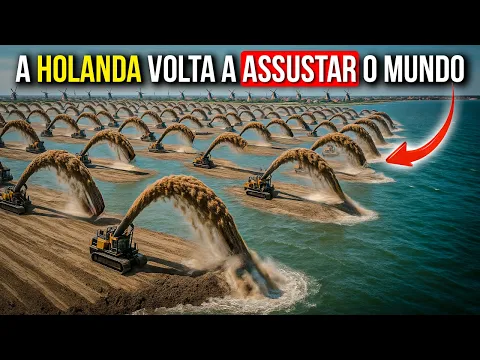
Entire cities were built in areas that were once open sea, thanks to the technique of poldering: encircling a body of water with dikes and gradually draining it until the soil became firm. During the 20th century, the Netherlands continued to gain land from the sea, transforming flooded areas into productive polders, essential for agriculture, livestock, and urban expansion.
The Precision Agriculture That Defines the Netherlands
Gaining land was only part of the challenge. The newly drained soil was often brackish and not very fertile, and the Dutch climate, with cold temperatures, little sunlight, and constant rain, did not help. The solution found in the post-war period was to create the climate itself inside greenhouses. What started simply evolved into “glass seas”, like in the Westland region, where enormous complexes control every detail: temperature, humidity, CO2, and lighting.
It is within these greenhouses that the Netherlands applies precision agriculture. A large part of the production is hydroponic or aeroponic, with plants growing without direct contact with the soil, receiving nutrients in a controlled manner. The results are impressive: tomato yields reaching 70 kg per square meter per year, up to ten times more than open-field cultivation, with drastically reduced water consumption and intelligent reuse. Pest control prioritizes biological methods, such as predatory insects and bees for pollination.
The Engine of Agricultural Innovation
The agricultural success of the Netherlands would not be possible without an essential pillar: science, embodied by the Wageningen University (WUR). Globally recognized, WUR is an engine of innovation, developing everything from super-productive and resilient seeds to advanced water management techniques and precision cultivation systems. Its research is not limited to the farm, optimizing supply chains and proposing paths for more sustainable production.
Another secret is collaboration. Producers share experiences, divide costs, and test solutions together, with one’s success serving as a reference for others. This cooperative mindset, connected to research and government, has allowed the Netherlands to turn challenges into competitive advantages.
Highlighting Sectors and Surprising Innovations in Netherlands Agriculture
Although famous for its tulips, which generate billions of euros, the agriculture of the Netherlands goes far beyond that. The export of vegetables such as tomatoes, peppers, and cucumbers, cultivated in greenhouses, supplies all of Europe. Potatoes and onions are also exported on a large scale. In the dairy sector, cheeses like Gouda and Edam are world-renowned, a result of a highly technological livestock industry, with robotic milking and individual animal monitoring.
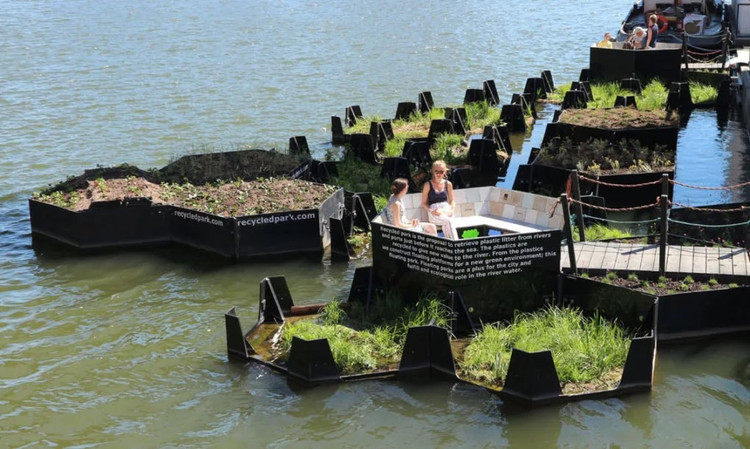
A notable innovation is the floating farm inaugurated in 2019, featuring three floors for cows, manure treatment, and rainwater collection. The structure is almost self-sufficient, generating solar energy, purifying water, and turning manure into fertilizer. Even without a tropical climate, the Netherlands produces strawberries and other fruits in adapted greenhouses, competing in quality and productivity.
Environmental Challenges

The intensive agricultural success of the Netherlands has also generated environmental challenges. The excess nitrogen, arising from fertilizers and livestock, has become a critical issue, leading the government to adopt stringent control measures. Surface water pollution from pesticides and fertilizers is another delicate point, despite advances in precision agriculture.
In light of this, the Netherlands seeks an even more circular agriculture, with less waste, more reuse, and clean energy. Heated greenhouses powered by geothermal energy or solar panels are becoming increasingly common, as well as the use of biogas from organic waste. The reduction of greenhouse gases from intensive livestock is also under discussion, with pressure for smaller and more efficient herds. The Netherlands understands that caring for the environment is crucial for the continuity of its agricultural success.






Seja o primeiro a reagir!