





 Portuguese
  English
  Spanish
  14 min of reading
  26 comments


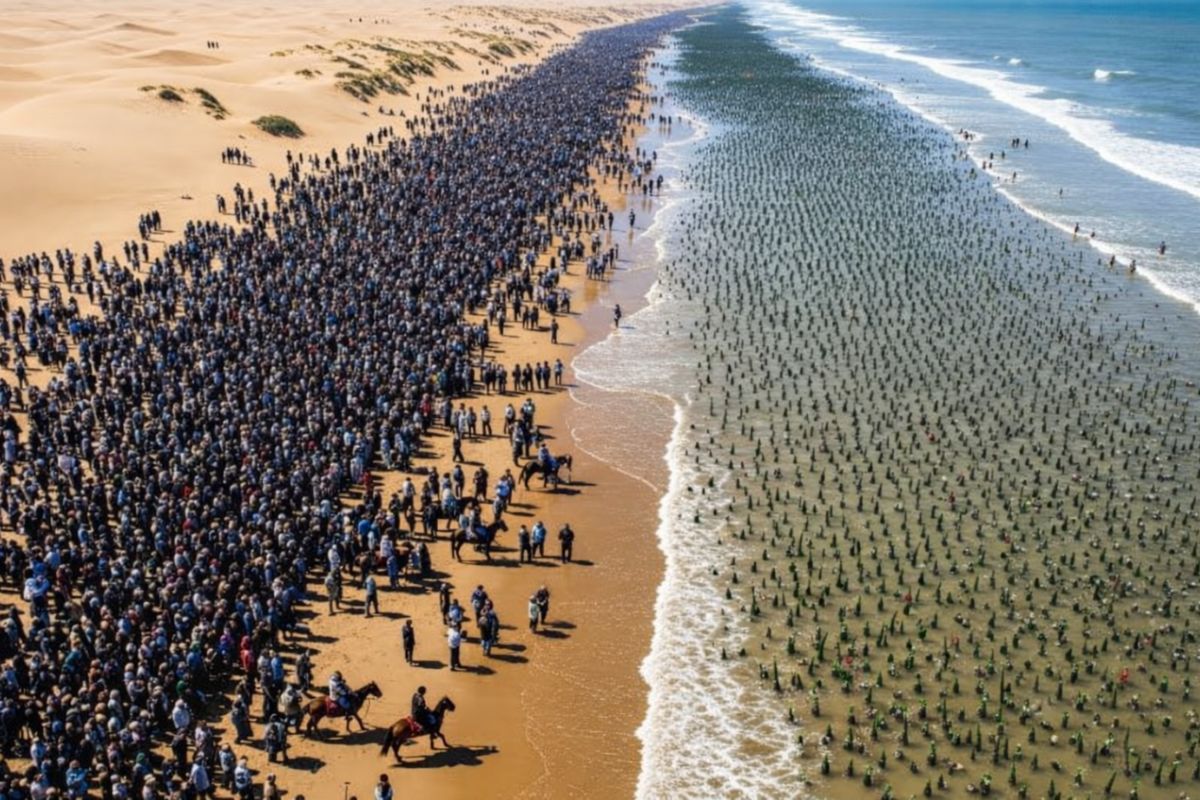


Understand How Recycled Christmas Trees Become Coastal Dunes, Slow Coastal Erosion, Help Combat Climate Collapse, and Continue to Protect Cities.
Every December, millions of Christmas trees end up in living rooms across the United States, shining for a few weeks and then ending up abandoned on sidewalks. But in Texas, a portion of these trees gets an unexpected second life: they return to the beach, become living dunes, and end up protecting entire cities from the ocean, hurricanes, and climate collapse.
Since the 1980s, coastal programs have started collecting discarded trees, burying these pines along the sandy area and letting nature do its work. A few years later, where there was once only eroding coastline, appear stronger dune strings, restored wetlands, and wildlife returning home. It’s a real example of how Christmas waste is protecting cities, entire ecosystems, and billions of dollars in infrastructure.
A Coast in Despair on the Hurricane Firing Line
If you want to see what a struggling coast looks like, just look at the Texas coastline over the past few decades. This is the coastal area experiencing one of the fastest erosions in the United States, and the problem doesn’t come from a single villain. It’s a perfect storm of factors building up year after year.
-
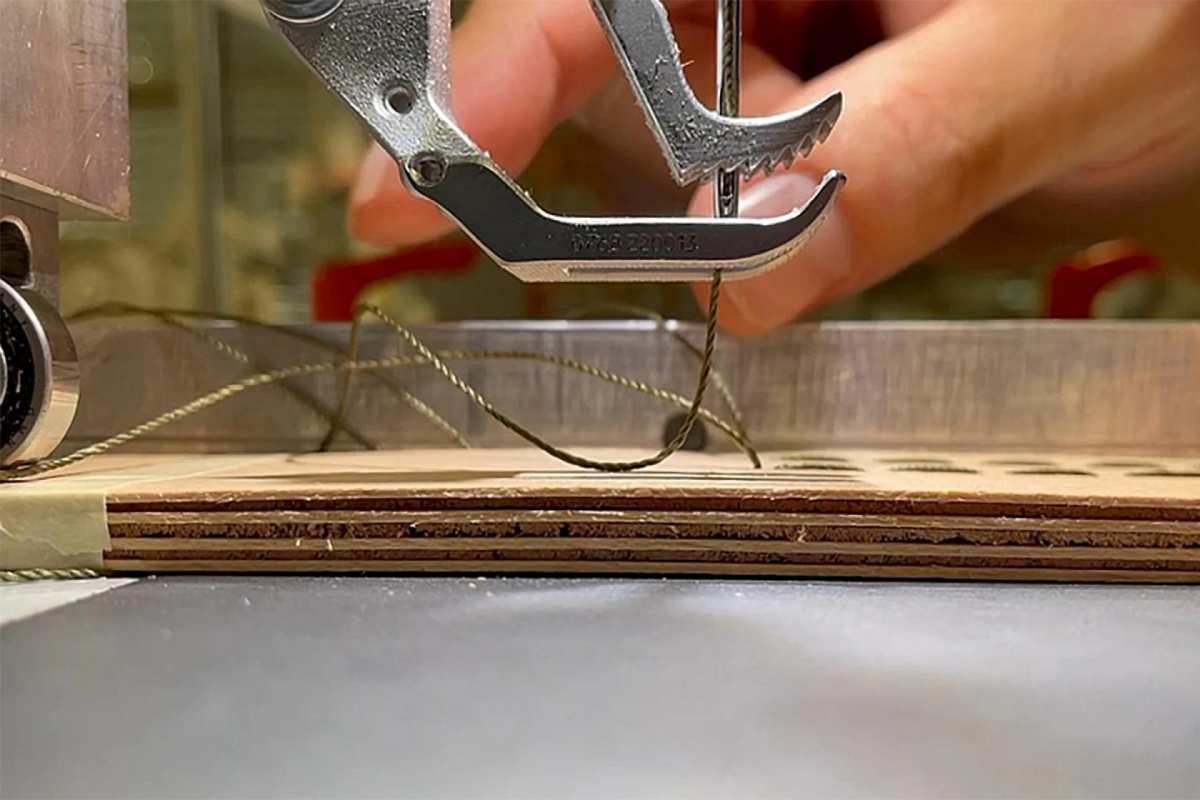
A simple stitch in wood with nylon thread can reduce adhesives, speed up production, and make sheets up to 4 times stronger and 14 times more difficult to break.
-
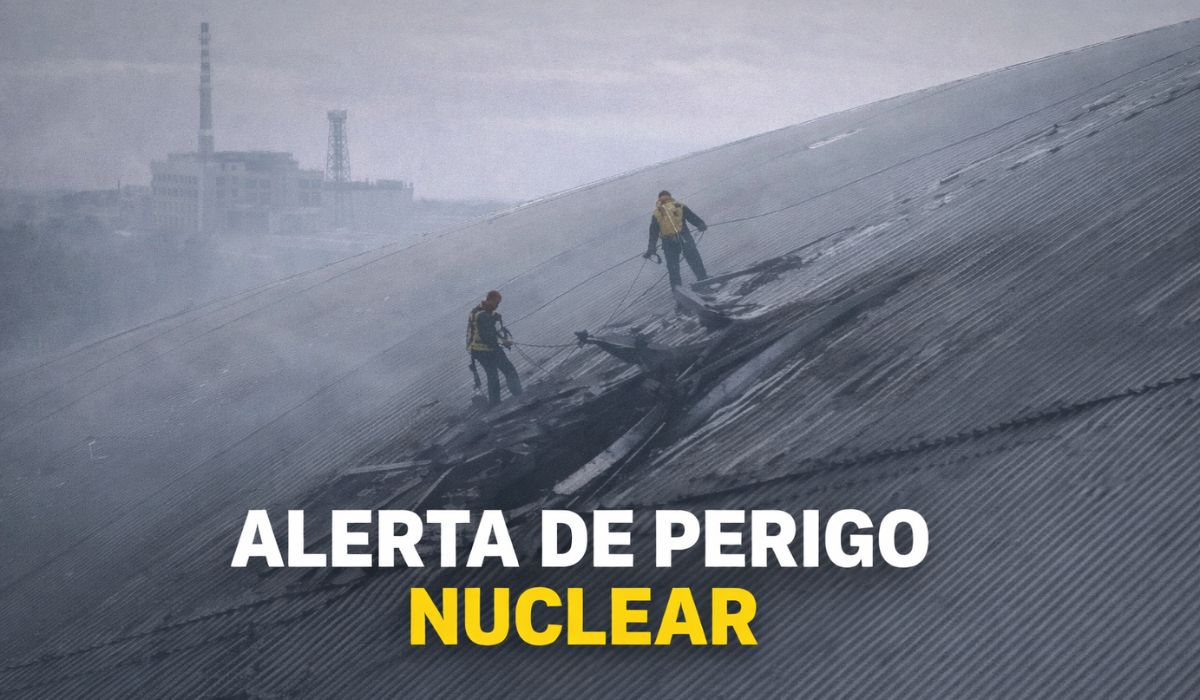
The gigantic steel shell built to contain Chernobyl for a century has been pierced by a drone, exposing a critical system and creating a hole that could cost over 500 million euros to repair.
-
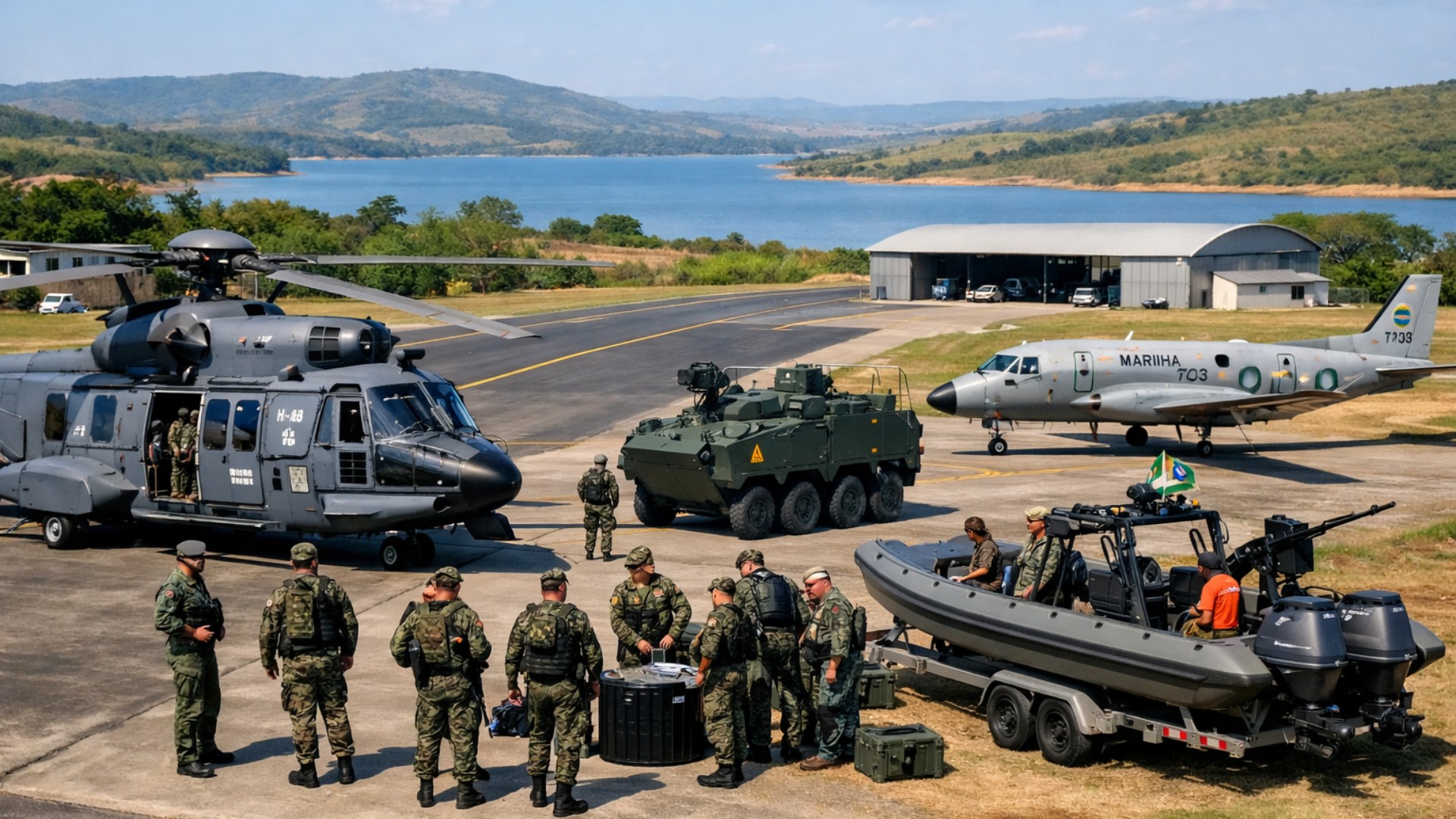
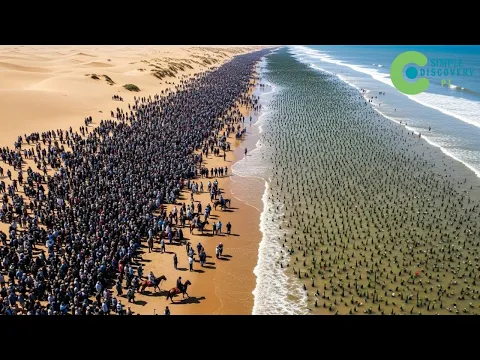
Brazilian Navy reaches a new level by taking over an airport with a 1,600-meter runway used by 1,800 military personnel and autonomous attack drone testing.
-
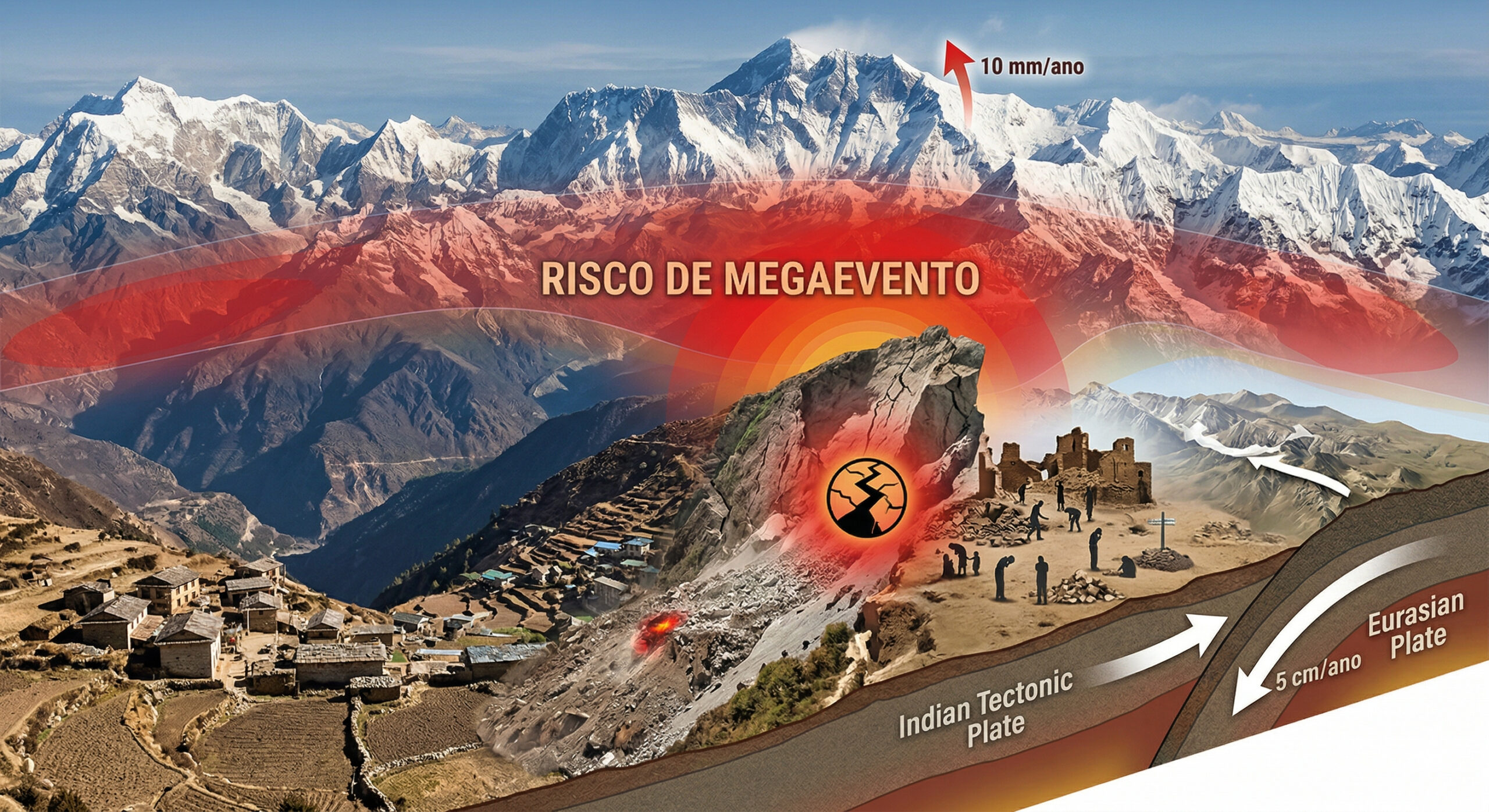
The Himalayas continue to grow to this day, with tectonic plates advancing 5 cm per year, mountains rising up to 10 mm annually, and the 2015 earthquake that killed 9,000 people may have increased the risk of an even larger seismic mega-event.

It all starts with basic erosion. Each strong wave carries some sand back out to sea. High tides take what remains, and storms can simply wipe out entire dunes overnight.
In Texas, the effect is even more aggressive, because the state is practically facing the storms of the Gulf of Mexico. If there’s a hurricane in the Gulf, Texas is almost always in the firing line.
Moreover, the Texas coastline has shallow waters, spreading wave energy over a larger area and allowing the impact to reach further.
The result: about 64% of the coast is eroding and, in places like Mata Gorda, the land is receding between 9 and 14 meters a year. Residents report that, in a single summer, the coastline can reach into their backyards.
Humans are worsening the situation. Dams inland hold back the sediment that should nourish the beaches, leaving the coast starved for sand.
At the same time, the ground in areas like Houston-Galveston is sinking a few centimeters every year due to groundwater extraction, while sea levels continue to rise. When the ground sinks and the ocean rises, the question changes from “if” something will sink to “when”.
The consequences are visible: coastal trees are dying en masse and turning into ghost forests, homes and roads are slowly being swallowed by the sea, and nesting areas for rare turtle species are practically disappearing.
A category 4 hurricane hitting Houston directly could cause damages exceeding 100 billion dollars. In this scenario, protecting cities is not optional; it’s a matter of survival.
From Christmas Waste to Dunes That Hold Back the Sea

It was in this context of near collapse that discarded Christmas trees came into play. In Texas, coastal projects began inviting residents to bring their dry pines to collection points instead of throwing them in landfills.
Trucks then transport these trees to vulnerable stretches of the Gulf Coast, where they are partially buried in the sand, forming aligned rows.
A few months later, something starts to change. Areas previously swept by waves and storms begin to accumulate sand around these dead trees, small mounds appear that grow rapidly, transforming into continuous dunes, sometimes extending for dozens of kilometers.
In just one holiday season, Texas manages to collect around ten thousand trees and create 10 to 16 kilometers of new dunes each year.
After strong storms, the impact is even more evident. In a single day, thousands of trees can be secured on the beach by volunteer teams, allowing an entire stretch of destroyed dunes to be rebuilt before the next hurricane season.
Local conservationists describe this system as the cheapest, fastest, and most efficient solution they’ve seen to hold back the advance of the sea and continue protecting cities.
The benefits go beyond the physical gain of sand. With taller dunes, the force of waves is dissipated before reaching homes, roads, and critical infrastructure.
At the same time, the state saves tens of millions of dollars a year by not having to pump sand with expensive machines and also cuts disposal costs for the trees.
Why The Pine Tree Is a Dune-Building Machine

You may wonder: why use Christmas trees specifically, and not some other heavier, more durable material? The answer lies in the natural engineering of the pine tree. Scientists describe the structure of this tree as a 3D turbulence trap.
The branches grow in a spiral around the trunk, crossing each other and creating hundreds of small voids, like a large three-dimensional net.
When the wind carries sand along the beach, the grains get trapped in these crevices and accumulate gradually.
A single dead pine can capture more sand than an entire wooden fence, and it does this without needing maintenance.
The pine needles also help. They don’t easily absorb water, resist the abrasion from storms, and don’t break apart easily.
While a rigid fence may topple in an extreme event, the tree maintains its structure, lays down, settles in the sand, and continues trapping sediments. Each tree functions as a natural form for the dune, protecting coastal cities even after it dies.
The trunk is another key point. Buried in sand, it decomposes slowly, maintaining the dune structure for one to two years, enough time for the sand to accumulate and native vegetation to begin establishing itself.
During decomposition, the trunk releases nutrients like nitrogen, phosphorus, and potassium, transforming poor sand into soil capable of supporting plants.
This way, grasses and other coastal species develop deep roots that firmly bind the dune.
In two to three years, a dune that started as a pile of Christmas trees transforms into a living dune, as stable as natural formations that would take twice the time to consolidate.
Turtles, Birds, Wetlands, and an Extra Ecological Shield
The dunes built with Christmas trees not only protect homes and roads. They also change the fate of entire species and complete ecosystems.
One of the most striking examples is that of the Kemp’s Ridley sea turtle, considered the rarest sea turtle species in the world.
This species depends on high, dry, and stable dunes for nesting. When Texas lost much of its natural dunes, eggs began to be swept away by water, destroyed by storms, or trampled by people.
With the new dunes shaped by Christmas trees, the survival rate of nests has significantly increased, and records show a 30% to 40% growth in the number of nests in some areas since the recovery projects with trees began.
The coastal flora and fauna reacted quickly. Vegetation returned, seabirds started nesting again, young fish and crabs found refuge in protected areas, and coastal wetlands regained part of their original function.
These wetlands are the true ecological lungs of the Gulf region: they absorb storm energy better than concrete structures and help reduce saltwater intrusion inland.
Studies show that each hectare of wetland can reduce wave energy by 20% to 50% during a storm.
In other words, Christmas trees don’t just act on the front lines: they strengthen an entire chain of ecosystems that continue protecting cities further in, away from the sand, by dampening the impact of storms.
From an economic perspective, the math adds up even more. Previously, Texas spent tens of millions of dollars every year pumping sand to temporarily rebuild beaches.
With the living dunes formed by trees, the state has begun saving tens of millions each hurricane season and gained a lasting solution instead of short-term patches.
The Pine Tree as a Dune-Building Machine
You may wonder: why use Christmas trees specifically, and not some other heavier, more durable material? The answer lies in the natural engineering of the pine tree. Scientists describe the structure of this tree as a 3D turbulence trap.
The branches grow in a spiral around the trunk, crossing each other and creating hundreds of small voids, like a large three-dimensional net.
When the wind carries sand along the beach, the grains get trapped in these crevices and accumulate gradually.
A single dead pine can capture more sand than an entire wooden fence and does this without needing maintenance.
The pine needles also help. They don’t easily absorb water, resist the abrasion from storms, and don’t break apart easily.
While a rigid fence may topple in an extreme event, the tree maintains its structure, lays down, settles in the sand, and continues trapping sediments. Each tree functions as a natural form for the dune, protecting coastal cities even after it dies.
The trunk is another key point. Buried in sand, it decomposes slowly, maintaining the dune structure for one to two years, enough time for the sand to accumulate and native vegetation to begin establishing itself.
During decomposition, the trunk releases nutrients like nitrogen, phosphorus, and potassium, transforming poor sand into soil capable of supporting plants.
This way, grasses and other coastal species develop deep roots that firmly bind the dune.
In two to three years, a dune that started as a pile of Christmas trees transforms into a living dune, as stable as natural formations that would take twice the time to consolidate.
Turtles, Birds, Wetlands, and an Extra Ecological Shield
The dunes built with Christmas trees not only protect homes and roads. They also change the fate of entire species and complete ecosystems.
One of the most striking examples is that of the Kemp’s Ridley sea turtle, considered the rarest sea turtle species in the world.
This species depends on high, dry, and stable dunes for nesting. When Texas lost much of its natural dunes, eggs began to be swept away by water, destroyed by storms, or trampled by people.
With the new dunes shaped by Christmas trees, the survival rate of nests has significantly increased, and records show a 30% to 40% growth in the number of nests in some areas since the recovery projects with trees began.
The coastal flora and fauna reacted quickly. Vegetation returned, seabirds started nesting again, young fish and crabs found refuge in protected areas, and coastal wetlands regained part of their original function.
These wetlands are the true ecological lungs of the Gulf region: they absorb storm energy better than concrete structures and help reduce saltwater intrusion inland.
Studies show that each hectare of wetland can reduce wave energy by 20% to 50% during a storm.
In other words, Christmas trees don’t just act on the front lines: they strengthen an entire chain of ecosystems that continue protecting cities further in, away from the sand, by dampening the impact of storms.
From an economic perspective, the math adds up even more. Previously, Texas spent tens of millions of dollars every year pumping sand to temporarily rebuild beaches.
With the living dunes formed by trees, the state has begun saving tens of millions each hurricane season and gained a lasting solution instead of short-term patches.
The Pine Tree as a Dune-Building Machine
You may wonder: why use Christmas trees specifically, and not some other heavier, more durable material? The answer lies in the natural engineering of the pine tree. Scientists describe the structure of this tree as a 3D turbulence trap.
The branches grow in a spiral around the trunk, crossing each other and creating hundreds of small voids, like a large three-dimensional net.
When the wind carries sand along the beach, the grains get trapped in these crevices and accumulate gradually.
A single dead pine can capture more sand than an entire wooden fence and does this without needing maintenance.
The pine needles also help. They don’t easily absorb water, resist the abrasion from storms, and don’t break apart easily.
While a rigid fence may topple in an extreme event, the tree maintains its structure, lays down, settles in the sand, and continues trapping sediments. Each tree functions as a natural form for the dune, protecting coastal cities even after it dies.
The trunk is another key point. Buried in sand, it decomposes slowly, maintaining the dune structure for one to two years, enough time for the sand to accumulate and native vegetation to begin establishing itself.
During decomposition, the trunk releases nutrients like nitrogen, phosphorus, and potassium, transforming poor sand into soil capable of supporting plants.
This way, grasses and other coastal species develop deep roots that firmly bind the dune.
In two to three years, a dune that started as a pile of Christmas trees transforms into a living dune, as stable as natural formations that would take twice the time to consolidate.
Turtles, Birds, Wetlands, and an Extra Ecological Shield
The dunes built with Christmas trees not only protect homes and roads. They also change the fate of entire species and complete ecosystems.
One of the most striking examples is that of the Kemp’s Ridley sea turtle, considered the rarest sea turtle species in the world.
This species depends on high, dry, and stable dunes for nesting. When Texas lost much of its natural dunes, eggs began to be swept away by water, destroyed by storms, or trampled by people.
With the new dunes shaped by Christmas trees, the survival rate of nests has significantly increased, and records show a 30% to 40% growth in the number of nests in some areas since the recovery projects with trees began.
The coastal flora and fauna reacted quickly. Vegetation returned, seabirds started nesting again, young fish and crabs found refuge in protected areas, and coastal wetlands regained part of their original function.
These wetlands are the true ecological lungs of the Gulf region: they absorb storm energy better than concrete structures and help reduce saltwater intrusion inland.
Studies show that each hectare of wetland can reduce wave energy by 20% to 50% during a storm.
In other words, Christmas trees don’t just act on the front lines: they strengthen an entire chain of ecosystems that continue protecting cities further in, away from the sand, by dampening the impact of storms.
From an economic perspective, the math adds up even more. Previously, Texas spent tens of millions of dollars every year pumping sand to temporarily rebuild beaches.
With the living dunes formed by trees, the state has begun saving tens of millions each hurricane season and gained a lasting solution instead of short-term patches.
The World Copying the Idea of Christmas Trees
Although Texas has become one of the biggest symbols of this solution, the idea did not originate there. The first to use Christmas trees as a natural barrier were communities in Louisiana, a state facing the worst erosion crisis in the entire United States.
Since the 1930s, over 5,000 square kilometers of land have disappeared in the Gulf, equivalent to a small country.
Still in the late 1980s, Louisiana began placing tens of thousands of discarded pines along the edges of swamps destroyed by hurricanes, rising seas, and oil exploitation. The trees began retaining sediments, capturing mud, and accelerating recovery in areas where traditional methods had failed.
In some places, regeneration was four to five times faster than with artificial solutions. Every year, Louisiana collects 40 to 50 thousand Christmas trees, creating over 200 kilometers of natural barriers to protect swamps and wildlife.
From these examples, other states adapted the technique. Alabama used Christmas trees to recover beaches after major hurricanes, North Carolina experimented with artificial pine reefs to favor fish, and New Jersey reconstructed stretches of beach after Hurricane Sandy using trees as sand trapping fences. In all cases, discarded trees became ecological infrastructure protecting cities and villages.
Outside the Gulf of Mexico, entire countries transformed the “Christmas waste” problem into creative solutions.
In Germany, millions of trees are collected and taken to biomass plants, where they become heat and electricity, as well as high-quality compost.
In France, cities use shredded trees as organic cover in parks, reducing water evaporation during heat waves.
In the United Kingdom, trees are installed crosswise in streams, forming natural barriers that reduce water force and help control flooding in downstream communities.
In Denmark and Canada, pines are turned into everything from agricultural compost to snow barriers on roads, cutting removal costs.
Each place found its own way to reuse a symbol of festivities, but the goal remains the same: to avoid waste and turn Christmas trees into real solutions for energy, environment, and, in many cases, to protect cities from extreme events.
The Limit of Trees: Protecting Cities for a Time, Not Forever
No matter how impressive they are, the dunes created from Christmas trees have clear limits. They work very well as the first line of defense, reducing the impact of moderate storms, holding back erosion, and buying time.
But in the face of a category 4 or 5 hurricane, with sea level rises of several meters, no dune can protect an entire metropolis like Houston, with over six million inhabitants, on its own.
Therefore, Texas knows it needs to go beyond recycling trees. With sinking soil, rising sea levels, and intensifying hurricanes, experts consider the Houston-Galveston area to be the Achilles’ heel of the United States.
A direct impact there wouldn’t just mean flooded homes: it would put a significant portion of the nation’s energy infrastructure at risk, including refineries and strategic petrochemical hubs.
To face this scenario, a mega project of around 30 billion dollars, known as the Ike Dike, has been proposed, named after a devastating hurricane.
The plan calls for a barrier approximately 70 miles long, with gigantic gates that close automatically during storms, as well as submerged levees, artificial reefs, walls, and reinforced dunes. Simulations suggest that the structure could withstand even very rare extreme events.
But the project is surrounded by controversy. The cost is very high, the construction timeline could extend for decades, and environmentalists fear impacts on bays, salinity, fish migration, and entire production chains.
At the same time, doing nothing would mean leaving cities and critical infrastructure without robust protection, relying solely on dunes and natural solutions.
Nature and Engineering Together Buying Time Against Climate Collapse
In practice, the future of Texas and many other coastal regions will not depend on a single solution but rather on a combined package.
On one side are living dunes, wetlands, coastal vegetation, and recycled Christmas trees, flexible like seagrass, protecting cities by absorbing part of the force of storms. On the other side are heavy concrete and steel structures, withstanding the impact that nature cannot absorb alone.
Scientists estimate that, if done well, these living dunes supported by recycled trees, restored wetlands, and coastal vegetation could gain 20 to 40 years of “firm ground” before the ocean advances again. This interval is precious.
It allows time for large works to be completed, for coastal cities to elevate urban areas, for endangered species to recover, and for new adaptation technologies to emerge.
The dunes made with Christmas trees will never make Texas completely safe, but they can make it more resilient, smarter, and less vulnerable to each new hurricane.
In a world of billion-dollar budgets and hyper-complex solutions, seeing a dry pine on the beach helping to hold back the sea and protecting entire cities is a powerful reminder of how nature can be an ally, not just a victim, in the fight against climate collapse.
And now the question for you is: if discarded Christmas trees can already buy time protecting entire cities in Texas, what else do you think we are throwing away today that could become a real solution for the climate tomorrow?





Interessante como os pinheiros estão aguentando a salinidade marinha… infelizmente se tornarão uma Praga… Nada mais vai nascer onde tiver pinheiros… acho que as amendoeiras seriam uma opção bem melhor. Também são exóticas. Porém, ao perder as folhas no inverno permitem que o sol atinja o solo e novas espécies possam se estabelecer… e no verão são um excelente sombreiro… eu não conheço esse local nem o ecossistema, mas entre o mar e a areia deveria resistir uma restinga… não?
Sin duda la creatividad y esfuerzo de muchas personas podrá lograr cambiar el ecosistema y dar esperanza a lugares que se destruyen con ciclones y huracanes.
Mi reconocimiento y felicitación.
Si podemos ayudar, por favor compartan sus ideas
Patricia Contreras
Se puede incluir semillas o germinados de mangle, dependiendo de la distancia es la especie; estos van a crecer y son reguladores de clima, tienen fauna, son lugares de anidación.
Claro solo por áreas, para que las tortugas tengan su anidación que por muchos años han tenido.