





 Portuguese
  English
  Spanish
  4 min of reading


A Turning Point Has Been Reached As Investment In Renewable Energy Technology Gains Momentum While Oil Loses Strength
This year will be remembered as the moment when the long-awaited energy transition, involving the oil industry and the renewable energy sector, gains direction towards a low-carbon future, shifting from a topic of debate to a more substantial change.
- Which European Countries Opened Their Borders During The Pandemic?
- U.S. Multinational In Brazil Launches New Fire Protection Product For Onshore Assets
- Amid The Pandemic, The Construction Market Overcomes The Crisis And Resumes Full Steam Ahead!
This transition from fossil fuels will still take longer than many would like – but the pace of change will surpass current conventional forecasts.
Covid-19 is just one factor in a more complex story. The real driver has been a judgment made by energy businesses – in particular, European-based oil and gas companies like BP, Shell, Equinor, and Total – that, for basic commercial reasons, they need to be on the green side of the future market. This reflects a similar realization among energy-consuming companies in many other industrial sectors.
-
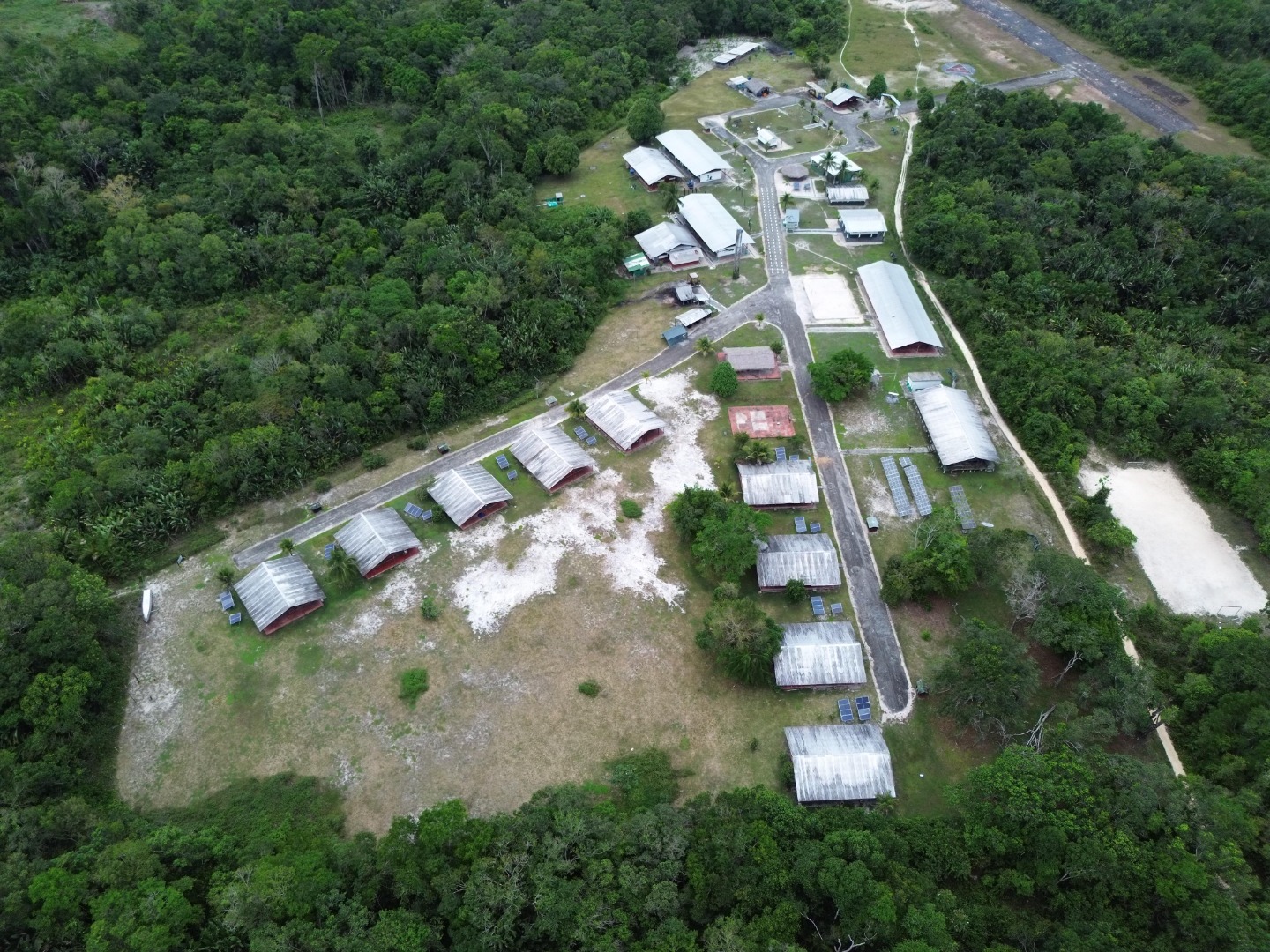
The Ministry of Defense installs a giant photovoltaic plant and ensures a stable supply of clean energy in Maturacá, in the Amazon.
-
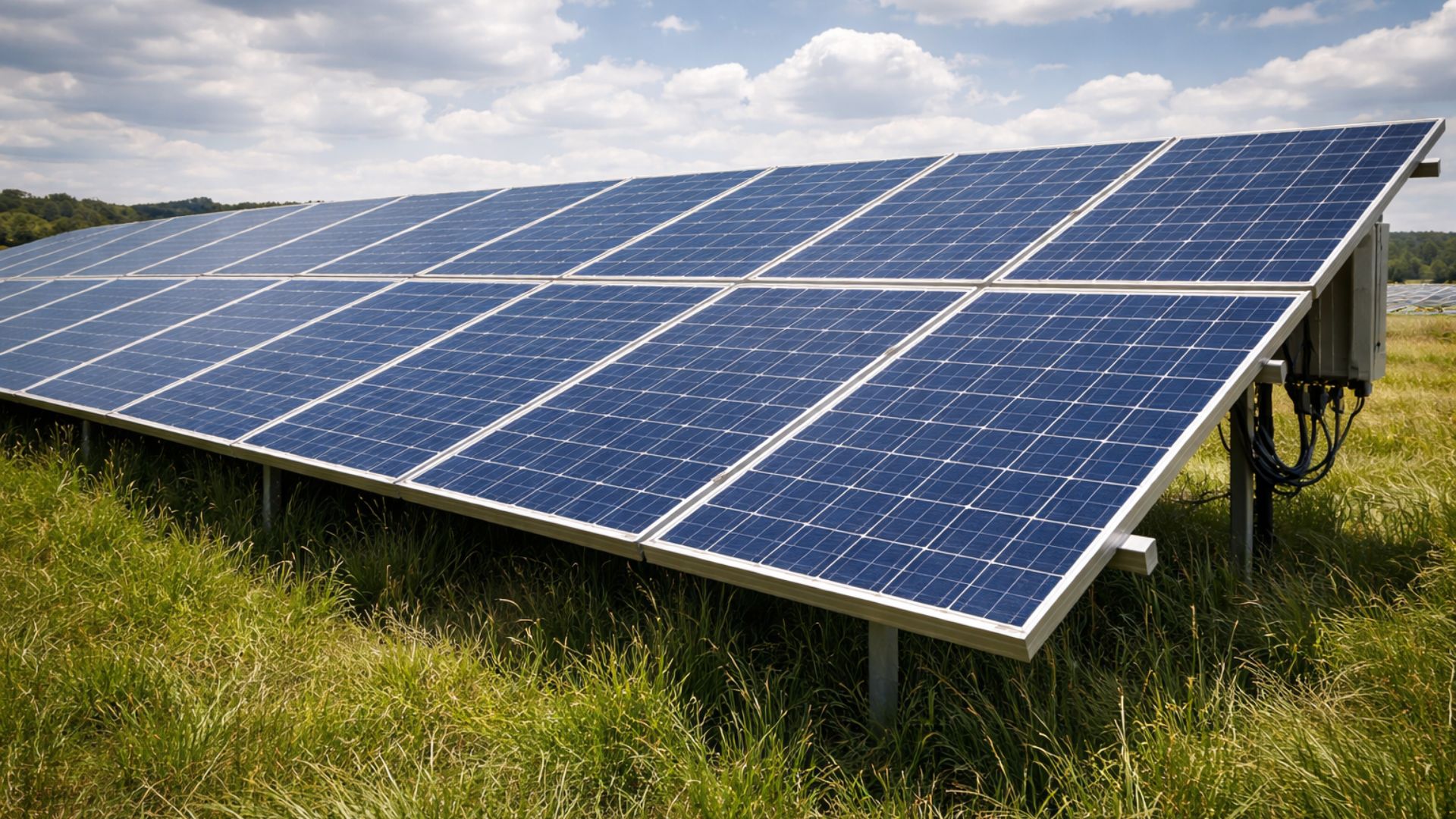
Itaipu receives proposals in the renewable energy tender and reinforces the role of public universities in the energy transition with projects that can reduce costs, increase academic investments, and accelerate sustainable innovation in the country.
-
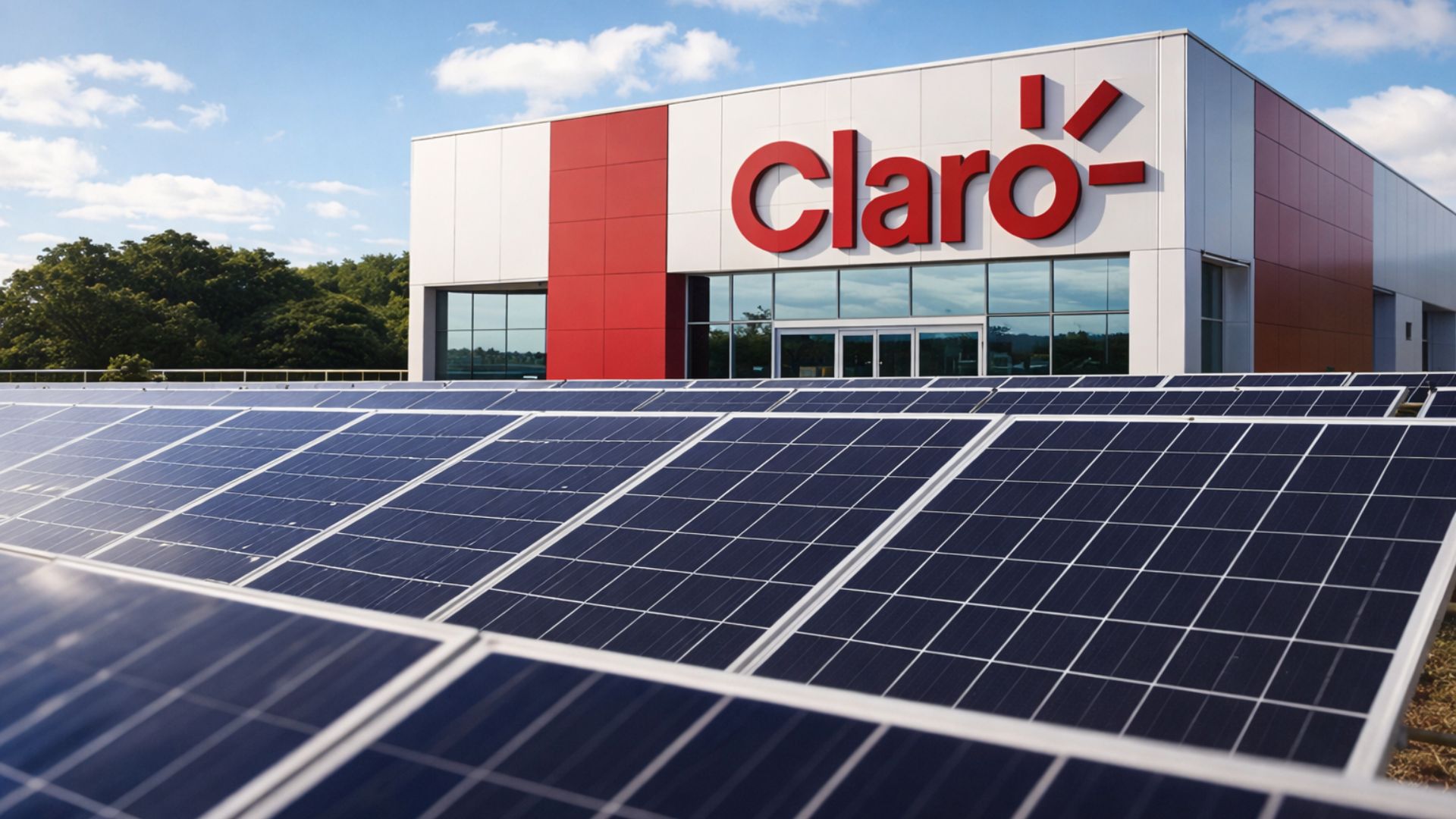
Claro operator reveals a silent change with hundreds of clean energy plants and shows how sustainability is impacting over 80% of its operations in Brazil.
-
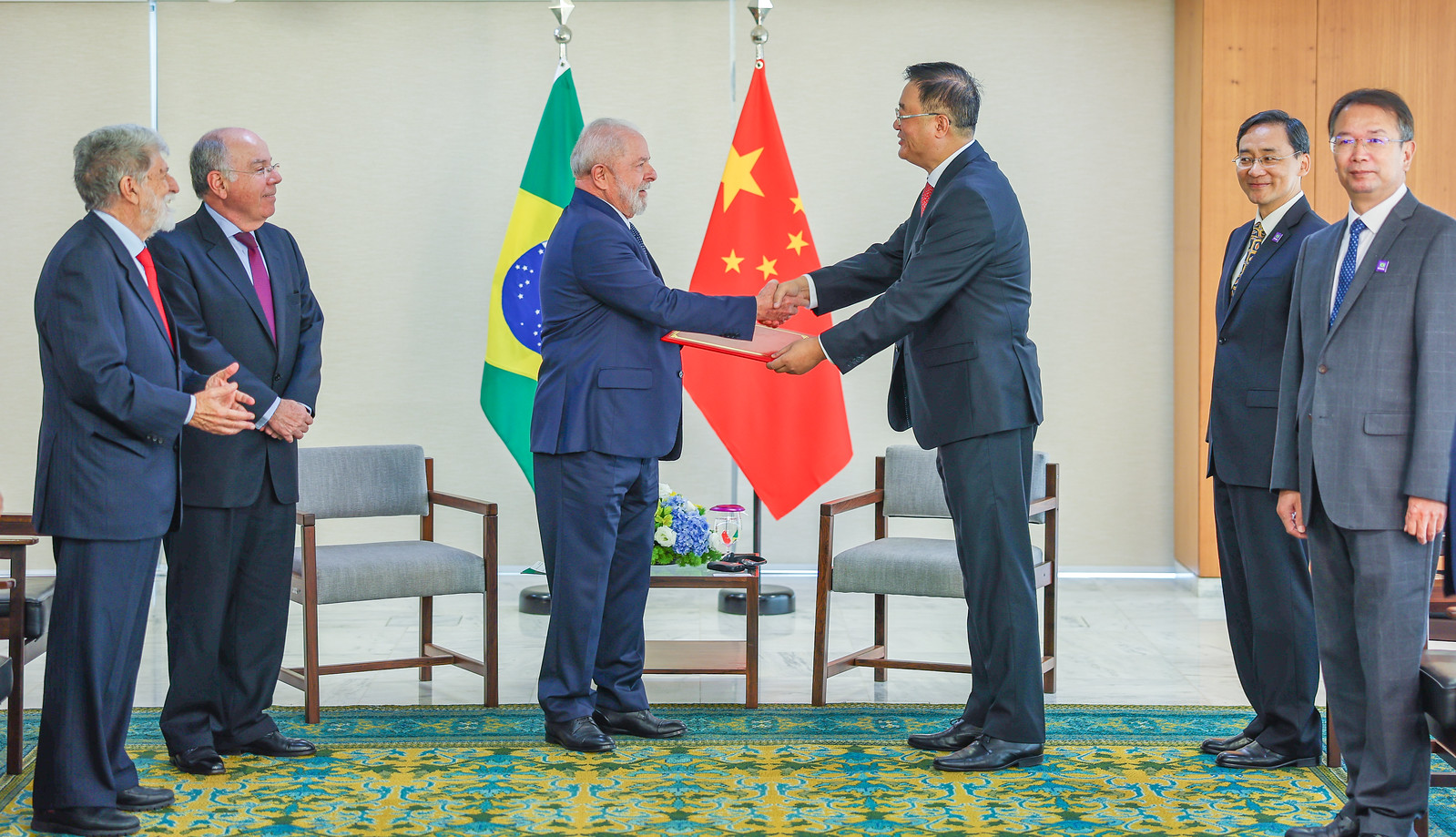
Billion-dollar strategic alliance: Brazil and China join forces in infrastructure and technology projects to lead the creation of a global green corridor in the energy transition.
Resisting the path of renewable energies has been recognized as a futile and poor business. The new thinking has emerged now because the OPEC cartel has lost its ability to control oil prices, thanks to the emergence of a sustained surplus of potential supply over demand.
Oil and gas prices have been declining since 2014. The recession that followed the Covid-19 outbreak further reduced prices this year. The result was a significant reduction in assets – US$ 22 billion alone for Shell – and the realization that several planned projects are no longer commercially viable.
Obviously, oil is still necessary. Demand cannot be easily replaced in areas like shipping or air transport. But with prices constrained by the ready availability of supplies – mainly from the U.S. shale sector and producers desperate for revenue – investments in developing resources that require higher sustainable prices to be commercially viable will be difficult for many international oil and gas companies to justify.
The reserves that can be developed at current prices are concentrated in the Middle East and other unstable areas like Venezuela and Libya. Almost all these supplies are controlled by state-owned companies and, therefore, inaccessible to international firms.
Dependence on such areas is likely to grow, but it will be strategically unappealing for importing countries. The U.S. may have achieved effective self-sufficiency, but Europe and Asia, which now import 50% of all internationally traded oil, remain reliant on external suppliers. Countries like China, which imports 12 million barrels per day, Japan (3.7 million barrels/day), and India, whose imports have increased two-thirds to over 5 million barrels/day in the last decade, are the most vulnerable.
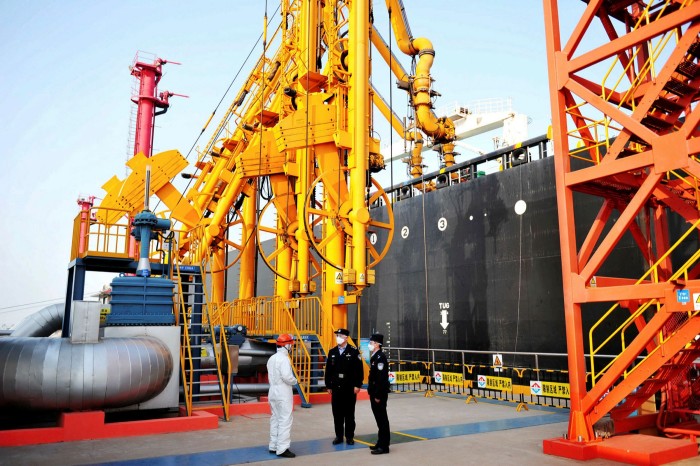
Energy security, not to mention climate concerns, will drive the desire to maximize the production of clean energy. China’s dominance in some of the newest and greenest energy technologies – from wind and solar power to advanced grids – is evidence of Beijing’s discomfort with dependence.
These are the markets in which existing energy businesses will now compete. The process is not easy. These companies need to ride two horses. They must harvest revenue from existing oil and gas assets while simultaneously deciding which elements of the low-carbon energy market offer attractive future returns.
Hydrogen, energy storage, and even a new generation of low-cost nuclear facilities are all possibilities. The same goes for the infrastructure – from grids to charging systems – essential to meet new supplies and demands. A shift in mindset is also needed. After decades of focusing on production, companies must adjust to a market where consumer choices dictate what is delivered and how.
In many ways, some of these companies are ahead of governments that, in the last decade, have spent most of their time trying to establish indescribable global agreements on emission reductions.
However, there are signs that the focus has shifted to the industrial challenge and the race for competitive advantages in a new energy environment shaped by knowledge and technology, rather than by resource endowment.
China currently holds an advantage but will face competition from Japan, Germany, and the UK, where corporate investors will secure support from increasingly concerned governments regarding Chinese ambitions.
All these developments undermine many conventional long-term forecasts of the energy mix. Hydrocarbons – oil, gas, and coal – accounted for 80% of global energy demand last year, according to the latest BP Statistical Review. This percentage has barely changed in the last two decades. The consensus is that hydrocarbons will still account for 70% or more in 10 or 20 years.
But the shift in commercial priorities will change the timeline. Covid-19 did not usher in a new green world order, but its impact on the energy market has forced a reassessment of commercial realities.
The latest report from the International Renewable Energy Agency shows that this year, for the first time in history, global investment in renewables is surpassing investment in oil and gas.
The stage appears set for a much faster transition than previously thought, comparable in speed and scope to the IT revolution of the last two decades.








Seja o primeiro a reagir!