





 Portuguese
  English
  Spanish
  5 min of reading
  7 comments


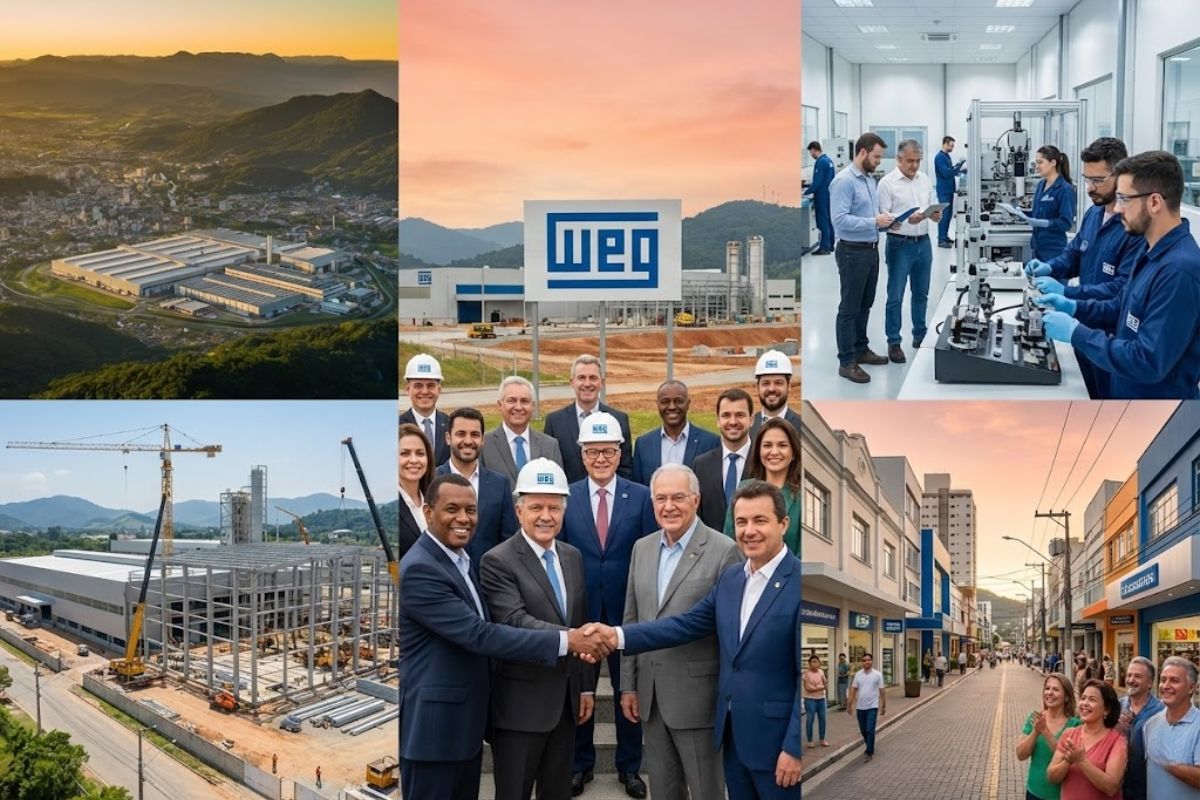


Jaraguá do Sul, a Brazilian city of 130,000 inhabitants, witnessed the birth of WEG, a giant in engines and energy that created dozens of super-rich individuals and now announces nearly R$ 1 billion in a new factory in Guaramirim, a neighboring municipality of 50,000 residents, promising jobs, income, and infrastructure for all.
On Tuesday (16), the 50,000 residents of Guaramirim, a Brazilian city in Santa Catarina, were surprised by the news of an investment of nearly R$ 1 billion in the construction of a new WEG factory, expected to start operating in 2026. The money does not come from China nor from the offices of Faria Lima, but from Jaraguá do Sul, a neighboring municipality just 20 minutes away.
With around 130,000 residents and a quiet routine, Jaraguá do Sul gained recent fame as a factory of billionaires thanks to WEG. In 2025, Forbes listed around 30 super-rich individuals connected to the city, and even after the tariff imposed by Donald Trump between August and September, the company reported a net profit of R$ 1.65 billion in the third semester, an increase of 4.5% over the previous year.
From a Quiet Brazilian City to a Factory of Billionaires
Jaraguá do Sul has always been seen as an organized, industrial, yet discreet interior city. However, in recent years, this Brazilian city has begun to be associated with the mass production of billion-dollar fortunes, driven directly by the trajectory of WEG.
-
Elderly individuals aged 65 or older who have never contributed to the INSS can receive R$ 1,621 per month in 2026 without having paid any contributions in their lifetime: learn how the benefit works that already supports nearly 7 million Brazilians.

-
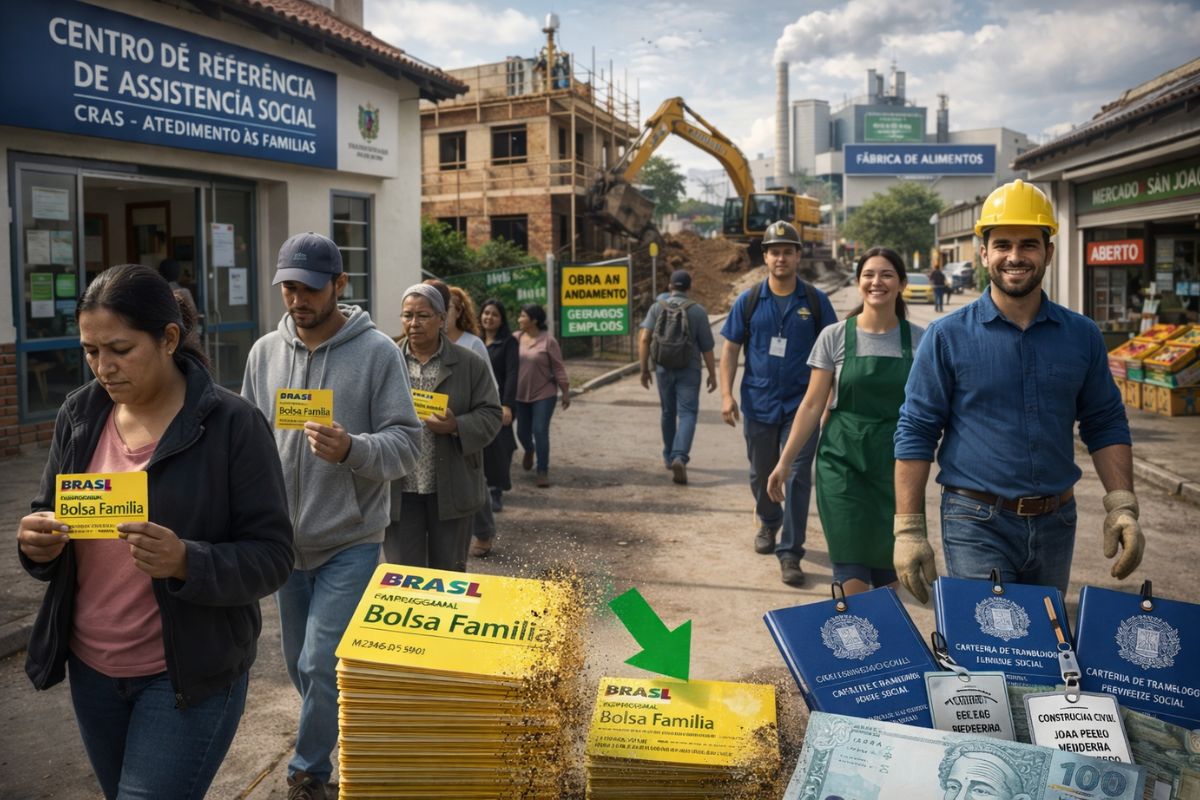
The gaucho city reduced the number of Bolsa Família beneficiaries by almost 40% in just a year and a half with active outreach that connects each registered person directly to job vacancies in Bento Gonçalves in Rio Grande do Sul.
-
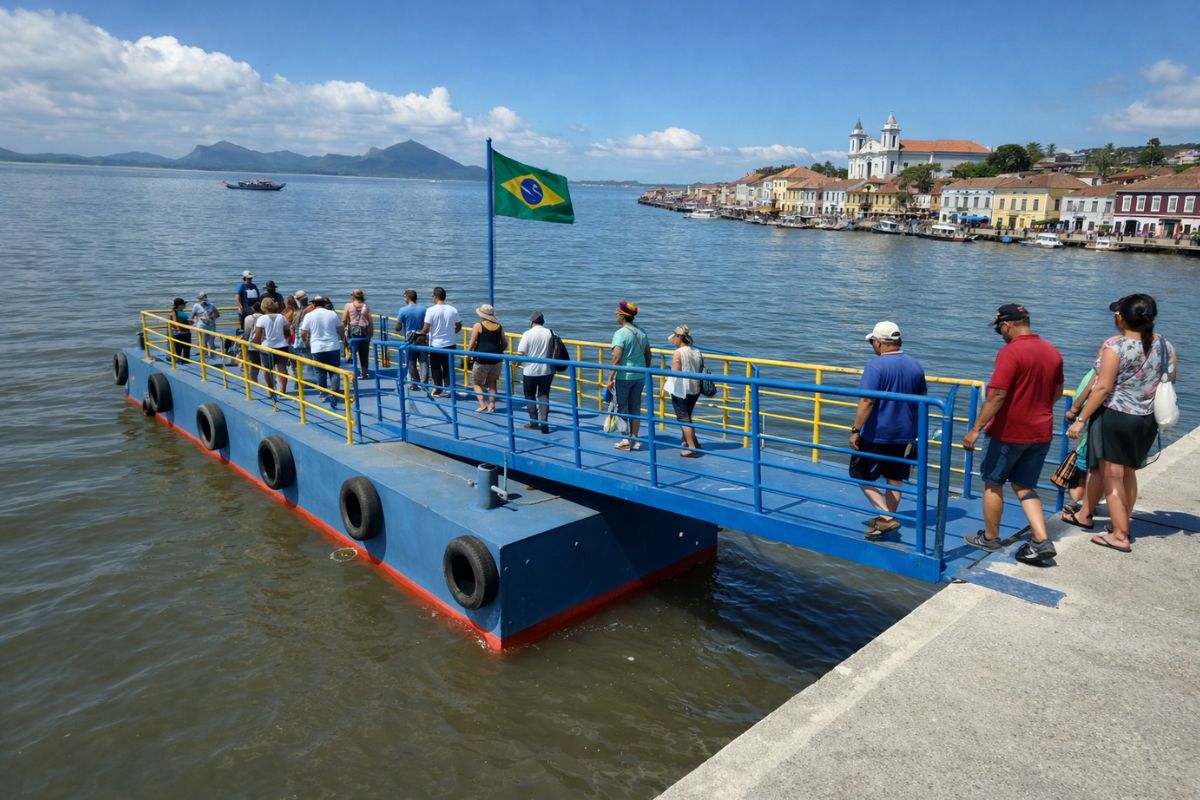
The bluest city in Brazil has just gained a new floating bridge for the free crossing between the island and the mainland, connecting residents and visitors to the historic center of São Francisco do Sul every day of the week.
-
In a silent race, Shopee signs a mega contract in Guarulhos and accelerates the e-commerce war with faster deliveries, pressured shipping, and a new threat to rivals in Brazil.

According to Forbes, around 30 billionaires and millionaires with roots in Jaraguá do Sul appeared on the list of the richest people in the country in 2025.
This data solidified the image of the municipality as a sort of “factory of billionaires,” transforming a Santa Catarina industrial hub into a symbol of family wealth built over decades.
This movement has not only changed local prestige. Other cities have begun to compete for WEG’s attention, looking for factories, jobs, and revenue, including Araucária and Massaranduba.
It was in this context of quiet competition that Guaramirim entered the company’s radar and was chosen to receive nearly R$ 1 billion.
WEG, Giant Born from an Electrician, an Administrator, and a Mechanic
WEG was founded in 1961 in Jaraguá do Sul by three very different partners: Werner Ricardo Voigt, Eggon João da Silva, and Geraldo Werninghaus.
One was an electrician, another a business administrator, and the third a mechanic. From the initials of their names came the acronym that today brands factories, equipment, and billion-dollar balance sheets.
The business started focused on motors and electrical equipment, but spread to areas such as energy generators, transmission, and complete industrial solutions.
Over the decades, the small structure expanded to become a giant exporter and importer, with around 11 companies in its portfolio and presence in different markets.
Even having grown into several segments, WEG maintains the DNA of a family business. Eleven companies are part of the group, which remains controlled by the heirs of the founders, reinforcing the direct link between corporate success and the enrichment of families connected to Jaraguá do Sul.
Billion-Dollar Profit Even After Tariff in the United States
WEG’s export vocation put the company at the forefront of the effects of the tariff imposed by then-president Donald Trump between August and September, a measure that affected Brazilian products. Still, the company showed resilience.
According to the numbers released, WEG reported a net profit of R$ 1.65 billion in the third semester, a growth of 4.5% compared to the same period the previous year.
For investors and Jaraguá do Sul itself, the message was clear: even under external pressure, the business remained strong enough to sustain new expansion moves.
The Young Heirs of WEG’s Fortune
The label of “factory of billionaires” gained concrete faces in the figures of Lívia Voigt and Dora Voigt, identified by Forbes as two of the youngest billionaires in Brazil and the world.
Lívia, at just 20 years old, and Dora, at 27, have estimated fortunes of R$ 6.6 billion each.
The two inherited about 3% of the shares that belonged to Valsi Voigt, daughter of Werner Voigt, who passed away in 2016.
Other heirs of the estate also received valuable shares, with individual fortunes ranging between R$ 3.4 billion and R$ 3.6 billion, even before reaching 30 years of age.
Despite being symbols of the new generation of super-rich, Lívia and Dora maintain a low profile. Dora is an architect, while Lívia studies psychology.
Neither of them operates in the daily affairs of WEG, which reinforces the image of a robust business capable of remaining professionalized while still concentrating wealth among families in the same Brazilian city.
Why Guaramirim Was Chosen to Receive Nearly R$ 1 Billion
Guaramirim, a municipality of 50,000 inhabitants, ended up winning the quiet competition for new investments. According to the company itself, the choice was made for logistical and workforce reasons.
The city has easy access to highways that connect directly to the Santa Catarina port, a strategic point for a company heavily focused on exports.
Moreover, the region already has qualified labor to operate the industrial lines, an important advantage compared to other interested municipalities.
The investment of nearly R$ 1 billion will not be isolated. WEG also plans industrial expansions within Jaraguá do Sul itself, reinforcing the regional development axis and further consolidating this Brazilian city’s role as a center of decisions and wealth.
What Could Change in the Life of the City of 50,000 Residents by 2028
The expectation is that the new unit in Guaramirim will start full operations by 2028, after already having a factory under construction for 2026.
This interval is expected to mark a gradual transformation in the city’s daily life, both in the economy and in urban dynamics.
With an industrial giant settling in, the expectation is for increased job opportunities, more activity in commerce, and greater demand for services, from schools to housing.
For a city of 50,000 inhabitants, the arrival of a complex of this scale is likely to reorganize traffic, pressure the real estate market, and attract new businesses.
At the same time, the proximity to Jaraguá do Sul causes many to see the region as a unique development corridor, with companies, suppliers, and workers circulating between the two municipalities.
The question that remains for the residents and for those following this story is simple: do you believe that the arrival of such a large investment in a small Brazilian city distributes opportunities for all or tends to concentrate even more wealth among the same families?







A cidade de Jaraguá do Sul tem 180mil habitantes.
Se é loco irmão profissionais com baixa qualificação, meu brother você não conhece a escolinha da WEG? Traficantes sempre vão existir, mas o diferencial é a cidade, o povo. Abraço. Fui….
Weg acreditando no Brasil