





 Portuguese
  English
  Spanish
  5 min of reading
  0 comments



Bump Starting a Car Can Be Useful in Emergencies; Here’s How to Do It Safely and Effectively
Nothing is more frustrating than needing to leave home or work and realizing that the car won’t start. This type of situation can happen for various reasons, but in many cases, the problem is a dead battery. When there’s no other option, a well-known and practical technique in emergency situations is the famous “bump start.”
If done correctly, this maneuver can solve the problem and allow you to continue your journey. But, of course, it also involves some risks. Let’s understand what bump starting a car means, how it works, when it’s safe to do it, and the precautions you need to take to avoid damage to your vehicle.
What Does “Bump Starting” a Car Mean?
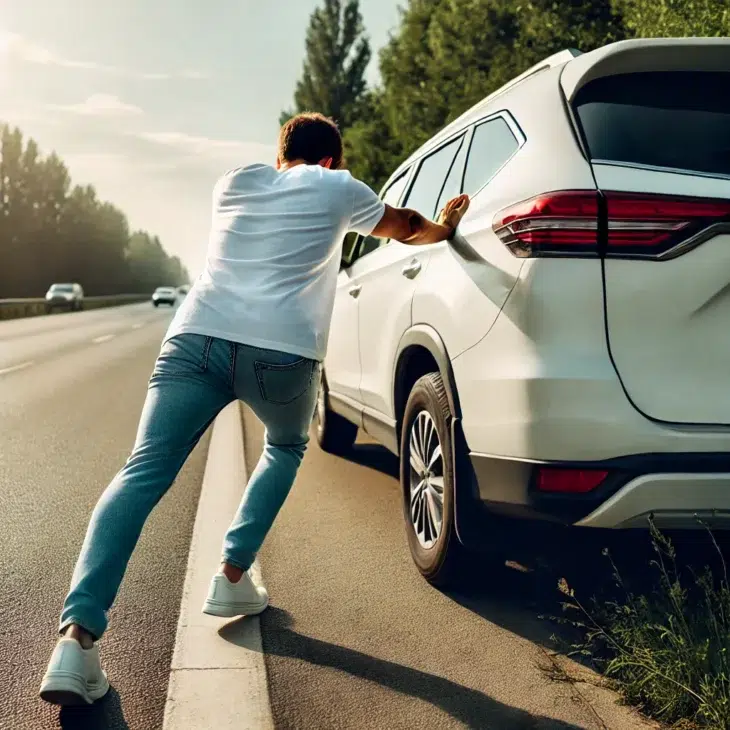
The term “bump start” refers to the technique of getting the car to start using the force of movement to engage the engine. It is common to resort to this practice when the battery is weak or dead, such as in cases where the headlights were left on for too long.
-
For R$ 32,000, a brand new Hyundai car is a rival to the Kwid with a 1.2 engine producing 82 hp, 6 airbags as standard, multimedia with wireless Android Auto, up to 391 liters in the trunk, and a refreshed look for 2026 in India.
-
He bought a new car in 1983, locked it in the barn in 1988, and no one opened the door for 38 years until the family discovered what was stored inside and realized it looked like something out of a movie.
-
A 250cc motorcycle that can reach 560 km with a 14-liter tank, features disc brakes on both wheels and is among the most well-known in Brazil.

-
Man finds over 200 rare cars abandoned on a lot and tries to do the impossible in 8 hours with a surprise at the end.

To illustrate, imagine you are returning from a trip, it’s night, and the car won’t start. Without jumper cables or nearby assistance, knowing how to bump start could be what saves you. However, this emergency solution requires caution to avoid damaging the car, especially in modern vehicles.
Bump Start vs. Electric Start: Understand the Differences
Bump Start: In older cars, bump starting can be a relatively safe emergency solution. However, in modern vehicles with more sophisticated electronic systems, the impact from bump starting can damage important components, such as the fuel injection system. Therefore, it is essential to assess whether this is truly the only option and whether your car can handle this type of maneuver without significant risks.
Electric Start: The electric start is the most common way to start a car and depends on the battery. In modern cars, it is the recommended method as it is safe for the system and avoids premature wear. The downside is that if the battery is completely dead, you will have no alternative but to resort to other methods, such as bump starting.
In summary, before deciding which technique to use, consider the situation and the characteristics of your vehicle. This way, you avoid larger problems and ensure you are making the most appropriate decision.
Step-By-Step Guide to Bump Start Your Car Safely
Now that we understand a bit more about the technique, let’s go through the step-by-step process of how to bump start your car safely:
- Find a Safe Location
Acquire a slope or a flat surface with minimal traffic. This reduces the risk of accidents and allows you to perform the maneuver without hurry. - Prepare the Vehicle
Put the car in neutral, sit in the driver’s seat, and turn the key. Keep your foot on the clutch and engage second gear, releasing the handbrake only when you are ready to push the car. - Push the Vehicle
With the handbrake released, start pushing the car until you reach a speed between 8 and 15 km/h. If you have help, ask someone to push while you are at the wheel. This initial push is essential for bump starting. - Engage Second Gear
Once you reach the ideal speed, press the clutch and engage second gear. Second gear is recommended as it provides a smoother power transition, minimizing the impact on the transmission. - Release the Clutch
When the car is in motion and second gear is engaged, release the clutch all at once. This should generate the necessary bump to start the engine. Once it starts, gently accelerate to ensure the car continues running.
It’s normal that, on some attempts, the car still won’t start. This could indicate a more serious problem, and in such cases, it’s best to seek professional help.
What Are the Risks of Bump Starting a Car?
Although it is a practical solution, bump starting a car presents some risks. Here are the main damages that this practice can cause:
- Damage to the Timing Belt
The impact generated by bump starting can wear out or even break the timing belt, an essential component for the engine’s operation. This wear results in high repair costs and can compromise other engine parts. - Damage to Electronic Circuits
When forcing the start, the electrical system is controlled by a high voltage. In modern vehicles, this can damage components such as the starter motor and even the lighting system. - Damage to the Engine
Bump starting puts specific stress on the engine, which is not designed for this type of start. This extra strain can reduce the engine’s lifespan and cause problems in the future. - Damage to the Fuel Injection System
The bump’s impact interferes with the fuel injection system, which can cause failures and increase pollutant emissions. In the long run, this practice increases wear and may result in fines for excessive emissions.
Is It Safe to Bump Start Cars with Electronic Fuel Injection?
In cars with electronic fuel injection, bump starting is not recommended. Electronic injection precisely doses the fuel, and bump starting directly interferes with this process. As a result, the engine may receive fuel irregularly, increasing the risk of failures and even ignition system problems. In emergencies, avoid this practice and prefer to seek a safer alternative, such as a roadside assistance service.
The Importance of Preventive Maintenance
One of the most effective ways to avoid situations where you need to bump start your car is to invest in good preventive maintenance. This care may seem like an extra expense, but in the long run, it saves time, money, and stress. Here are some benefits of this habit:
- Periodic Engine Check
Keeping updates on schedule, such as changing the oil and checking the condition of filters, helps ensure that the engine runs perfectly. Small adjustments and repairs prevent unnecessary wear. - Battery Care
Regularly check the battery’s condition to avoid unexpected situations. Keep the terminals clean and, if you notice the battery is weak, replace it before it completely dies. - Check Electrical and Ignition Systems
In addition to the engine and battery, the electrical system needs attention. Problems in this system can lead to the need for bump starting, and as we’ve seen, this practice is risky. Also check the ignition system, as failures here directly affect engine operation.
Bump starting your car might seem like a quick and easy solution to a common problem, but it involves risks that can compromise safety and the vehicle’s lifespan. If possible, reserve this technique for emergencies and prioritize using the electric start whenever feasible. And remember: good preventive maintenance is key to avoiding surprises and keeping your car ready for any situation.









Seja o primeiro a reagir!