





 Português
  Inglês
  Espanhol
  5 min de leitura
  0 comentários



Discover How to Build a Strong Career in Wind Energy by Understanding Its History, Market, and Essential Skills to Grow in a Sector That Promotes Sustainability and Innovation.
Nowadays, the search for clean and renewable energy sources has become increasingly urgent.
Therefore, among the various options available, wind energy stands out not only for its sustainable potential but also for the growing demand in the job market.
So, if you are thinking about entering this sector or want to better understand how to master a career in wind energy, this guide has been made for you.
-
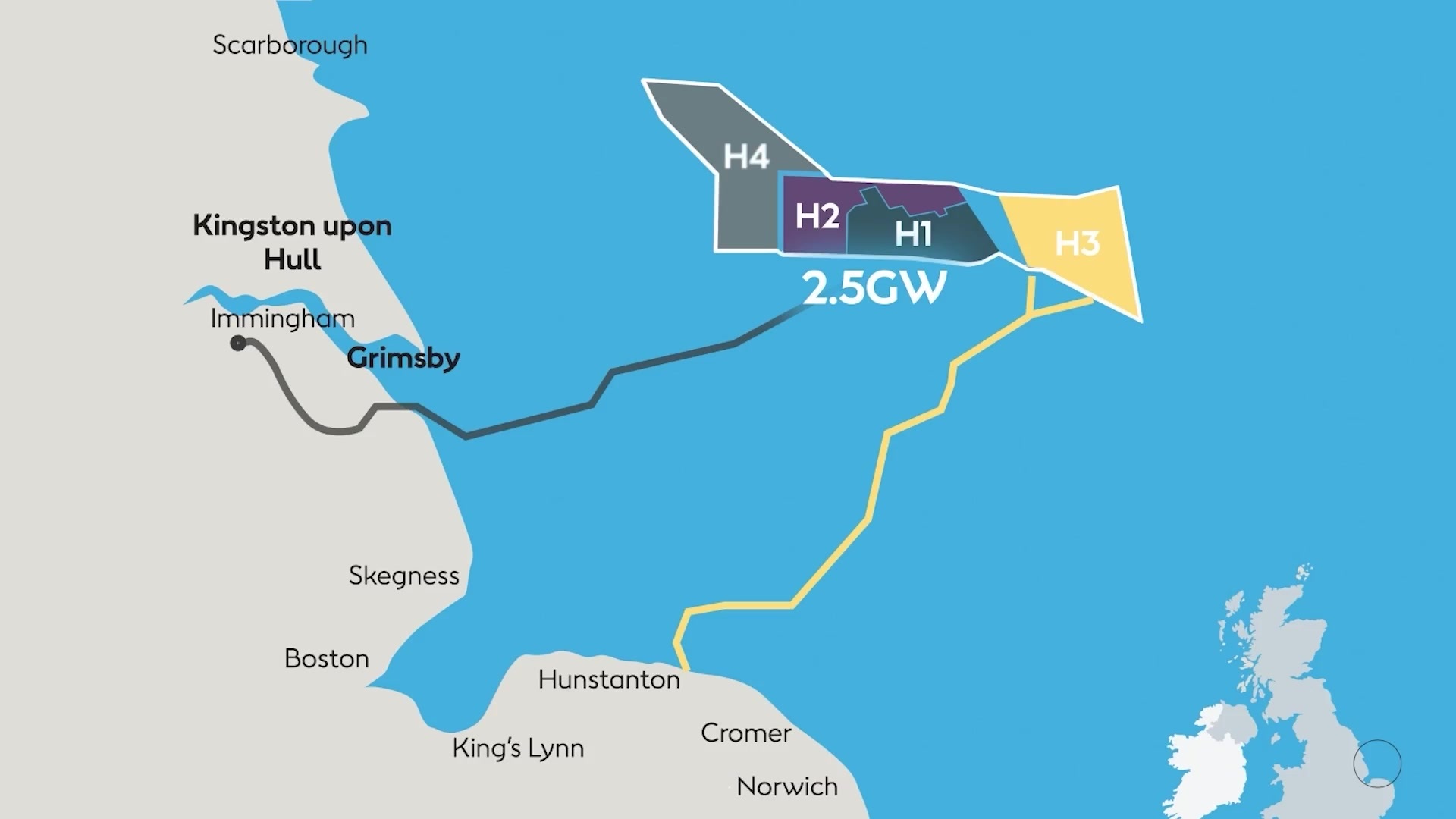
231 turbines of 260 meters at 160 km from the coast, monopiles weighing as much as nine blue whales embedded in the North Sea, and a crane ship taller than the Eiffel Tower: Hornsea 3 will be the largest offshore wind farm on the planet by 2027, and its first components have already arrived in England.
-
International Certification Puts Senai Norte on the Renewable Energy Map and Expands Access to Essential Training for Qualified Wind Power Professionals

-
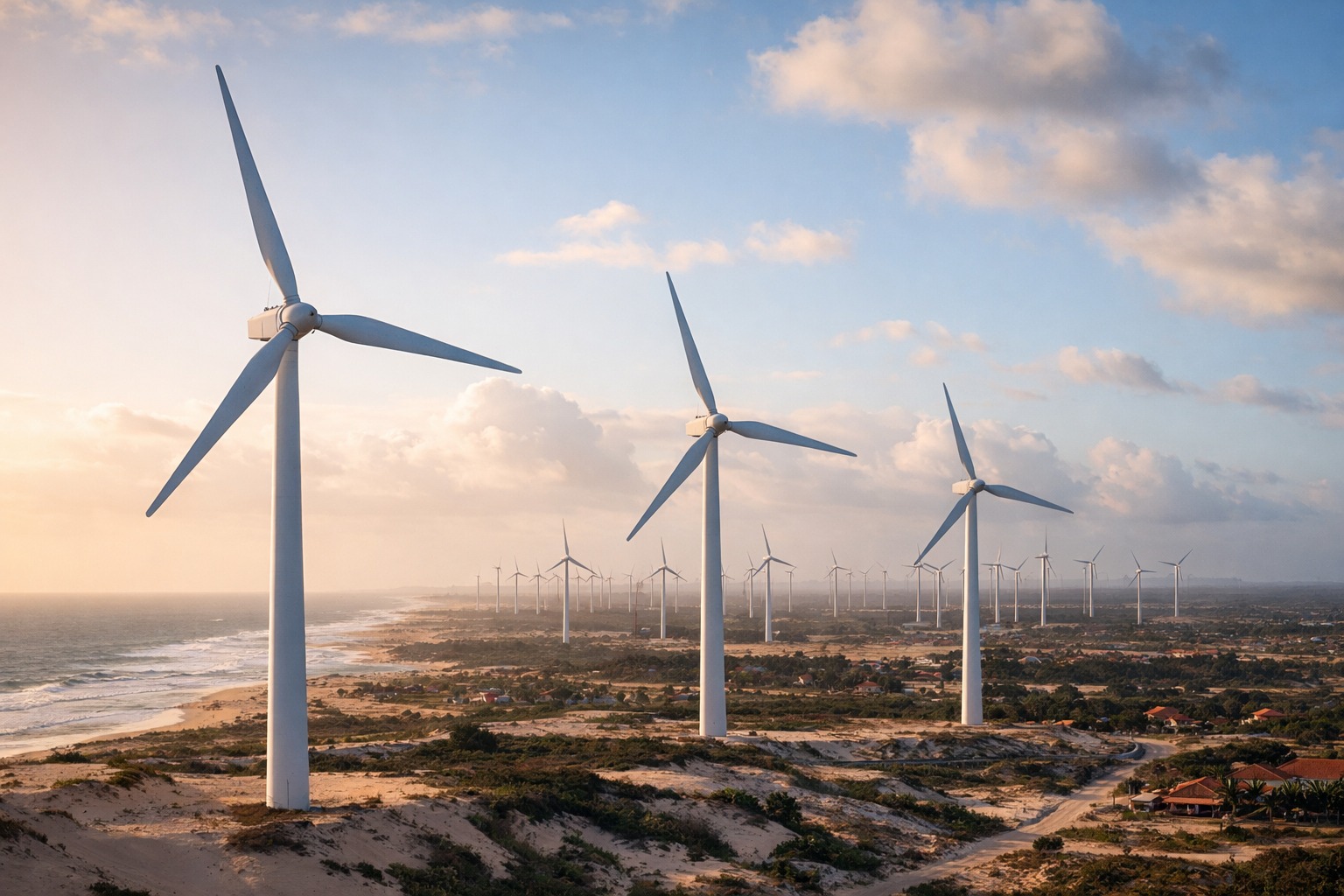
The Winds of the Northeast Are in Foreign Hands: Nearly 70% of the Region’s Wind Farms Are Owned by International Companies, with France, China, and Italy Leading Investments in Wind Energy in Brazil
-
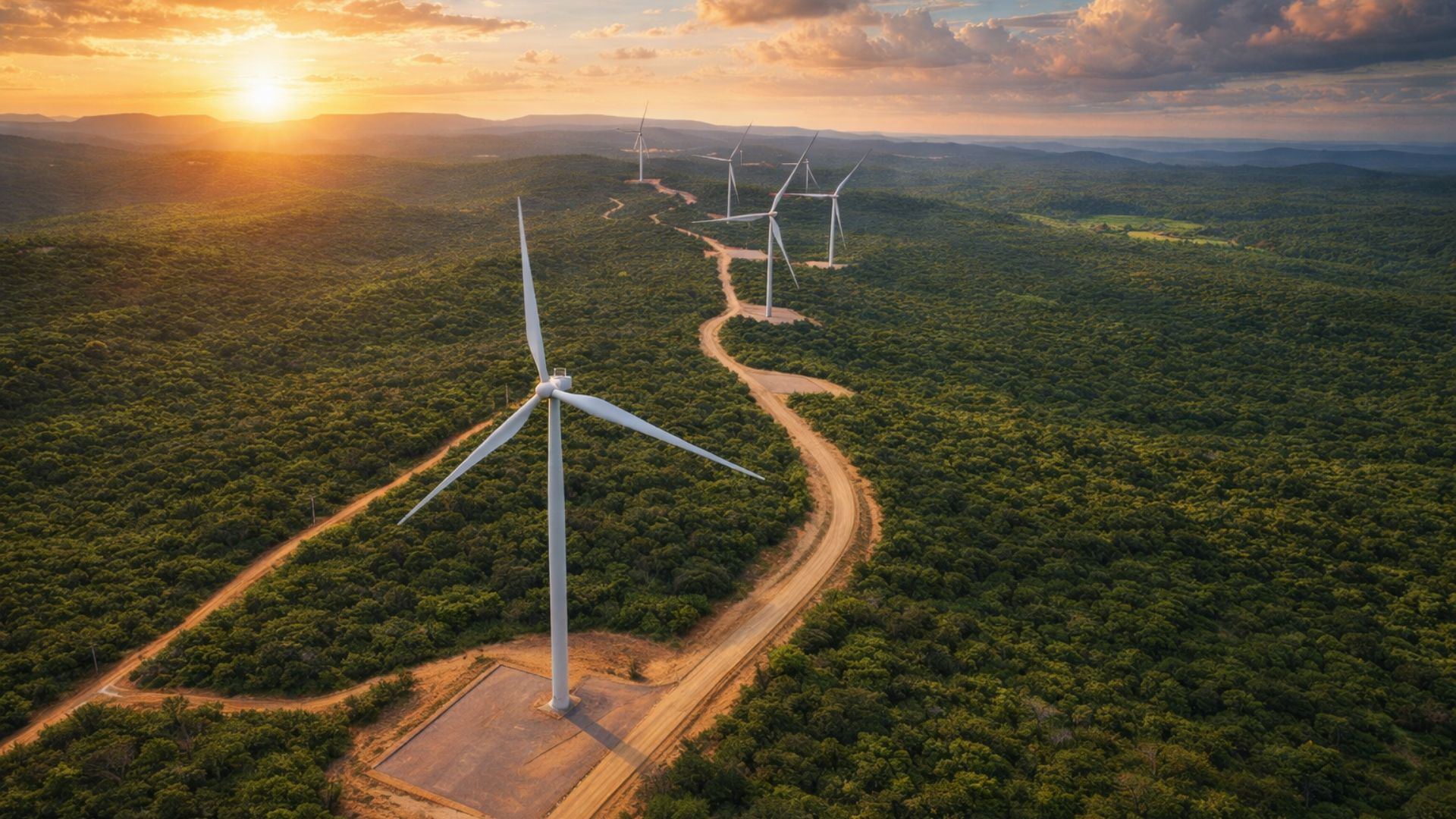
Echoenergia’s Wind Farms Receive Diamond and Platinum Seals and Boost Carbon Credits with Projects that Prevent Large Volumes of Annual Emissions

Indeed, wind energy is one of the fastest-growing alternatives in the world.
With it comes the need for skilled professionals who know how to handle technologies, planning, and the operation of wind farms.
The Origin and Growth of Wind Energy

Although wind energy is seen as a modern technology, the use of wind to generate mechanical power has very ancient roots.
According to the historical report from the International Energy Agency (IEA), around 500 AD, in ancient Persia, there were already windmills that helped grind grains, one of the earliest records of harnessing wind energy for productive purposes.
Furthermore, in the 12th century, similar mills became popular in Europe, especially in the Netherlands, which became famous for its wind-powered drainage and grinding systems.
However, it was only from the 20th century onwards, as detailed by the National Institute of Energy Efficiency and Renewable Energies (INEER), that wind energy began to be studied and applied as a viable alternative for electricity generation.
According to the International Energy Agency (IEA), the oil crisis in the 1970s was a turning point for accelerating investments in renewable energies, including wind energy.
At that time, European countries and the United States began research and development programs that resulted in the first modern turbines.
In Brazil, according to data from the National Electric Energy Agency (ANEEL), the first commercial wind farm was inaugurated in 1992 in the state of Ceará, marking the beginning of the country’s journey in generating this energy source.
In the 2000s, technological advances and environmental policies, highlighted in reports from the United Nations Environment Programme (UNEP), boosted the expansion of wind farms worldwide.
Therefore, the history of wind energy is deeply linked to scientific advances, economic crises, and the growing global environmental concern.
Why Invest in This Career?

Therefore, choosing a career in wind energy means choosing a path with great future potential.
After all, the world is undergoing an energy transition, trying to replace fossil fuels with clean sources.
According to the International Renewable Energy Agency (IRENA) report from 2023, the globally installed capacity of wind energy has surpassed 900 gigawatts, representing about 10% of global electricity generation.
Thus, this positions wind energy as a key player in this change.
Moreover, this field presents a growing demand for skilled professionals.
For example, engineers, technicians, environmental analysts, turbine operators, project managers, and many other specialists work in all phases, from implementation to maintenance of wind farms.
Another attractive factor is stability.
Indeed, governments and private investors are increasing investments in renewable energies, while international carbon reduction policies support career growth.
Thus, the wind sector offers opportunities at various hierarchical levels, benefiting both those starting and those with experience in the field.
Lastly, a career in wind energy requires not only technical knowledge but also strategic vision.
Therefore, professionals who understand the economic, legal, and social aspects of renewable energy stand out and hold management and planning positions.
In this way, this diversity broadens possibilities, making the field very dynamic and promising.
Paths to Enter the Wind Energy Career

To master a career in wind energy, you need a combination of technical knowledge, professional qualification, and practical experience.
Therefore, there are different ways to start, depending on your profile and area of expertise.
If you have a degree in engineering, especially electrical, mechanical, civil, or environmental, you can seek specializations or postgraduate programs focused on renewable energies.
These courses delve into topics such as turbine aerodynamics, energy generation and distribution, sustainability, and environmental legislation.
On the other hand, for those seeking more technical education, vocational courses represent a great option.
In Brazil, for example, the National Service for Industrial Training (SENAI) offers courses in the area of operation and maintenance of wind systems, according to official information from the SENAI website in 2024.
Thus, these programs cater to those who wish to work directly in the field, dealing with the installation, operation, and repair of turbines.
Additionally, online courses, in-person programs, and complementary technical training help acquire specific knowledge, such as safety when working at heights — essential for those working with turbines — project reading, and interpretation of meteorological data.
Moreover, internships and practical experiences are also essential to consolidate learning and understand real challenges in the sector.
If you are considering migrating from another area, you might consider refresher courses and specific training.
Many companies promote internal programs to qualify new employees, which facilitates entry into the market.
How to Stand Out in This Career
To master a career in wind energy, you need more than technical knowledge.
Indeed, it’s necessary to develop a constant learning mindset.
After all, technology evolves rapidly, and new solutions emerge all the time.
Therefore, participating in conferences, update courses, and sector fairs opens doors and helps build a solid network of contacts.
Additionally, deepening the command of foreign languages, especially English, represents an advantage.
Many companies operate internationally, and the main technical materials are still in English.
Seeking recognized certifications, such as NR-10 and NR-35 — related to electrical safety and working at heights — significantly increases employability chances.
This is especially true for those intending to work in the installation and maintenance of wind turbines.
Finally, developing interpersonal skills, such as leadership, project management, and teamwork, makes a significant difference.
Complex and multidisciplinary projects are common in the field, and knowing how to coordinate people and resources contributes to career success.
Another way to stand out is to keep up with technological trends, such as the use of artificial intelligence and data analysis to optimize wind generation.
Moreover, developing hybrid solutions that combine wind energy with solar or battery storage also deserves attention.
And the best part: this career not only creates jobs but also helps transform the world.










Seja o primeiro a reagir!