





 Português
  Inglês
  Espanhol
  4 min de leitura
  0 comentários


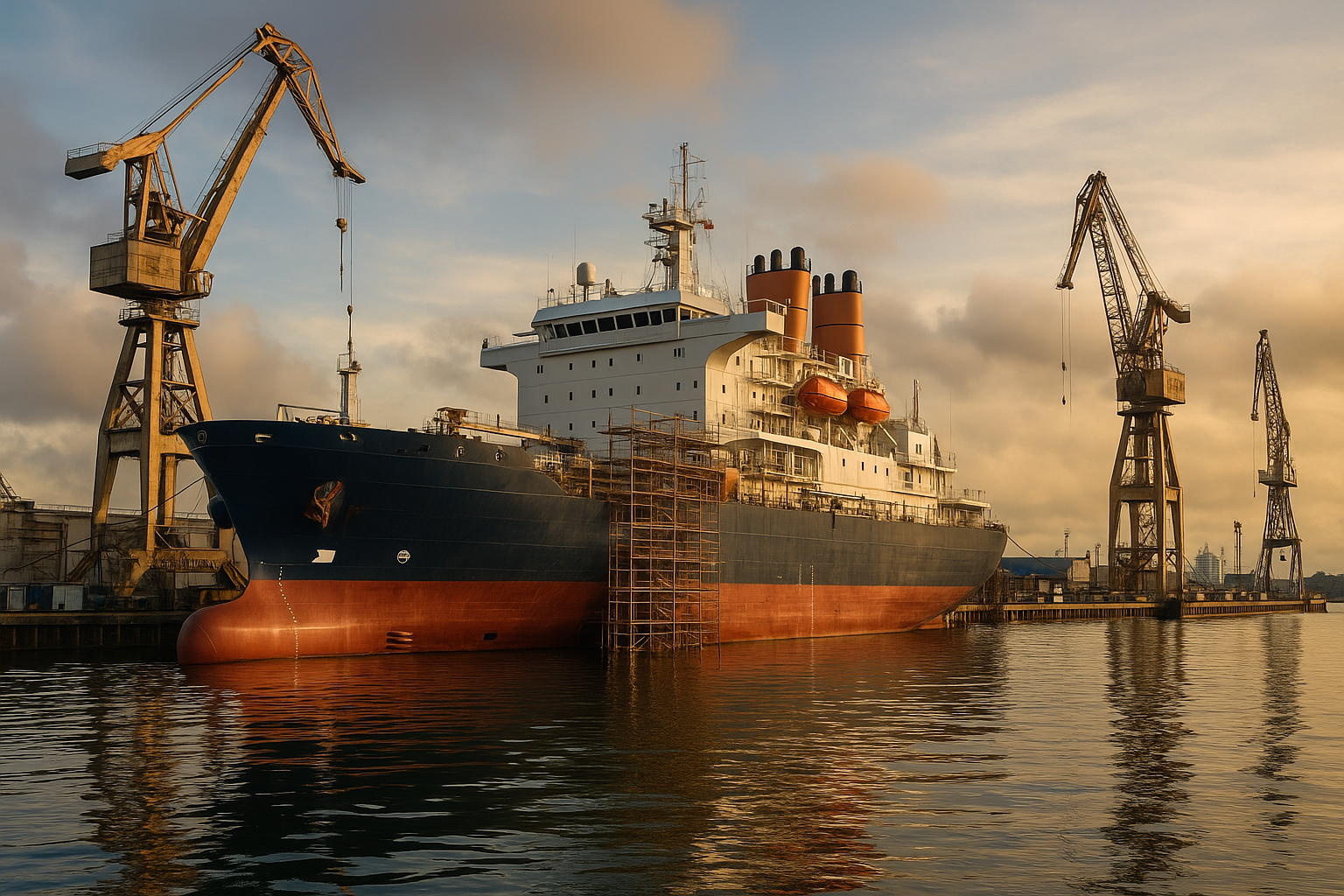
Discover How Naval Industry Technology Has Evolved Over the Centuries and See What It Takes to Master This Sector That Combines Innovation, Engineering, and Maritime Tradition.
The technology of the naval industry is one of the oldest and, at the same time, most innovative fields of humanity.
From the first simple wooden boats to the automated ships that now sail the oceans, the naval industry encompasses knowledge of engineering, materials, design, and logistics.
Therefore, to master this technology, it is necessary to understand its historical development and the advancements that have made it essential for global trade and security.
-
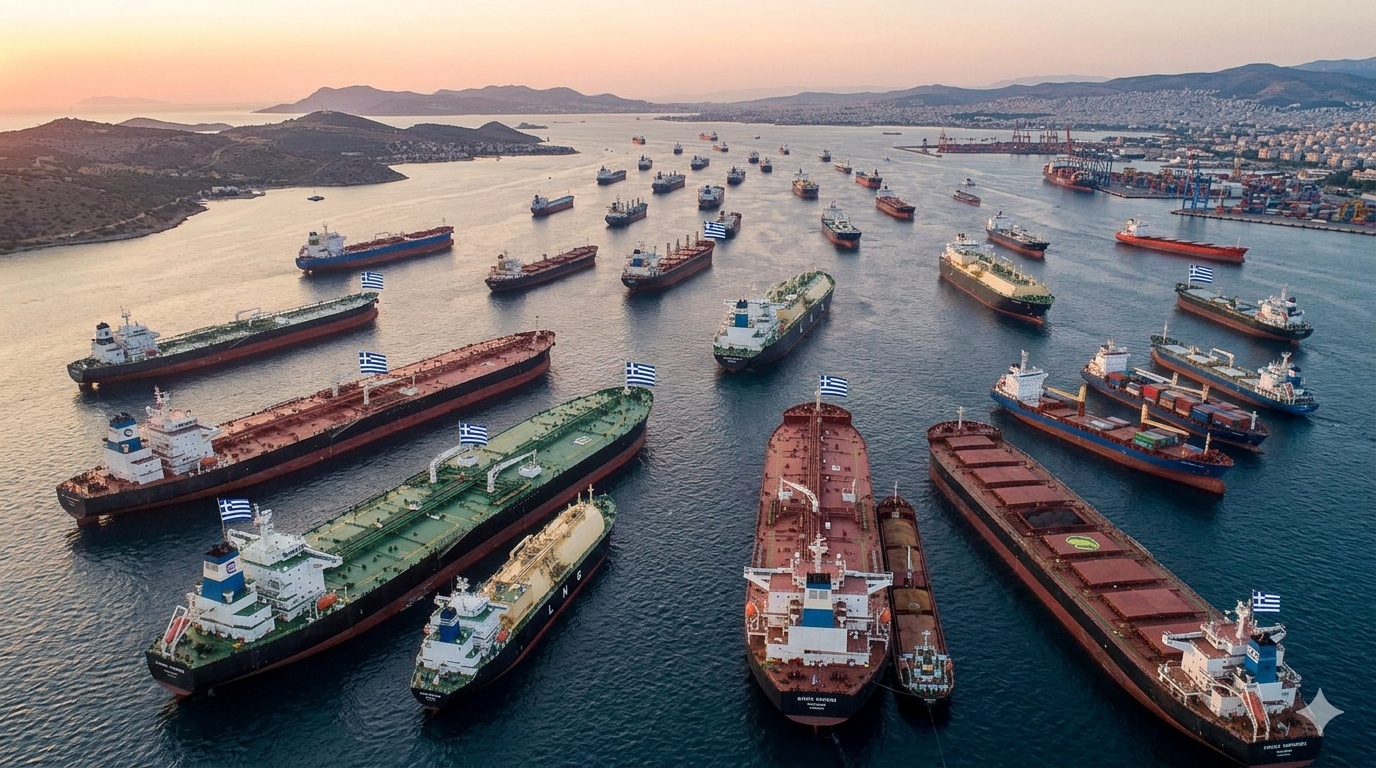
Neither the USA nor China: a small European nation has become one of the largest maritime powers on the planet, controlling one of the largest merchant fleets in the world with thousands of ships and dominating the global transportation of oil and strategic cargo.
-
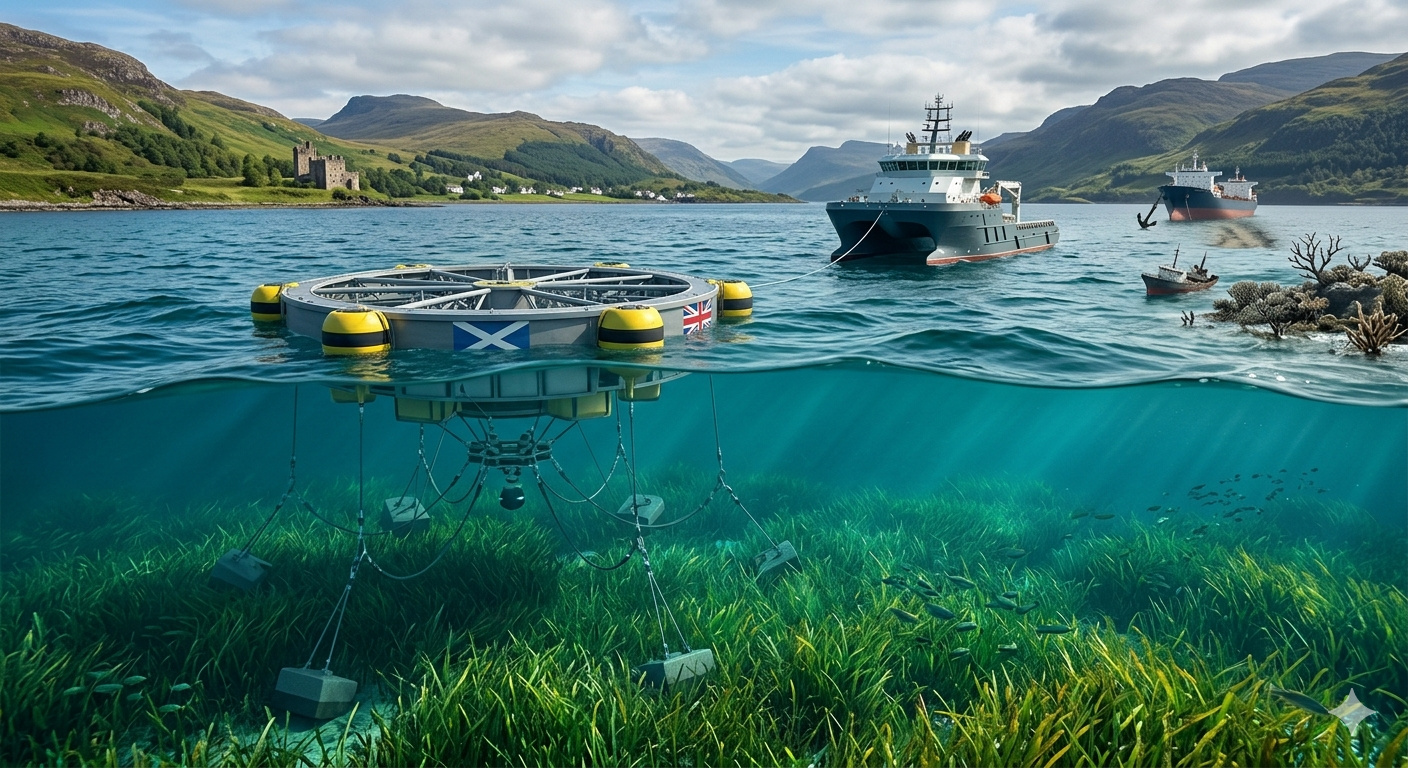
Scotland and the United Kingdom have created a new anchoring system that floats in the water without touching the seabed, after discovering that the current from a conventional anchor destroys up to 50 m² of seagrass meadow per event and that ship-damaged reefs showed no signs of recovery even ten years later.
-
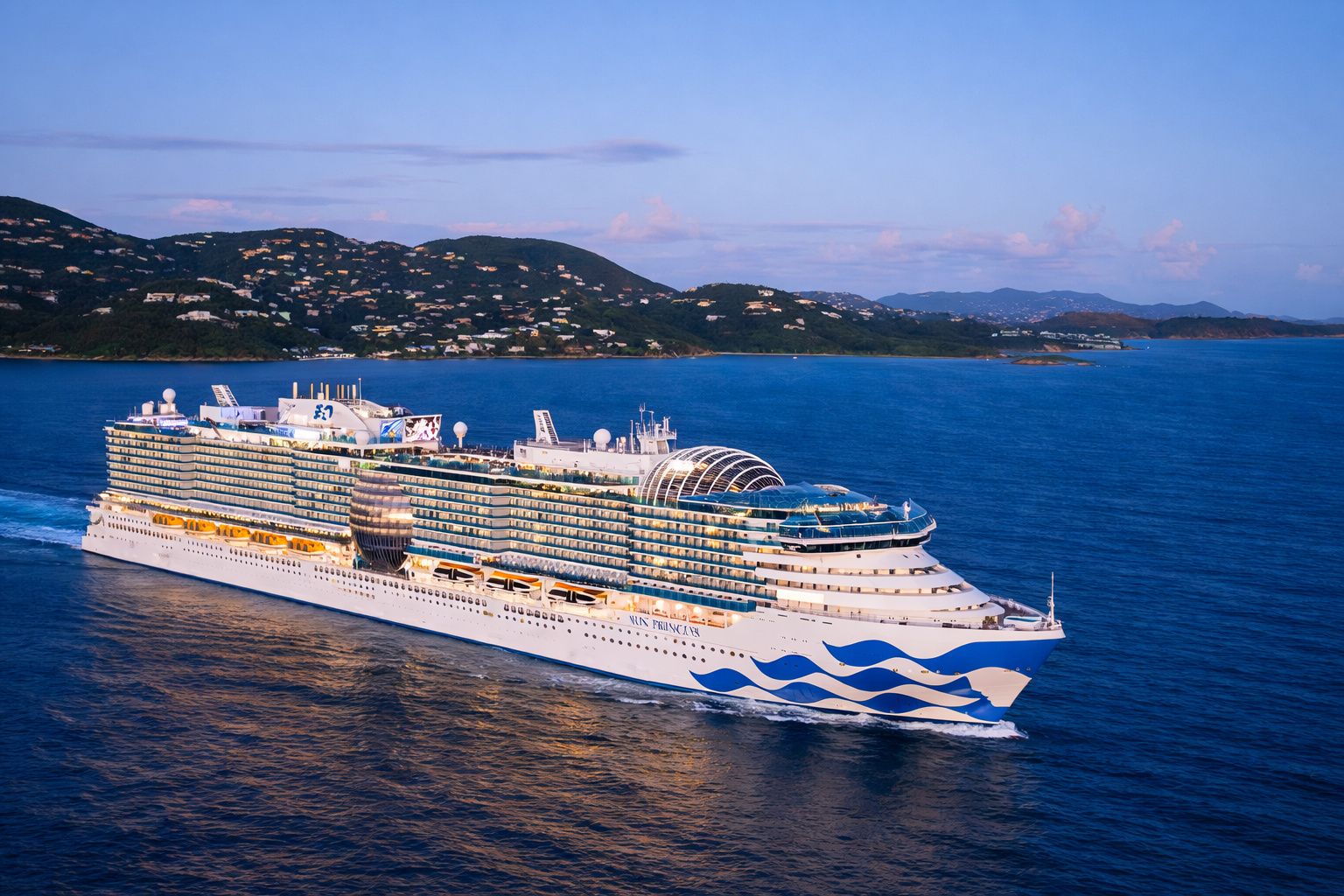
Weighing 175,500 Tons, Measuring 345 Meters Long, and With Capacity for Over 4,300 Passengers, the Sun Princess Becomes the Largest Ship Ever Built by Princess Cruises and Attracts Global Attention for Its Huge Glass Dome Inspired by Santorini’s Architecture Installed on Top of the Vessel
-
TX-10, The Colossus of The Sea: Largest Lifter Ship in The U.S., With Two Giant Barges, 73-Meter Tall Structure, and Strength to Raise 7,500 Tons of Sunken Oil Rigs
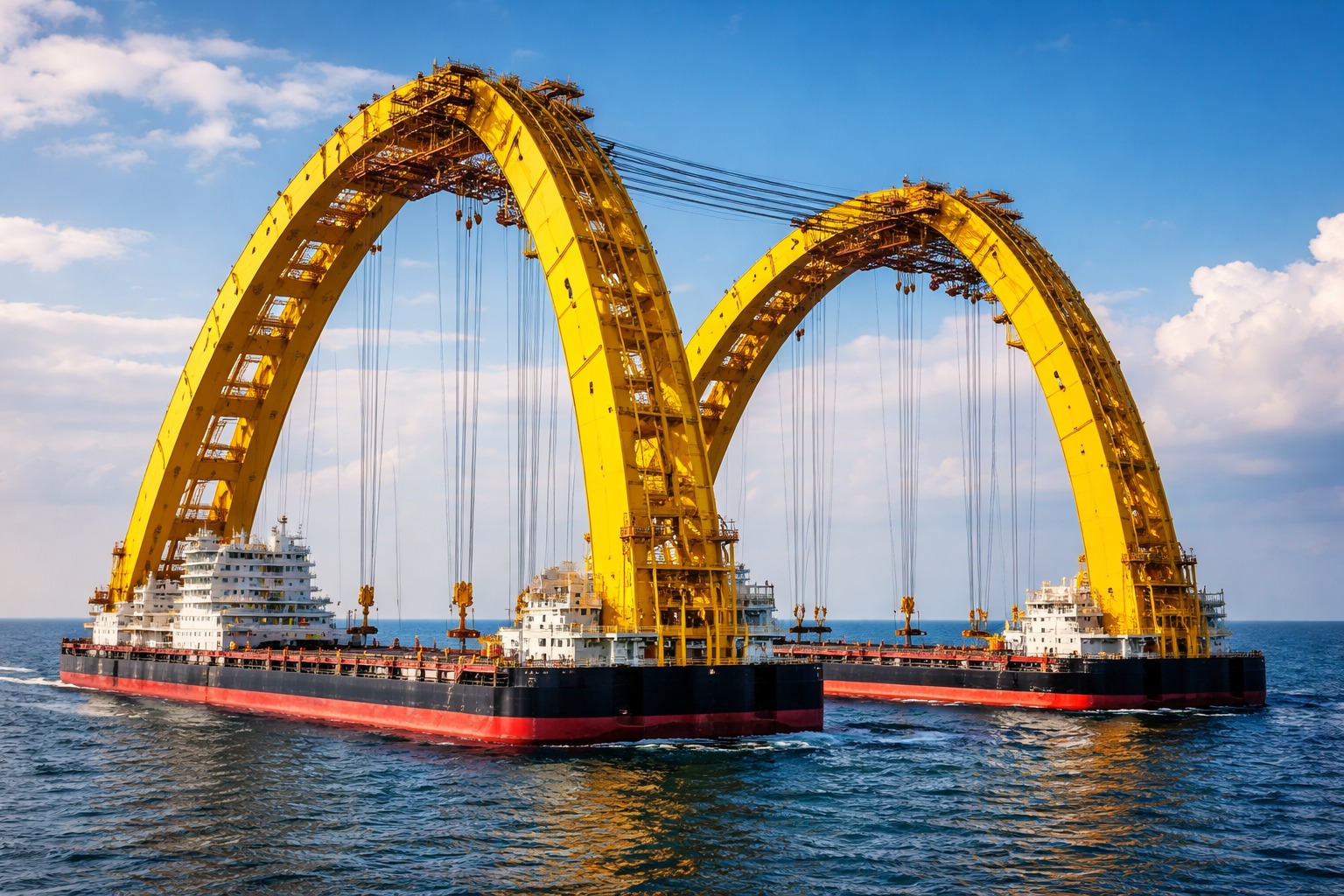

Historically, each modern ship is the result of science, practice, and tradition.
In fact, humans have used their creativity to overcome natural challenges and expand their frontiers across rivers, seas, and oceans efficiently and safely.
According to the website of the International Maritime Organization (IMO), naval technology has gone through various phases that reflected the needs and technical knowledge of each era.
The Roots of Navigation and the First Advances

The history of navigation began thousands of years ago. Ancient civilizations, such as the Egyptians, Phoenicians, and Greeks, explored rivers and seas with simple vessels.
During that time, knowledge about shipbuilding grew primarily through experimentation.
As the centuries passed, boats became larger and more robust. The Romans, for instance, built ships to transport troops and goods throughout the vast Roman Empire, expanding trade and cultural influence.
Moreover, the introduction of the sail as a propeller marked a significant advancement. By harnessing the power of the wind, navigators increased travel speed and reduced the physical effort required.
According to data from the National Maritime Museum of the United Kingdom, the sail became the primary engine of ships for over a thousand years, until new technologies emerged to revolutionize the industry.
The Revolution of Navigation in the Age of Exploration

In the 15th and 16th centuries, the so-called Age of Exploration propelled the naval industry to a new level.
With the aim of discovering new trade routes, Europeans developed more robust vessels adapted for long ocean voyages.
Shipyards in Portugal and Spain, for example, created the caravel, a type of lightweight, fast, and easily maneuverable ship, with triangular sails that facilitated sailing against the wind.
On the other hand, galleons emerged as larger and more resilient ships, used for cargo and armament transport.
These innovations allowed navigators such as Christopher Columbus and Vasco da Gama to cross unknown oceans with greater safety.
According to the website of the National Library Foundation, the use of the compass and the astrolabe helped sailors navigate even far from shore, transforming the ocean into an accessible route.
Thus, international trade and colonial expansion intensified. Naval engineering ceased to be just a craft and became a science, with rigorous techniques and calculations.
The Impact of the Industrial Revolution on the Naval Industry
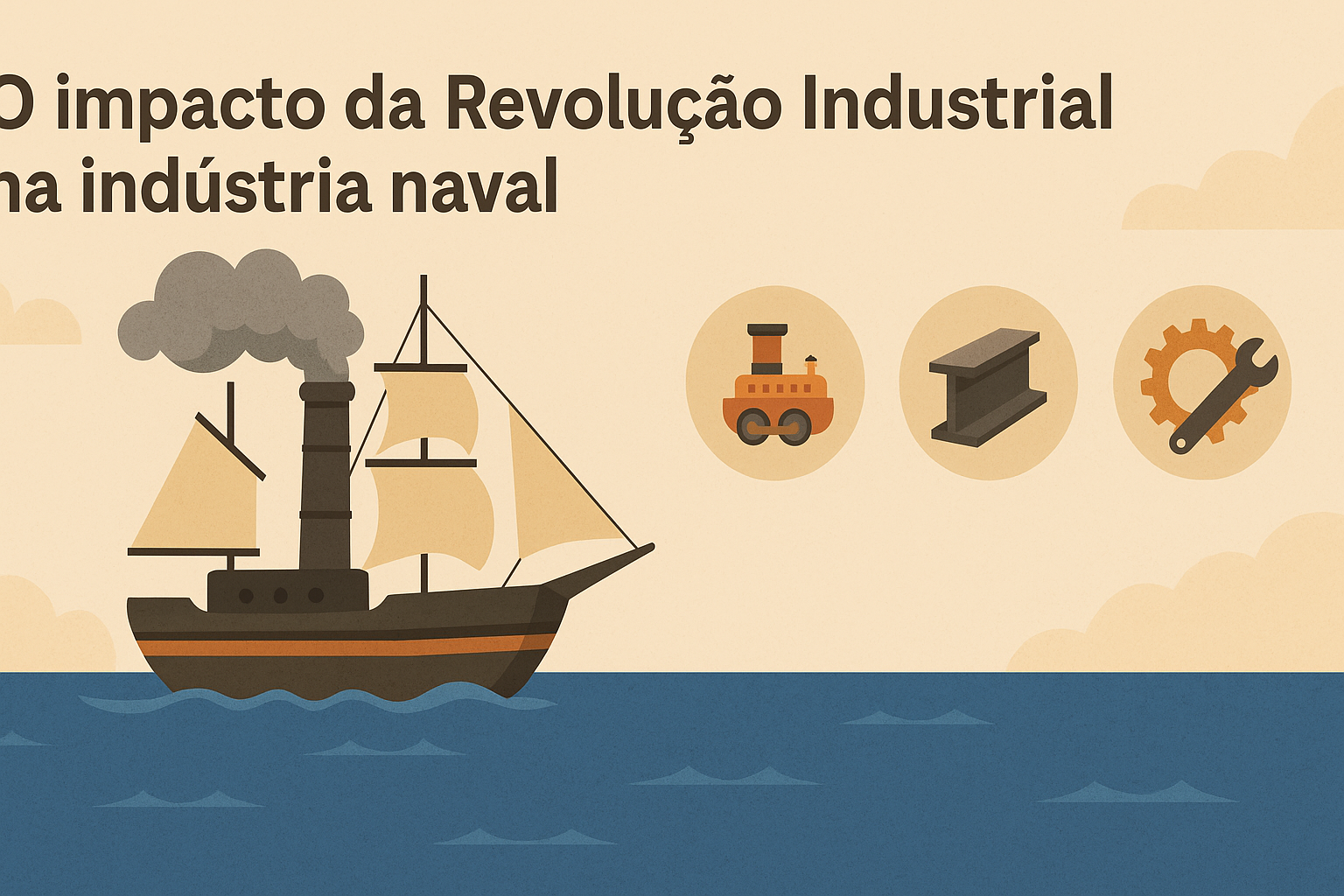
In the 19th century, the Industrial Revolution triggered a profound transformation in naval technology.
The invention of the steam engine marked the end of exclusive dependence on wind power, allowing ships to follow fixed routes with greater predictability.
Additionally, the use of iron and later steel in shipbuilding increased the strength and size of vessels.
Wood, once the primary material, was replaced by metal alloys that could bear larger loads and better withstand the adverse conditions of the sea.
According to the National Institute of Technology (INT) in Brazil, shipyards began to incorporate heavy machinery and industrial techniques, such as mass production, to build ships more quickly and accurately.
This change also increased the demand for specialized professionals, such as naval engineers, designers, and welding technicians.
The result was a growing global fleet, with more efficient ships for transporting goods, passengers, and warships.
Modern Technology and Automation in the Naval Industry
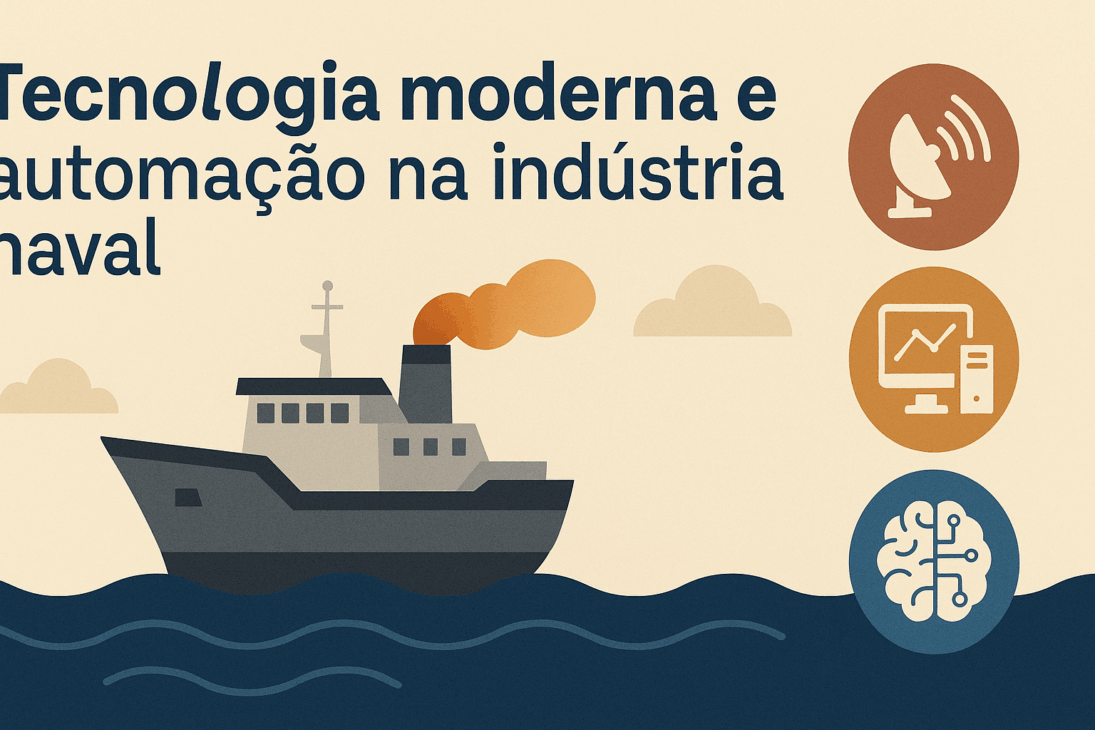
Moving into the 20th and 21st centuries, the naval industry increasingly integrates digital and automated technologies.
Today, sensors, computerized control systems, and artificial intelligence are essential components of ship operations.
According to the International Naval Engineering Association (RINA), automation allows ships to reduce fuel consumption, improve safety, and optimize navigation routes.
In addition, the use of new composite materials and advanced manufacturing techniques, such as 3D printing, revolutionizes shipbuilding.
These materials provide lighter, more durable, and corrosion-resistant ships.
Another significant advance is the environmental concern. According to data from the IMO, stricter standards for pollutant emissions and the use of sustainable fuels guide current technological development.
How to Master Naval Industry Technology Today
For those wishing to master this field, it is essential to invest in technical knowledge and stay updated with industry innovations.
Education in naval engineering, specialization courses in automation and sustainability, and practical experience in shipyards are essential steps.
Moreover, keeping up with international regulations, such as those published by the IMO, and understanding legal and environmental aspects is indispensable.
The naval industry does not only involve shipbuilding but also encompasses logistics, operation, maintenance, and safety.
Participating in fairs and conferences, reading technical publications, and networking with industry professionals also contribute to mastering naval technology.
The Future of Naval Technology
The future promises even more transformations. The increasing adoption of renewable energy, such as hydrogen propulsion and electric energy, is expected to reduce the environmental impact of navigation.
Moreover, autonomous ships, remotely controlled, are in development and could radically change maritime operations.
Finally, the advancement of digital technologies, such as big data and the internet of things, will enable the creation of connected ships capable of communicating with ports, other ships, and control centers in real time.










Seja o primeiro a reagir!